
Film
Flowers of Shanghai
- Period drama
- Western
- Slow-burning
A languorous 1998 drama set in Shanghai's colonial-era courtesан houses, where the rituals of desire, power and patronage play out in hushed, carefully composed scenes. Hou Hsiao-hsien's film moves like a tea ceremony—glacial, precise, hypnotic. For viewers who prize atmosphere and subtlety over plot, and who want cinema that respects silence.
Should you watch it?
Watch it if you are drawn to slow, mannered films where the pleasure lies in ritual, sidelong glances and lush interiors, and you don't need the plot to march anywhere.
Skip it if you want a story that moves briskly, because this one circles its rooms and conversations at a hushed, deliberate pace that can feel repetitive.
What it asks of you: Settle in for just under two hours spent mostly indoors, where the drama accrues through gesture, ritual and talk rather than through event.
Not sure? Find tonight's pick in a minute.
If you liked this
In the Mood for Love2000
Wong Kar-wai's companion piece to Shanghai's world of repressed longing, rendered in saturated colour and swooning cinematography. A love story told almost entirely in glances and costume changes.
But The pacing is deliberate to the point of stillness. If you need plot momentum, this will feel like watching paint dry in slow motion.

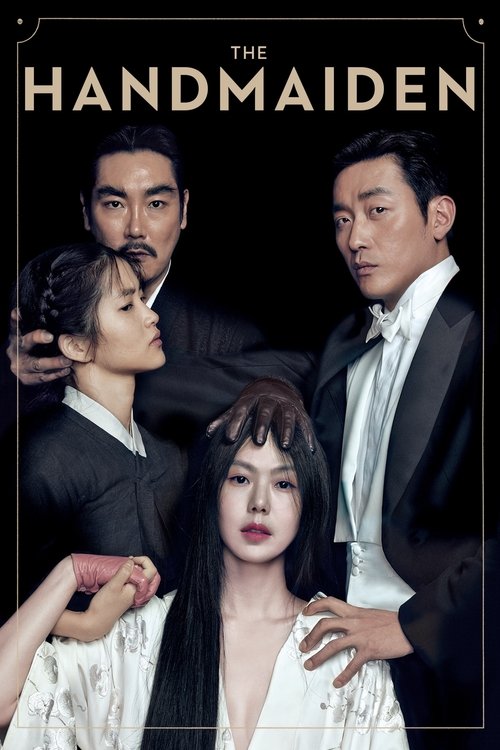
The Handmaiden2016
Park Chan-wook's jewelled con-game in 1930s Korea, built on similar foundations—power games, hidden desire, the performance of identity within restrictive hierarchies. Gorgeously baroque and genuinely shocking.
But Far more plot-driven and sensational than Flowers. If you come for the quiet complexity, the twist-driven mechanics might feel crude by comparison.
Mulholland Drive2001
Lynch's fractured Los Angeles dream pulses with the same obsessive fixation on female beauty, performance and the price of desire. Erotic, unsettling and formally daring in ways that reward repeat viewing.
But Deliberately cryptic and potentially frustrating. You may finish it feeling you've understood nothing, which is sort of the point—and sort of maddening.

Not sure tonight? Get a pick in a minute, starting from Flowers of Shanghai
The wildcard
Something you would not have found on your own.
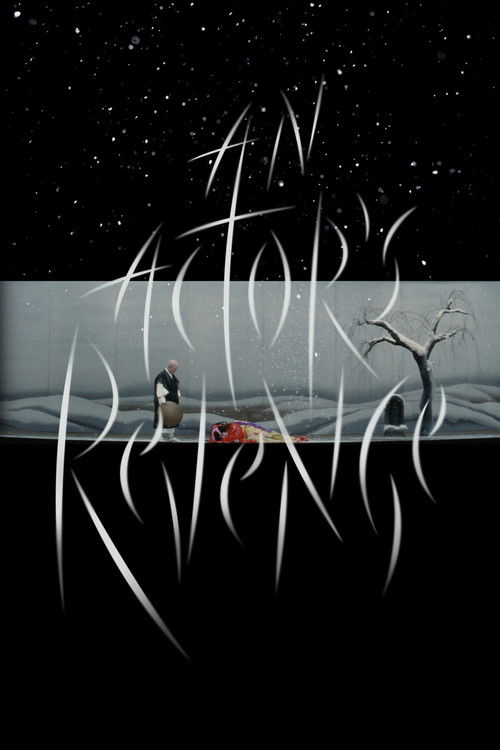
An Actor's Revenge1963
Both films understand courtesans and actors as the same thing—people whose bodies and faces are property, whose performance is survival, whose interiority is a luxury they cannot afford.
Kon Ichikawa's operatic melodrama about a Kabuki actor posing as a woman to ensnare his parents' enemies. The supreme precedent for performance-as-weapon and beauty-as-disguise; formally audacious in ways that predate everything.
But The gender dynamics are complex and occasionally queasy, and Kabuki's feminine stylization may read as absurd to modern eyes. It's deliberately theatrical in a way that might alienate.
More like this (7)
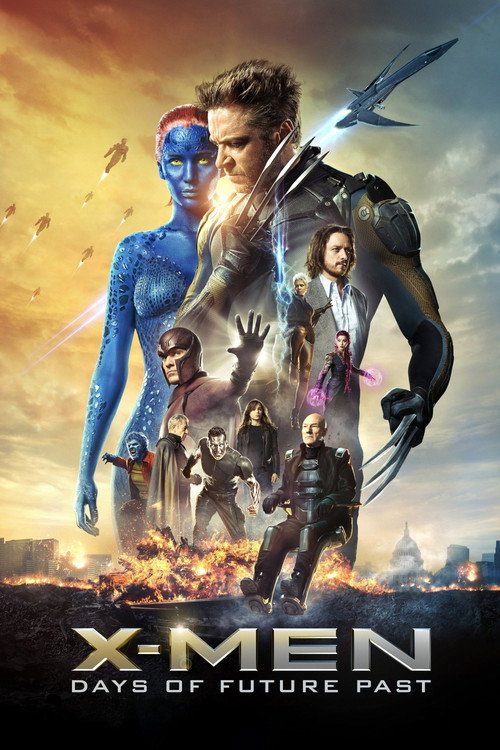
X-Men: Days of Future Past2014
Tsai Ming-liang's meditation on two men in a dwindling affair. Hypnotic long takes, minimal dialogue, and a camera that watches like it has nothing but time. Patience rewarded with devastating grace.
But Nearly three hours of people barely moving or speaking. This is a test of whether you believe cinema can be made of pauses and air.
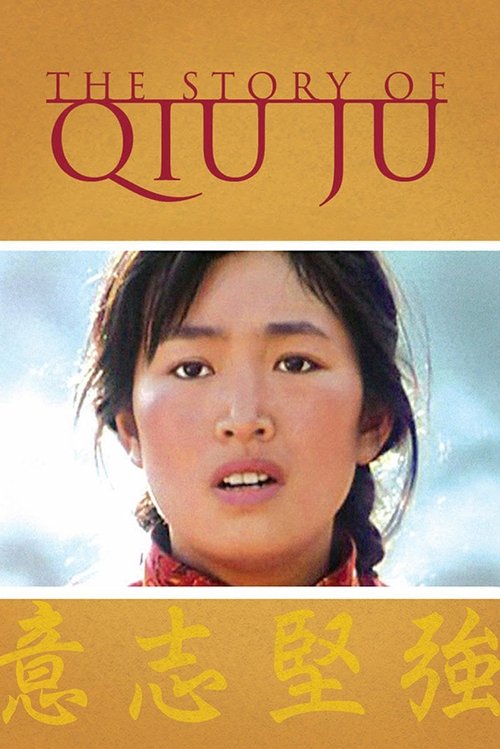
The Story of Qiu Ju1992
Zhang Yimou's procedural about a rural woman pursuing justice through bureaucracy. Slower-burn than his later epics, shot in documentary-like clarity with a performance of extraordinary resilience.
But The triumph is bureaucratic rather than dramatic. If you need catharsis, you'll find only the quiet satisfaction of a form properly filled.
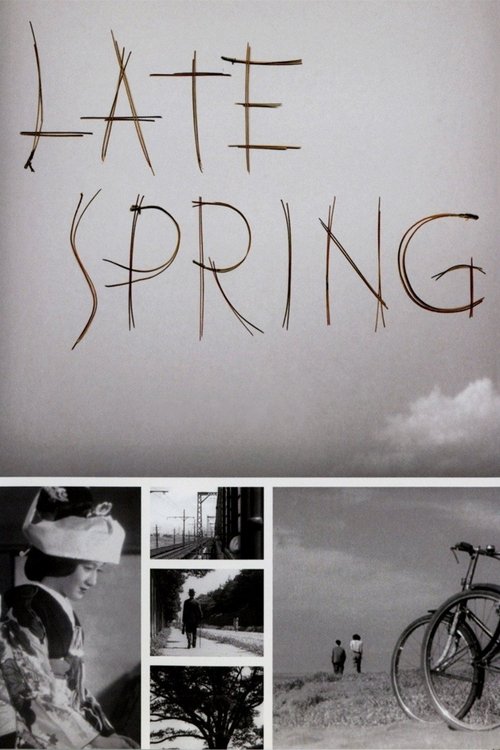
Late Spring1949
Ozu's masterpiece about a father and daughter, shot through the same lens of ritual, obligation and unspoken feeling. The template for everything about restraint and human connection in cinema.
But Made in 1949 and it shows—not in a charming way, necessarily. The black-and-white austerity demands patience.
A Ghost Story2017
Lowery's haunting film about time, loss and the objects we leave behind. A ghost in a sheet, a long static shot, and questions that unfold across decades. Unexpectedly moving and formally radical.
But Conceptually strange and emotionally punishing. The central image takes getting used to, and the pacing is deliberately frustrating.

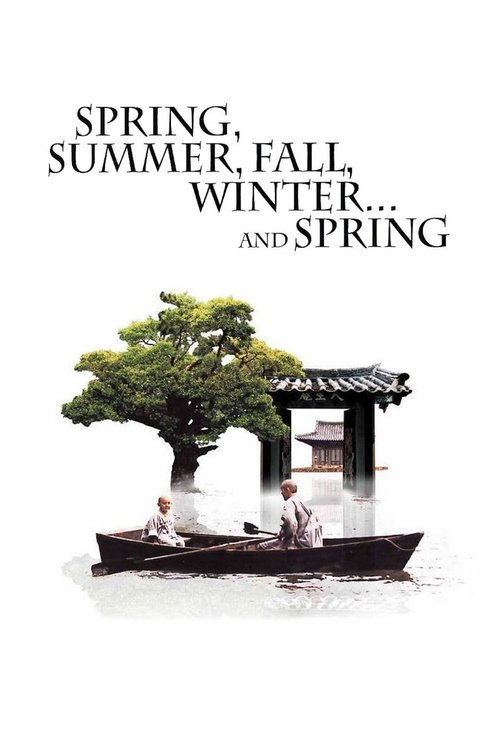
Spring, Summer, Fall, Winter... and Spring2003
Kim Ki-duk's parable set on a floating temple. Dialogue is sparse, violence erupts without warning, and the cycle of seasons mirrors the cycle of sin and redemption. Hypnotic and cruel.
But Vaguely misogynistic in ways that feel baked into the philosophy. The violence, when it comes, lands hard.
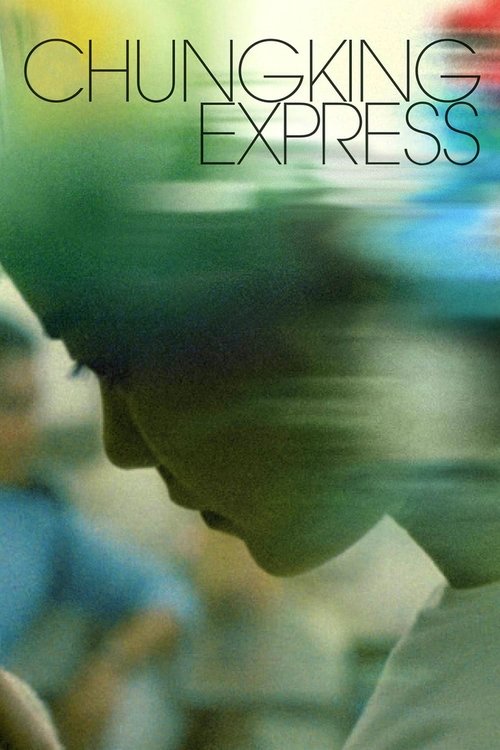
Chungking Express1994
Wong Kar-wai's earlier, looser film about cops and girls and chance meetings in a neon-soaked Hong Kong. More propulsive than Mood for Love, but cut from the same dreamy cloth of longing.
But The jump between its two halves is jarring and unexplained. Some find the tonal shift charming; others find it unfinished.
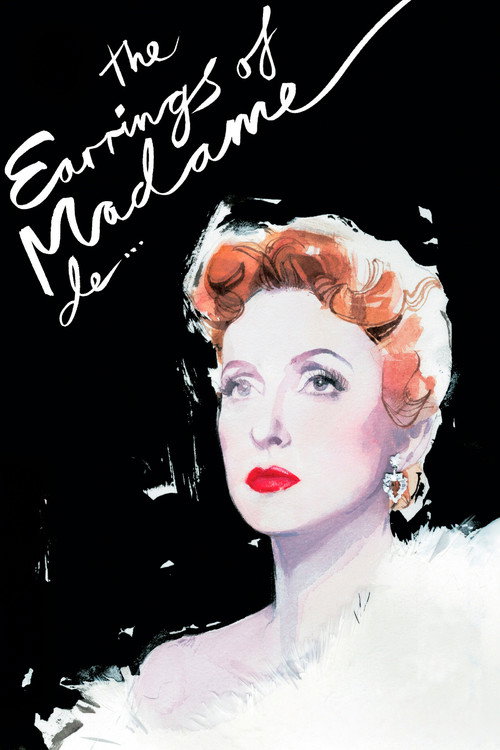
The Earrings of Madame de...1953
Both are chamber pieces about how desire moves between bodies like currency, and how the rituals of attraction are inseparable from economics and power.
Ophüls' dizzy, circling waltz of a film about a woman, a necklace, and the way desire and possession spiral out of control. Each scene is a small masterpiece of composed movement; you're watching a musical written in gesture.
But The sheer formalism might read as cold. If you need emotional directness or moral clarity, Ophüls will deny you both.
People
Cast
 Michiko HadaCrimson
 Carina LauPearl
 Michele ReisEmerald
 Jack KaoLuo
 Rebecca PanHuang
 Annie Shizuka InohGolden Flower
 Vicky WeiJasmin
- Firebird LiuVagabond #2
- Hsu Hui-NiShu-Fang's sister
- Shuan FangJade
Directing
- Hou Hsiao-hsienDirector
Writing
- Bangqing HanNovel
- Eileen ChangNovel
- Chu Tien-WenWriter
Production
- Hou Hsiao-hsienExecutive Producer
- Shôzô IchiyamaProducer
- Yang Teng-KueiProducer
Recommended by
Touki Bouki, The Story of the Last Chrysanthemum, Our Times, Taipei Story, The Road Home, Devdas, Barsaat, Intimate Confessions of a Chinese Courtesan