Film
Barsaat
Barsaat is a 1949 Indian romantic drama that essentially invented the Bollywood formula: contrasting heroes, tragic heroines, lush Kashmiri scenery, and songs that advance the plot. It's achingly earnest, visually ravishing, and *long*—nearly three hours of rain, devotion, and moral clarity. For anyone curious about cinema's origins or how entire genres crystallize, this is the blueprint.
If you liked this
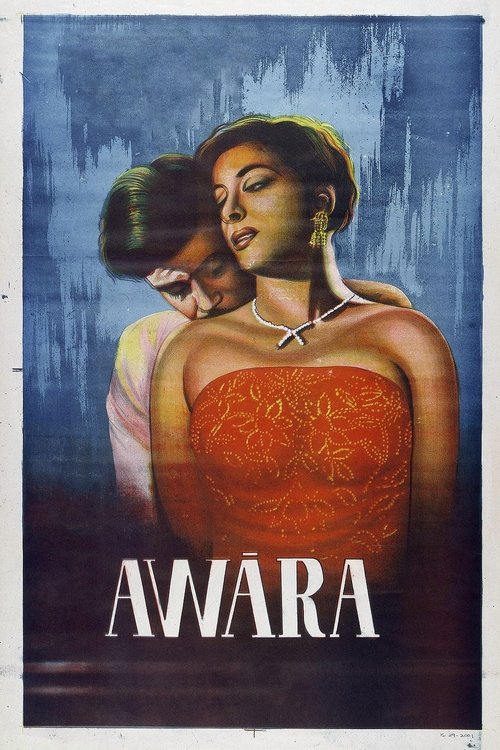
Awaara1951
Raj Kapoor's next masterpiece, which deepens everything Barsaat attempted. More virtuoso direction, better songs, and a protagonist whose moral journey cuts deeper. Essential follow-up.
But Even longer than Barsaat—nearly four hours—and the print quality can be rough. The sentimentality may feel dated if you're watching in a skeptical mood.
Pyaasa1957
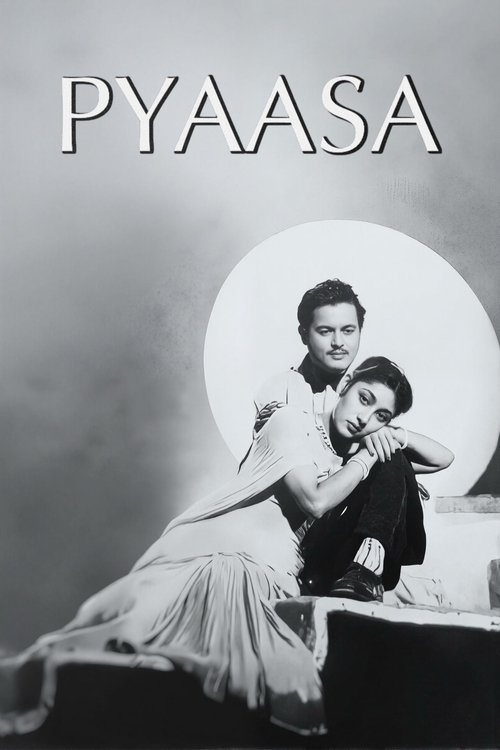
Guru Dutt's masterwork about an idealistic poet in a corrupt city. Shares Barsaat's earnest romanticism but channels it through visual poetry and jazz. Genuinely moving and beautifully shot.
But Darker and more pessimistic than Barsaat. The ending is bittersweet in ways that might frustrate if you want catharsis.
Mughal-e-Azam1960
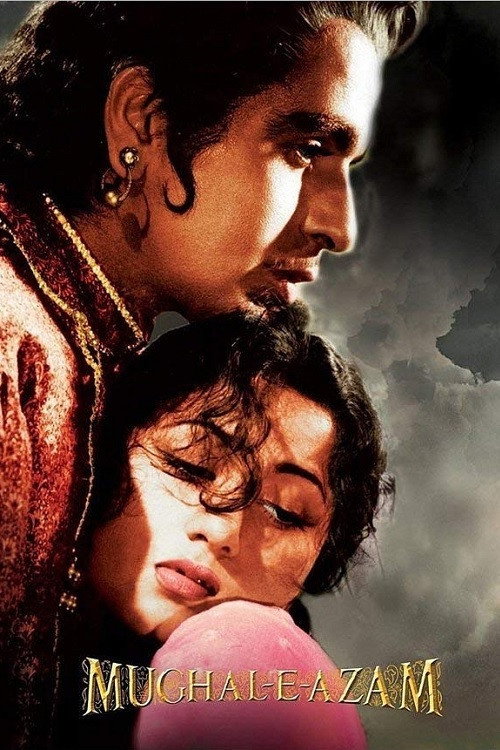
The definitive Bollywood epic: grand, sumptuous, and mythic. If you loved Barsaat's scale and emotional clarity, this takes both further. The Kathak dance sequences alone are worth the admission.
But Nearly three and a half hours of courtly dialogue and star-crossed romance. Requires patience with theatrical pacing.
Not sure tonight? Get a pick in a minute, starting from Barsaat
The wildcard
Something you would not have found on your own.
The Third Man1949
Both explore fidelity and betrayal through landscape and score; both ask whether innocence survives contact with the world.
Made the same year as Barsaat but on another continent: a noir thriller with a zither score instead of song. Both are *about* loyalty tested by circumstance, but Third Man explores betrayal through shadow and doubt rather than rain and devotion. The contrast illuminates what each film is really asking.
But Vienna and sewers instead of Kashmir and mountains. If you want to stay in the subcontinent, this will feel like a swerve.

More like this (7)
Guide1965
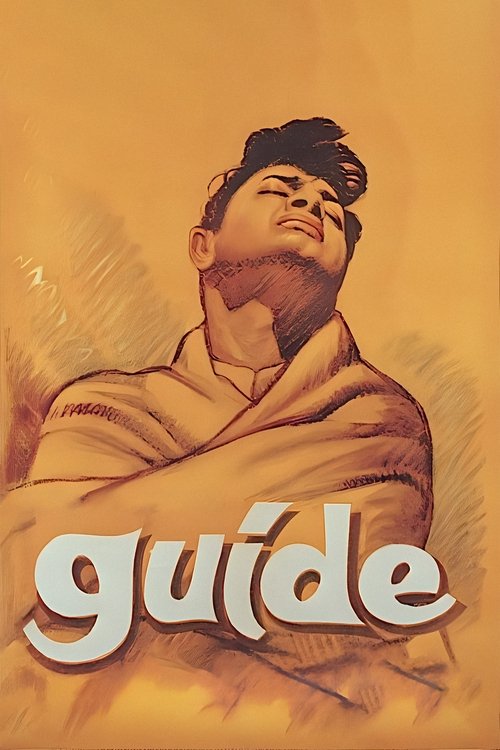
Dev Anand in a complex moral role, vibrant colour cinematography, and a narrative structure that plays with time. Spiritually aligned with Barsaat's exploration of character but far more sophisticated.
But The protagonist is morally compromised in ways that might feel uncomfortable. The ending is ambiguous rather than clarifying.
Bicycle Thieves1948
A realist masterpiece about ordinary desperation. Made the same year as Barsaat but from a completely different sensibility—no songs, no romance, just raw human need. Shows what cinema could do alongside melodrama.
But Crushingly bleak. No resolution, no redemption. If you want uplift, this is not it.

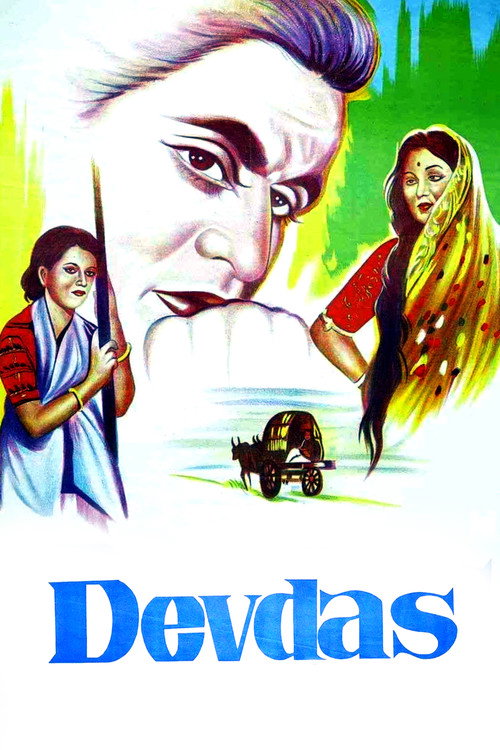
Devdas1955
Bimal Roy's adaptation channels Barsaat's tragic romanticism into literature. Dilip Kumar's performance is unforgettable, and the film explores similar themes of fidelity and ruin with tragic precision.
But Deeply sad throughout. The inevitability of doom can feel claustrophobic. Not a film for when you want comfort.
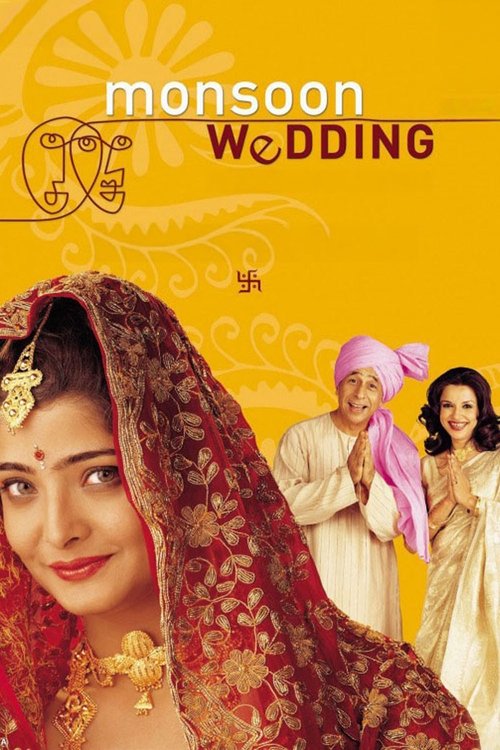
Monsoon Wedding2001
A modern romance set during the Delhi monsoon that owes clear debt to Barsaat's rain-soaked sensibility. Vibrant, joyful, and structurally clever. Proves the template still works when updated with real feeling.
But Very contemporary in tone and style. If you're watching Barsaat to understand cinema's history, jumping to 2001 breaks the thread.
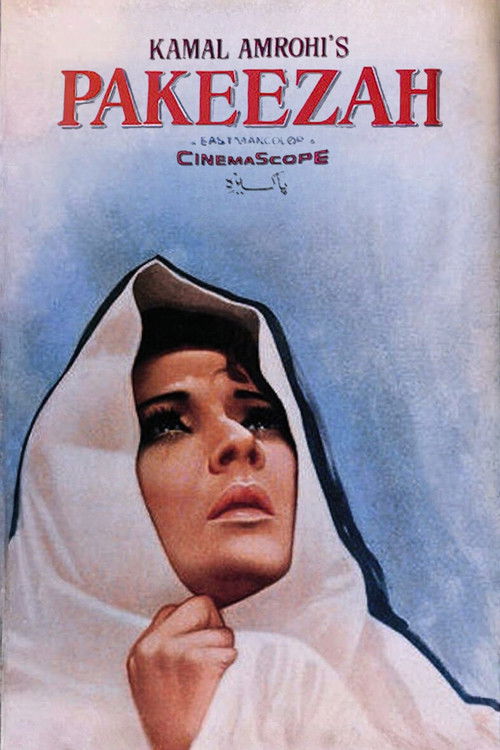
Pakeezah1972
Kamal Amrohi's final film, a romantic tragedy about a courtesan. Visually sumptuous in ways that echo Barsaat's beauty, and the songs are extraordinary. A late flowering of classic Bollywood style.
But Very slow. The narrative unfolds at a glacial pace, and melodrama can feel overwrought by modern standards.
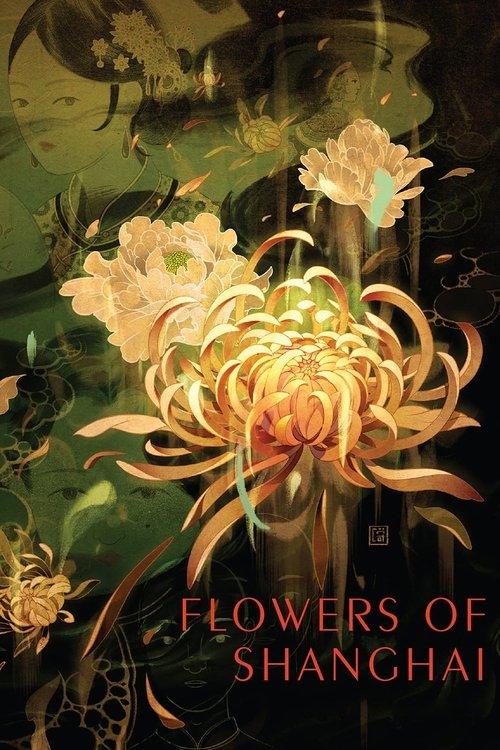
Flowers of Shanghai1998
Both films center female fidelity and male inconstancy; both use visual beauty to make suffering gorgeous and unbearable.
A Hong Kong film by Hou Hsiao-hsien made entirely in static wide shots, about courtesans and desire. Silent and painterly. It shares Barsaat's obsession with beauty and suffering but strips away narrative propulsion entirely—all mood and composition. Quietly radical.
But Almost incomprehensibly slow. No plot momentum. If you're watching for story, you'll be frustrated within fifteen minutes.
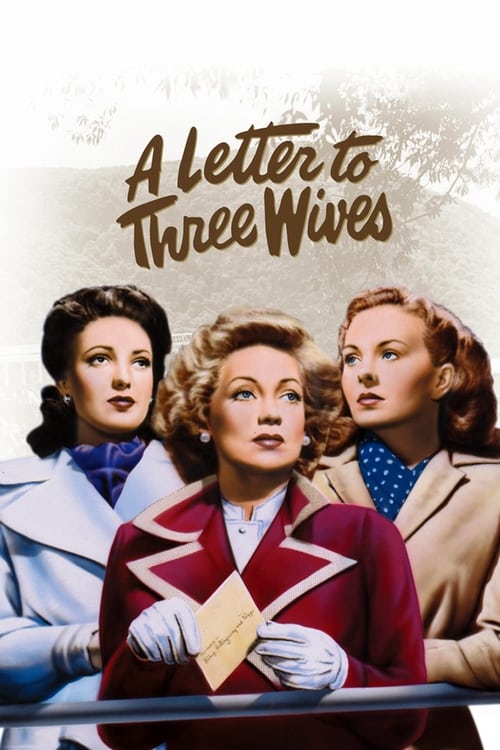
A Letter to Three Wives1949
Both hinge on the question of whether love survives separation; both use a woman's faithfulness as the moral center.
An American film noir from the same year, told in reverse. Three wives receive a letter from a woman claiming to have run away with one of their husbands. It's about the same emotional terrain as Barsaat—fidelity, suspicion, what we know about those we love—but through urbanity, wit, and withholding instead of earnestness and rain.
But The register is cynical where Barsaat is sincere. If you're seeking the emotional directness you found in Barsaat, this will feel evasive.
People
Cast
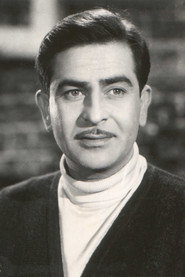 Raj KapoorPran
 NargisReshma
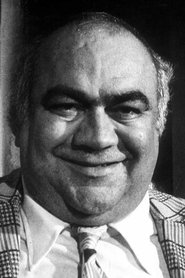 Premnath MalhotraGopal
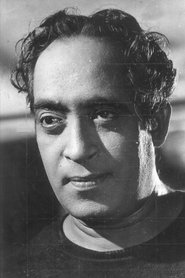 K.N. SinghBholu
 NimmiNeela
 CuckooRuby