
Film
Mamta
A 1966 Hindi melodrama about a woman separated from her lover by class and circumstance, raising their daughter alone while the man becomes a successful barrister. When their paths cross again years later, the film asks whether love and duty can be reconciled. Lush with music, emotionally baroque, deeply felt.
If you liked this
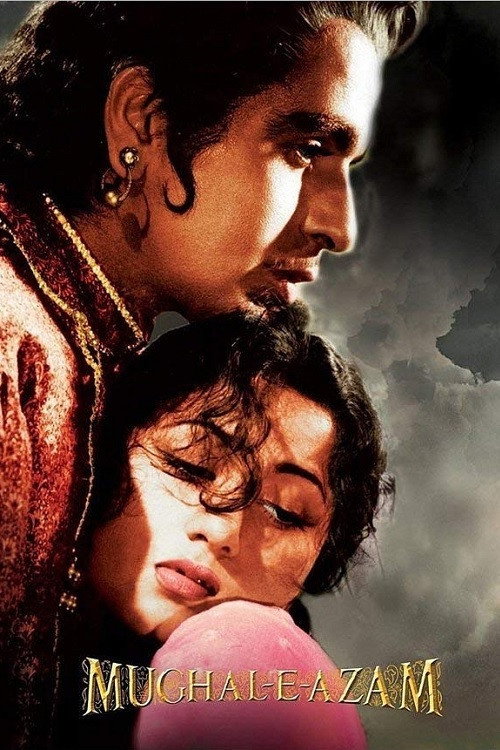
Mughal-e-Azam1960
Epic courtly romance with comparable scale, production values, and emotional stakes. Features Madhubala's luminous performance and extraordinary Technicolor cinematography. A masterpiece of Hindi cinema's golden age.
But At over three hours, the pacing is deliberate and operatic. If you prefer restraint to grandeur, the intensity may feel exhausting.
Guide1965
Shares Mamta's focus on a man and woman separated by circumstance and moral complexity, with Dev Anand delivering career-defining work. S.D. Burman's music is transcendent. A profound exploration of devotion and redemption.
But The narrative structure is fragmented and non-linear, which can feel frustrating if you want a straightforward story.

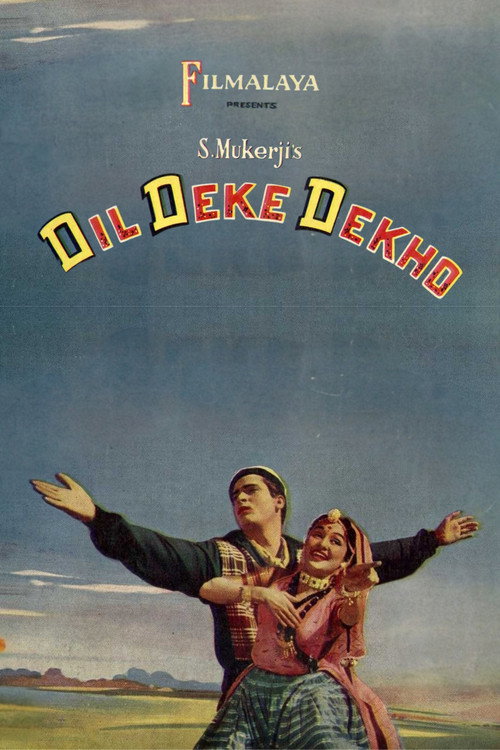
Dil Deke Dekho1959
Suchitra Sen (Mamta's lead) shines in this tender romance about love across class divides. Raj Kapoor is charming, and the film balances melodrama with genuine tenderness and humour.
But The ending is sentimental in a way that modern audiences sometimes find saccharine.
Not sure tonight? Get a pick in a minute, starting from Mamta
The wildcard
Something you would not have found on your own.
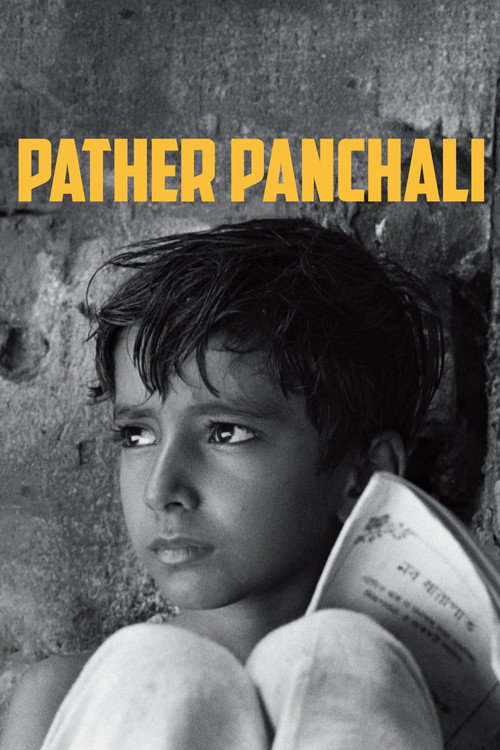
Pather Panchali1955
Both films centre motherhood and sacrifice in post-colonial India, but Ray strips away music and theatrical gesture to show what remains. Watching them back-to-back reveals how melodrama and realism are two languages for the same truth.
Satyajit Ray's Calcutta-set masterpiece about poverty, family, and love unfolds with a naturalism that makes Mamta's melodrama seem from another planet—yet both are exploring the same heartbreak. Ray's camera finds grace in ordinary suffering.
But It's in Bengali with subtitles, moves at its own contemplative pace, and offers no emotional catharsis—only acceptance. The opposite of spectacle.
More like this (7)
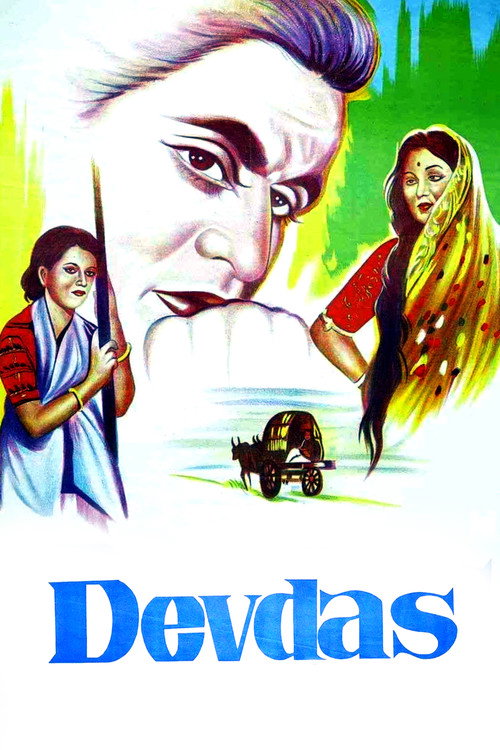
Devdas1955
Dilip Kumar and Suchitra Sen in a tragic love story where social convention destroys a relationship. The emotional devastation is unflinching, and the cinematography is ravishing. A defining work of Indian cinema.
But It's relentlessly bleak. There is no comfort here, only beautiful suffering.
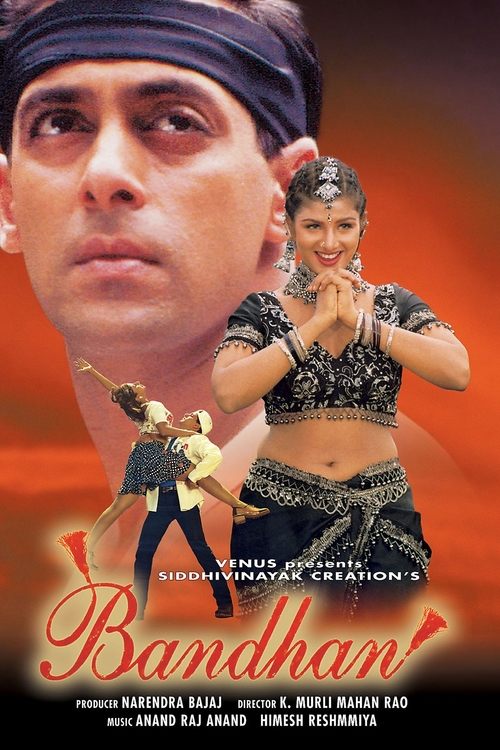
Bandhan1998
A modern reworking of similar themes—separation, maternal sacrifice, reunion—but with a contemporary sensibility. Ajay Devgn and Rekha anchor it with restraint and depth. Shows how the old story still resonates.
But The 90s production design and music may feel dated if you're watching from today.
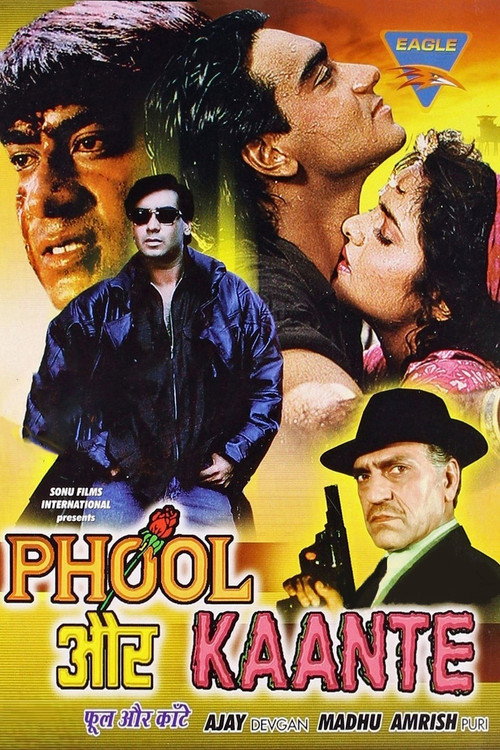
Phool Aur Kaante1991
A more recent take on class-crossed romance and separation, with Madhuri Dixit and Ajay Devgn. Updates the formula with modern sensibilities while respecting the emotional architecture.
But The shift in tone and style may make it feel less connected to Mamta's world than you'd want.
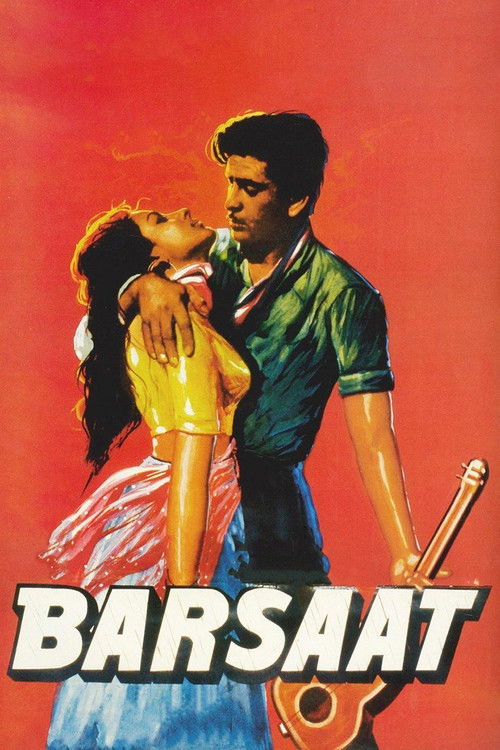
Barsaat1949
Raj Kapoor's directorial debut and a foundational text of post-independence Hindi cinema. Features a love story torn apart by misunderstanding and circumstance, with gorgeous monsoon-set sequences.
But At this age, the film stock shows wear, and some narrative choices feel archaic even by 1949 standards.
Seema1955
A quieter exploration of separation and reunion, with Ashok Kumar (Mamta's lead) in a role that mirrors some of the film's emotional terrain. Less ornate than Mamta but genuinely moving.
But Its subtlety can read as slow; the rewards require patience and investment.

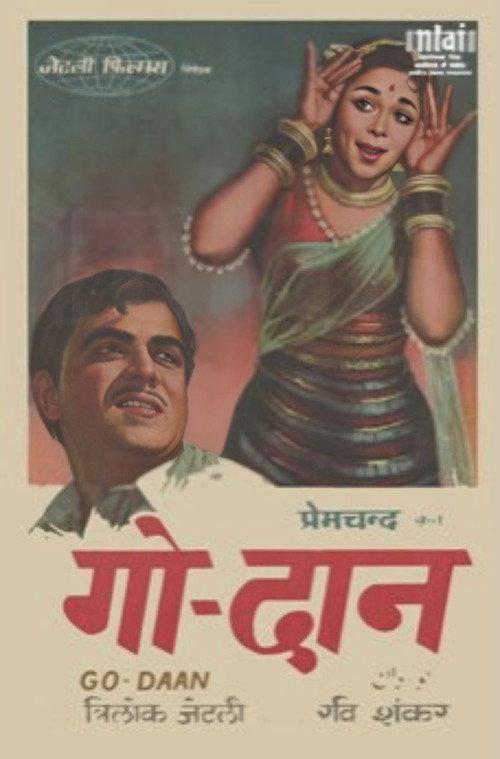
Godaan1963
Where Mamta wrings emotion from separation through music and star power, Godaan finds the same depths in silence and dust. Both ask what a parent will sacrifice; only one is watching someone survive it.
Adapted from Premchand's novel, this is Indian neorealism—a film about a poor peasant's impossible dreams that operates with documentary precision. Balraj Sahni's performance is heartbreaking without ever reaching for effect.
But The pacing is glacial and the mood is unrelentingly grim. There is no music, no glamour, no relief. Watching it is like holding your breath for two hours.
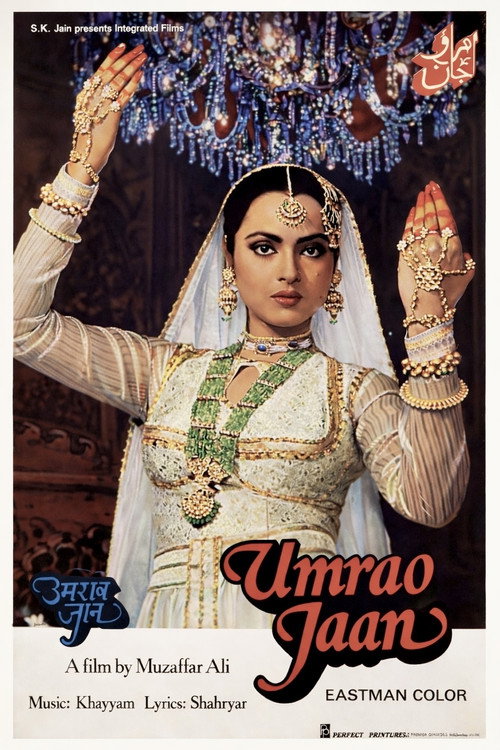
Umrao Jaan1981
Both feature a stunning lead performance from a woman raising a child alone while concealing her history from the world. But where Mamta is about reunion and redemption, Umrao Jaan is about the irretrievability of the past—how some stories cannot be rewritten, only remembered.
Rekha in the role of her life: a courtesan separated from her son, narrating a life of beauty and heartbreak. Muzaffar Ali's direction is painterly, the music is haunting, and the melancholy is exquisite. A film about performance, love, and the masks we wear.
But It's structurally a frame narrative that some find distancing. The pacing is deliberate to the point of stasis. And yes, it centres sex work, which shifts the context entirely.
People
Cast
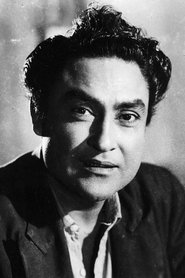 Ashok KumarManish Roy
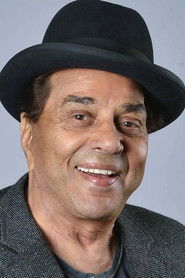 DharmendraBarrister Indraneel
 Suchitra SenDevyani - Pannabai / Suparna
- Kalipada ChakrabortyRakhal Bhattacharya
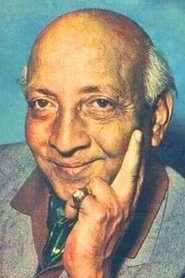 David Abraham CheulkarDoctor Abraham
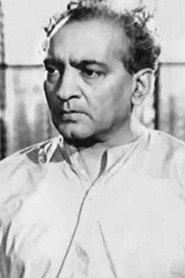 Pahadi SanyalProsecuting Lawyer
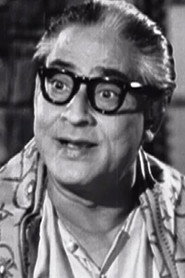 Bipin GuptaKantilal
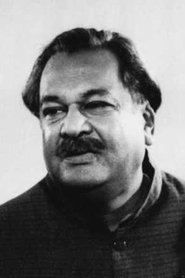 Asit SenMahadev Prasad
- Chaman PuriGhishta Babu - Devyani's dad
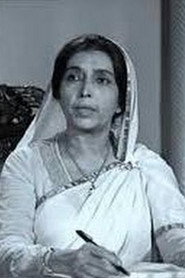 Chhaya DeviMinabai
- Pratima DeviMother Mary
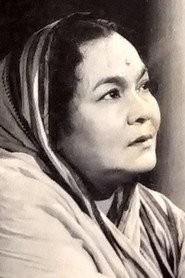 Rajlakshmi DeviGuest at party
Directing
- Asit SenDirector
Writing
- Krishan ChanderDialogue