
Film
Seema
A 1955 Indian social drama about an orphan girl sent to a reformatory for a crime she didn't commit, where a compassionate superintendent becomes her unlikely advocate. It's a sincere, earnest film about redemption and seeing the humanity in those society discards. For viewers drawn to character-driven stories about institutional systems and the power of one person's faith in another.
If you liked this
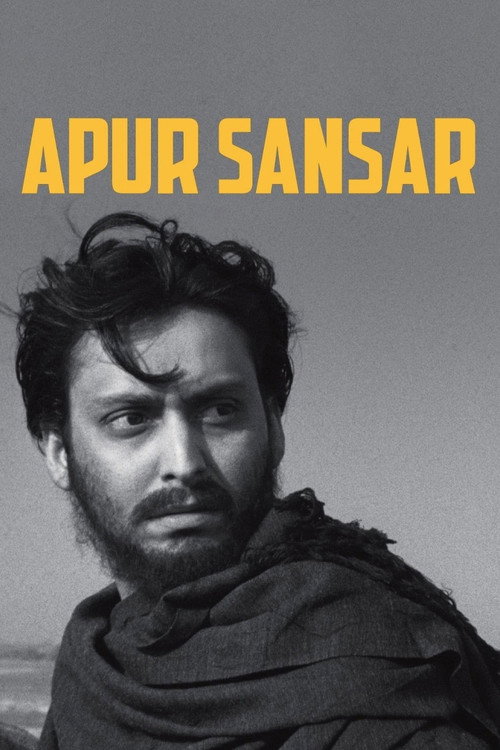
The World of Apu1959
Satyajit Ray's masterpiece tracks a young man navigating poverty, marriage, and fatherhood in Calcutta with tender humanism and documentary-like attention to daily life. A touchstone of world cinema and Indian film.
But Black and white, slow-paced, and almost three hours. It demands patience and rewards it, but some will find the pace meditative to the point of stillness.
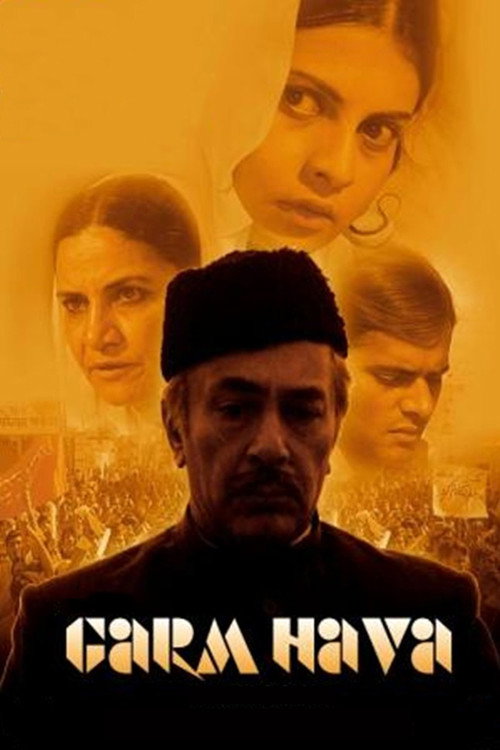
Garm Hava1973
M.S. Sathyu's story of a Muslim family navigating Partition and its aftermath is devastating and precise. It finds the personal within the historical without ever simplifying either.
But It's a period piece about communal trauma without cathartic resolution. If you need comfort from your stories, this isn't it.
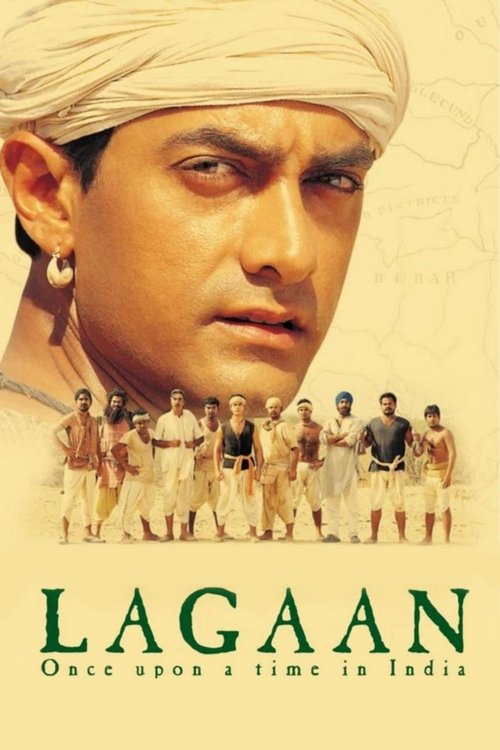
Lagaan: Once Upon a Time in India2001
An epic about peasants challenging colonial tax collectors through cricket. It's joyous and visually sumptuous, with real stakes and characters you come to love across its three-plus hours.
But Very long, and the cricket sequences require investment in the sport's rules to fully land. The scale can feel theatrical rather than naturalistic.
Not sure tonight? Get a pick in a minute, starting from Seema
The wildcard
Something you would not have found on your own.
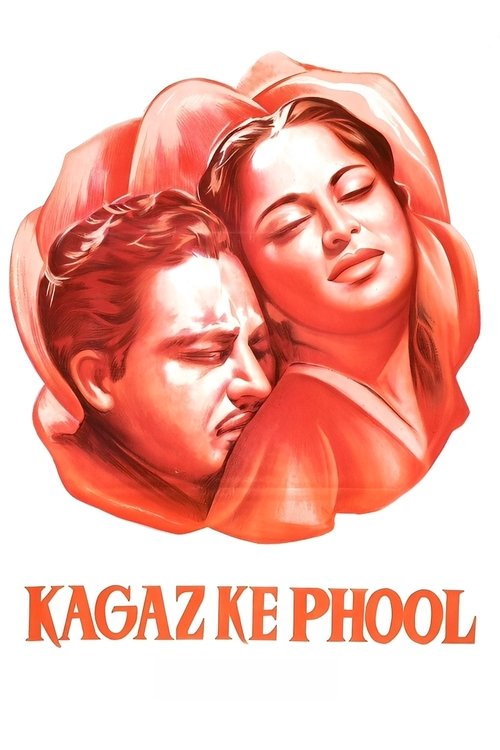
Kaagaz Ke Phool1959
Both center on powerful figures (superintendent, director) whose benevolence masks a dynamic of control. Both are about systems that claim to rescue while they shape.
Guru Dutt's film-within-film about a director and an ingénue is formally daring and visually ravishing. It's about power imbalance and the cost of art on the people making it, rendered as gorgeous melodrama.
But Deliberately baroque and self-pitying. If you want emotional restraint, this is the opposite—it performs and performs.
More like this (6)
Pather Panchali1955
Ray's debut follows a poor Bengali family with such gentleness and specificity that it redefined what cinema could be. It's about ordinary life made luminous.
But Nothing dramatic happens in the conventional sense. If you expect plot in the Western dramatic structure, you'll be frustrated.

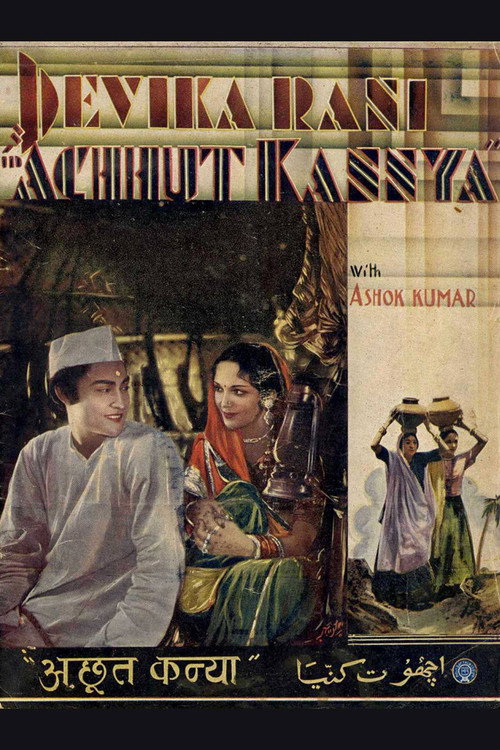
Untouchable Girl1936
A proto-reformist love story between an untouchable girl and an upper-caste boy. For 1936, it's radically progressive and emotionally engaging, with real songs and spectacle.
But The social positions are heavy-handed by modern standards. It's earnest in a way that reads as didactic.
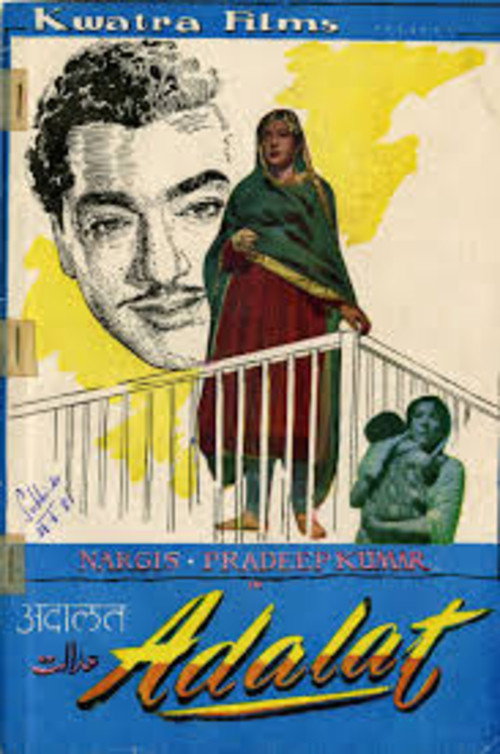
Adalat1958
A social drama about justice and corruption in an Indian courtroom. It has real moral weight and doesn't pretend the system works neatly.
But Earnest reformist cinema can feel like an argument rather than a story. This one stays on the right side of that line, but not by much.
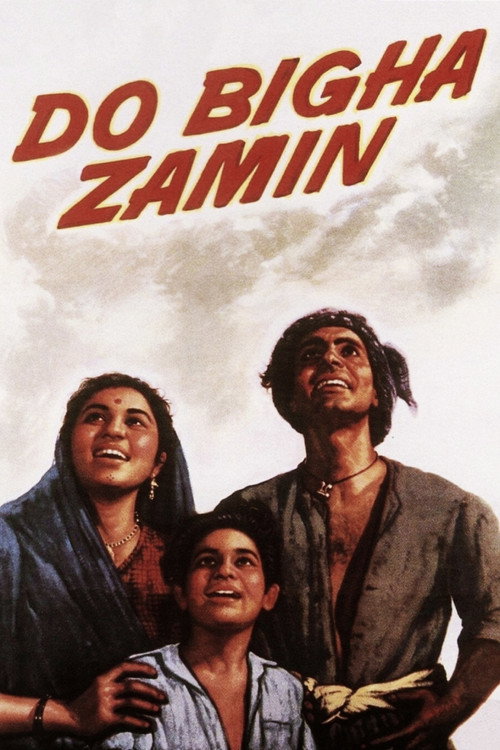
Two Acres of Land1953
Balraj Sahni in a film about agrarian dispossession and urban desperation. Raw and unflinching about poverty's geometry.
But Relentlessly grim. There's no relief valve, no moment where things lighten. It's designed to weigh on you.
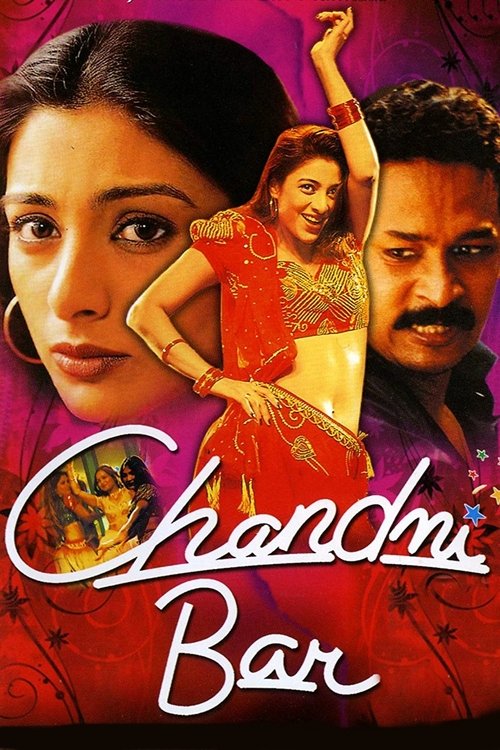
Chandni Bar2001
Both films examine institutions and the women inside them, but where Seema trusts in individual salvation, Chandni Bar argues the system is designed to destroy. Thematic inverse.
Madhuri Dixit in Madhur Bhandarkar's unflinching portrait of a dancer in Mumbai's sex trade. Structurally and thematically it's a reformatory story inverted—the system doesn't redeem, it consumes.
But Extremely raw about sexual exploitation and violence. Bhandarkar's cinema is hostile to the camera, and so are his subjects. Many will find it unwatchable.
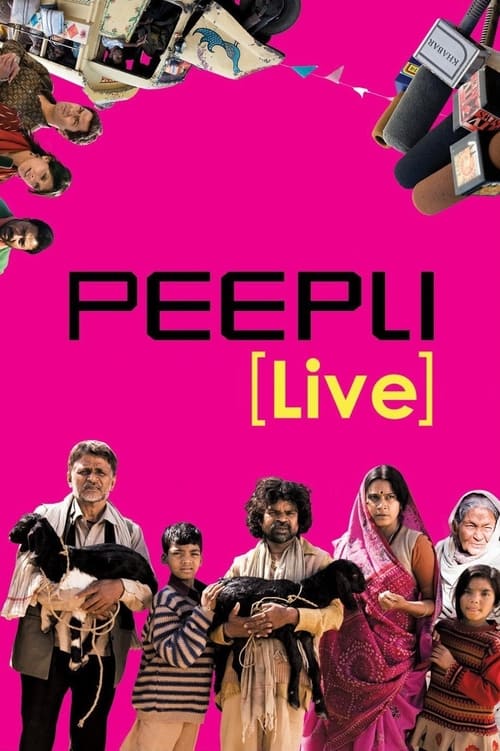
Peepli Live2010
Both follow society's discards (orphan, farmer) through systems that claim to help. Seema offers faith; Peepli live offers rage. Same landscape, opposite temperament.
A darkly comic documentary-style narrative about a farmer considering suicide to access agricultural compensation. It's funny and enraging and refuses easy sentiment about rural poverty.
But Gallows humor about real suffering. If the tone feels disrespectful to the subject, you won't recover from it. Also formally chaotic—realism and satire collide.
People
Cast
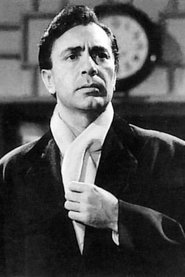 Balraj SahniAshok 'Babuji'
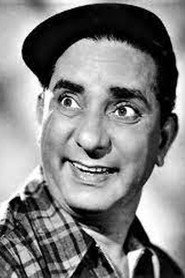 SunderMurlidhar
- Pratima DeviSuperintendent "didi"
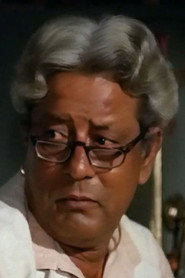 C.S. DubeyBanke Lal
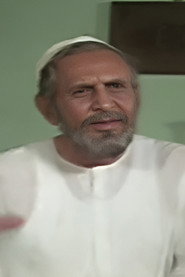 ShivrajKashinath
- KrishnakantRadha's Husband
- Praveen PaulMrs. Kashinath
 Shubha KhotePutli
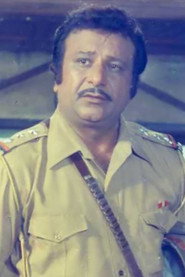 Jagdish RajDoctor
 NutanGauri
Directing
- Amiya ChakrabartyDirector
Writing
- Amiya ChakrabartyDialogue
- Hasrat JaipuriLyricist
- ShailendraLyricist
- Amiya ChakrabartyScreenplay
- Amiya ChakrabartyStory
Production
- Amiya ChakrabartyProducer