
Film
Adalat
Other titles called Adalat: the 1976 film.
- Social drama
- Very dark
A 1958 Indian melodrama about a young woman destroyed by circumstance and society's moral rigidity. Nargis commands the screen with devastating vulnerability as Nirmala, trapped between survival and respectability. It's a furious indictment of hypocrisy—the kind of film that turns anger into art. For anyone who loves morally serious cinema that refuses easy answers.
If you liked this
Devdas1955
Bimal Roy's masterpiece of doomed love and social cruelty. Dilip Kumar and Suchitra Sen burn through every frame; the film moves like tragedy at full speed. Essential Indian cinema that shaped everything after.
But At 214 minutes, it demands real time commitment. The melodrama is operatic—if you're looking for restraint, this isn't it.

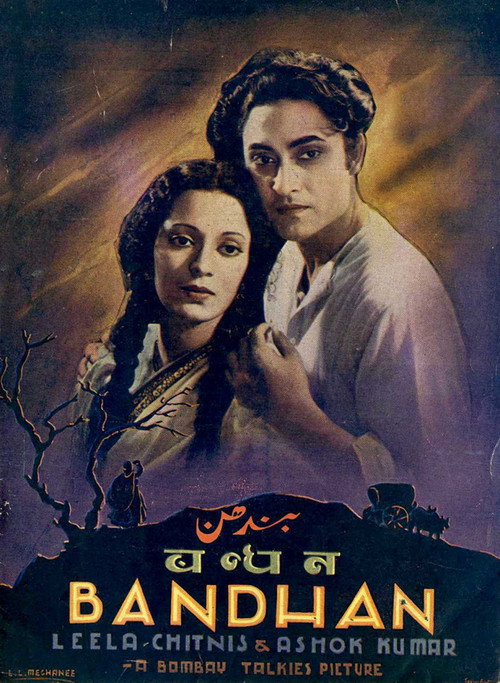
Bandhan1940
Released the same year as Adalat, it shares the same moral universe: women punished for poverty, families as sites of cruelty. Nargis again at the center, battling circumstance with quiet fury.
But The print quality can be rough and the pacing feels theatrical rather than cinematic. Not every scene moves.
Awaara1951
Raj Kapoor's defining film, equally invested in rage at injustice and the possibility of redemption. A orphan boy's journey through a corrupt system. Visually audacious and emotionally direct.
But It's long, structurally unconventional, and the dream sequences go on. Some will find it dated; others will find that part of its charm.

Not sure tonight? Get a pick in a minute, starting from Adalat
The wildcard
Something you would not have found on your own.
Pakeezah1972
Both are films about women destroyed by their family's shame, told with operatic intensity. Both insist that society's moral judgment is the real obscenity.
The ultimate Nargis spiritual successor: Meena Kumari as a courtesan's daughter trying to escape her birth. More visually sumptuous than Adalat, the canvas bigger, but animated by the same tragic logic. Raaj Kumar at his best. Cinema as pure emotional devastation.
But At 178 minutes, it's ornate to the point of excess. The melodrama is turned all the way up—if you want subtlety, this annihilates it. Some find it perfection; others find it overwhelming.

More like this (7)
Pyaasa1957
Guru Dutt's elegy for art, decency and love in a corrupt world. The cinematography is noir-influenced and ravishing. A poet destroyed by a society that has no room for him—thematically a soul mate to Adalat.
But Deeply pessimistic and slow-building. The mood is unrelenting sadness. Not a film for when you need cheering up.

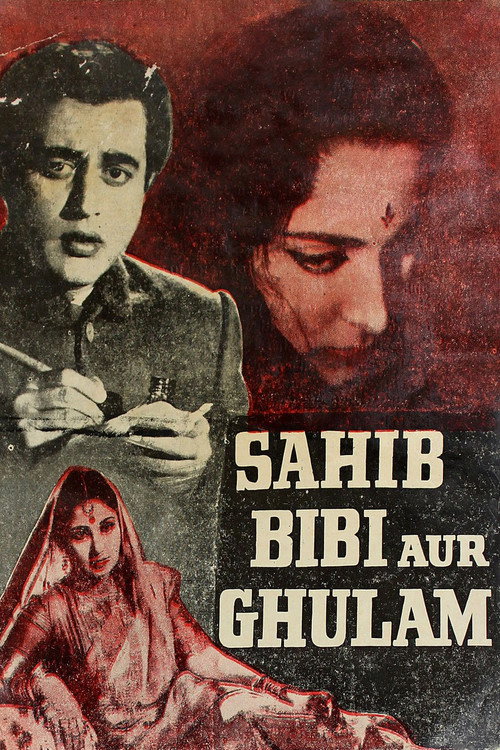
Sahib Bibi Aur Ghulam1962
A mansion, secrets, desire, and class collision. Rajesh Khanna and Meena Kumari at their best, with Guru Dutt directing. It's operatic family drama with genuine psychological depth underneath.
But The gender politics feel period-locked in ways that grate. Some moments are played for melodrama rather than insight.
Mirza Ghalib1954
A biographical film about the poet, but really a meditation on the artist's impossible position in an indifferent world. Beautifully shot; the comparison to Adalat's protagonist is illuminating.
But It's more contemplative than dramatic. If you want plot momentum, this moves at a poet's pace.

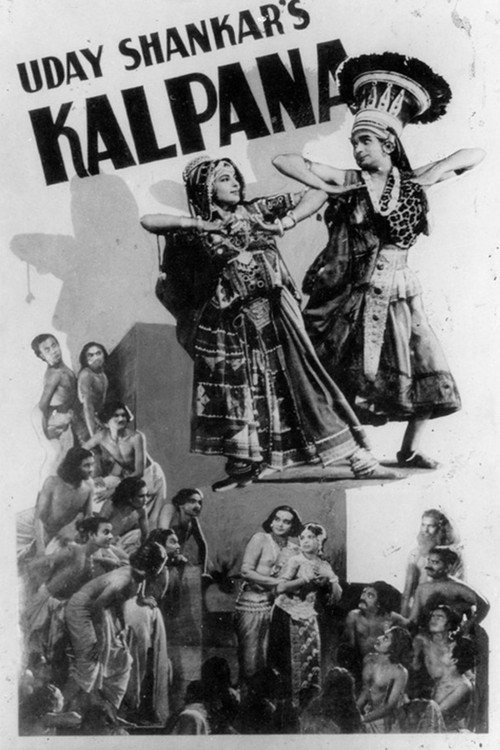
Kalpana1948
An early Nargis performance that shows her gift for playing women at the mercy of circumstance. A woman caught between two worlds; the emotional directness is striking.
But It's rougher around the edges than 1950s cinema. The print quality matters here, and it's not always pristine.
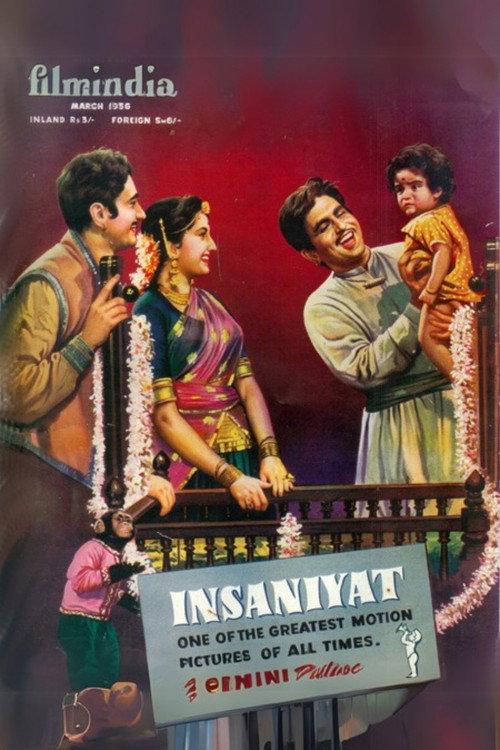
Insaniyat1955
Bela Bose as a woman battling poverty and moral judgment. Structurally simpler than Adalat but animated by the same moral fury. A solid second feature in this vein.
But It's minor compared to the others here. The direction is competent but uninspired. You're watching it for the theme, not for innovation.
Bandini1963
Both demand you see a 'fallen' woman as fully human. Both direct their moral outrage at society, not at the woman society has condemned.
Kalyani Aneurin as a woman in prison for a crime of passion. Rather than judge her, Bimal Roy's camera loves her—her complexity, her hunger, her refusal to be ashamed. The tonal opposite of Adalat's tragedy but animated by the same belief that women's interior lives matter.
But It's a character study more than a plot. Nothing happens; everything happens inside her. If you need external action, this will test your patience.

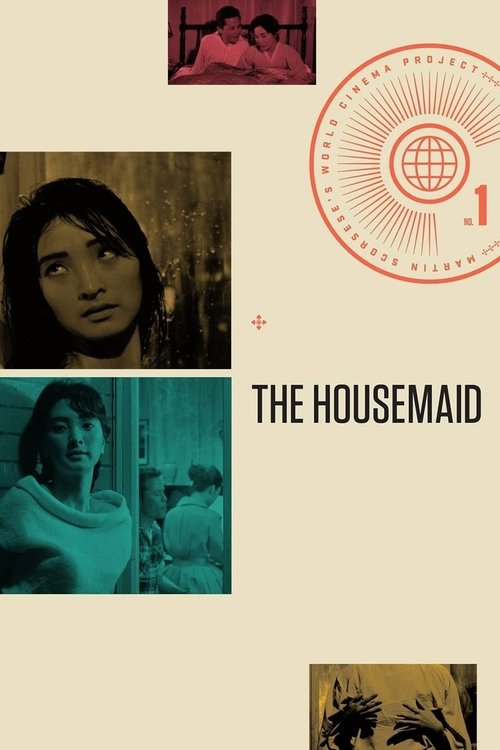
The Housemaid1960
Both use a woman's exploitation by her circumstances as the core of the film's moral argument. Both refuse the viewer the comfort of looking away.
Kim Ki-young's Korean masterpiece about a servant woman trapped in a household that treats her as disposable. A completely different cinema—tense, angry, visually precise where Adalat is melodic—but wrestling with identical questions: what does society owe women it has exploited?
But It's bleak and violent in a way Adalat isn't. The horror is psychological and sustained. Not a film that offers catharsis or hope.
People
Cast




Directing
- KalidasDirector