
Film
Kalpana
A 1948 Indian drama about a visionary dancer fighting to preserve classical dance forms while navigating professional ambition and romantic tension. Gorgeously mounted, deeply committed to its art—what it looks like when cinema itself loves dance. For anyone who's felt the pull of tradition against modernity, or watched artistry bloom under pressure.
If you liked this
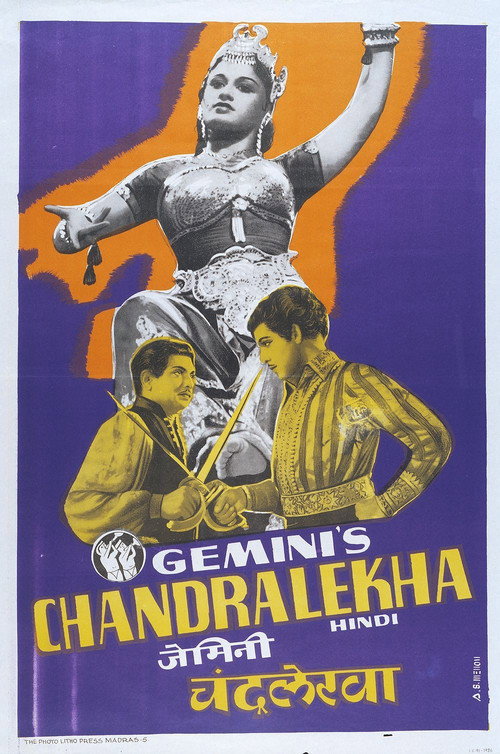
Chandralekha1948
Another Uday Shankar vehicle from the same year, equally lavish in its staging of classical dance and equally invested in the artist's struggle to keep tradition alive in a changing India.
But Released the same year as Kalpana and directed by S.S. Bhatnagar, it can feel like a shadow of the same conversation rather than a new one.
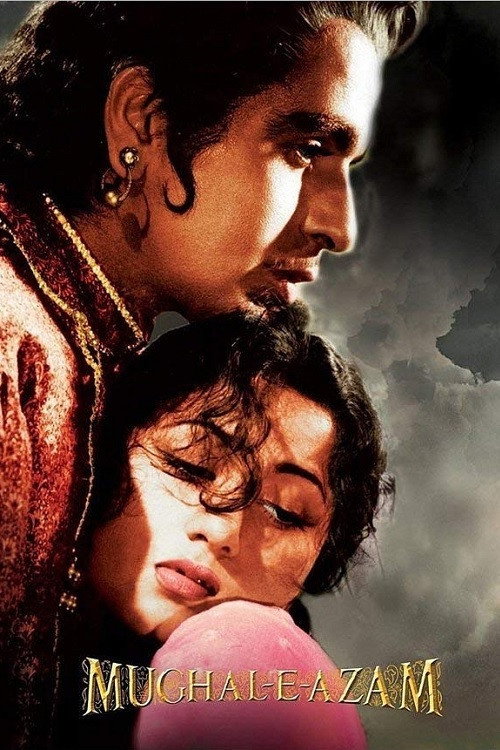
Mughal-e-Azam1960
Asif's epic uses dance and music as pure cinema, not documentation—the most famous Kathak sequence in Indian film history. Sumptuous, operatic, genuinely breathtaking in its ambition.
But Three and a half hours, and the narrative romance that frames the spectacle feels considerably thinner than the dancing itself.
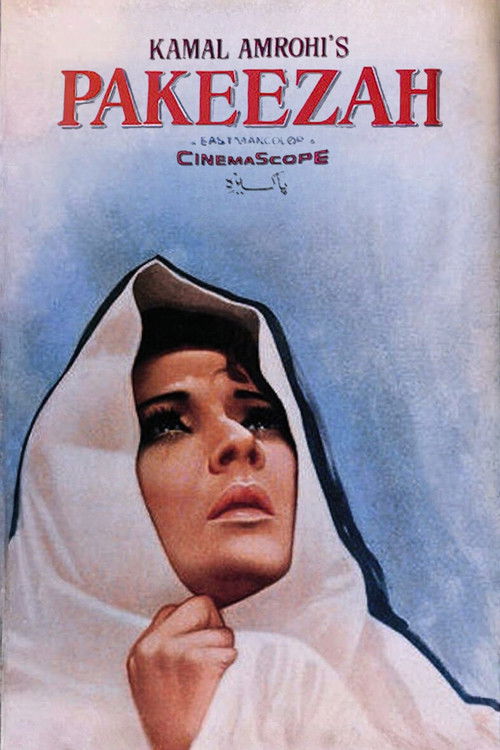
Pakeezah1972
A courtesan's daughter reclaiming dignity through classical dance. Kamal Amrohi's obsessive, gorgeously lit meditation on how dance can speak what the world won't let a woman say.
But Melodramatic in ways that can feel remote if you're not aligned with its emotional register. Very much a film of its era in its gender politics.
Not sure tonight? Get a pick in a minute, starting from Kalpana
The wildcard
Something you would not have found on your own.
The Red Shoes1948
Both made in 1948, both about artists sacrificing everything for their art; both films where dance sequences are not interruptions but the entire point. Both understand that cinema and dance speak the same language.
Powell and Pressburger's masterpiece, made in the same year as Kalpana but on another continent. Like Kalpana, it's a film that understands dance as cinema—not filmed theatre, but pure image and rhythm. The jealousy and ambition that frame the dancing are identical concerns.
But It's unapologetically European in its sensibility and myth-making. The gender politics read very differently—the woman's sacrifice is framed as tragic beauty rather than fought for.

More like this (8)
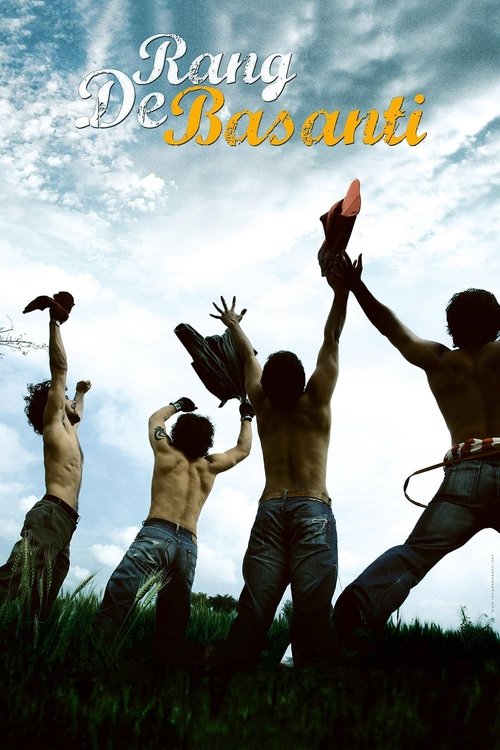
Rang De Basanti2006
Youth, art, and idealism collide with systemic corruption. Modern, angry, visually alive—it captures something about the gap between artistic dream and political reality that feels relevant to Kalpana's core tension.
But More conventional in structure and considerably less interested in the actual practice of art than in what art symbolizes.
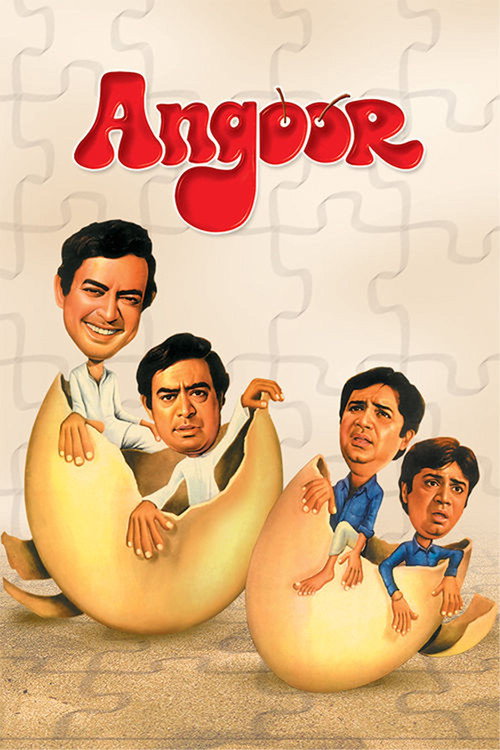
Angoor1982
Gulzar directs a Shakespearean comedy with grace and intelligence. The pleasure here is in the craft of filmmaking itself—editing, composition, timing—which aligns with Kalpana's love of formal beauty.
But It's light, even slight. If you're looking for thematic weight or narrative ambition, you'll feel the difference immediately.
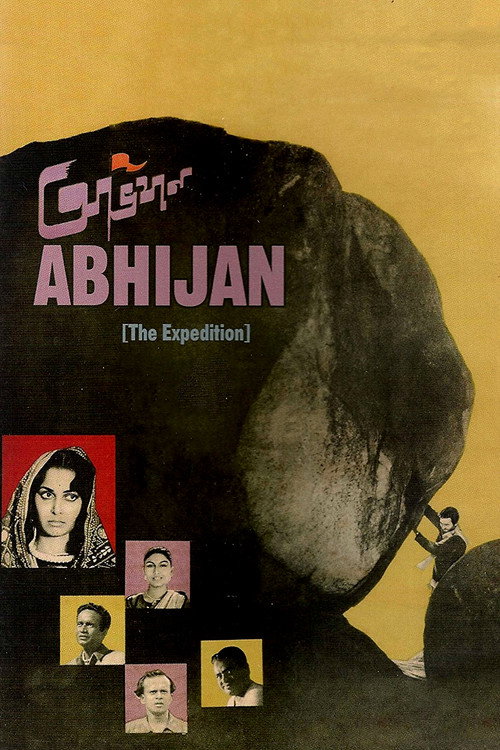
The Expedition1962
Ray's film about a taxi driver is a quieter, more realist cousin to Kalpana's concerns—how does an artist (or artisan) hold onto integrity when the world demands compromise? Beautifully observed.
But It moves slowly and doesn't offer much in the way of spectacle. The jazz score can feel dated rather than timeless.
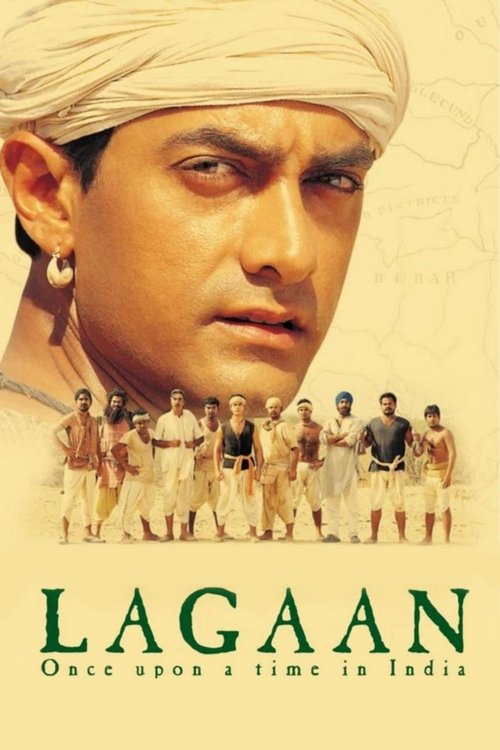
Lagaan: Once Upon a Time in India2001
Epic scope, village cricket as both sport and resistance, and a genuine love of Indian aesthetics. It shares Kalpana's belief that art and tradition aren't museum pieces but living, breathing arguments.
But Three and a half hours, and the romantic subplot can overshadow the themes you're actually watching for.
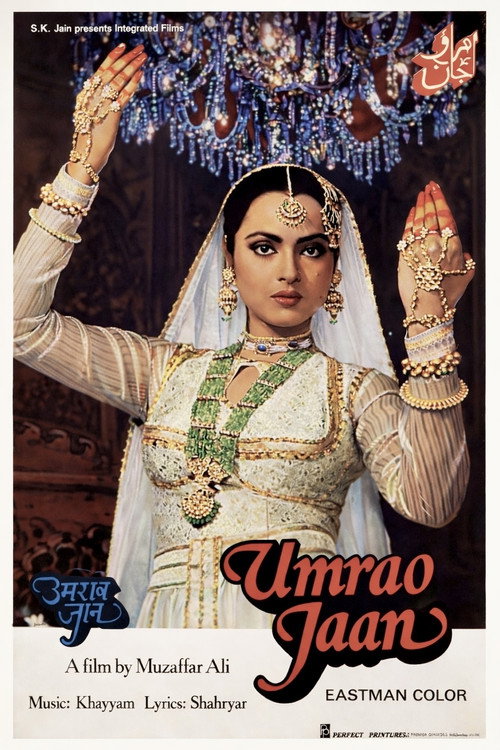
Umrao Jaan1981
Muzaffar Ali's film about a courtesan-poet, built almost entirely around classical music and dance. Hypnotic, deeply sensual, and completely committed to the power of artistic expression as resistance.
But The narrative is thin, almost ceremonial. If you need plot momentum, this film will feel frustratingly static.
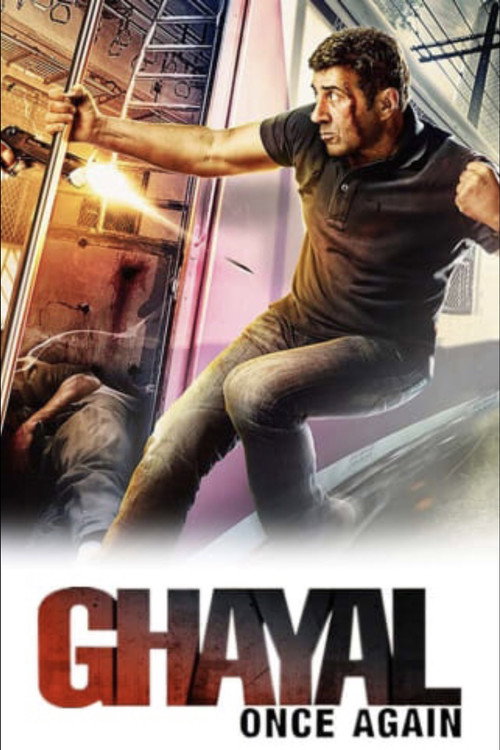
Ghayal Once Again2016
An action thriller about an artist-activist using cinema itself as a weapon. Not a dance film, but it shares Kalpana's conviction that art matters politically—that it's not decoration but argument.
But It's considerably more commercial and compromised in its thinking. The earnestness of Kalpana translates here as action-film sincerity, which is thinner.
In the Mood for Love2000
Both films use visual language—dance in one, mise-en-scène in the other—to express what words cannot. Both are about desire and professional dedication in tension with each other, and both trust the audience to read feeling through movement.
Wong Kar-wai's film about longing and restraint, built almost entirely from colour, composition, costume, and gesture rather than dialogue. Like Kalpana, it believes that how something looks and moves matters more than what is said. Achingly beautiful.
But It's deliberately slow, elliptical, and emotionally guarded. If you want narrative clarity or explicit emotional beats, this will feel evasive.

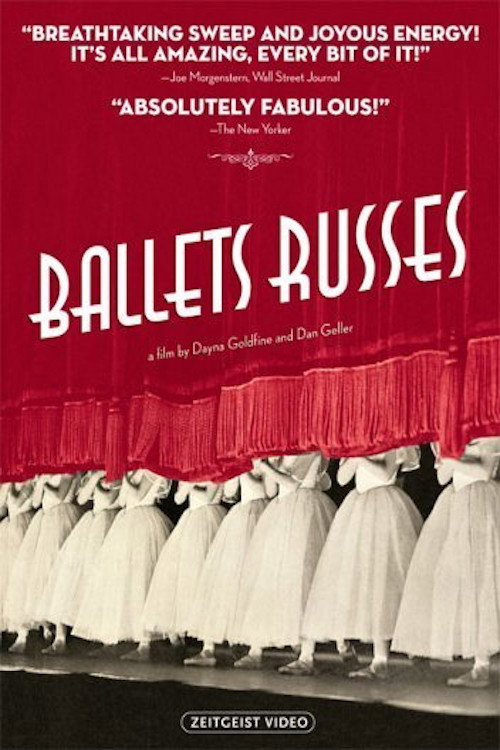
Ballets Russes2005
Where Kalpana imagines the passion and jealousy of dancers fighting to keep their art alive, this documentary lets actual artists, decades later, reflect on whether it was worth it. It's the same story, but real and reflective rather than dramatic.
A documentary about the last surviving members of the original Ballets Russes, aging dancers recounting a life in art. It's Kalpana's spiritual fact—the real cost and glory of what that 1948 film was imagining. Moving, funny, occasionally heartbreaking.
But It's a documentary, which is a completely different form. If you're watching Kalpana for the spectacle and romance, this is stripped-down and conversational by comparison.
People
Cast
- Lakshmi KantaKamini
 Uday ShankarUdayan & Writer
- G.V. SubbaraoDrawing Master
- Birendra BanerjiNoor
- Swaraj Mitter GuptaRamesh
- Anil Kumar ChopraMadan & School Teacher
- Brijo Behari BanerjiUma's Father
- Chiranjilal ShahGope
- Devilal SamarSundar
- K. MukerjeeGrandfather
- Dulal SenMama
Directing
- Uday ShankarDirector
Writing
- Sumitranandan PantLyricist
- Amritlal NagarScreenplay
- Uday ShankarStory
Production
- Uday ShankarProducer
- A.K. SekharProduction Designer