
Film
The Expedition
A North Indian taxi driver returns home seeking reinvention but becomes entangled in a businessman's criminal underworld of smuggling and trafficking. This 1962 Bengali-language film moves with deliberate grace, building moral complexity through character rather than melodrama. It's for viewers who value restraint and social observation over plot velocity, and who trust cinema that thinks slowly.
If you liked this
Pather Panchali1955
Satyajit Ray's foundational masterpiece about rural poverty and resilience shares The Expedition's unhurried gaze and faith in human dignity amid harsh circumstances. Essential viewing for understanding Bengali cinema's moral compass.
But At over two hours with minimal plot, it demands patience. The deliberate pacing and lack of conventional drama can feel static to viewers trained on faster narratives.

The Music Room1958
Another Ray film featuring Soumitra Chatterjee in a meditation on decay, tradition, and a man's struggle against social and economic collapse. The same actor, the same philosophical depth, the same Bengali sensibility.
But More interior and psychologically opaque than dramatic. You're watching a mind deteriorate rather than following an external plot.

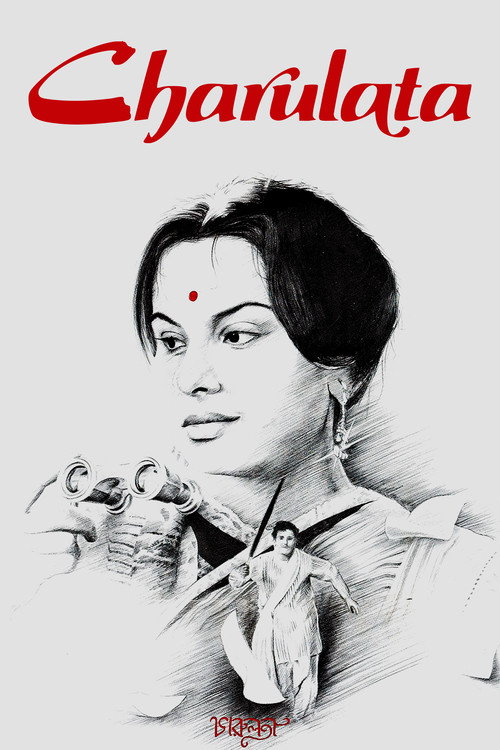
Charulata1964
Ray again, exploring marital tension and emotional awakening through precise observation rather than confrontation. The same commitment to finding cinema in stillness and glances that defines The Expedition.
But Intimacy can feel claustrophobic. The film privileges emotional nuance over event, which some find monotonous.
Not sure tonight? Get a pick in a minute, starting from The Expedition
The wildcard
Something you would not have found on your own.
Vasantasena1941
Both films use the story of a woman caught between legitimate and illegitimate worlds—prostitute, courtesan, victim—as the fulcrum for examining social hypocrisy and the cost of survival. The Expedition updates Vasantasena's classical dilemmas into modern India.
An adaptation of a Sanskrit play from the 2nd century that arrived in cinema decades before The Expedition. It grapples with the same tension between desire, duty, social class, and criminal entanglement, but through classical theatrical tradition rather than contemporary realism.
But The theatrical register feels alien; performances are stylized. The moral logic operates differently from naturalistic drama, which can read as mannered.
More like this (6)
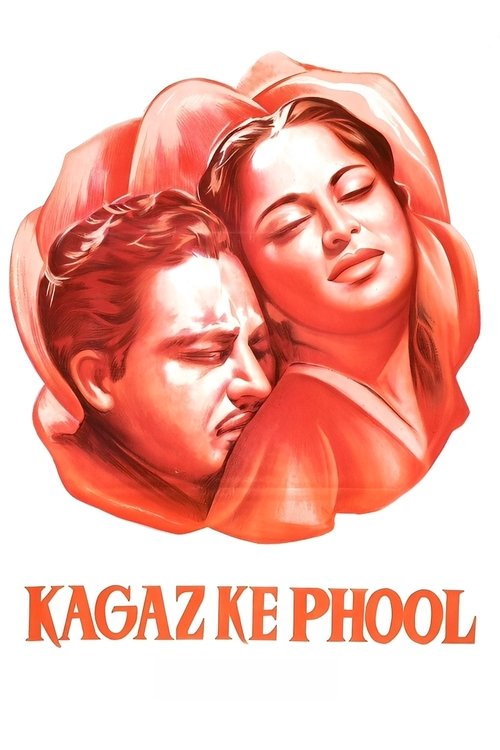
Kaagaz Ke Phool1959
Guru Dutt's tragic portrait of a film director's fall from grace has the same interest in how systems grind individuals down. A parallel meditation on reinvention and failure in post-independence India.
But It's sentimental in ways The Expedition never is. The romanticism might feel overwrought if you're drawn to the earlier film's restraint.
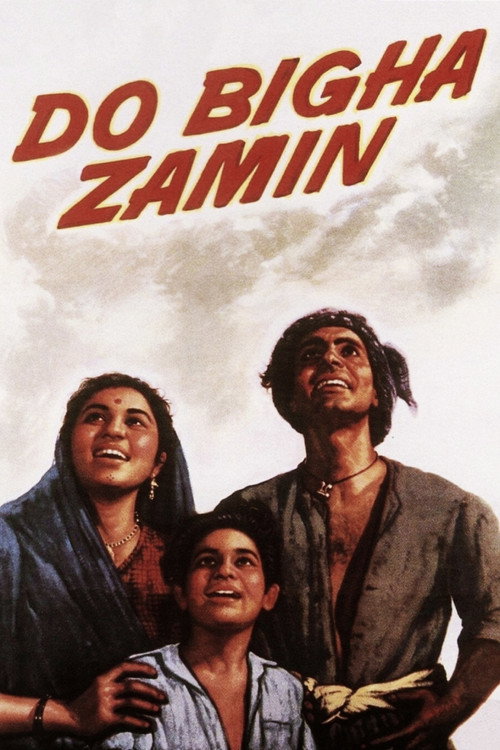
Two Acres of Land1953
Bimal Roy's neorealist masterpiece about a farmer's desperate journey to save his land captures the same social texture and concern with ordinary people crushed by larger forces.
But The social message can feel didactic. It's less interested in ambiguity than in showing you exactly what injustice looks like.
The Hero1966
Ray's character study of a film star during a train journey explores performance, authenticity, and self-deception. Chatterjee again, in a more acerbic examination of male ego and reinvention.
But Almost entirely conversational. If you need visual spectacle or incident, this will feel like eavesdropping on a philosophy seminar.

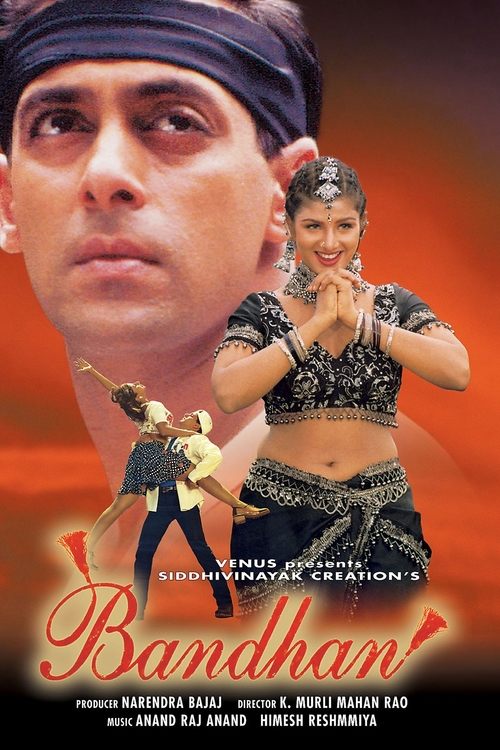
Bandhan1998
A later Hindi film that returns to themes of obligation, criminality, and entrapment in small-town India. Spiritual heir to The Expedition's interest in how social bonds become traps.
But Decades separate it from The Expedition's aesthetic. The sensibility has shifted; it may feel too modern or too much a conventional thriller by comparison.
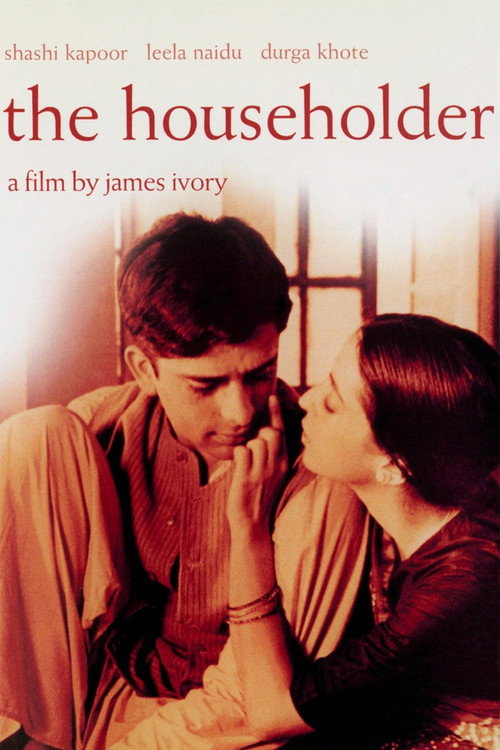
The Householder1963
James Ivory's early collaboration with Ismail Merchant, set in Delhi, captures the texture of post-independence Indian life and male anxiety about domesticity and social place with anthropological tenderness.
But It's made by foreign filmmakers, which inevitably creates a degree of observational distance. Some find that perspective reductive.
Memories of Murder2003
Both films embed their narratives inside a specific place and moment, showing how systems of power (police corruption, criminal networks, class indifference) are woven into the texture of daily life. They're interested in how ordinary people navigate structures designed to corrupt them.
Bong Joon-ho's investigation into serial murder in 1980s South Korea operates with the same patient accumulation of social texture and moral ambiguity. A thriller that trusts stillness and observation over excitement.
But It's a genre film—darker, more violent than The Expedition. The modernity and formal sophistication might feel too contemporary, too confident.

People
Cast
 Soumitra ChatterjeeNarsingh
 Waheeda RehmanGulabi
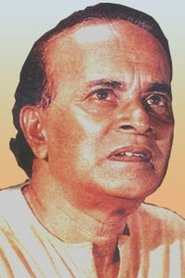 Rabi GhoshRama
 Ruma Guha ThakurtaNeeli
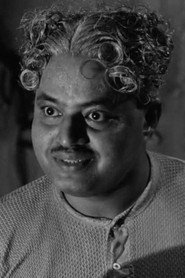 Charuprakash GhoshSukhanram
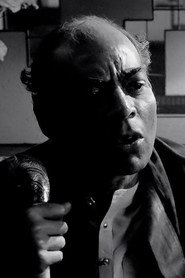
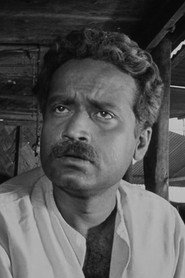 Gyanesh MukhopadhyayJosef
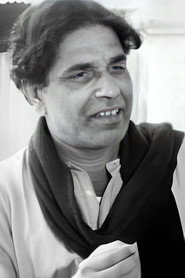 Shekhar ChattopadhyayRameshwar
 Reba DeviJosefs' Mother
- Arun RoyNaskar
Directing
- Nityananda DattaAssistant Director
- Satyajit RayDirector
Writing
- Tarasankar BandyopadhyayNovel
- Satyajit RayScreenplay
Production
- Bhola Nath RoyProducer