
Film
The Hero
Satyajit Ray's examination of celebrity and authenticity, set almost entirely on a train. A famous actor and a young journalist interview each other across a single night, peeling back layers of performance and pretence. Elegant, quietly devastating, and fascinated by the gap between the person we show the world and who we actually are. For anyone who believes cinema can be intelligent without being cold.
Should you watch it?
Watch it if you find yourself more absorbed by a conversation than by plot, and like stories where a famous face slowly shows its nerves, vanity and loneliness in close quarters.
Skip it if you need constant incident or a sweeping canvas, since this is a talky, mostly confined piece that stays on a train and between its two voices.
What it asks of you: Two hours of close listening, unhurried and mostly in one cramped space, where the mood shifts by degrees as the performance slips and the talk grows more candid.
Not sure? Find tonight's pick in a minute.
If you liked this
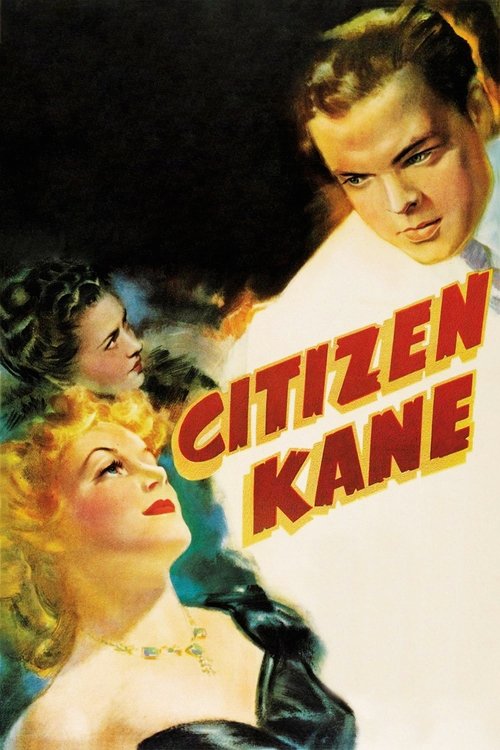
Citizen Kane1941
The foundational deconstruction of celebrity and image-making. Like Ray's film, it assembles a portrait through fragmented perspectives and probes the hollowness beneath charisma and success.
But At 119 minutes, it moves deliberately. The black-and-white cinematography and 1940s pacing demand patience from modern viewers.
Contempt1963
Godard's film about a marriage collapsing on a film set, also interested in the distance between public performance and private feeling. Both films use confined spaces to trap characters with uncomfortable truths.
But Godard's style is deliberately fractured and alienating. If you want emotional clarity, this will frustrate you.

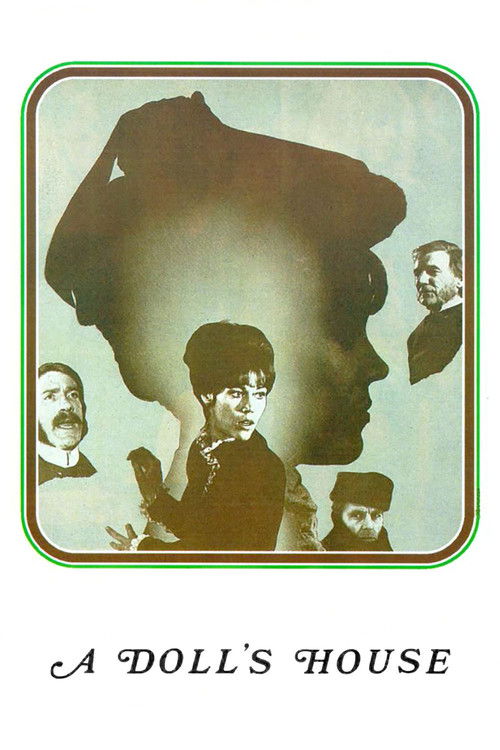
A Doll's House1973
Joseph Losey's adaptation, like Ray's work, centres on a woman confronting a man with the reality of who he really is. Both films are fascinated by the moment masks slip and honesty becomes dangerous.
But Deliberately theatrical and claustrophobic. Some find the play's structure too schematic, even in cinema form.
Not sure tonight? Get a pick in a minute, starting from The Hero
The wildcard
Something you would not have found on your own.
Mulholland Drive2001
Both use the night and confinement to expose the gap between public persona and private self; Lynch simply weaponises that gap with formal strangeness.
Lynch's film is also about celebrity, identity, and performance in a confined nocturnal space—but filtered through fever dream logic instead of realism. Both films dismantle the fantasy we construct of famous people, but Lynch uses surrealism where Ray uses conversation.
But Deliberately obscure and structurally fractured. It resists interpretation and many find it maddening rather than illuminating.

More like this (8)
Stalker1979
Tarkovsky's meditation on desire, meaning, and the self. Like The Hero, it's a journey film where conversation and interiority matter more than plot. Both ask what we're really searching for.
But Extremely slow and philosophical. Expect long takes and minimal external action; it's purely interior.

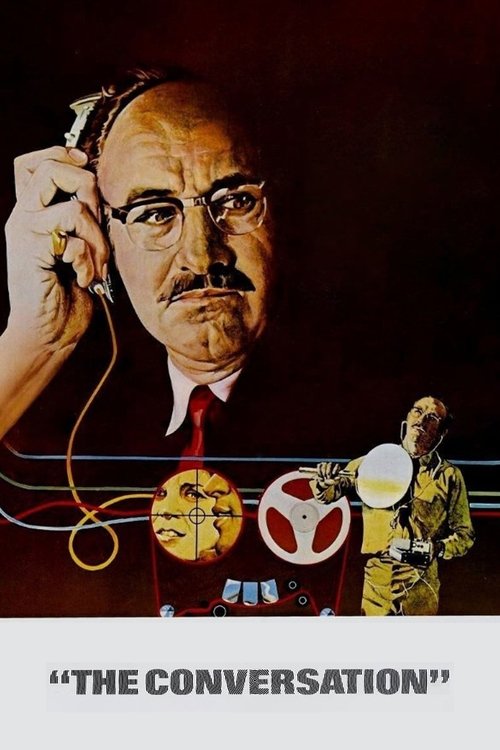
The Conversation1974
Coppola's thriller about surveillance and the ethics of exposure. Ray and Coppola share an interest in what happens when someone's private self is forced into the light, and the guilt that follows.
But Deliberately paranoid and murky in tone. It doesn't offer catharsis, just unease.
Amarcord1973
Fellini's memory film about performance and self-deception in Italian life. Like Ray, Fellini understands that we're all playing roles, and cinema is the art of revealing that.
But Episodic and surreal. It doesn't have a traditional plot, and some sequences feel indulgent rather than illuminating.
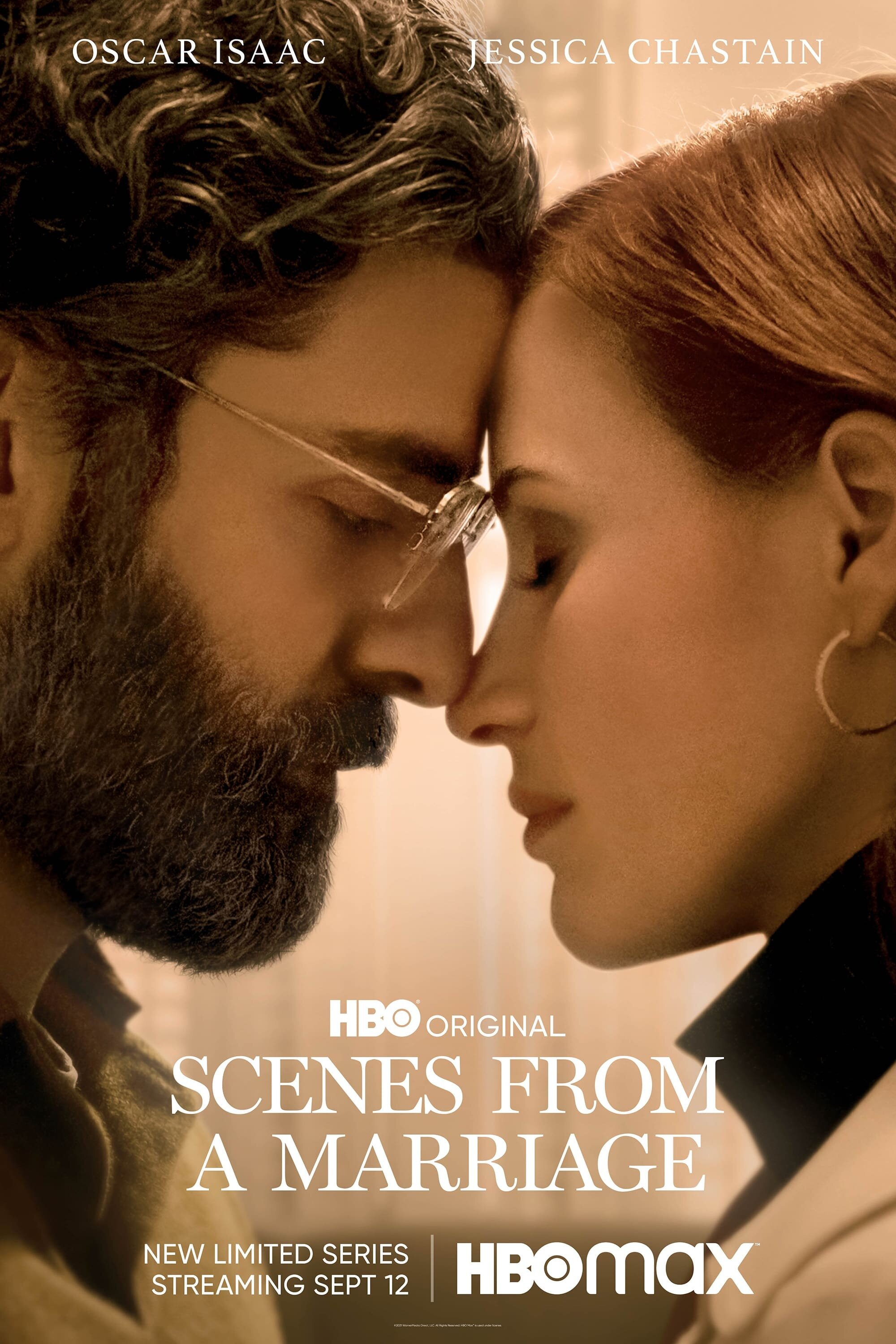
Scenes from a Marriage2021
Bergman's miniseries is almost entirely two people in conversation, stripping away pretence across an evening. The intimacy and emotional nakedness echo Ray's central dynamic.
But Brutally honest about marriage and desire. If you need your cinema comforting, this will wound you.
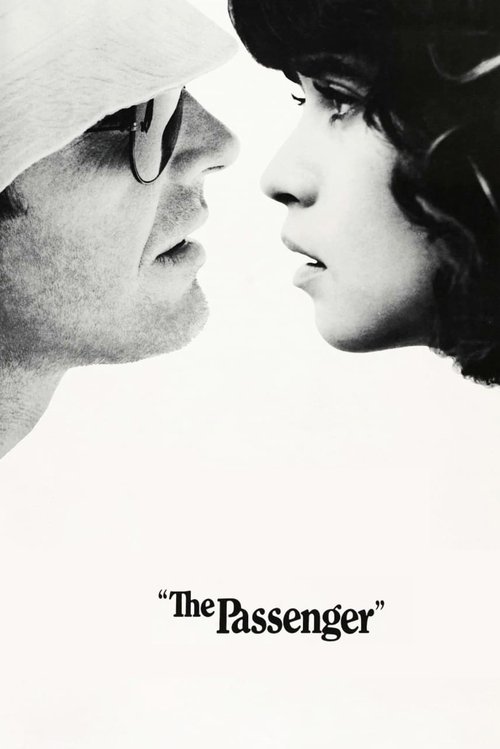
The Passenger1975
Antonioni's film about identity and impersonation, where a man assumes another's life. Ray and Antonioni share a melancholic fascination with surfaces, performance, and what lies beneath.
But Very slow and visually abstract. It withholds emotional payoff and asks you to sit with ambiguity.
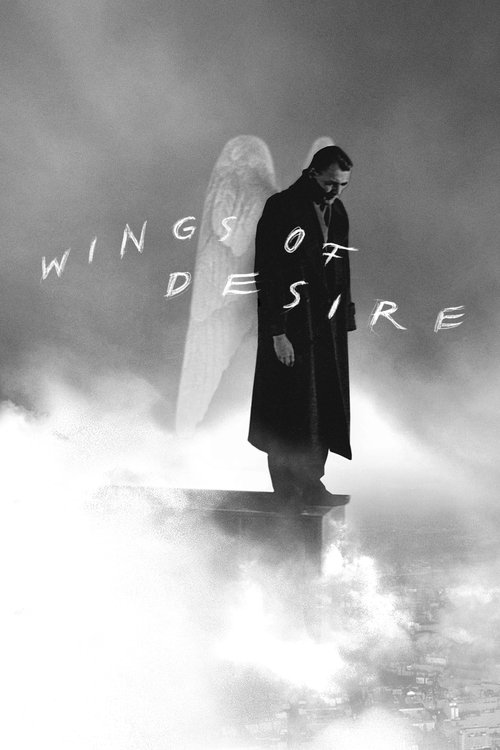
Wings of Desire1987
Wenders' meditation on observation, desire, and the gap between watching and living. Both films are gentler than their subject matter suggests, and both find poetry in the ordinary.
But Dreamy and impressionistic rather than dramatically driven. The philosophy can feel more important than the characters.
Pather Panchali1955
Same director, same era, same conviction that cinema's power lies in observing the interior lives of people usually ignored by art. The Hero is Ray looking at celebrity; this is Ray looking at ordinariness.
Ray's own earlier masterpiece about a family's small, ordinary tragedies. It shares The Hero's philosophical patience and visual precision, but focuses on poverty and childhood instead of celebrity. A foundation stone for understanding Ray's entire vision.
But The first film of a trilogy, and at 2 hours 5 minutes it moves at a pace designed to test commitment. Very slow cinema, made in 1955, in Bengali.

Ikiru1952
Both films hinge on a central character forced into uncomfortable self-revelation by circumstances. Both ask: who are you when you strip away professional identity? Both are quiet, observant, and morally serious about the answer.
Kurosawa's film about a dying man confronting the meaninglessness of his life. Like The Hero, it's fundamentally about the gap between the role we play and the person we are—and the terrible honesty that comes when we're forced to reckon with it.
But Emotionally devastating and offers no comfort. It's about mortality and wasted time, which is the opposite of entertainment.

People
Cast
 Uttam KumarArindam Mukherjee
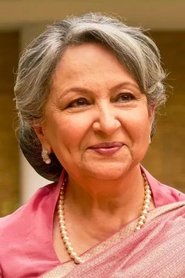 Sharmila TagoreAditi Sengupta
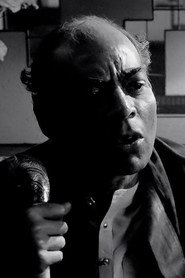 Bireswar SenMukunda Lahiri
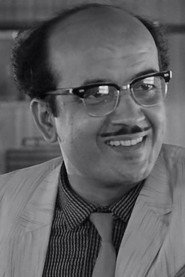 Kamu MukherjeePritish Sarkar
- Susmita MukherjeeMolly Sarkar
 Jamuna SinhaShefalika Devi
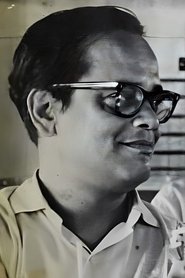 Subrata SensharmaAjoy Dev
- Ranjit SenHaren Bose
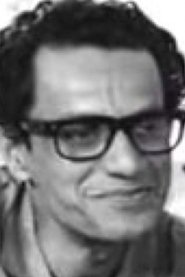 Premangshu BoseBiresh
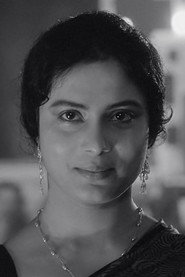 Sumita SanyalPromila Chatterjee
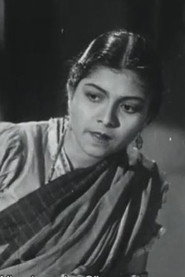 Bharati DeviManorama Bose
- Lali ChowdhurySairindhri Bose (Bulbul)