
Film
Kanchenjungha
Satyajit Ray's masterpiece unfolds in real time across a single day in Darjeeling, where a wealthy family encounters old friends and new tensions against the Himalayan peaks. It's a chamber piece about class, marriage, ambition and the weight of tradition in newly independent India. Gorgeously shot, often funny, always alive to the texture of ordinary life.
Should you watch it?
Watch it if you enjoy quiet, observant domestic drama where a family's tensions surface through talk and small gestures, and you don't mind a story that trusts a single day to carry its weight.
Skip it if you want momentum and a clear plot, because this moves at the pace of an afternoon's conversation and its tensions simmer rather than boil over.
What it asks of you: Roughly an hour and forty minutes of attention, mostly seated conversation, with its emotional weight arriving in glances and pauses rather than scenes that announce themselves.
Not sure? Find tonight's pick in a minute.
If you liked this
Pather Panchali1955
Ray's debut is essential cinema: a poor family's life across seasons, shot with such tenderness that poverty becomes beautiful. The foundation of everything that follows, including Kanchenjungha.
But It moves slowly and asks patience with hardship. Some find the pacing meditative; others find it testing.

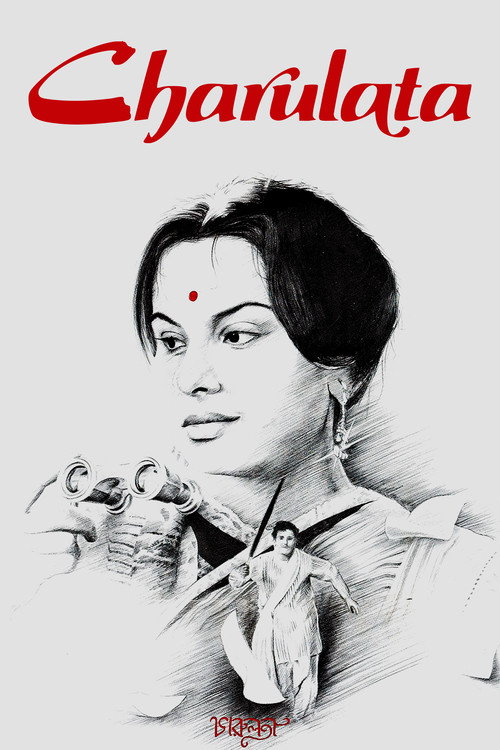
Charulata1964
Ray's most radiant film: a brilliant woman trapped in a loveless marriage discovers forbidden connection through literature. The camera moves with her mind. It's romantic and tragic and furiously intelligent.
But The emotional pain accumulates; the ending is devastating. It's not a comfort watch.
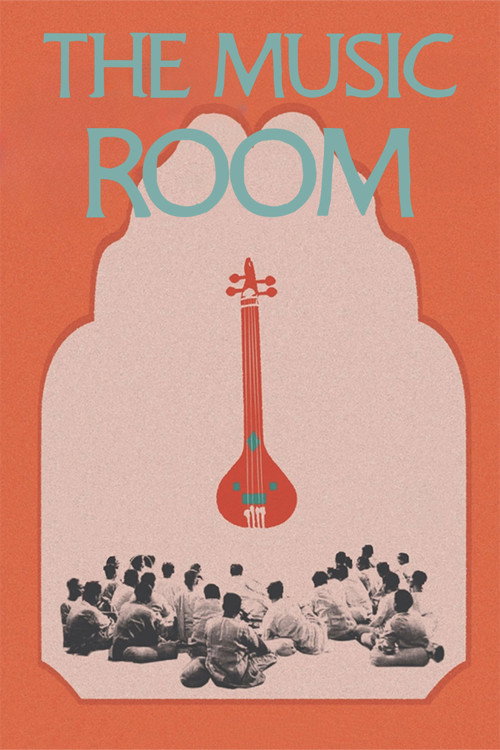
The Music Room1958
A decaying aristocrat throws a final grand concert in his dying mansion, even as his fortune crumbles. Ray dissects dying privilege with baroque elegance and genuine sadness—the flipside of Kanchenjungha's optimism.
But Very slow, very long stretches of music. If you're impatient with devotion to performance, it will test you.
Not sure tonight? Get a pick in a minute, starting from Kanchenjungha
The wildcard
Something you would not have found on your own.
Tokyo Story1953
Both films trust the camera to find truth in silence and routine. Both are real-time character studies of family in transition. Both directors photograph the world with such clarity that nothing feels false.
Ozu is Ray's spiritual ancestor: a film about old parents visiting their son, told with no plot, all behavior and presence. Like Kanchenjungha it finds profound humanity in the ordinary surface of a day.
But Japanese cinema from 1953; it moves with deliberate stillness. Western audiences often find it initially alienating, even when it becomes unforgettable.

More like this (6)
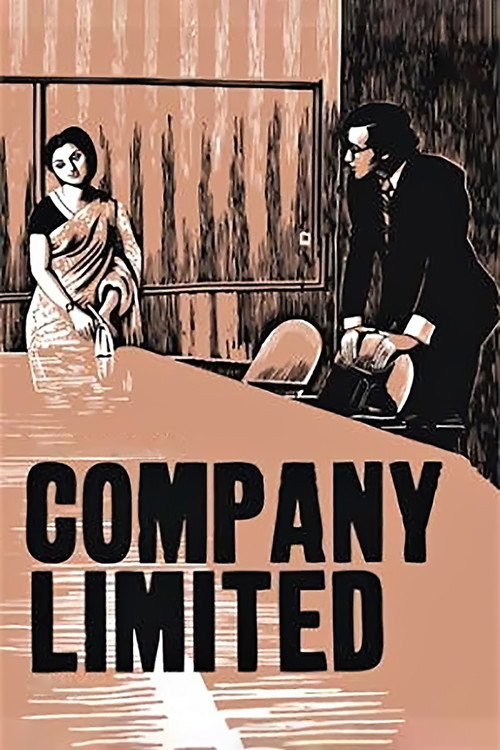
Company Limited1971
Ray turns his attention to Delhi's new corporate class: a young executive climbs by betrayal and compromise. Sharper and more caustic than his earlier work, it's Ray's dark mirror on postcolonial India's trajectory.
But Less poetic than his masterpieces. Some find it his most deliberately unpleasant film, which is rather the point.
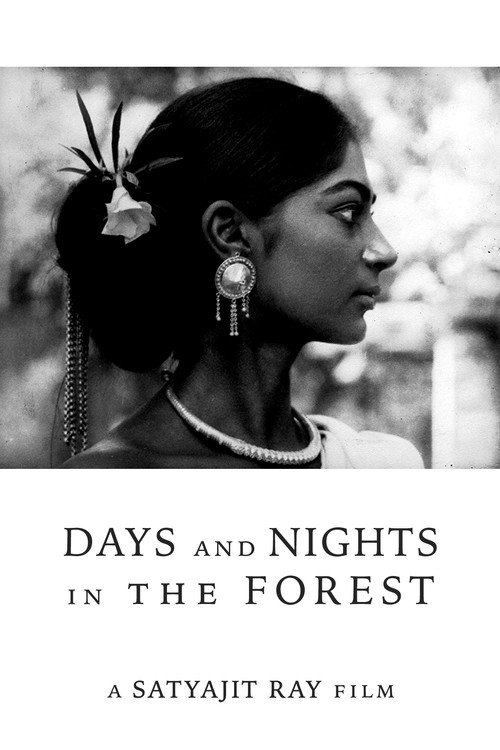
Days and Nights in the Forest1970
Four urban men escape to rural Bengal, where class and desire and difference detonate. Ray is funnier and sadder here simultaneously. It captures the exact texture of how people fail each other.
But The treatment of women will make modern viewers uncomfortable—though that's partly the film's theme.
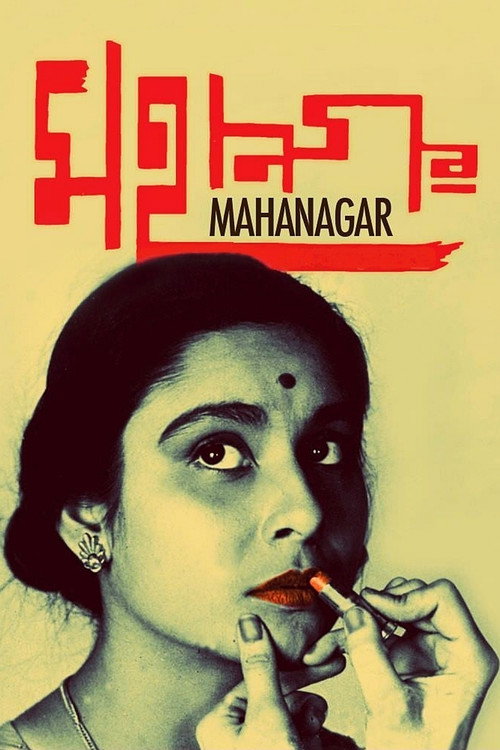
The Big City1963
A gentle film about a woman who becomes her family's breadwinner in 1950s Calcutta. Ray's warmth for his characters is palpable, and there's real comedy in small domestic moments.
But Slighter than his greater works. If you're seeking the crushing depth of Charulata or Pather Panchali, you'll find less here.
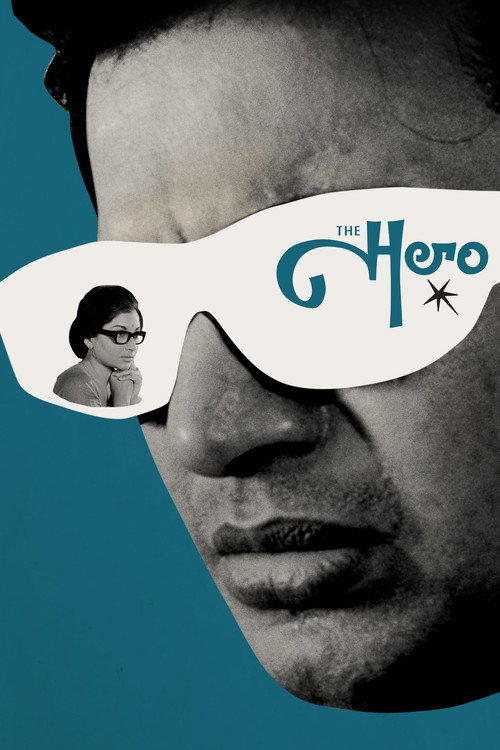
The Hero1966
A famous film star and a journalist spend a train journey together, and Ray maps the gap between the man and his persona. It's a swift, clever character study with real psychological insight.
But Confined to a train compartment for much of its length. If you need landscape and movement, the claustrophobia might frustrate.
A Prophet2009
Both examine ambition and class in systems larger than the self. Both watch a protagonist navigate impossible terrain and emerge changed, not transcendent. Both understand that survival often means moral compromise.
A young man climbs through prison hierarchy by intelligence and ruthlessness. It's taut, morally complex, brilliantly acted—a thriller about becoming someone you didn't intend to be. Modern cinema at its sharpest.
But Violent prison drama with sexual assault on screen. Visceral and bleak; nothing like Ray's gentle surfaces. Some find the pace exhausting.

Memories of Murder2003
Both are deeply rooted in their nation's specific postcolonial moment. Both watch intelligent people fail against larger forces. Both use landscape—mountains, rural villages, rain—as a mirror for internal states.
Bong Joon-ho's masterpiece: a serial killer investigation in 1980s South Korea that becomes an inquiry into power, corruption, and the helplessness of decent men in violent systems. Brilliant, brutal, unforgettable.
But A genuine horror film with graphic violence. Long, demanding, and the ending will stay with you in ways you cannot control. Not Ray's world at all.

People
Cast
 Chhabi BiswasIndranath Chaudhuri
 Karuna BanerjeeLabanya Roy Chaudhuri
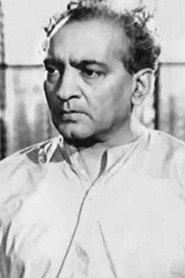 Pahadi SanyalJagadish
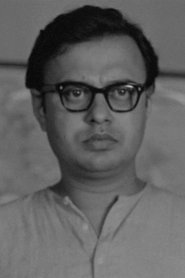 Anil ChatterjeeAnil
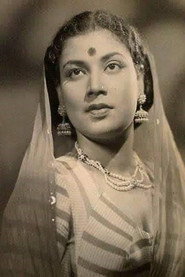 Anubha GuptaAnima
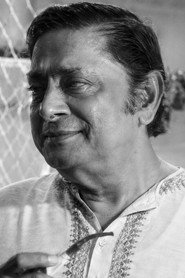 N. ViswanathanBannerjee
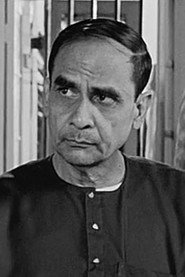 Haridhan MukhopadhyayShiv Shankar Roy
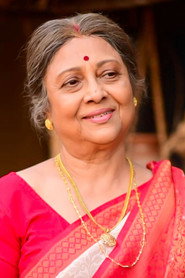 Alokananda RoyMonisha
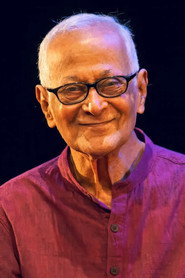 Arun MukherjeeAshoke
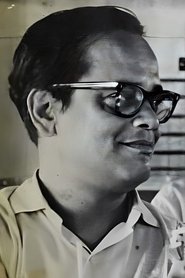 Subrata SensharmaShankar
- Nilima Roy ChowdhuriTuklu
Directing
- Nityananda DattaAssistant Director
- Satyajit RayDirector
Writing
- Satyajit RayScreenplay
- Satyajit RayStory
Production
- Satyajit RayProducer