
Film
The Big City
Satyajit Ray's intimate portrait of a Calcutta family in flux, as a woman's unexpected career as a saleswoman gently upends her traditional marriage. Quiet and observant, it finds comedy and dignity in small domestic moments while asking urgent questions about independence, pride, and what happens when circumstances force old arrangements to bend.
If you liked this
Pather Panchali1955
Ray's luminous debut follows a poor family in Bengal with the same tender attention to dailiness and human contradiction. If you loved *The Big City*'s gentleness and its refusal to judge, this is where it all began.
But It moves slowly and demands patience; some viewers find the pacing exhausting rather than meditative, especially in the first half.

Tokyo Story1953
Ozu's masterpiece shares Ray's gift for finding profound emotion in the ordinary—an aging couple visiting their son, small talk at dinner, the unseen weight of time. Both films trust their audiences completely.
But Neither film has plot momentum or dramatic peaks. If you need something to *happen*, these can feel like watching paint dry.

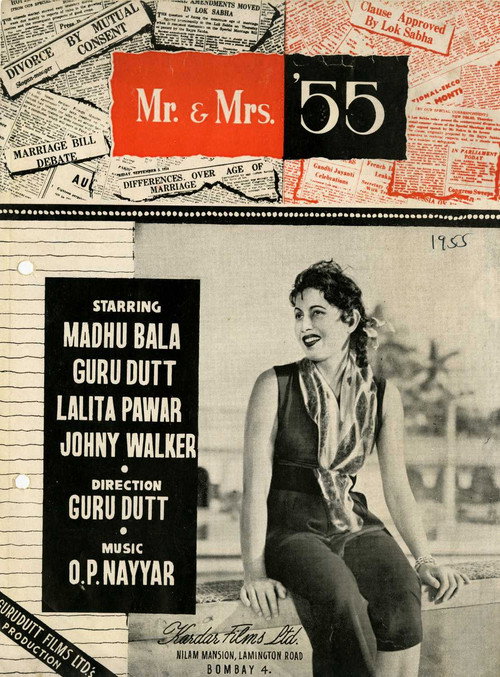
Mr. & Mrs. '551955
An earlier Indian film about marriage, modernity, and a woman's place, shot with warmth and humour. It offers a fascinating companion piece to *The Big City*'s quieter exploration of the same tensions.
But The tone is lighter and more romantic, which some find charming and others find evasive about the real stakes involved.
Not sure tonight? Get a pick in a minute, starting from The Big City
The wildcard
Something you would not have found on your own.
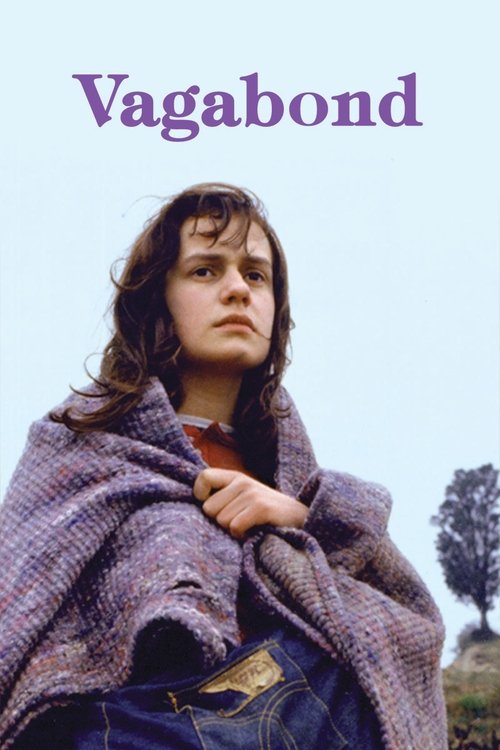
Vagabond1985
Both films centre a woman's independence as the real story; both refuse to make her likeable in conventional ways, and both are more interested in contradiction than redemption.
Agnès Varda's film works backwards from a woman's death to ask who she was—a structure that mirrors *The Big City*'s quiet inquiry into female autonomy. But where Ray is tender, Varda is defiant and sometimes harsh. Stunning and necessary.
But It's bleak, formal, and political in ways that can feel cold. The handheld documentary style and the deliberate lack of a heroic narrative arc upset viewers seeking warmth.
More like this (6)
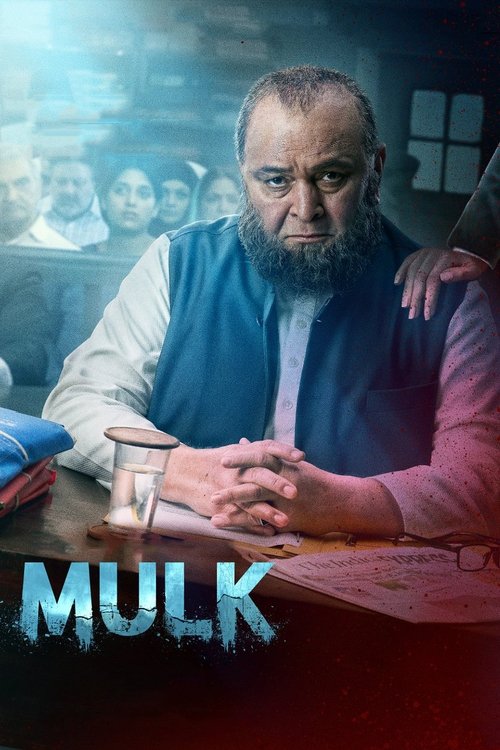
Mulk2018
A contemporary film about dignity, family reputation, and an Indian woman (Taapsee Pannu) fighting to reclaim her agency. It's a spiritual descendent of *The Big City*, wrestling with the same questions about who gets to decide.
But It's considerably more didactic and political; subtlety gives way to courtroom drama, which dilutes some of the impact.
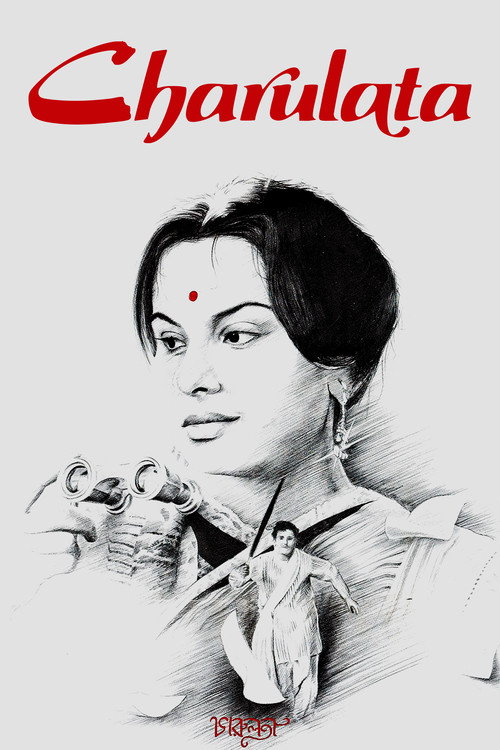
Charulata1964
Another Ray gem, this one about an intelligent, bored wife discovering intellectual and emotional awakening through writing. It's *The Big City*'s spiritual twin—equally attuned to the inner lives of women caught between worlds.
But The ending is ambiguous and somewhat melancholy in a way that leaves some viewers frustrated rather than moved.
The Seventh Seal1957
Bergman's existential meditation finds the profound in ordinary conversation and human connection, much like Ray. Both filmmakers refuse easy answers about how to live.
But Bergman's tone is far more darkly philosophical; there's no warmth here, and the reach can feel pretentious if it doesn't land for you.

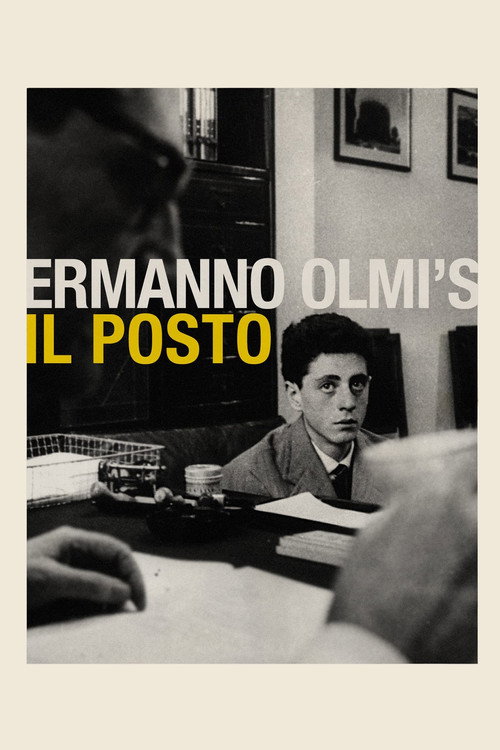
Il Posto1961
Olmi's debut captures the small humiliations and unexpected joys of ordinary working life with Ray-like compassion. A young man's first job becomes a story about dignity and belonging.
But It's Italian neorealism, so it's deliberately unglamorous and can feel slow to viewers accustomed to narrative momentum. Also quite rare on streaming.
Kes1970
Both films trust their audiences to feel the weight of a life without underlining it. Both are structured around moments of small freedom and the systems that threaten them.
Ken Loach's film about a working-class boy and his hawk has nothing to do with marriage or sales, yet it operates from the same conviction: that ordinary lives contain everything worth filming. Devastating and alive.
But It's set in a bleak Yorkshire school, shot in a grainy documentary style, and ends badly. If you're seeking comfort or prettiness, this isn't it.

Jeanne Dielman, 23, quai du Commerce, 1080 Bruxelles1976
Both films centre on a woman's labour—paid and unpaid—as their subject, and both ask quietly: what does it cost her? What does she get in return? Akerman just makes the form as demanding as the subject itself.
Chantal Akerman's three-hour portrait of a woman going about her week—cooking, cleaning, sex work—sounds deadly and is actually hypnotic. Like Ray, Akerman finds the revolution in the everyday, but she does it through radical form: this is cinema that insists you *look* at what women do.
But It is genuinely three hours of a woman mostly in silence, doing domestic tasks. It is not for anyone seeking plot, dialogue, or conventional entertainment. Your patience will be tested.

People
Cast
 Madhabi MukherjeeArati Mazumdar
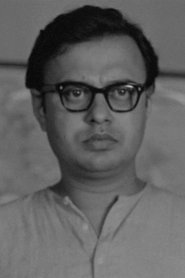 Anil ChatterjeeSubrata Mazumdar
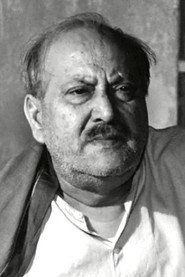 Haren ChatterjeePriyogopal Mazumdar
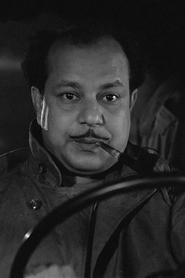 Haradhan BandyopadhyayHimangshu Mukherjee
 Vicky RedwoodEdith Simmons
 Jaya BachchanBani Mazumdar
- Sefalika DeviSarojini Mazumdar
 Prasenjit SarkarPintu Mazumdar
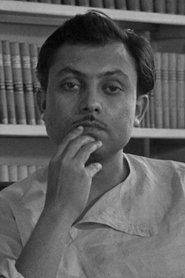 Shyamal GhoshalAnupam
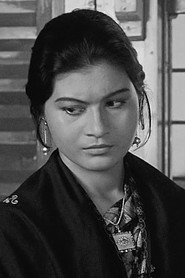 Gitali RoyAnupam's Wife
 Tapan ChatterjeeSubrata's Colleague
Directing
- Satyajit RayDirector
Writing
- Satyajit RayScreenplay
- Narendranath MitraShort Story
Production
- R.D. BansalProducer