
Film
Native Land
A 1942 political semidocumentary with Paul Robeson's narration and songs, exposing labor exploitation and civil liberties violations across America. Shot with lyrical beauty, it's a manifesto dressed as cinema—urgent, angry, and formally daring. For anyone who believes art should provoke and agitate, not just comfort.
Should you watch it?
Watch it if you are drawn to documentary-style filmmaking where archival texture, Paul Robeson's voice and songs, and a sharp political argument carry the emotional weight more than any conventional plot.
Skip it if you want a tight narrative with characters who develop over time, since this is built as a montage of testimony and dramatized vignettes that can feel scattered and didactic.
What it asks of you: Under ninety minutes, it asks you to sit with stern, earnest argument and slow scenes of hardship, and to accept being lectured rather than being entertained.
Not sure? Find tonight's pick in a minute.
If you liked this
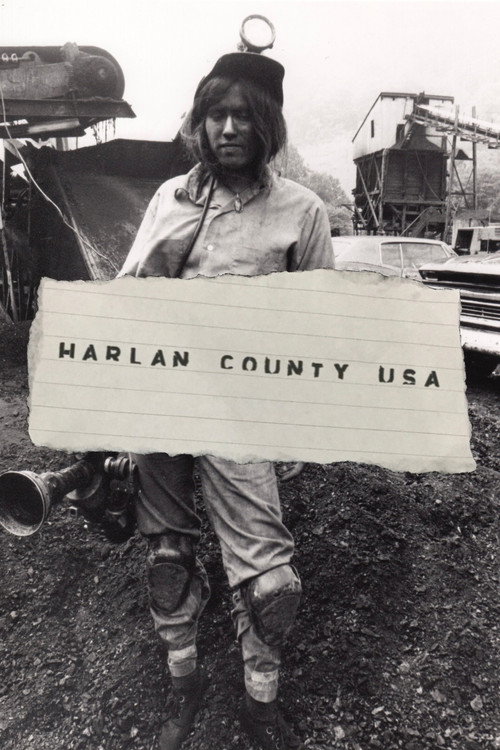
Harlan County U.S.A.1976
A documentary about a Kentucky coal miners' strike that captures the same fury at injustice and solidarity among the exploited. Ballads, hard faces, and the weight of American labor struggle told with stunning intimacy.
But It's slow and uncompromising—there's no narrative arc, just the grinding reality of people fighting to eat. Some will find it exhausting rather than moving.
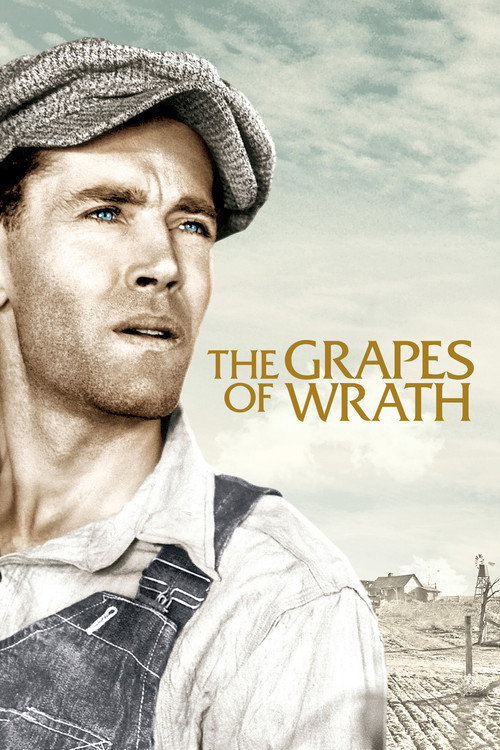
The Grapes of Wrath1940
Steinbeck's Oklahoma migrant workers brought to screen by John Ford at his most empathetic. Poverty, displacement, and dignity. It shares Native Land's rage at systemic cruelty, but with narrative momentum that makes it more accessible.
But The ending feels soft compared to the book—Hollywood required some uplift. If you want unvarnished despair, Steinbeck's novel hits harder.
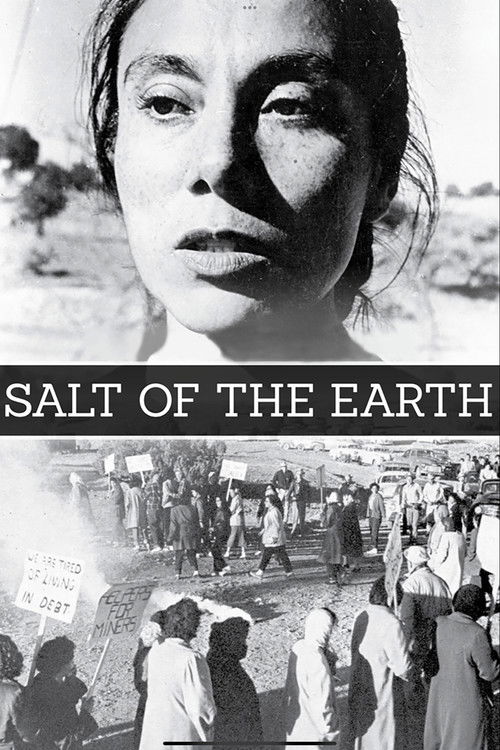
Salt of the Earth1954
A blacklisted production about a New Mexico miners' strike, made by communists and featuring actual miners. Direct descendent of Native Land's politics and style—a working-class film made by working-class people, with Robeson's same refusal to make injustice pretty.
But The acting is raw and the production values are modest. It can feel didactic—the ideology is never buried beneath entertainment. That's partly the point, but it demands patience.
Not sure tonight? Get a pick in a minute, starting from Native Land
The wildcard
Something you would not have found on your own.
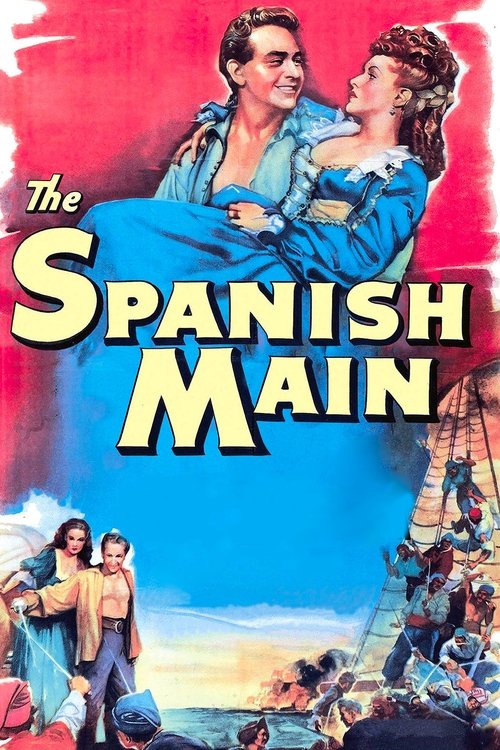
The Spanish Main1945
Robeson's same talent and presence, but caged. The inverse of Native Land: what Hollywood allowed versus what he chose.
A swashbuckling adventure with Paul Robeson in a supporting role singing a stirring song about freedom. The connection: Robeson in full charisma, in a studio picture that wanted none of his politics, constrained and sidelined. It shows you exactly what he sacrificed when he moved to Native Land.
But It's a Technicolor confection—pirate nonsense with Robeson essentially window dressing. If you want political seriousness, this will feel like betrayal.
More like this (5)
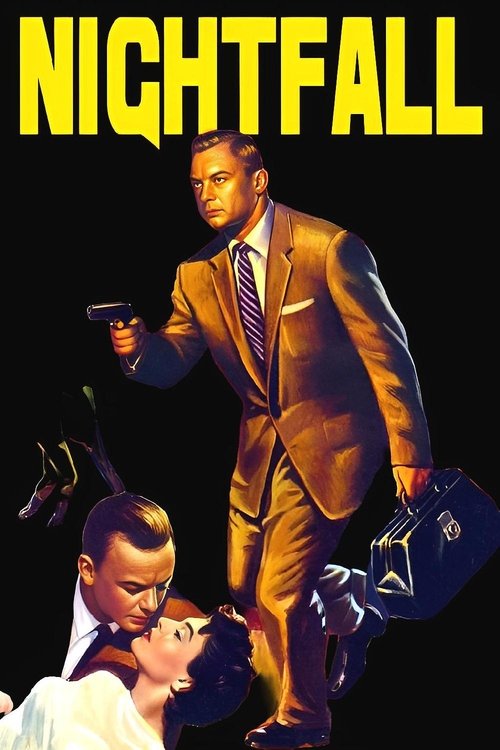
Nightfall1956
A noir about wrongful conviction and paranoia, where the system itself is the real antagonist. Less overtly political than Native Land, but animated by the same suspicion of American institutions and the powerlessness of ordinary people within them.
But It's a genre exercise, not a manifesto. If you're looking for explicit social argument, the indirection might feel evasive.
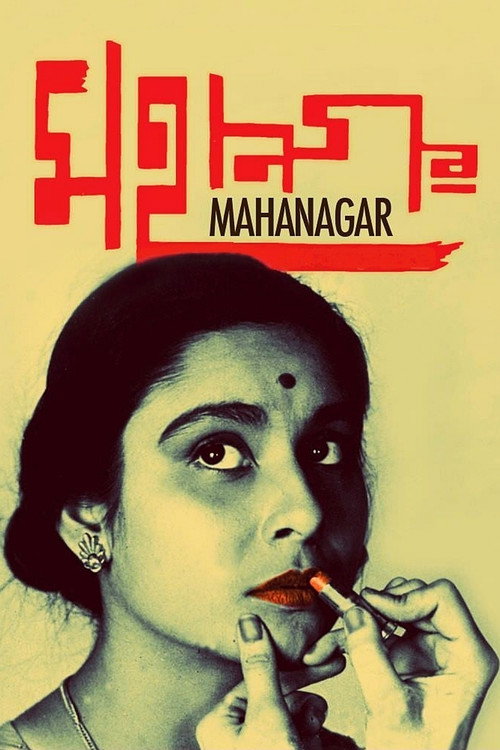
The Big City1963
Satyajit Ray's examination of poverty and economic precarity in Calcutta. International perspective on the same labor and dignity questions Native Land addresses. Humane, observant, and politically awake without being strident.
But It's slow, meditative, and in Bengali with subtitles. Ray's not interested in catharsis, only in seeing clearly.
Modern Times1936
Chaplin's silent satire of industrial capitalism and workers chewed up by machines. Earlier than Native Land but kindred in spirit—comedy as a weapon against exploitation, the body as the site of political struggle.
But It's from 1936 and sometimes plays as quaint now. The slapstick can undercut the anger if you're not attuned to Chaplin's register.

Come and See1985
Both use cinema not to entertain but to testify. Both refuse the comfort of distance or closure. The political engine is despair at human cruelty.
A Soviet film about a boy conscripted into WWII and what war does to innocence. Shot with a documentary's unflinching eye and the formal inventiveness of Native Land. Rage at systems that consume people. Historically necessary to witness.
But It is genuinely harrowing—one of the most difficult films ever made. Not painful in an ennobling way. If you're already fragile, this will damage you.

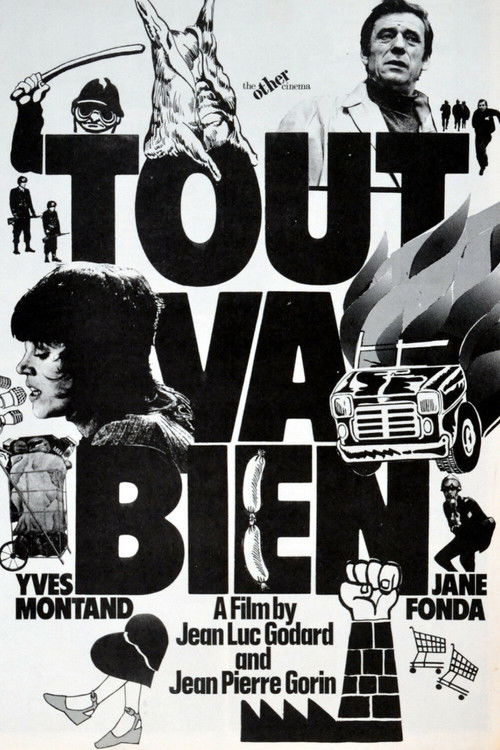
Tout Va Bien1972
Both are propaganda in the noblest sense—cinema as argument and witness. Both treat the form itself as political, not just the content.
Godard and Gorin's essay-film about labor, cinema, and politics, shot inside a factory strike. Formally radical, intellectually restless, utterly alive. Native Land's questions asked twenty years later by filmmakers who'd absorbed everything Robeson's generation tried to do.
But It's deliberately didactic and anti-narrative. Godard alienates most viewers—the film *wants* you uncomfortable. If you need plot or character, this will feel like punishment.
People
Cast
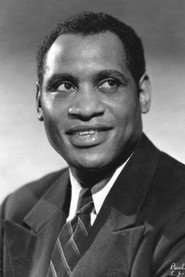 Paul RobesonNarrator
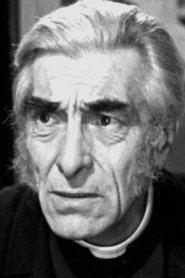 Fred JohnsonFred Hill
- Mary GeorgeHill's Wife
- John RennickHill's Son
- Amelia RomanoYoung Girl in Cleveland
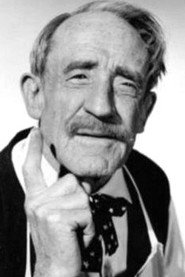 Houseley StevensonWhite Sharecropper
- Louis GrantBlack Sharecropper
- James HanneyMack
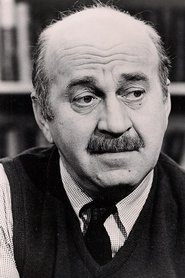
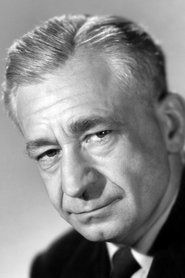 Art SmithHarry Carlyle
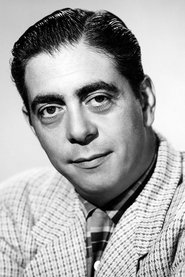 Robert StraussFrank Mason, grocer
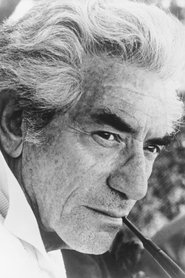 John MarleyThug With Crowbar
Directing
- Leo HurwitzDirector
- Paul StrandDirector
Writing
- Ben MaddowWriter
- Leo HurwitzWriter
- Paul StrandWriter