
Film
Nightfall
Other titles called Nightfall: the 1988 film, the 2000 film, the 2012 film.
A noir-tinged thriller about mistaken identity and the machinery of injustice. An innocent man finds himself hunted by police and criminals alike, forced to prove his innocence while the clock ticks. Taut, paranoid, and built on real dread rather than spectacle—the kind of film where every wrong turn feels inevitable.
Should you watch it?
Watch it if you love lean film noir where a man on the run pieces together a crime he never committed, letting shadow and mood do more of the work than exposition.
Skip it if you need brisk plotting or sharp twists, since this is more contemplative than gripping, and its shadowy atmosphere can feel slow.
What it asks of you: Seventy-nine minutes, a measured pace and a bleak, quiet mood it wants you to settle into rather than rush through.
Not sure? Find tonight's pick in a minute.
If you liked this
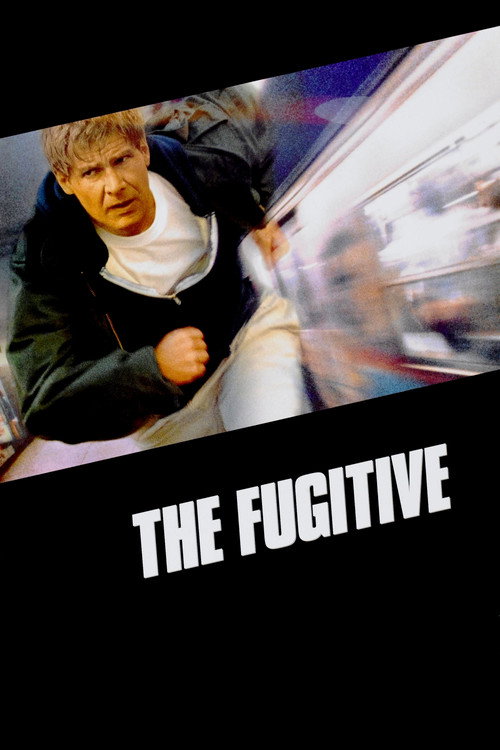
The Fugitive1993
Harrison Ford on the run for a crime he didn't commit, pursued across America by a relentless U.S. Marshal. Propulsive, brilliantly constructed, and genuinely suspenseful—mainstream filmmaking at its absolute best.
But The plot is essentially a series of narrow escapes and coincidences. If you need character depth over momentum, the formula might feel thin.
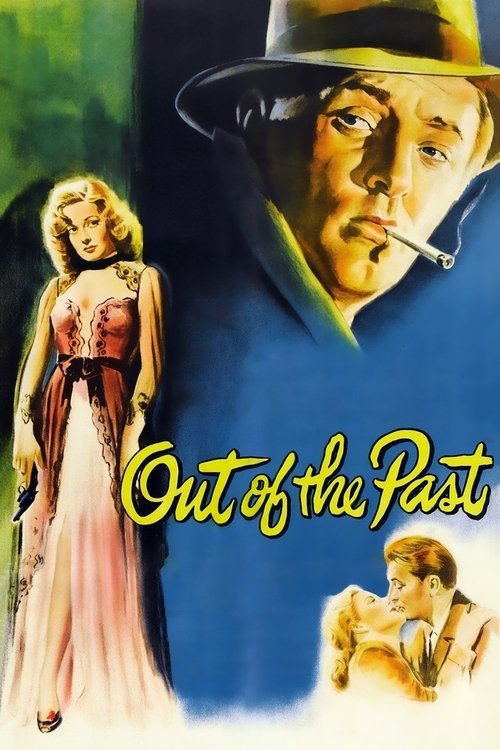
Out of the Past1947
A noir masterpiece about a man trying to escape his past, double-crossed and trapped by circumstances he can't control. Beautifully shot, morally complex, and endlessly rewatchable—the gold standard of the genre.
But The pacing is deliberate and the plot twists can feel remote if you're not attuned to classic noir's rhythms. It's not a thriller in the modern sense.
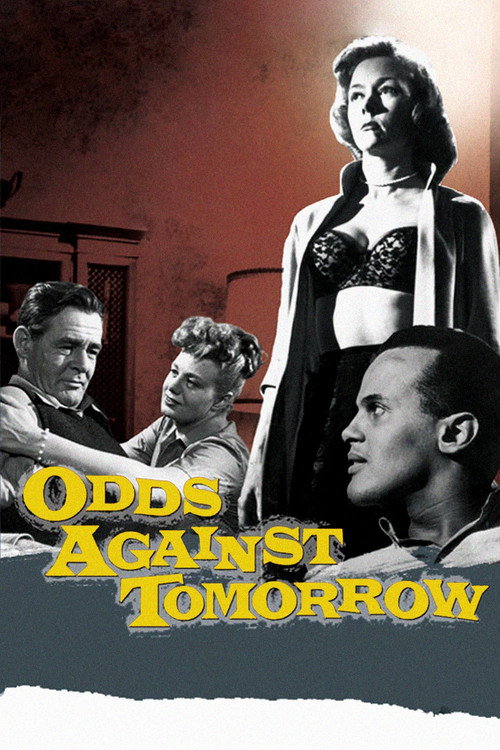
Odds Against Tomorrow1959
A heist film built on racial tension and paranoia, where three men plan a robbery and everything unravels. Spare, intelligent, and genuinely uneasy—a late-stage noir with real bite.
But The heist itself is almost secondary to the psychological pressure. If you want a caper, this isn't it.
Not sure tonight? Get a pick in a minute, starting from Nightfall
The wildcard
Something you would not have found on your own.
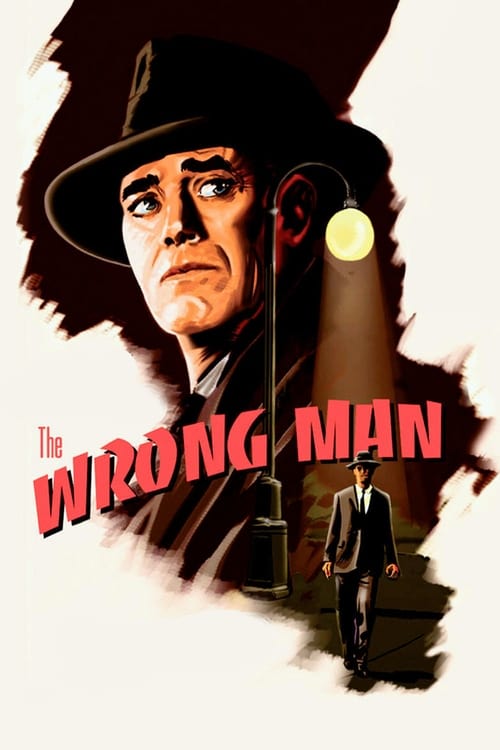
The Wrong Man1956
Both films turn the fugitive-thriller into an indictment of systems designed to destroy the innocent. Nightfall builds tension from circumstance; The Wrong Man builds it from the weight of bureaucracy and bad luck.
Hitchcock's only film based on a true story: Henry Fonda, wrongfully arrested and destroyed by the machinery of justice. It's Hitchcock without humor—a one-note vision of systemic cruelty that's almost unbearable. Made the same year as Nightfall and hitting nearly identical territory, but with Hitchcock's full power behind it.
But It's bleak and offers no catharsis or clever reversal. Hitchcock fans expecting thrills will find instead a vision of American justice as fundamentally broken.
More like this (8)
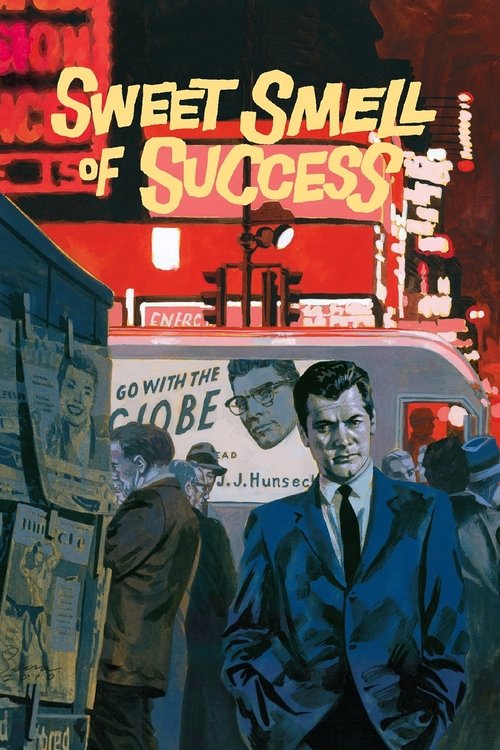
Sweet Smell of Success1957
A columnist and a press agent locked in a dance of mutual destruction and blackmail. Dialogue like a switchblade, black-and-white cinematography that's suffocating, and a vision of New York as a moral cesspool.
But It's acidic and airless—there's no one to root for. The patter-heavy dialogue can feel mannered on first viewing.
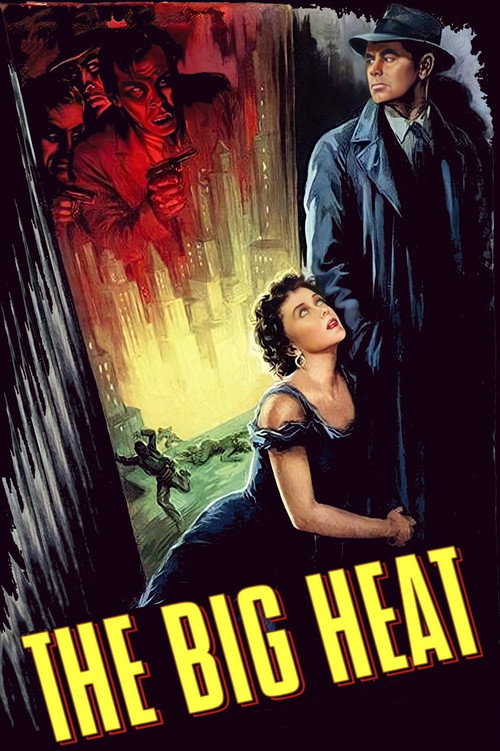
The Big Heat1953
Fritz Lang's revenge thriller: a cop's wife is killed, he's framed, and he becomes a vigilante operating outside the law. Brutal, stylish, and morally complicated in ways that still sting.
But It's violent in a way that might feel exploitative if you're not buying the protagonist's rage. The plot hinges on contrivance.
The Killing1956
Kubrick's racetrack heist film, told in fragmented pieces that cohere into something inevitable and tragic. A game-changer for how crime stories are structured—influential on everything that followed.
But The non-linear narrative was cutting-edge but reads as somewhat cold. The characters serve the structure more than vice versa.

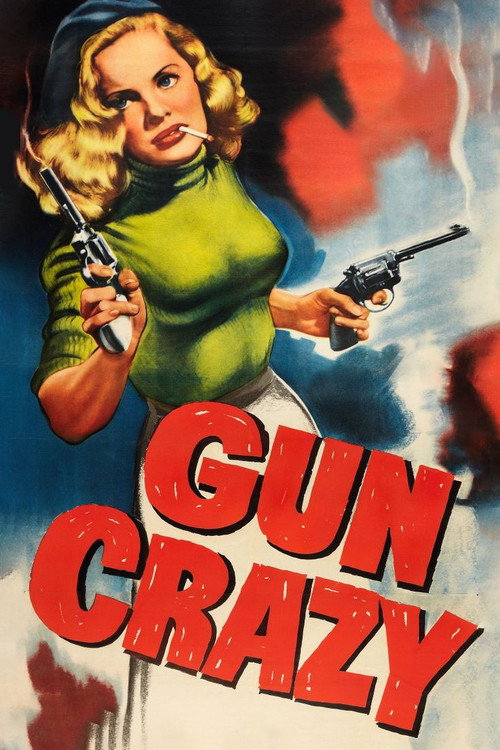
Gun Crazy1950
Bonnie-and-Clyde prototype: two lovers on a crime spree, with real chemistry and genuine tragedy. Shot with kinetic energy and real feeling for its doomed protagonists.
But The second half drags and the ending feels hurried. It's more interesting as influence than as a complete statement.
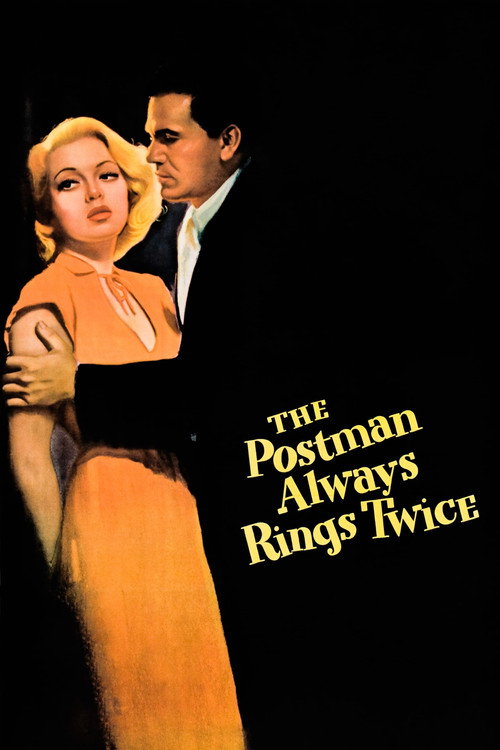
The Postman Always Rings Twice1946
Lana Turner and John Garfield trapped in a claustrophobic affair that spirals into murder. Steamy, tense, and written by James M. Cain—the pulp poetry of betrayal.
But The Production Code neutered some of Cain's moral nihilism. It's more suggestion than execution of the darker impulses.
The Asphalt Jungle1950
The template for all modern heist films: a meticulous robbery plan that falls apart under the weight of human nature. Influential, clever, and endlessly watchable—the grandfather of the form.
But The cast is large and some characters feel sketchy. The pacing in the setup can feel procedural if you're impatient.

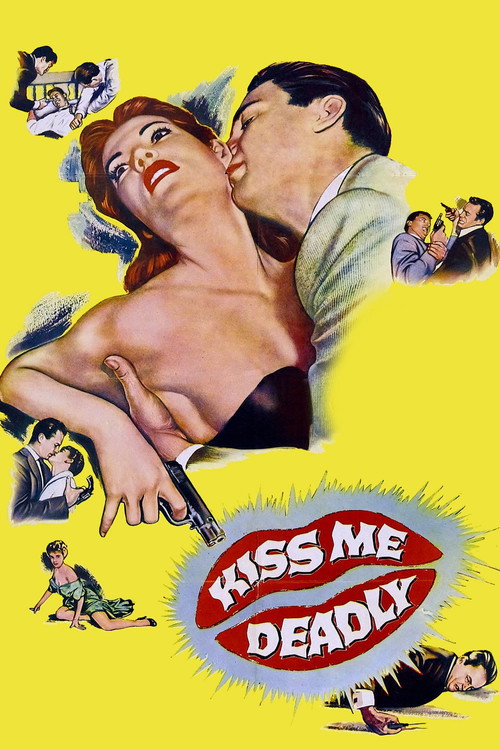
Kiss Me Deadly1955
Both are about men caught in machinery larger than themselves, forced to navigate a world where information is deadly and no one can be trusted. Both feature protagonists scrambling through a landscape of lies.
Aldrich's adaptation of Spillane's Mike Hammer novel—a brutal, apocalyptic thriller where a private detective tumbles into something far too big, and the world itself feels like it might end. Stylish, violent, and genuinely modern in its nihilism.
But Spillane's prose doesn't translate seamlessly to film, and the plot can feel pulpy and overheated. The atomic-age paranoia will feel dated if you're not in the mood for it.
In a Lonely Place1950
Both films use false accusation as a lens into character rather than just plot mechanics. Nightfall shows us the innocent man destroyed; Lonely Place shows us someone where innocence becomes almost irrelevant.
Bogart as a violent, unpredictable screenwriter falsely accused of murder—and by the film's end, you're not entirely sure he didn't do it. A psychological thriller that's also a love story and a tragedy. Searing, intimate, and structurally brilliant.
But The protagonist is genuinely unpleasant, and the film offers no easy morality. If you need to like the person on screen, this will exhaust you.

People
Cast
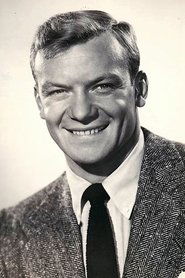 Aldo RayJames Vanning / Art Rayburn
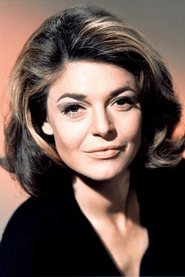 Anne BancroftMarie Gardner
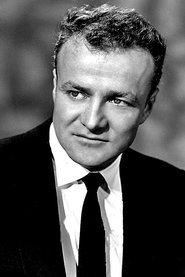 Brian KeithJohn
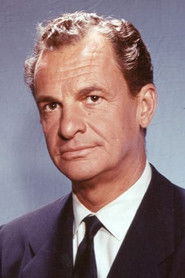 James GregoryBen Fraser
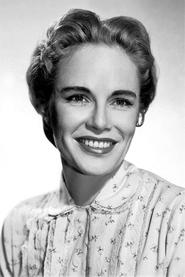 Jocelyn BrandoLaura Fraser
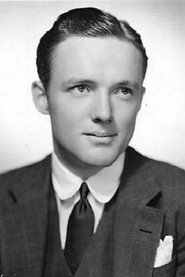 Frank AlbertsonDr. Edward Gurston
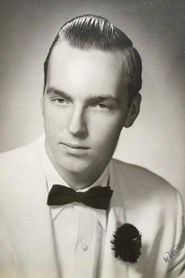 Rudy BondRed
 Bess FlowersWoman at Fashion Show (uncredited)
 Gene RothBartender (uncredited)
- Arline AndersonHostess (uncredited)
- María BelmarSpanish Woman (uncredited)
- Orlando BeltranSpanish Man (uncredited)
Directing
- Irving J. MooreAssistant Director
- Jacques TourneurDirector
Writing
- David GoodisNovel
- Stirling SilliphantWriter
Production
- Ted RichmondProducer