
Film
Nightfall
Other titles called Nightfall: the 1956 film, the 2000 film, the 2012 film.
A sci-fi adaptation of Asimov's celebrated short story, imagining a civilization on a planet with three suns facing an impossible darkness. It's a low-budget 80s film that swings for thematic ambition—exploring how knowledge and faith collide when apocalypse arrives—but lands with the kind of earnest, creaky charm that divides viewers instantly. For fans of philosophical sci-fi over spectacle.
If you liked this
Prophecies of Nostradamus1974
A disaster film that treats extinction as an intellectual problem rather than action spectacle. Explores panic, denial, and how institutions crumble when faced with undeniable truth. Measured and genuinely unsettling.
But Deliberately paced and dialogue-heavy. Special effects are non-existent by design. Feels more like a play than a movie.
Stalker1979
Tarkovsky's meditation on desire and the unknowable uses sci-fi trappings as a vehicle for philosophy. Like Nightfall, it trusts slow revelation and the tension between knowledge and mystery more than plot momentum.
But Nearly three hours of contemplative walking and talking. The pacing will feel glacial if you want narrative propulsion. Subtitled if you're watching the Russian original.

Forbidden Planet1956
A pulp 50s adventure that earnestly grapples with what happens when humans encounter ideas beyond their comprehension. Gorgeous production design and genuine philosophical spine underneath the adventure.
But The acting is stiff by modern standards. It's camp in places, and the misogyny is baked in. Some will find it unintentionally funny where it means to be serious.
Not sure tonight? Get a pick in a minute, starting from Nightfall
The wildcard
Something you would not have found on your own.
The Invisible Man1933
Both explore the premise that knowledge or a change in fundamental reality can drive a society—or an individual—into chaos and violence. Knowledge is the catastrophe.
A 1933 James Whale film where invisibility grants power but destroys sanity. Like Nightfall, it's built on the idea that certain knowledge breaks people. Gore and effects work for their era, and it's surprisingly dark.
But Universal monster-era acting and pacing. The invisibility effects are crude by design. Some scenes read as dated or unintentionally funny now.
More like this (7)
Solaris1972
Another Tarkovsky masterpiece about human limitation and what we can never truly understand. Slow, meditative, and genuinely moving—it asks what we lose when we encounter the unknowable.
But Over two hours of introspection and melancholy. If you want spectacle or plot momentum, this is not your film. It's a grief film that happens to be science fiction.
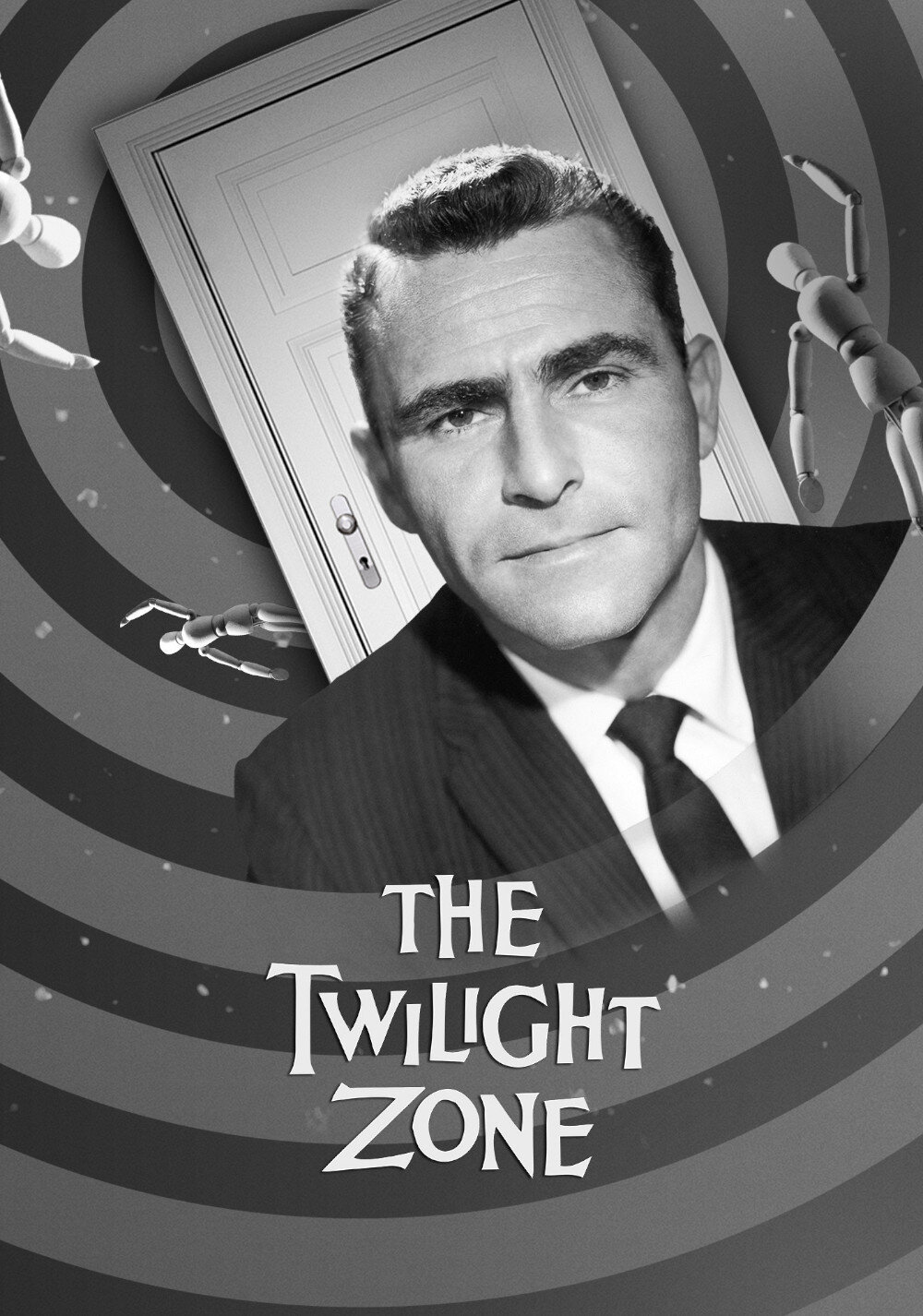
The Twilight Zone1959
Short-form sci-fi parables that do in 25 minutes what Nightfall attempts in 83. Asimov and Clarke both wrote episodes. It's the blueprint for science fiction as thought experiment.
But Episodic, so quality varies. Black-and-white television. The twist-ending format can feel dated if you've seen many episodes already.
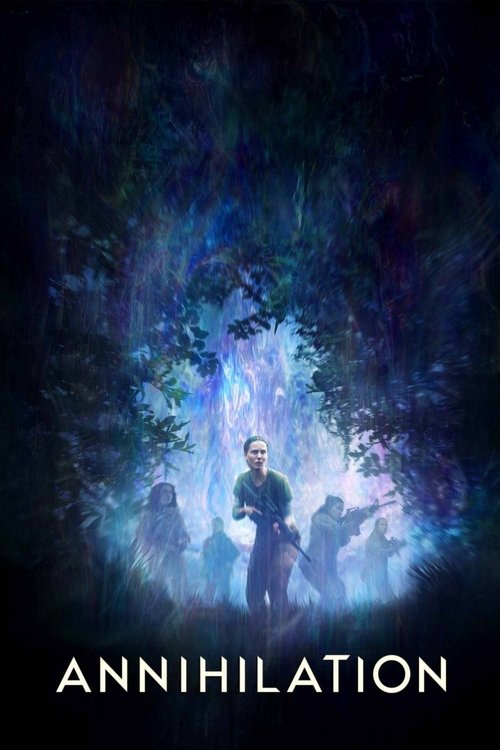
Annihilation2018
A thoughtful sci-fi film about an expanding mystery and how knowledge itself becomes dangerous. Ambiguous, visually striking, and more interested in mood and questions than answering them definitively.
But The third act is deliberately opaque and unsatisfying if you want closure. Some find the pacing indulgent. Divisive even among sci-fi fans.
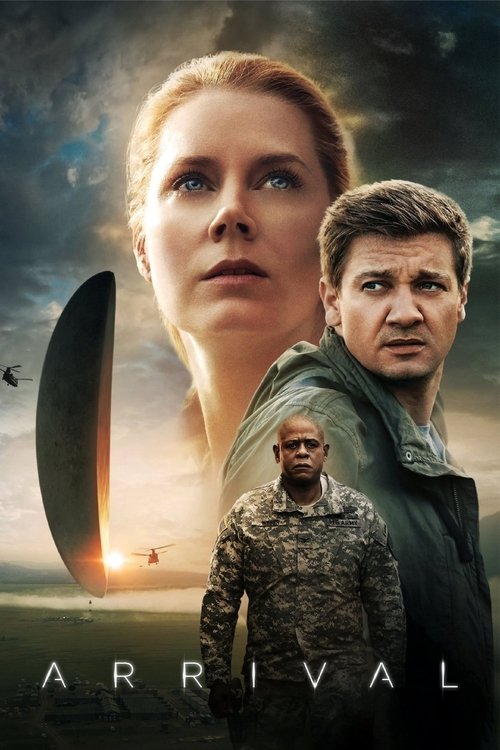
Arrival2016
Intelligent alien-contact film that treats first contact as a linguistic and philosophical problem. Quiet intensity, genuine stakes, and a meditation on how understanding changes us irreversibly.
But Slower than marketing suggests. The central twist, while elegant, divides audiences sharply depending on how they feel about the premise.
Under the Skin2014
An alien film that abandons explanation and immerses you in incomprehension and dread. Hypnotic, strange, and genuinely disorienting in ways that linger after viewing.
But Deliberately obscure. There is no exposition; you're meant to be as confused as the characters. Some will find it pretentious or boring.

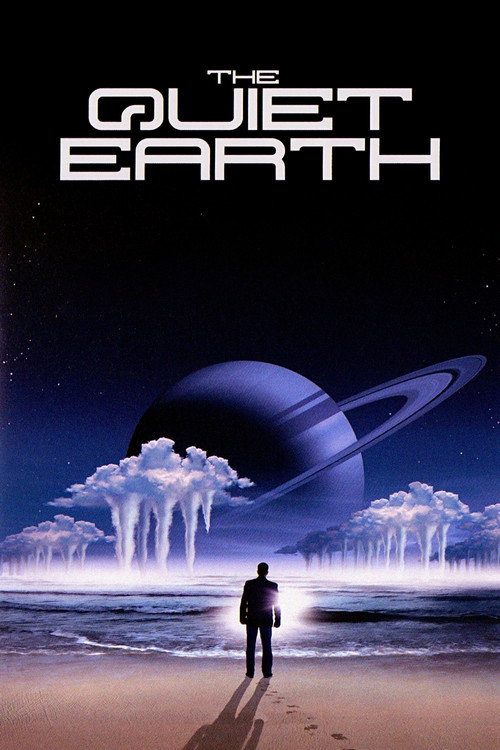
The Quiet Earth1985
A post-apocalyptic film exploring what happens when knowledge of the end arrives but survival instinct kicks in. Bleak, meditative, anchored by a committed central performance.
But Low budget and it shows. Pacing drags in places. The isolation can feel relentless rather than affecting.
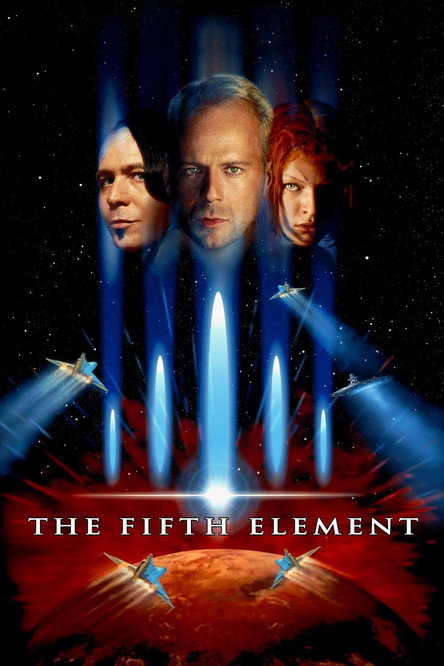
The Fifth Element1997
Both use the threat of cosmic darkness as scaffolding for philosophy about knowledge, faith, and how humanity responds to the inevitable. Nightfall is the serious version; this is the neon-soaked carnival version of the same engine. They're inverses.
A wildly entertaining space opera that sneaks apocalyptic philosophy underneath neon excess. Luc Besson's visual imagination is boundless, the action is euphoric, and underneath it's about an impending darkness only one person can prevent.
But It's camp and knows it. The plot is paper-thin. If you want serious science fiction, the tone will feel frivolous. Some find it exhausting rather than exhilarating.
People
Cast
 David BirneyAton



- Jonathan EmersonArchitect
 Susie LindemanBoffin
 Larry HankinDesert King
- Ronald R. BurnsAton's Man
- Bernard J. GarsenAton's Man
Directing
- Paul MayersbergDirector
- Jan RudolphScript Supervisor
Writing
- Paul MayersbergScreenplay
- Isaac AsimovShort Story
Production
- Lynn WhitneyAssociate Producer
- Al GuarinoCasting
- Julie CormanProducer
Recommended by
Fire in the Sky, The Night That Panicked America, The Living Dead Girl, Austerlitz