
Film
The Night That Panicked America
A 1975 dramatization of the 1938 panic triggered by Orson Welles' *War of the Worlds* radio broadcast. It follows ordinary people caught in genuine mass hysteria—switchboard operators, police, families—as rumor metastasizes into terror. Fascinating as both historical artifact and study of how quickly crowds believe, how media shapes reality, and how fragile collective sanity really is.
Should you watch it?
Watch it if you enjoy slow-building ensemble dramas about ordinary people, where dread grows out of arguments and rumor rather than from spectacle.
Skip it if you want a fast, polished period piece; this is a 1975 TV movie with a deliberate, talky pace that can feel stagey and small-screen.
What it asks of you: It runs about an hour and a half and asks for patience, with its tension built slowly through many characters and a steady, unshowy tone.
Not sure? Find tonight's pick in a minute.
If you liked this
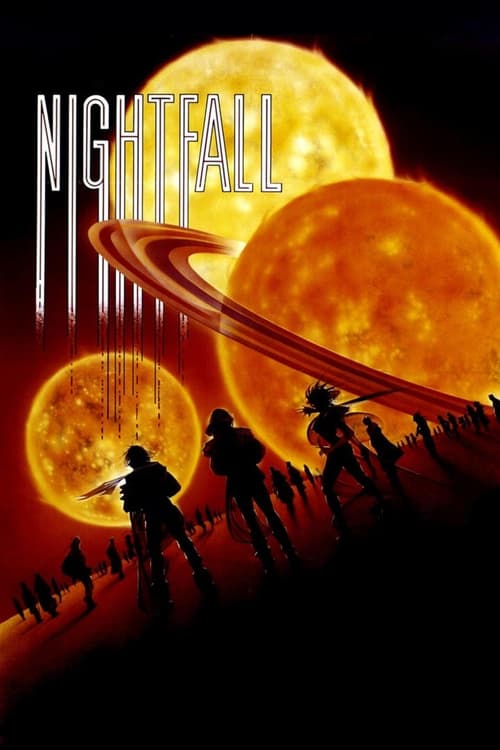
Nightfall1988
A tense three-act thriller about a solar eclipse, based on Isaac Asimov's story. Captures that same claustrophobic dread of the world ending—rational characters trying to stay sane as panic spreads around them.
But The pacing drags in stretches, and special effects feel dated even for the era. It takes itself very seriously, which some find tedious.
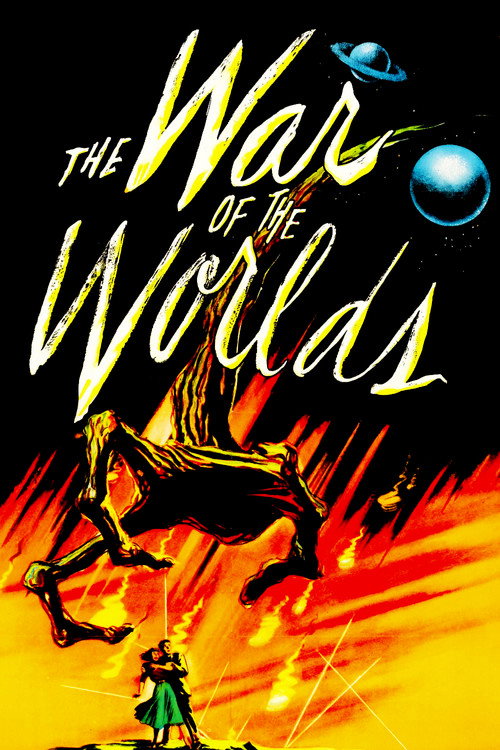
The War of the Worlds1953
The film that inspired Welles' broadcast concept. Gorgeous Technicolor alien invasion with genuine suspense and that exact period flavor—1950s Americans seeing their world invaded. Understanding both versions deepens both.
But Cold War propaganda undertones feel heavy-handed now. Some alien design choices look more comical than terrifying.
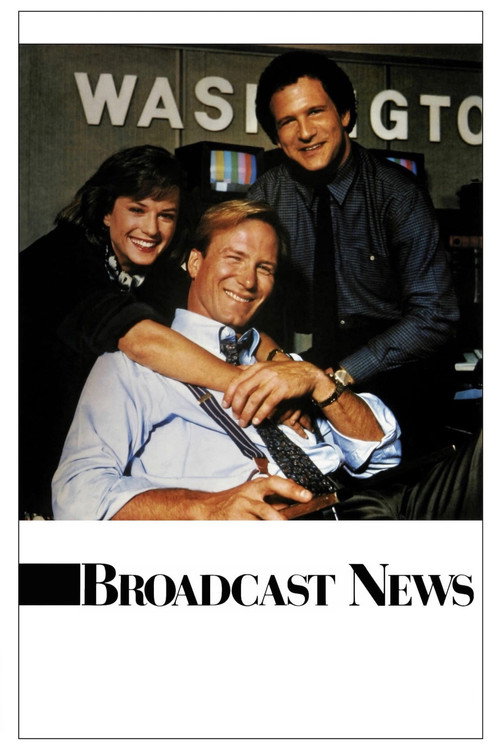
Broadcast News1987
Media, truth, and how stories get shaped for maximum impact. It's funny and romantic on the surface, but underneath it's asking hard questions about news, responsibility, and what the public believes versus what's real.
But Heavy on 1980s newsroom politics; if you don't care about journalism minutiae, whole scenes might feel like office gossip. Tone shifts between comedy and serious drama.
Not sure tonight? Get a pick in a minute, starting from The Night That Panicked America
The wildcard
Something you would not have found on your own.
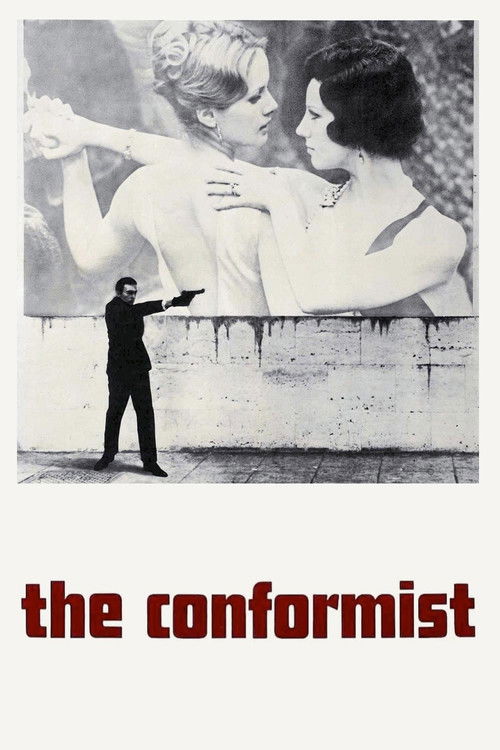
The Conformist1971
Both explore mass psychology, but *The Conformist* goes inward—how a single person becomes complicit in collective delusion. It's the individual version of the crowd panic.
Bertolucci's masterpiece about a man willing to rationalize fascism to fit in. It's a psychological companion to *Panicked America*—about how individuals surrender to the crowd, how ideology spreads not through argument but through the human need to belong.
But In Italian with subtitles. Deliberately paced and symbolic rather than narrative-driven. The politics are complex and uncomfortable; it doesn't offer easy moral comfort.
More like this (7)
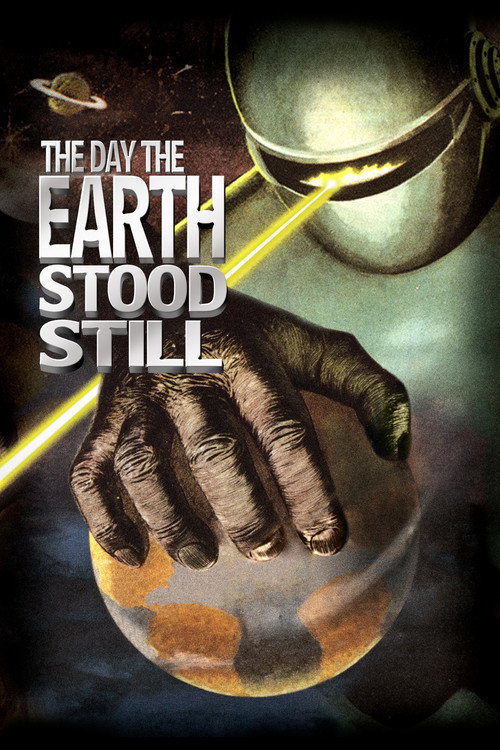
The Day the Earth Stood Still1951
An alien arrival triggers Cold War paranoia and mass fear. Intelligent, deliberate science fiction that explores how people react to the unknown—panic, aggression, misunderstanding—rather than just spectacle.
But Very slow by modern standards. Long stretches of conversation and philosophy before anything exciting happens. Some find it preachy.
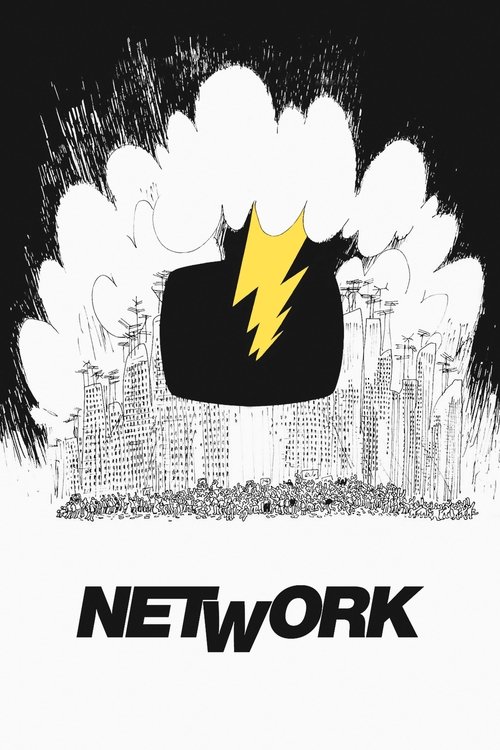
Network1976
A savage satire about broadcast media, ratings, and manufactured reality. Released just a year after *Panicked America*, it's the sister film—how media *creates* panic and hysteria for profit.
But Relentlessly cynical and exhausting. The performances are deliberately over-the-top, which works thematically but wears you down. Feels angrier than entertaining.
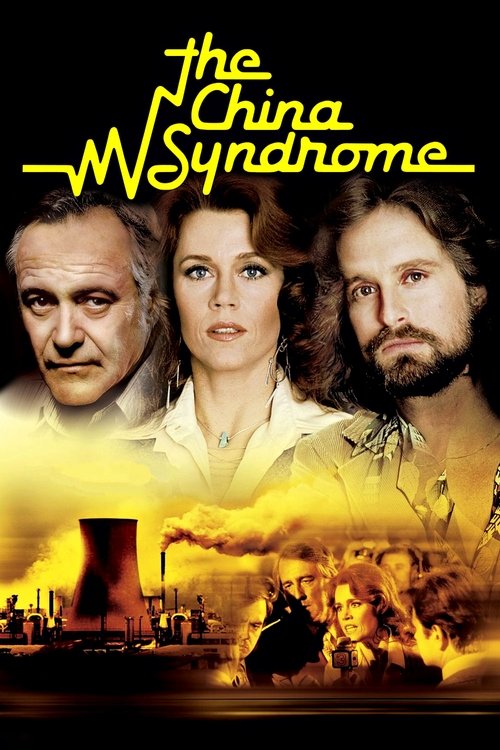
The China Syndrome1979
A thriller about nuclear disaster and media cover-up, released weeks before the actual Three Mile Island incident. That collision of fiction and reality mirrors *Panicked America*'s fascination with how people fear the unknown.
But Plot hinges on several coincidences that strain credibility. The political messaging occasionally overwhelms the character work.
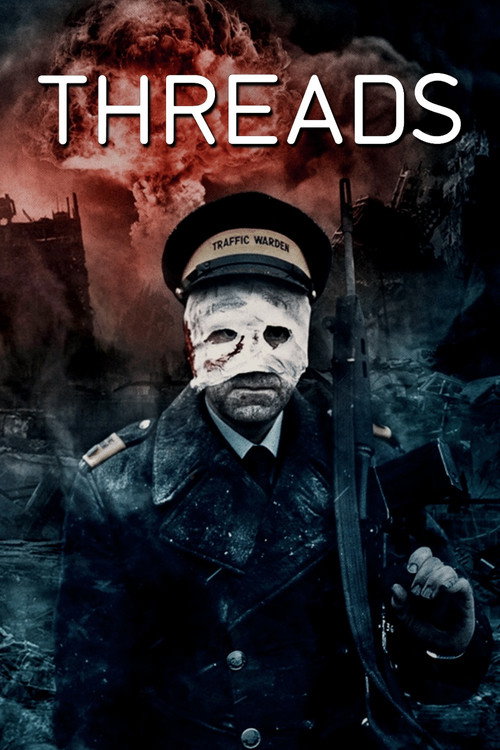
Threads1984
A docudrama about nuclear war's aftermath, following ordinary Sheffield residents. Like *Panicked America*, it's about systems breaking down and how regular people experience mass catastrophe—except it doesn't stop at panic.
But Brutally, relentlessly bleak. Not a film you enjoy; you survive it. Some viewers find it exploitative rather than enlightening.
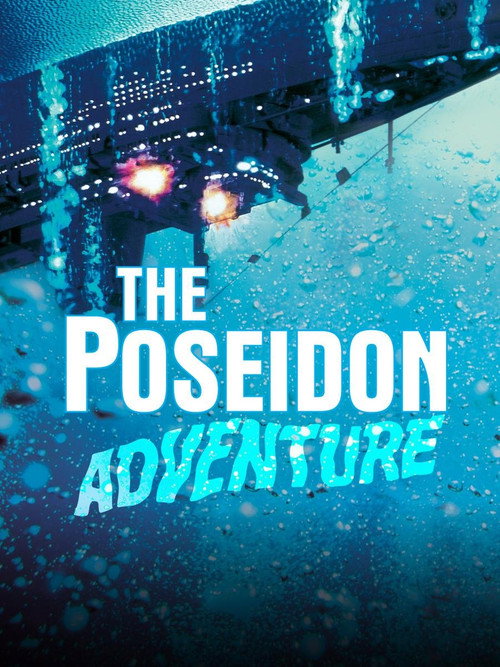
The Poseidon Adventure1972
A disaster film where the disaster is just the beginning—then society fractures. Ensemble cast trapped in chaos, forced to make terrible choices. That same study of collective behavior under pressure.
But The disaster-film formula feels dated and predictable now. Sentimental in ways that undercut the tension. Some characters exist purely as cannon fodder.
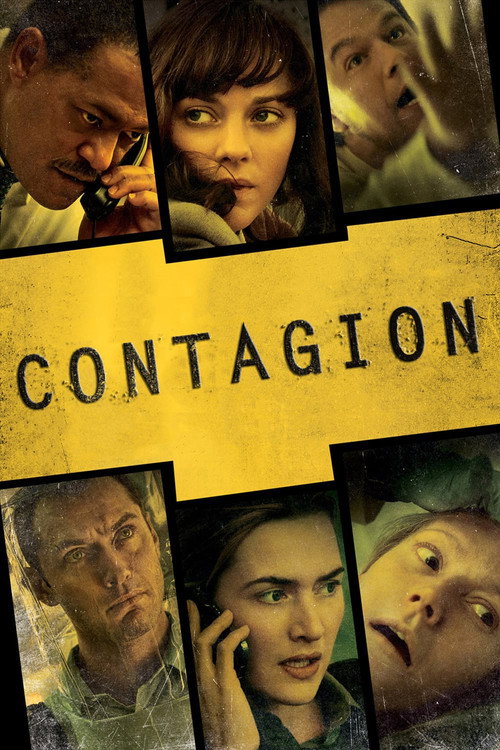
Contagion2011
A procedural about pandemic, misinformation, and how quickly social order collapses. Every scene is about competing narratives and which story people choose to believe when they're terrified.
But Clinical to the point of coldness; no one to really root for. The ensemble cast means no sustained character development. Some find it more depressing than gripping.
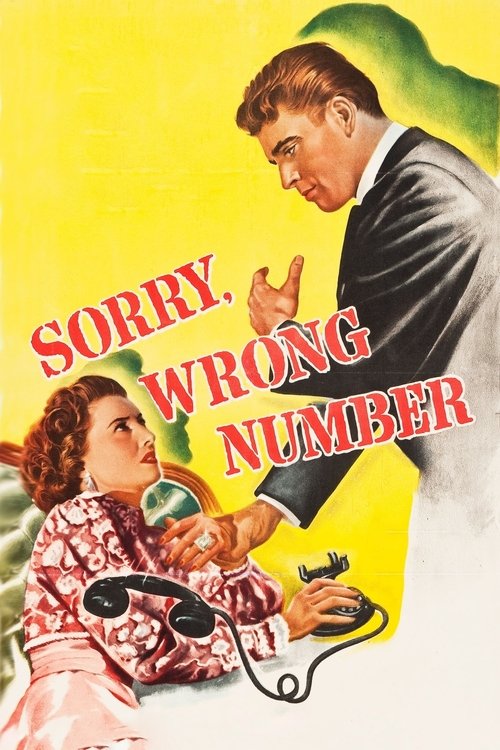
Sorry, Wrong Number1948
Like *War of the Worlds*, it's rooted in radio drama, but inverted—instead of mass panic spreading through broadcast, it's one voice trying desperately to be heard and failing. Same medium, opposite terror.
A woman overhears a murder plot on a crossed phone line and spends the night trying to convince anyone to believe her. Hitchcockian claustrophobia in a single room, built on miscommunication and how desperately hard it is to make people hear you when you're panicked.
But Stagey and theatrical; it was adapted from a radio play. The husband's storyline feels separate and drags. Barbara Stanwyck spends most of it lying in bed talking on the phone, which limits visual interest.
People
Cast
 Vic MorrowHank Muldoon
 Cliff DeYoungStefan Grubowski
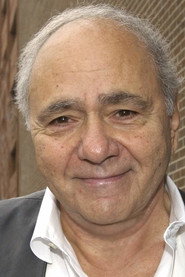 Michael ConstantineJess Wingate
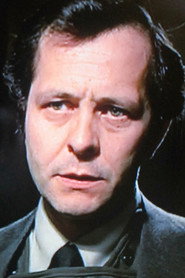 Walter McGinnPaul Stewart
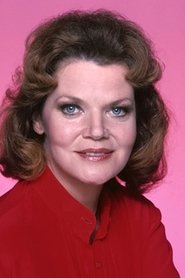 Eileen BrennanAnn Muldoon
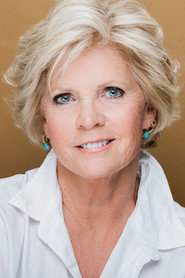 Meredith BaxterLinda Davis
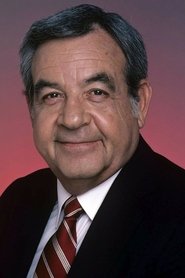 Tom BosleyNorman Smith
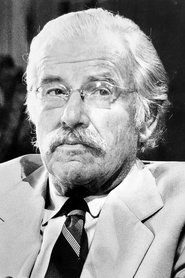 Will GeerReverend Davis
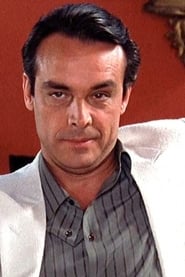 Paul ShenarOrson Welles
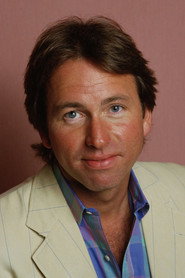 John RitterWalter Wingate
 Granville Van DusenCarl Phillips
Directing
- Joseph SargentDirector