
Film
Sorry, Wrong Number
A bedridden woman, alone in her New York townhouse, picks up her phone to make a call and instead overhears two men plotting a murder that night. Adapted from Lucille Fletcher's famous radio play, it's a tight, nerve-shredding chamber piece where Barbara Stanwyck spends most of the runtime flat on her back, working the phone like a lifeline, while flashbacks fill in exactly how she got there. Claustrophobic, twisty, and built entirely on dread you can hear rather than see.
If you liked this
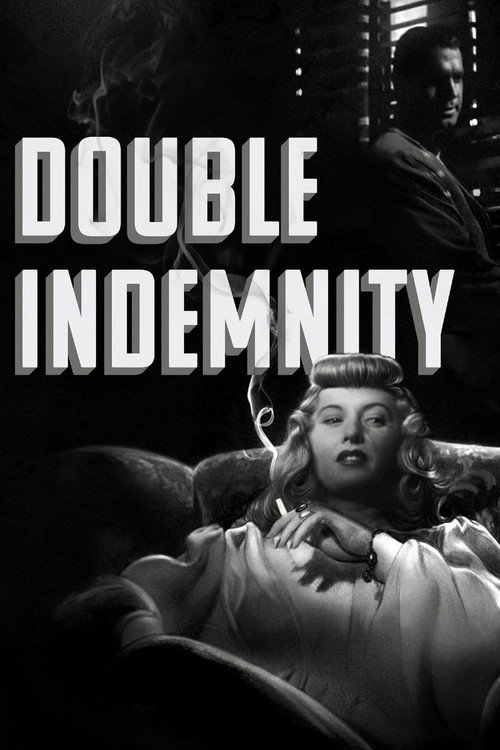
Double Indemnity1944
Stanwyck again, this time upright and lethal, in the noir that basically wrote the rulebook for schemes gone wrong. Same actress, same moral rot, opposite energy — predator instead of prey.
But The voiceover-heavy structure and 1940s pacing can feel like a history lesson if you want pure adrenaline.
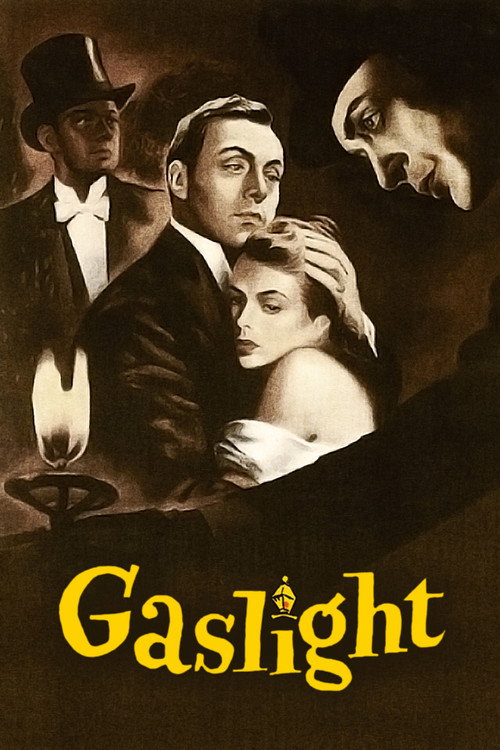
Gaslight1944
A woman trapped in her own home, slowly convinced she's losing her mind by the man who's supposed to love her. Same slow-tightening dread, different weapon — psychology instead of a phone line.
But It's a stage-bound melodrama at heart; the reveal is telegraphed early if you know the phrase it gave the language.
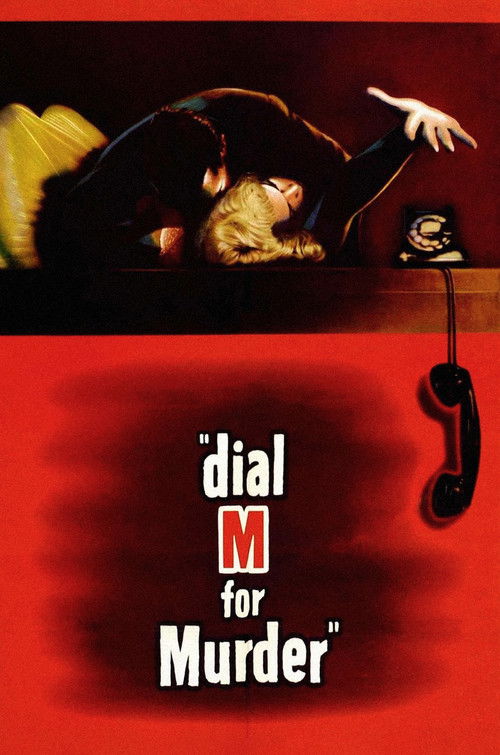
Dial M for Murder1954
Hitchcock's take on a murder arranged by phone and executed with cold precision — the plotting is meticulous, and watching it unravel is genuinely satisfying.
But It's stagier than most Hitchcock, shot almost entirely in one flat, and some will find it talkier than thrilling.
The wildcard
Something you would not have found on your own.
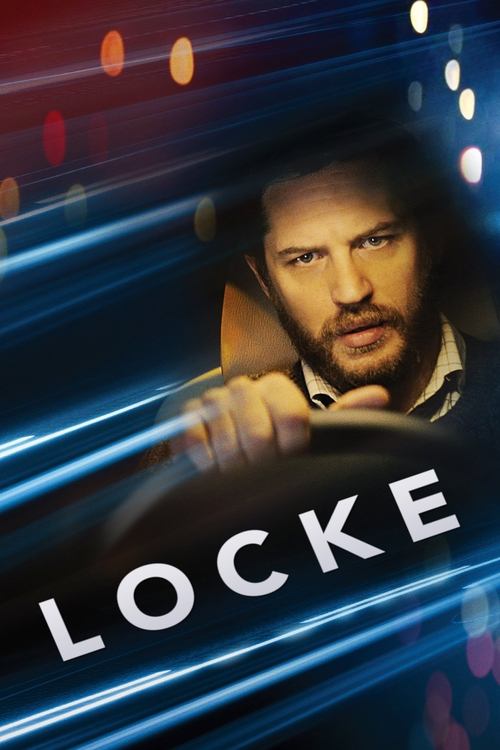
Locke2014
Same structural gamble as Sorry, Wrong Number: strip a thriller down to disembodied voices on a telephone and see if dread alone can carry ninety minutes. It does.
Tom Hardy, alone in a car, driving through the night, managing a collapsing life entirely through phone calls. No other characters ever appear on screen — just voices, tension, and a man unraveling in real time.
But It's one man, one car, eighty-five minutes — if you need visual variety or physical action, this will feel punishingly static.
More like this (8)
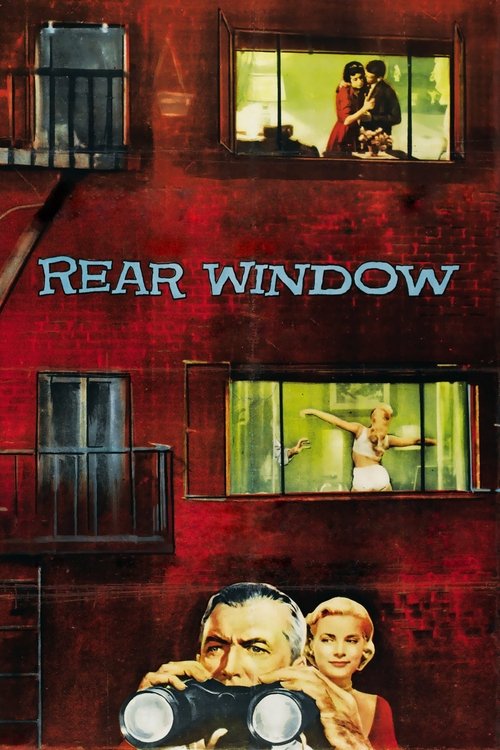
Rear Window1954
Another protagonist confined to one room, piecing together a crime through fragments of information rather than direct evidence. Suspense built from limitation, not action.
But If you've seen it referenced so often it's spoiled itself, the actual watch can feel anticlimactic.
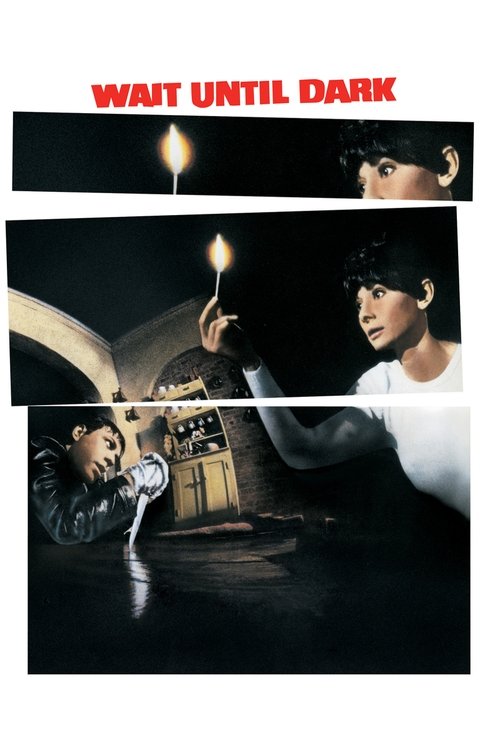
Wait Until Dark1967
Audrey Hepburn, blind and alone in her apartment, outwitting men who've broken in to find something hidden there. Vulnerability turned into a weapon — tense in exactly the way this film is.
But The last act leans hard into home-invasion horror beats that feel a little dated now.
The Spiral Staircase1946no page yet
A mute woman stalked in a Gothic house while a killer targets women with disabilities — moody, atmospheric, and unbearably tense in its best stretches.
But The pacing sags in the middle, and its premise around disability reads more uncomfortably to modern eyes.
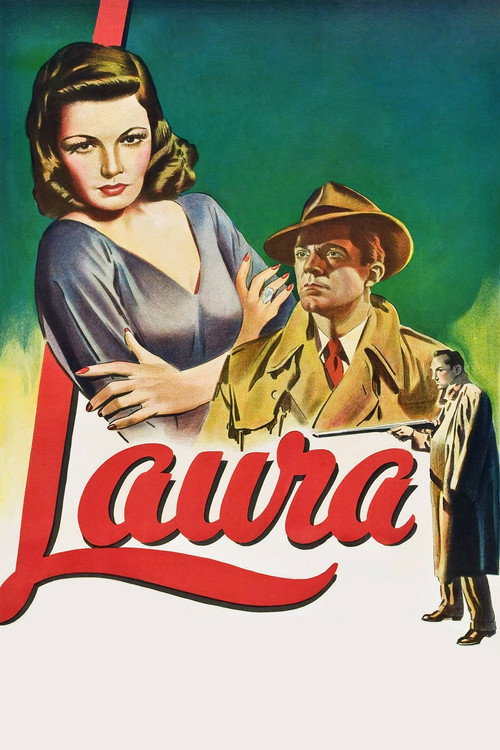
Laura1944
A detective falls for a dead woman while investigating her murder — lush, moody, and dripping with the same 1940s big-city menace.
But It's more of a slow-burn mystery than a thriller; don't expect the same sustained panic.
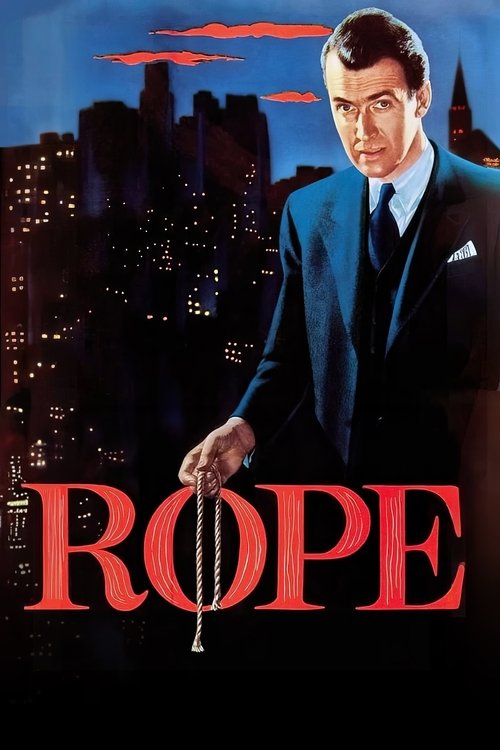
Rope1948
Hitchcock's real-time experiment, staged to feel like one continuous take, wringing tension out of a dinner party built on a hidden body. Same era, same appetite for claustrophobia.
But The theatrical, stagebound feel and the long unbroken takes can feel like a gimmick more than a thrill.
The Big Clock1948no page yet
A magazine editor races against time to solve a murder before he becomes the prime suspect — same noir DNA, same ticking-clock dread, told at a cracking pace.
But It's more of a whodunit chase than a psychological squeeze; the tension is different in kind.
When a Stranger Calls1979no page yet
Takes the exact same engine — a woman alone, a phone as her only line of defense, information trickling in that she can't control — and pushes it into straight horror instead of noir melodrama.
A babysitter terrorized by anonymous phone calls in an empty house — the opening twenty minutes are some of the most effective phone-based horror ever filmed, before the plot goes elsewhere entirely.
But The back half shifts genres awkwardly into a detective story that never matches the terror of its opening.
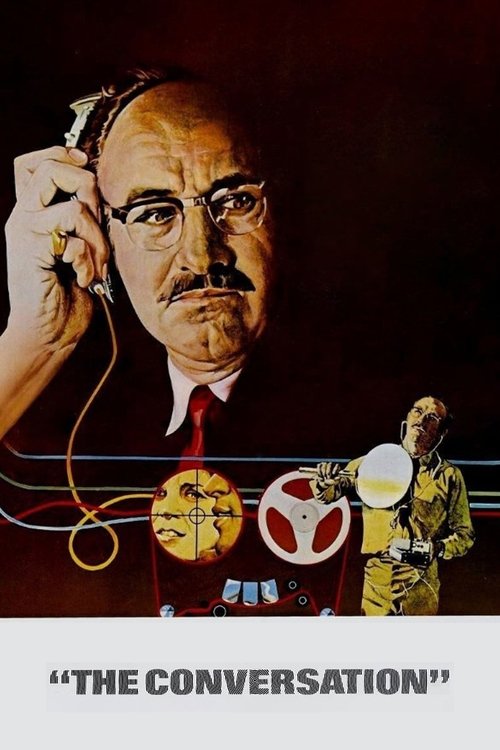
The Conversation1974
Both films hinge on a protagonist assembling the truth about a killing entirely from overheard fragments of audio, and both ask what it costs to listen when you shouldn't.
Gene Hackman plays a surveillance expert who becomes obsessed with a recorded conversation he suspects points to a murder — a quiet, paranoid, adult thriller about the moral weight of listening in.
But It's slow, interior, and Coppola at his most restrained — nothing like the melodrama or momentum of a studio noir.
People
Cast
 Barbara StanwyckLeona Cotterell Stevenson
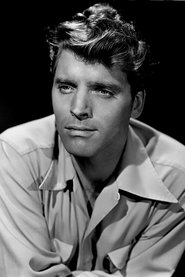 Burt LancasterHenry Stevenson
 Ann RichardsSally Hunt Lord
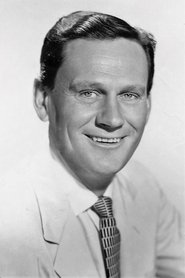 Wendell CoreyDr. Philip Alexander
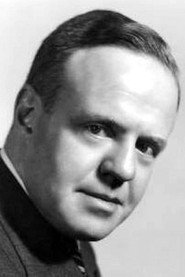 Harold VermilyeaWaldo Evans
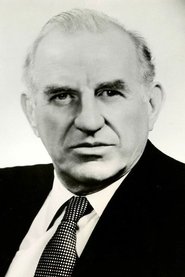 Ed BegleyJames 'J.B.' Cotterell
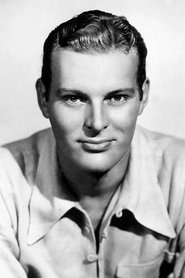 Leif EricksonFred Lord
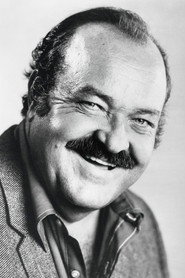 William ConradMorano
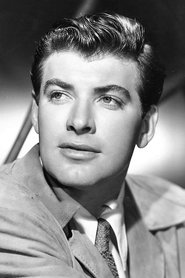 John BromfieldJoe (Detective)
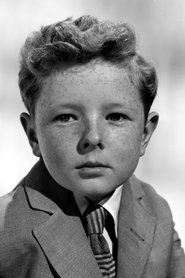 Jimmy HuntPeter Lord
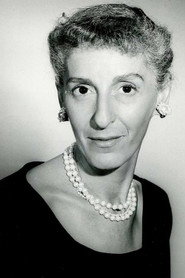 Dorothy NeumannElizabeth Jennings
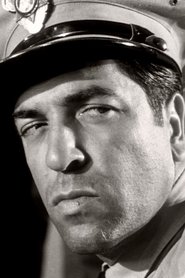 Paul FierroHarpootlian
Directing
- Richard McWhorterAssistant Director
- Anatole LitvakDirector
Writing
- Lucille FletcherScreenplay
Production
- Anatole LitvakProducer
- Hal B. WallisProducer
Recommended by
Wait Until Dark, Oops! Mysterious Sounds, Phone Booth, The Guilty