
Film
Nightfall
Other titles called Nightfall: the 1956 film, the 1988 film, the 2012 film.
A sci-fi thriller about a planet with six eternal suns facing its first darkness. Based on Asimov's celebrated short story, it's a tense race against apocalypse as civilization fractures between those seeking truth and those surrendering to panic. Intimate in scale, big in ideas—a thinking person's disaster film with low-budget ingenuity.
If you liked this
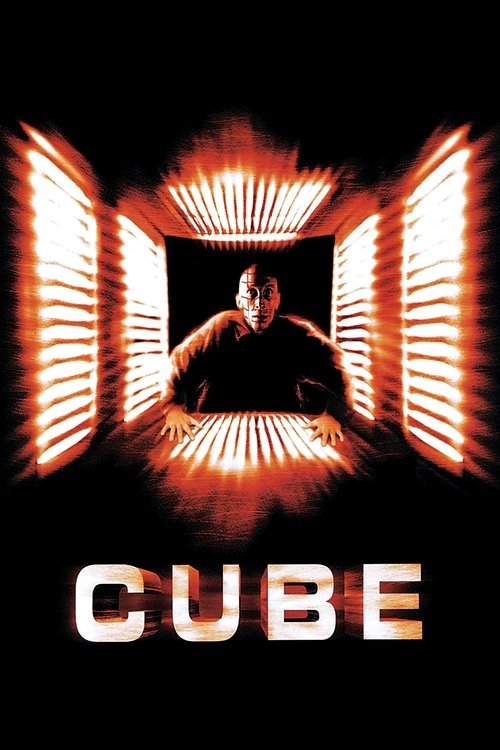
Cube1998
A locked-room puzzle where ordinary people must solve an impossible environment to survive. Like Nightfall, it trusts the audience to follow complex logic while ratcheting dread with each revelation.
But The premise is explained more through exposition than action, and the pacing can feel sluggish if you're not invested in the mathematical problem at its core.
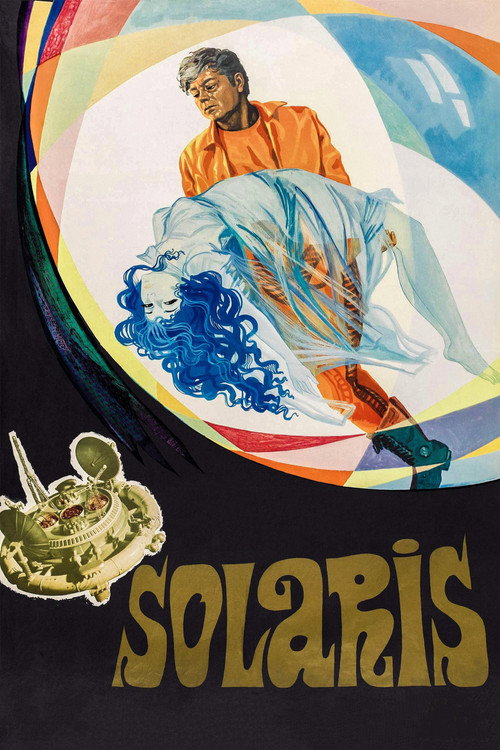
Solaris1972
Tarkovsky's meditation on what happens when humanity confronts something it cannot control or comprehend. Both films prioritize philosophical dread over spectacle, and both hinge on a single transformative event.
But It's 166 minutes of contemplative sci-fi with long takes and minimal dialogue. Patience is not optional; it's the entire point.
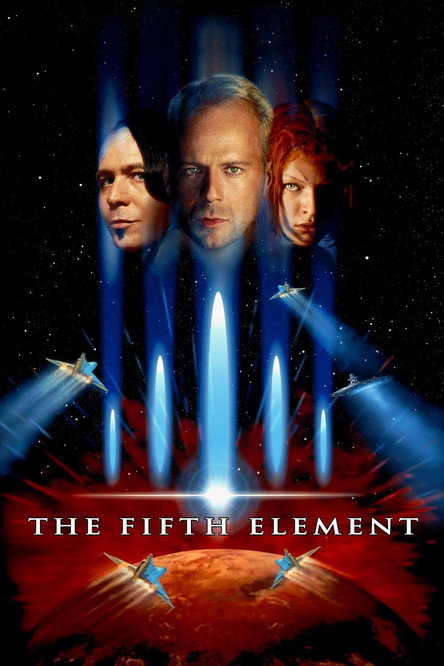
The Fifth Element1997
A visually imaginative sci-fi thriller where competing factions race to prevent cosmic annihilation. It shares Nightfall's urgency and its willingness to let ideas drive the plot rather than just special effects.
But It's considerably glossier and louder, with a comedic tone that Nightfall completely avoids. The aesthetic is almost opposite.
Not sure tonight? Get a pick in a minute, starting from Nightfall
The wildcard
Something you would not have found on your own.
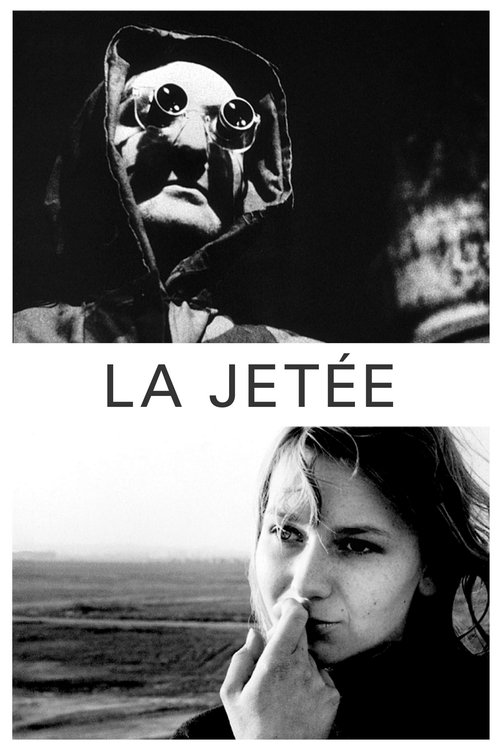
La Jetée1962
Both are Asimov-adjacent SF (La Jetée was inspired by written SF tradition) where external catastrophe is the stage for intimate human realization. Visual or verbal minimalism doesn't diminish philosophical weight.
A wordless, mostly-still-photograph SF narrative about time, memory, and human connection as the world ends. It distills apocalypse to pure emotion and image. Like Nightfall, it proves that big ideas need neither budget nor movement.
But It's an experimental film made of still images with minimal narration. If you need conventional cinematography and dialogue, this is not for you.
More like this (8)
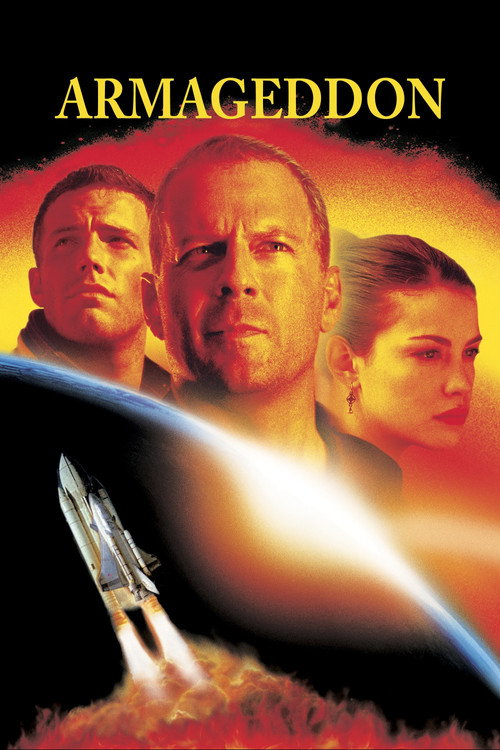
Armageddon1998
Humanity faces extinction from an approaching asteroid, and a ragtag team works against impossible odds. The existential stakes mirror Nightfall's end-of-civilization dread, though executed with more action.
But It's a Michael Bay film—bombastic, sentimental, and far less interested in the science or the philosophy behind the threat.
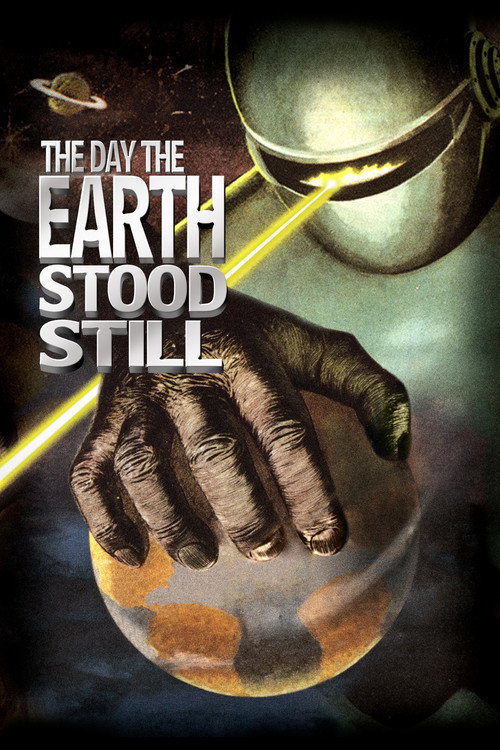
The Day the Earth Stood Still1951
An alien arrival forces humanity to reckon with its nature and choose between survival and destruction. Both films use external threat as a mirror to show how quickly civilization collapses under pressure.
But It's in black and white, made in 1951, and very much a product of its era in pacing and style. The earnestness may feel dated.
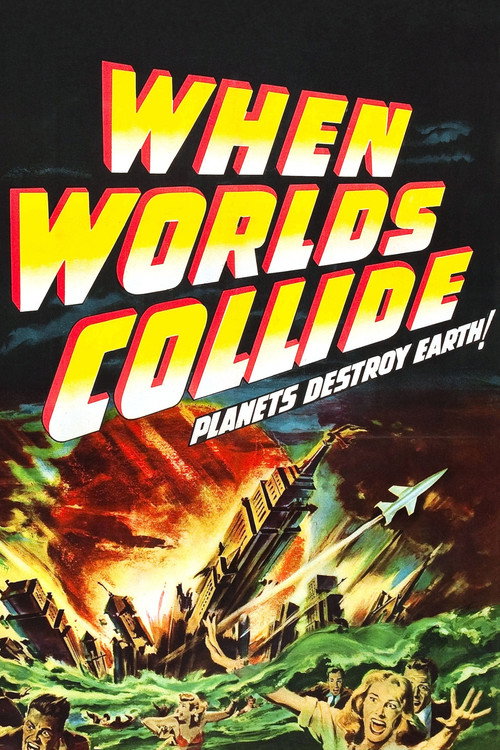
When Worlds Collide1951
A planet on a collision course with Earth creates panic, science vs. superstition, and impossible choices about survival. The bones of the story are nearly identical to Nightfall's central conflict.
But The special effects haven't aged gracefully, and the human drama is secondary to the spectacle. It's more dated than Nightfall, despite being contemporaneous with its influences.
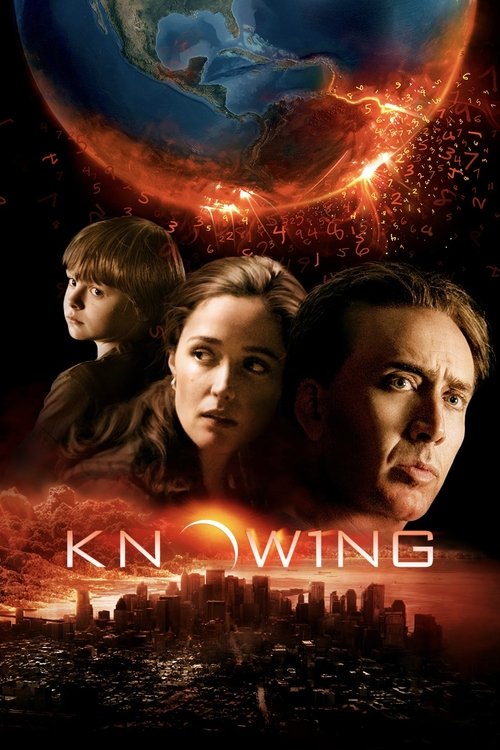
Knowing2009
Nicolas Cage races to prevent a predicted cataclysm while society ignores mounting evidence. It captures the suffocating helplessness of watching apocalypse arrive while no one believes.
But It's pulpy and overwrought in a way that undercuts its own stakes. The sincerity can tip into unintentional camp.
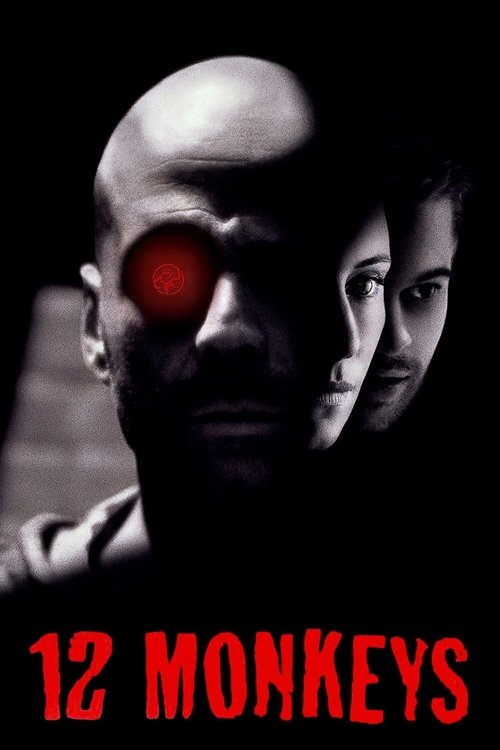
Twelve Monkeys1995
A science-fiction thriller where fractured reality, impossible timelines, and oncoming doom create a sense of cosmic inevitability. Both films trap characters in circumstances they cannot escape or fully understand.
But The narrative is deliberately confusing and non-linear. If you prefer clarity, this will frustrate you profoundly.
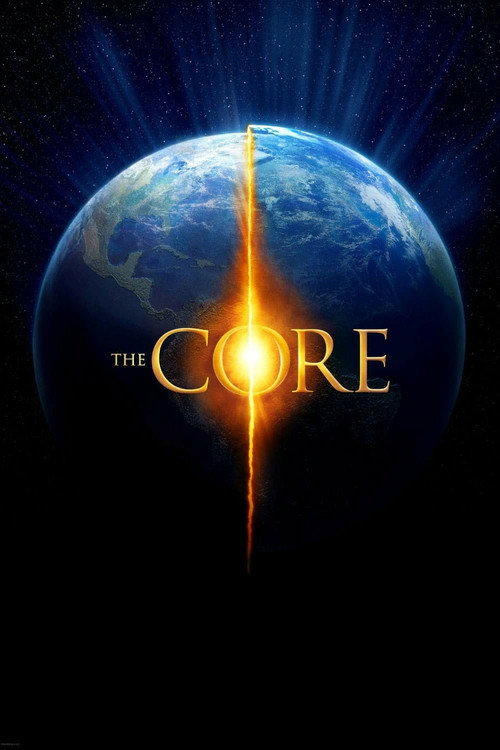
The Core2003
A team descends into Earth's molten center to prevent planetary extinction. It's earnest, scientifically confused, and totally committed to the idea that ordinary people can solve extraordinary problems.
But It's deeply silly and its science is nonsense. The fun is ironic, and if you're not in the mood for unintentional comedy, it collapses.
Stalker1979
Both treat apocalypse or existential threat as backdrop to the real story—how humans respond when the normal world breaks. Both demand patience and reward contemplation.
A mysterious zone exists where wishes supposedly come true; three men journey through it while the world teeters on nuclear brink. Like Nightfall, it's slow-burn SF where psychological disintegration matters more than action.
But It's 163 minutes of philosophical wandering with long silences and brown cinematography. Tarkovsky is not for viewers seeking plot momentum or spectacle.

Under the Skin2014
Both are literary SF (Nightfall from Asimov, Under the Skin from Michel Faber) that reject spectacle and exposition in favor of mood and psychological unease. Both make you work to understand what's happening, and both are better for it.
Scarlett Johansson as an alien entity moving through Scotland in an incomprehensible mission. It's elliptical, eerie, and built entirely from atmosphere and disquiet—SF stripped to pure sensation and strangeness.
But There is minimal plot, almost no dialogue, and long stretches of cryptic imagery. Conventional narrative satisfaction does not exist here.

People
Cast
- Jennifer BurnsIllyra
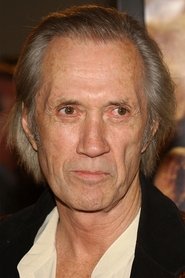 David CarradineGnomen
- Joseph HodgeMetron
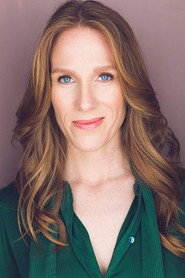 Winsome BrownSheerin
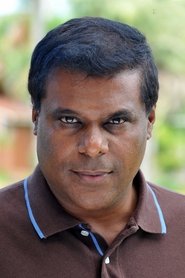 Ashish VidhyarthiKopton
 Pradeep Ram Singh RawatDjango
Directing
- Gwyneth GibbyDirector
Writing
- Gwyneth GibbyScreenplay
- John William CorringtonScreenplay
- Michael B. DruxmanScreenplay
- Isaac AsimovStory
Production
- Roger CormanProducer