
Film
The Living Dead Girl
Jean Rollin's 1982 vampire film is a dreamy, melancholic descent into undeath. Gorgeously shot in pale blues and greys, it luxuriates in atmosphere over plot, treating resurrection not as triumph but as a curse. A film for people who want their horror slow, sensual, and tinged with genuine sorrow. It's what happens when you trust mood over narrative.
Should you watch it?
Watch it if you like horror that trades jump scares for dreamlike, melancholy atmosphere, where mood and images carry more weight than plot logic and the vampire myth becomes a lonely, sensual fable.
Skip it if you need tight plotting and clear motivation, since the story drifts, dialogue is sparse and logic is loose, and the blood is handled with a strangely unhurried, tender rhythm.
What it asks of you: Expect a slow, drifting pace, long silences and repeated images, and patience for a mood that builds rather than a tidy narrative line across its 86 minutes.
Not sure? Find tonight's pick in a minute.
If you liked this
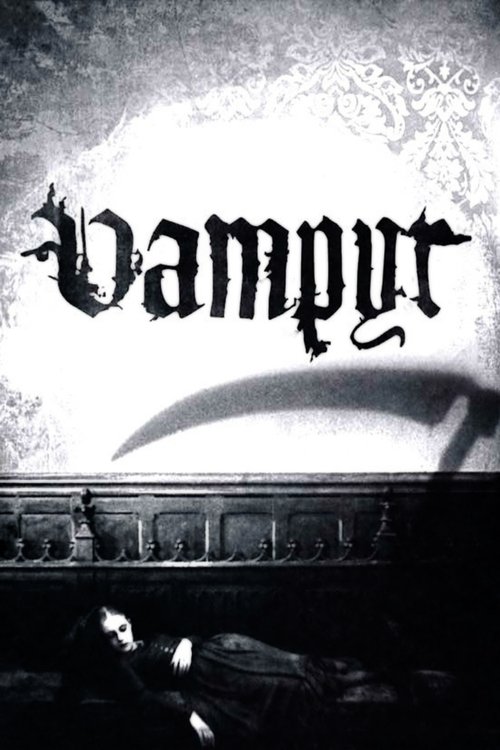
Vampyr1932
Carl Theodor Dreyer's silent vampire film shares Rollin's dreamlike logic and visual poetry. Both films move like nightmares, more concerned with feeling than coherence. Essential viewing for anyone who thinks horror should be haunting.
But It's silent, it's glacial, and the plot barely registers as plot. If you want clarity or pace, this will frustrate you.
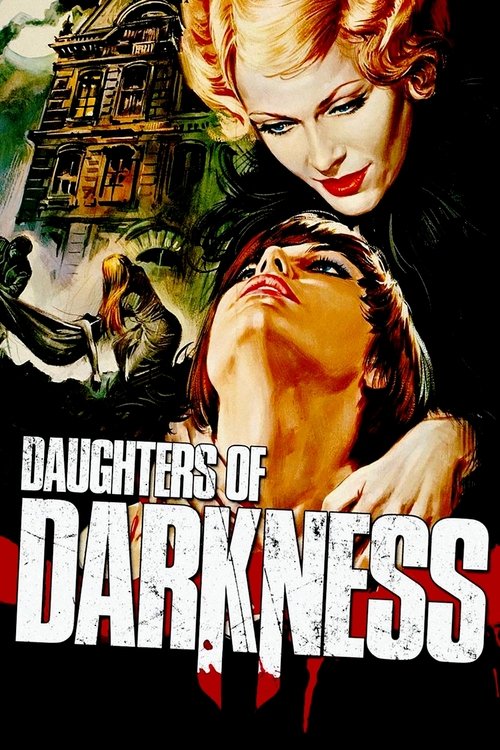
Daughters of Darkness1971
Rollin made this one too, and it's equally lush—a lesbian vampire film shot like a fever dream. If you're discovering his voice through The Living Dead Girl, this is the logical next step into his particular aesthetic universe.
But The sexual content is dated in ways that might feel uncomfortably predatory. Dialogue can feel stiff. Patience required.
Suspiria1977
Both are European horror films that treat color and sound as instruments of dread. Both are about descent into a nightmare logic that doesn't quite follow waking rules. Dario Argento's obsessive giallo aesthetic complements Rollin's dreamscape perfectly.
But Suspiria is more violent and faster-paced. If you loved The Living Dead Girl for its languor, this might feel too frenetic.

Not sure tonight? Get a pick in a minute, starting from The Living Dead Girl
The wildcard
Something you would not have found on your own.
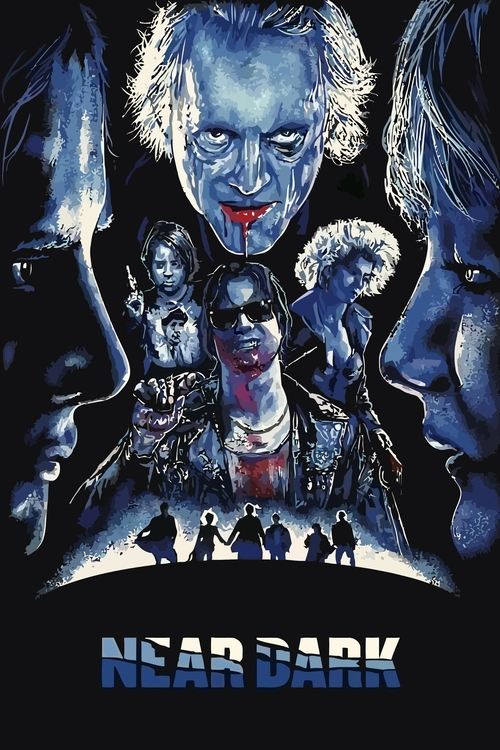
Near Dark1987
Both films treat vampirism not as fantasy but as a slow, painful amputation from human life. Neither offers escape. Both end where you began—cursed.
Kathryn Bigelow's vampire film does something completely different: it's a Western-gothic love story, lean and muscular where Rollin is dreamy. But both treat vampirism as a trap that costs you your humanity, and both end in genuine despair rather than triumph.
But It's American action-horror, not European art-horror. Fast, violent, and mostly interested in plot. Could feel like the opposite of what you loved about The Living Dead Girl.
More like this (5)
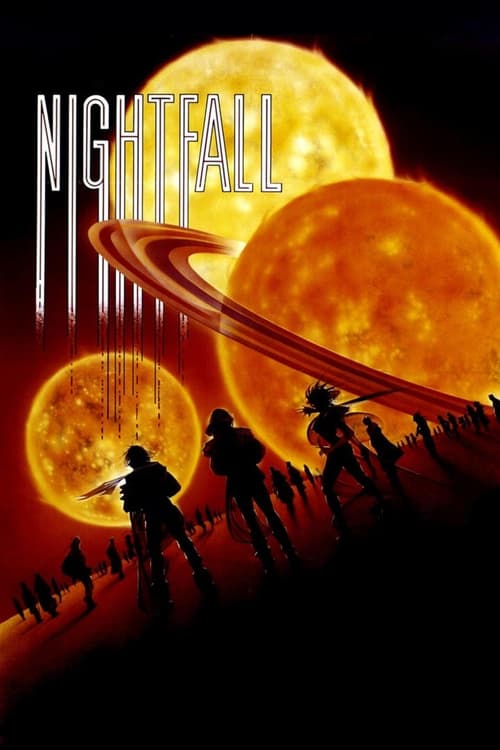
Nightfall1988
A French horror film from the same decade, similarly atmospheric and concerned with mood over mechanics. Resurrection, obsession, and a protagonist trapped between life and death. Strong thematic echoes.
But Much harder to find than The Living Dead Girl. Pacing is even more deliberately slow. Archives over entertainment.
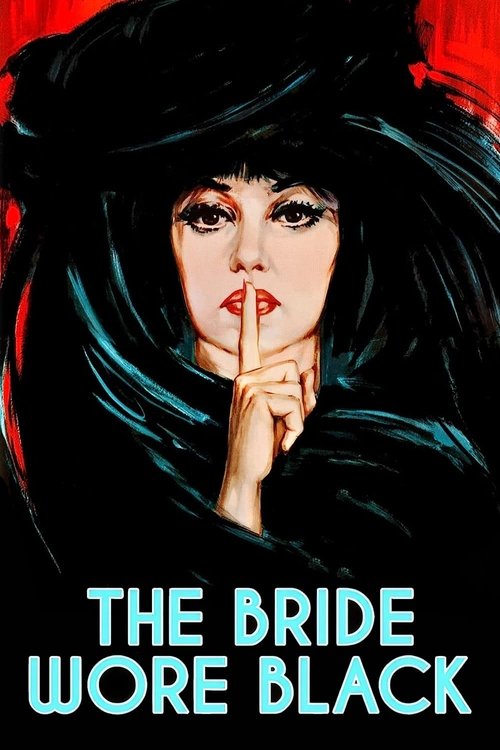
The Bride Wore Black1968
Truffaut's revenge thriller shares Rollin's love of visual composition and emotional fatalism. Both films treat violence and beauty as related, not opposed. A masterclass in using camera movement to convey interior states.
But Not horror—it's a psychological thriller. If you came here specifically for the supernatural, this will feel like a sideways move.
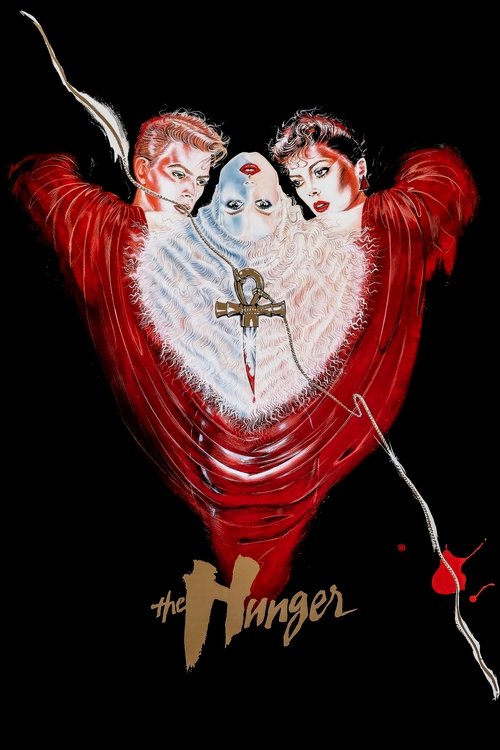
The Hunger1983
A high-gloss vampire film that shares The Living Dead Girl's eroticism and obsession with the price of immortality. Visually stunning, tonally similar even if the budget is exponentially higher.
But Feels like a glossy music video compared to Rollin's grainy poetry. Some find the style overwhelming. Much more accessible, which is sometimes a liability.
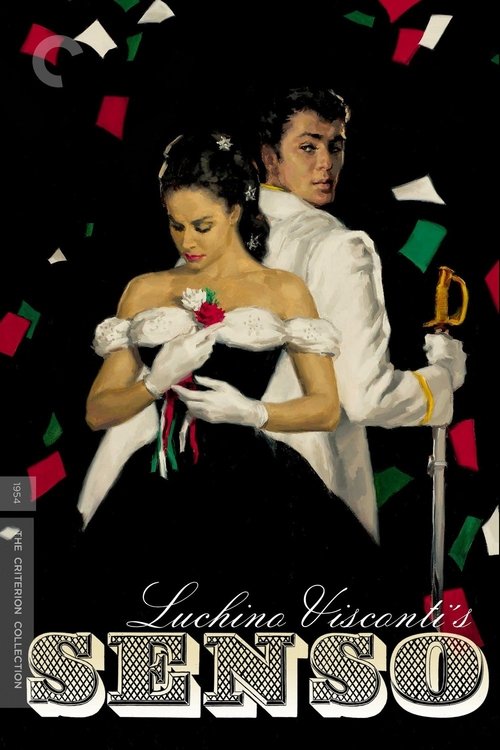
Senso1954
Both films are fundamentally about addiction—to a person, a feeling, a state of being. Both use color and composition to express what characters cannot say. Both end in ruin.
Visconti's melodrama predates The Living Dead Girl by decades but shares its visual obsession with color, decay, and beautiful people caught in situations beyond their control. A lush, almost painterly film where emotion overwhelms plot. Hypnotic.
But It's an Italian melodrama about an affair during wartime. No horror at all. Nearly three hours. A test of patience, and not the kind everyone passes.
The Seventh Seal1957
Both films are about the living dead—people trapped between states, unable to move forward or return. Both ask whether existence without escape is existence at all.
Bergman's meditation on death, decay, and the inability to escape fate. It's philosophical where Rollin is purely sensory, but both films treat mortality as the central obsession. A haunting masterpiece that reframed what cinema could do.
But It's a philosophical meditation, not a horror film, and it's in Swedish with subtitles. No scares. A lot of talk. Requires concentration and patience.

People
Cast
 Marina PierroHélène
 Françoise BlanchardCatherine Valmont
 Mike MarshallGreg
 Carina BaroneBarbara Simon
 Fanny Magier6th Victim
Directing
- Jean RollinDirector
Writing
- Jacques RalfWriter
- Jean RollinWriter
Production
- Joe de PalmerCo-Producer
- Sam SelskyProducer