
Film
Flesh + Blood
- Military action
- Very dark
Verhoeven's 1985 medieval adventure is grimy, sensual, and dryly violent—a bunch of mercenaries kidnap a nobleman's bride and hole up in a plague-wracked castle. It's *Wages of Fear* with swords, minus the politics, heavy on atmosphere and moral rot. For anyone who wants their adventure films to smell like mud and feel genuinely dangerous.
If you liked this
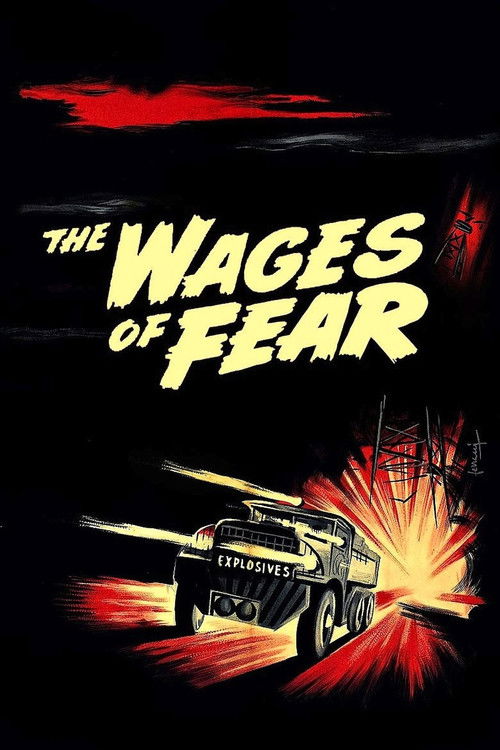
The Wages of Fear1953
A masterpiece about desperation and survival under impossible odds. The tension is relentless, the characters are compromised men in impossible situations, and there's no clean ending—just the weight of consequence.
But It's French, it's slow, and the first half moves like watching paint dry. The dialogue won't grab you if you're after spectacle.
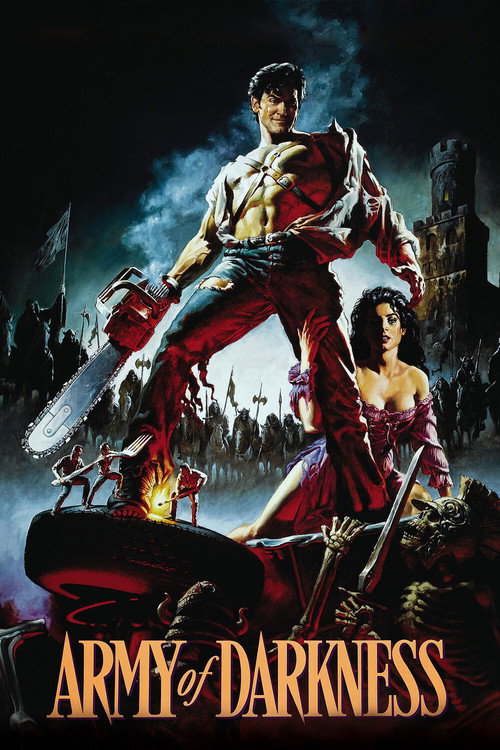
Army of Darkness1992
Medieval setting, a crew of morally flexible characters, constant threat, dark humour without losing the danger. Sam Raimi understood that horror and adventure speak the same language. Pure fun without feeling cheapened.
But It's a horror comedy, so it doesn't have the grind or realism. If you want grit over gore-splatter, this swings the other way.
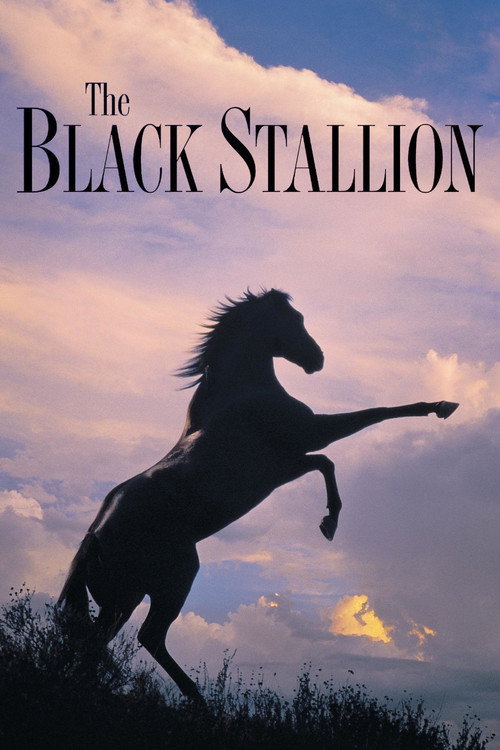
The Black Stallion1979
A boy and a horse, a shipwreck, a con artist who befriends them—it's intimate, beautifully shot, and runs on pure storytelling. Tom Burlinson is exactly right. No cynicism, no tricks.
But It's quiet and patient. There's a racing sequence at the end, but most of the film is about trust between a kid and an animal. That will bore you if you need plot momentum.
Not sure tonight? Get a pick in a minute, starting from Flesh + Blood
The wildcard
Something you would not have found on your own.
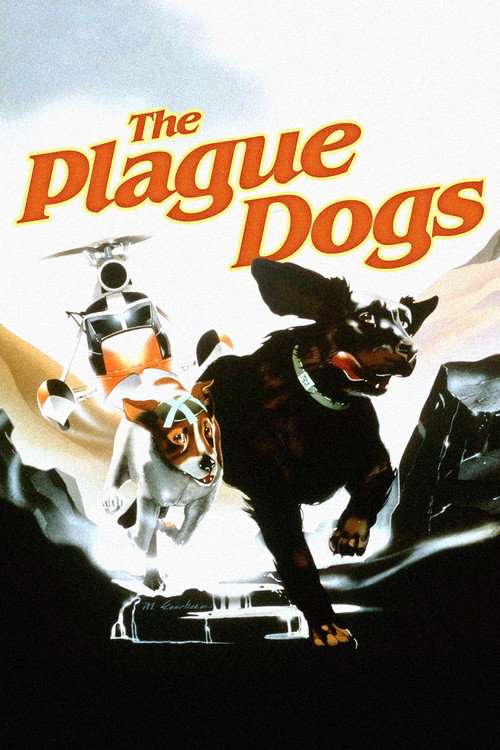
The Plague Dogs1982
Both pit desperate creatures against an indifferent world that will kill them without hesitation. The mercenaries and the dogs share the same trajectory: hunted, cornered, slowly suffocating under the weight of circumstance.
An animated film about two dogs escaping a research facility into a world hostile to their existence. It's violent, bleak, and animated—which makes the despair hit differently. The animation is stunning and the story unflinching.
But It's drawn-out misery. Nothing is resolved, the dogs don't triumph, and you will leave feeling genuinely unsettled. Animation will not soften the weight of what happens to them.
More like this (8)
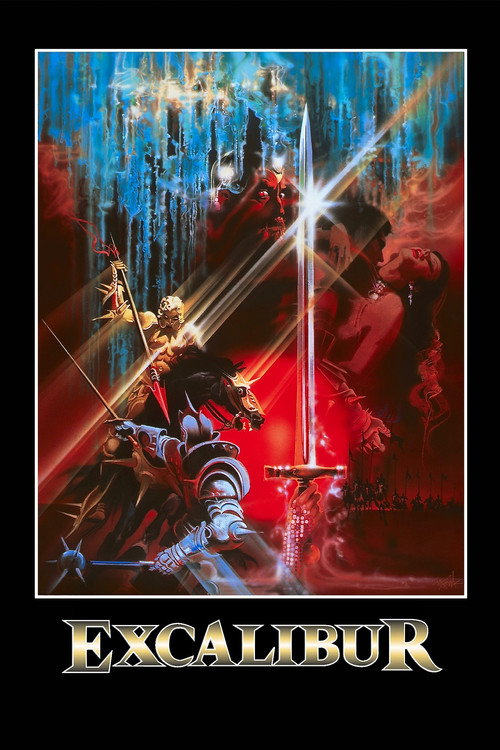
Excalibur1981
Boorman's Arthurian epic has the same rough magic and sexual violence, the same collapse of a world. It's mythic rather than gritty, but the atmosphere—mud, fog, absolute stakes—mirrors Verhoeven's vision entirely.
But The acting is operatic. If you want naturalism, you'll find the dialogue arch and the delivery overwrought. Some find it pretentious; it's actually just committed.
The Ballad of Little Jo1993
A woman becomes a man to survive the frontier. Elliot's direction is sparse and unsentimental, the landscape is hostile, the moral compromises pile up. It doesn't look away from what survival costs.
But It's a period piece that moves deliberately and doesn't explain itself. The revenge fantasy is muted—this is about endurance, not satisfaction.

Stalker1979
Tarkovsky's sci-fi meditation on desire and delusion. Three men journey into a mysterious zone; the real conflict is internal, the atmosphere is hypnotic. It's about how we talk ourselves into things.
But It's 163 minutes of slow cinema with long takes and philosophical dialogue. There's no action. If you expect momentum, you'll find it punishing.

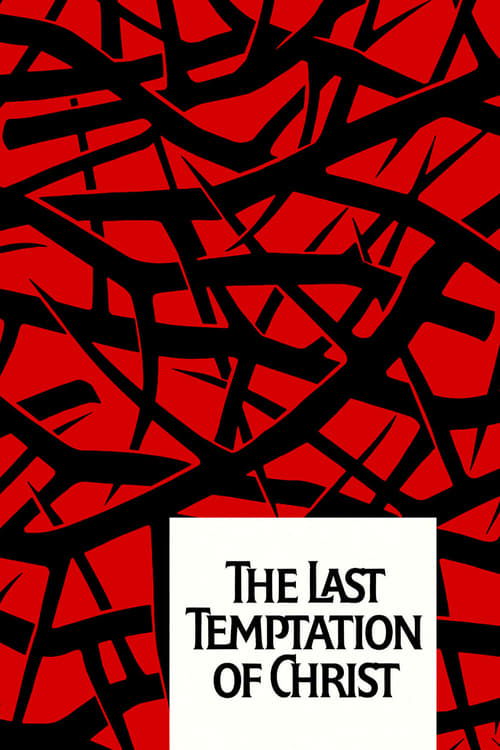
The Last Temptation of Christ1988
Scorsese's uncompromising retelling refuses easy piety. It's morally complex, visually raw, and willing to sit with suffering and doubt. A film that respects your intelligence and doesn't offer comfort.
But It's controversial for good reason—the film genuinely grapples with blasphemy and temptation. If you want straightforward faith narrative, this will upset you.
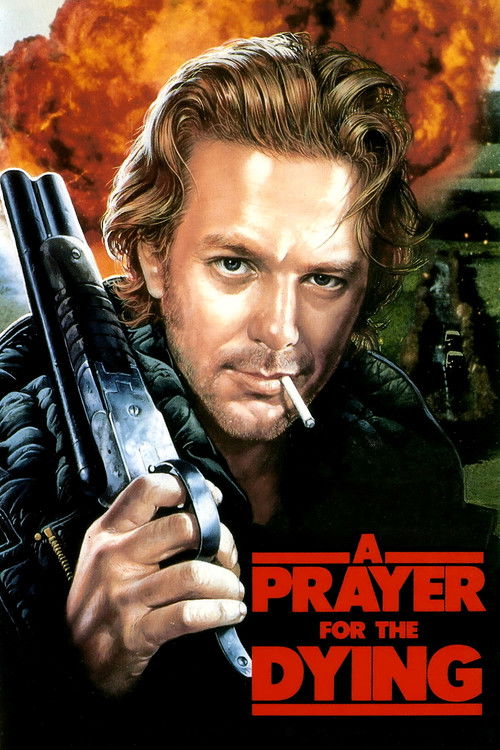
A Prayer for the Dying1987
Mickey Rourke as a troubled IRA gunman; Bob Hoskins as a priest. It's tense, intimate, and sits at the intersection of violence and grace. Bob Hoskins is extraordinary in it.
But The script is sometimes clumsy and the pacing stalls. It wants to be profound but doesn't quite earn it. A good film, not a great one.
Under the Skin2014
Scarlett Johansson drives through Scotland picking up hitchhikers. It's quiet, strange, hypnotic—a film about predation and indifference. Pure cinema, almost no dialogue, entirely its own thing.
But It's willfully obscure and makes you do all the emotional work. If you need narrative clarity or conventional plot, it will frustrate you intensely.

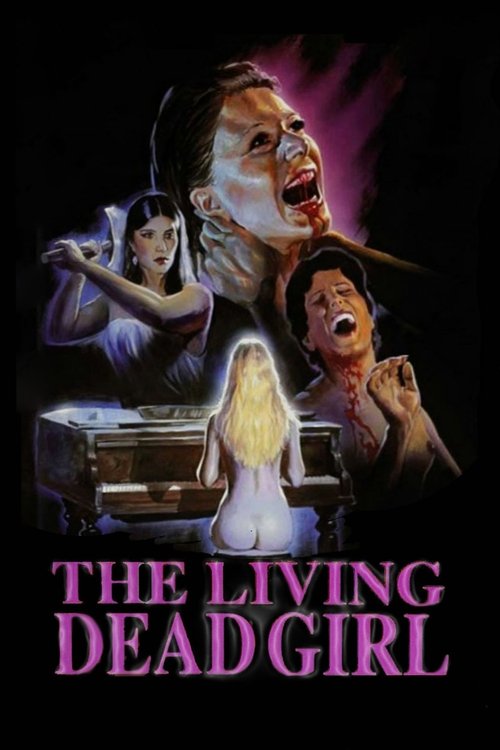
The Living Dead Girl1982
Both films are about bodies corrupted—by plague, by violence, by time—and treat decay as a visual language rather than something to hide. Both are unafraid of sexuality in spaces where you might not expect it.
French horror film about a woman returned from the dead and the friend who awakens her—eroticism and decay intertwined. Jean Rollin's direction is painterly and sensual; it moves between beauty and nightmare without apology.
But It's deliberately paced, minimally plotted, and European in its refusal to explain itself. The eroticism might be unsettling. If you need story momentum, you're watching the wrong film.
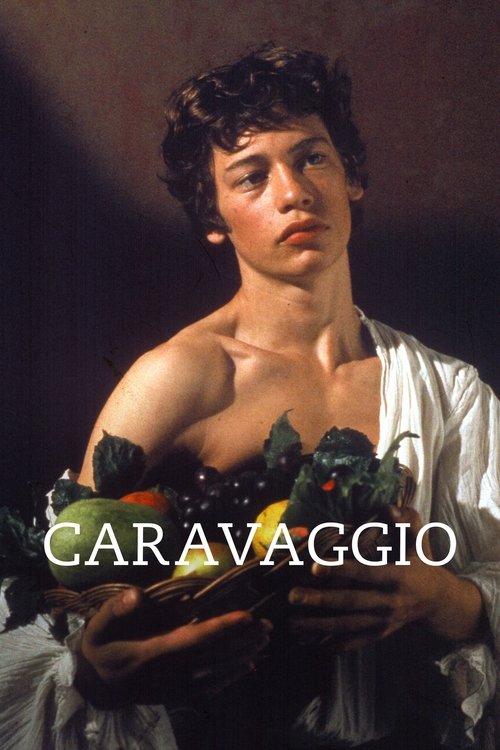
Caravaggio1986
Both are 1980s European films that refuse the cleanliness of period drama. Flesh + Blood uses medieval settings to ask about power and the body; Caravaggio uses Baroque painting the same way—as spaces where desire and violence are inseparable from beauty.
Derek Jarman's film about Caravaggio, the painter—it's painterly, homoerotic, and uses the Baroque as a space to think about violence, lust, and creation. Jarman treats history as alive and morally ambiguous, not safely past.
But It's experimental and fragmented. The narrative doesn't follow conventional biography, and Jarman's style is oblique. If you expect clear storytelling about a historical figure, this will confuse and irritate you.
People
Cast
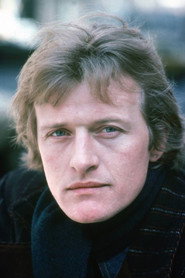 Rutger HauerMartin
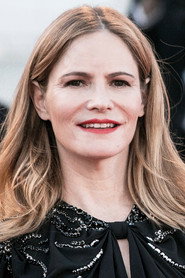 Jennifer Jason LeighAgnes
- Tom BurlinsonSteven
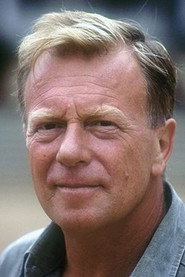 Jack ThompsonHawkwood
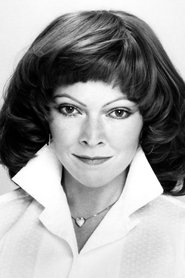 Susan TyrrellCeline
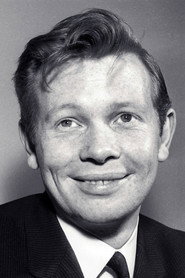 Ronald LaceyCardinal
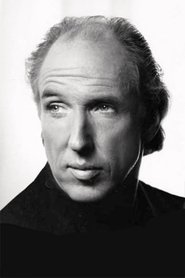 Brion JamesKarsthans
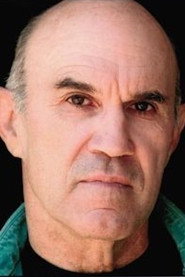 John Dennis JohnstonSummer
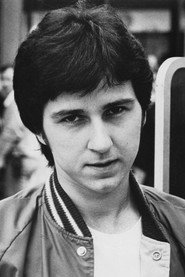 Bruno KirbyOrbec
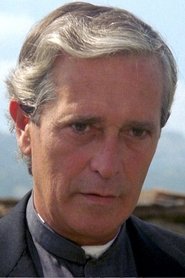 Fernando HilbeckArnolfini
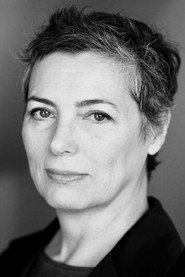 Marina SauraPolly
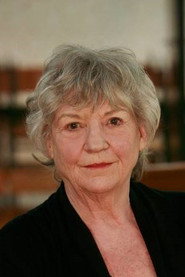 Kitty CourboisAnna
Directing
- Paul VerhoevenDirector
- Jindra MarkusFirst Assistant Director
- Rachel GriffithsScript Supervisor
Writing
- Gerard SoetemanScreenplay
- Paul VerhoevenScreenplay
- Gerard SoetemanStory
Production
- José Antonio Sáinz de VicuñaAssociate Producer
- Jane FeinbergCasting
- Mike FentonCasting
- Valorie MassalasCasting
- Gijs VersluysProducer
- Joe MurphyProduction Accountant
- Carlos OrengoProduction Manager
- Malcolm R. HardingProduction Supervisor
- Remmelt RemmeltsUnit Production Manager