
Film
Vasantasena
A 1941 Kannada drama of courtly intrigue and passionate love, where a wealthy courtesan and a ruined merchant find themselves caught between desire, duty, and the rigid hierarchies of their world. Shot with luminous restraint, it moves like chamber theatre—intimate, precise, morally complicated. For those who want cinema that knows the weight of a glance.
If you liked this
Devdas1935
Bimal Roy's tragic masterpiece about impossible love across class lines, with the same doomed intensity and visual sophistication. A man destroyed by passion, a woman trapped by circumstance—both films understand how social order crushes individual feeling.
But The pacing is deliberate and melancholic; if you want plot momentum or a lighter touch, this will feel punishingly slow and airless.
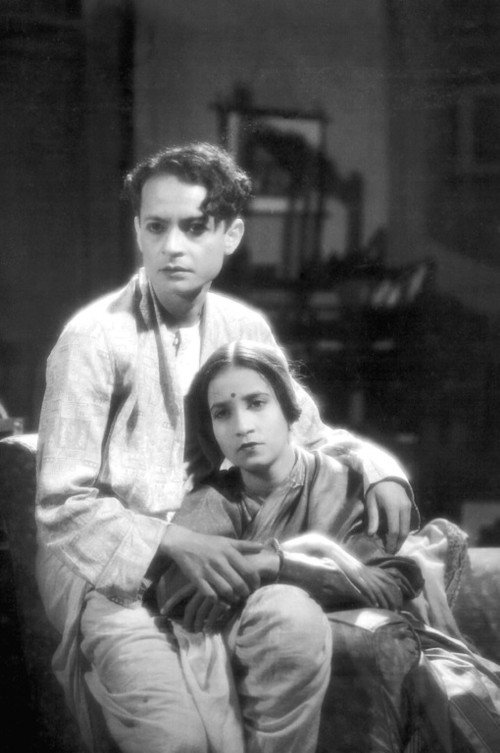
Sahib Bibi Aur Ghulam1962
A later Hindi film that revisits the same territory—desire between unequals, moral corruption within privilege, a woman's agency erased by the men who desire her. Shot with similar visual restraint and emotional precision.
But It's nearly three hours long and asks you to sit with discomfort rather than resolve it. The ending offers no catharsis, only recognition.
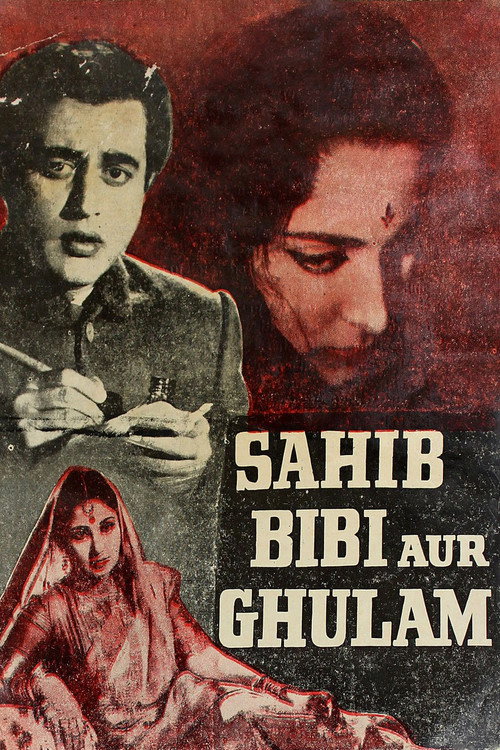
Pakeezah1972
A Kathak dancer and a courtesan seeking redemption through love; operatic melodrama shot with obsessive visual beauty. It shares Vasantasena's fascination with women whose profession marks them as untouchable, and their hunger for respect.
But The romanticism can feel excessive if you're skeptical of redemption narratives, and some scenes border on self-parody in their visual excess.
Not sure tonight? Get a pick in a minute, starting from Vasantasena
The wildcard
Something you would not have found on your own.
The Seashell and the Clergyman1928
Both films understand passion not as a plot device but as a force that dissolves the self. Both treat the woman's desire with absolute seriousness, not as a complication but as the real story. The Seashell approaches it through surrealism; Vasantasena through classical restraint—but the emotional urgency is identical.
A Surrealist silent film about desire, obsession, and the impossible gulf between what the body wants and what society permits. Shot with dreamlike fluidity, it's a completely different register but shares Vasantasena's understanding of how desire unmakes reason.
But It's abstract, sometimes impenetrable, and makes no concession to conventional narrative. If you need plot and character clarity, this will frustrate you entirely.

More like this (4)
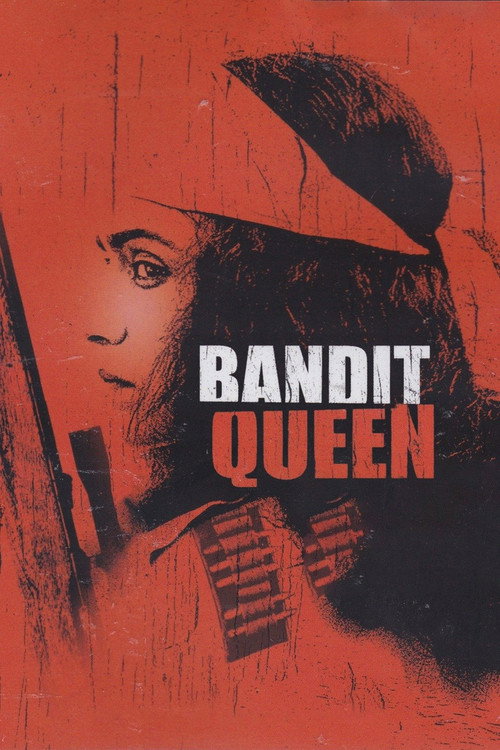
Bandit Queen1994
Another film about a woman fighting against the social structures designed to contain her, told with unflinching realism. It shows how these questions—power, desire, agency—remain urgent across decades of Indian cinema.
But This is a brutal film about violence and exploitation. It's necessary, not comforting, and some scenes are genuinely hard to watch.
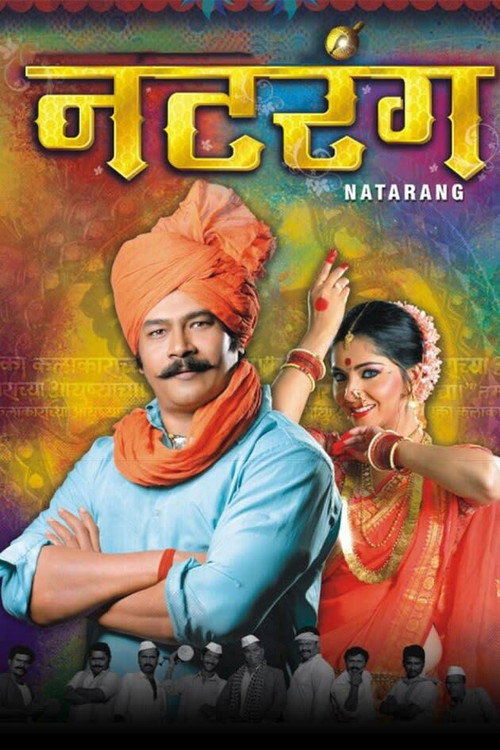
Natrang2010
A Marathi film about theatre, obsession, and the blurred line between performance and identity. It echoes Vasantasena's understanding of courtesans and actors as figures who live between worlds, never fully belonging to either.
But It's a long film about a slow descent, and the tragedy it unfolds is almost unbearably intimate. Not a happy evening.
Umrao Jaan1981
Muzaffar Ali's lush period drama about a courtesan in Lucknow navigating love, loyalty, and her impossible position in society. The visual style is sumptuous; the emotional core explores the same impossible mathematics Vasantasena lives within.
But The romance can feel like it's asking you to forgive structures that are fundamentally unjust. If that bothers you, it will gnaw at you.

Satantango1994
Both films move at the pace of consequence rather than plot. Both understand that the real drama is internal—the moment someone accepts they cannot have what they want, or decides to reach for it anyway. Both are shot with absolute compositional precision. Both trust silence and stillness.
A seven-and-a-half-hour Hungarian film about a community's slow moral degradation, filmed in long takes that let you watch the precise moment people choose compromise over integrity. It sounds punishing but it's hypnotic. You emerge understanding something about how we live.
But It is genuinely, brutally long. If you cannot sit still for seven hours in a cinema without checking your phone, do not attempt this. But if you can, it will change you.

People
Cast
- Lakshmi BaiVasantasena
- Subbaiah NaiduCharudatta
- R. Nagendra RaoSakara
- S. K. PadmadeviMadanika
Directing
- RamayyarDirector
Writing
- R. Nagendra RaoWriter