
Film
Devdas
Other titles called Devdas: the 1955 film, the 2002 film.
- Social drama
- Romance
- Very dark
The 1935 Bengali adaptation of a beloved story about impossible love, class rupture, and self-destruction. A zamindar's son and his childhood sweetheart are torn apart by caste and wealth, propelling him toward Calcutta, alcohol, and the arms of a courtesan. Gorgeously composed tragedy, nearly lost to fire.
Should you watch it?
Watch it if you want a slow, sorrowful romance told in careful stillness, where the mood of longing matters more than plot, and you are curious how early Indian cinema found its voice.
Skip it if the surviving copy is badly damaged, with roughly forty percent lost, and the 1930s stagecraft and melodramatic acting can feel stagey to anyone raised on modern pacing.
What it asks of you: Settle in for just over two hours of unhurried scenes, with long pauses and mournful glances carrying what dialogue usually would, at an old-fashioned tempo.
Not sure? Find tonight's pick in a minute.
If you liked this
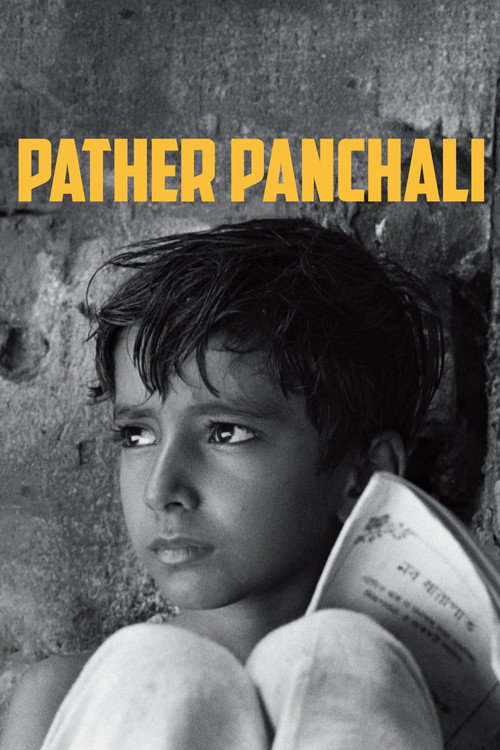
Pather Panchali1955
Ray's masterpiece about rural Bengali life has the same emotional depth and visual poetry. If you're drawn to early Indian cinema's ability to capture nuance in human suffering, this is essential.
But Deliberately paced in a way that modern viewers sometimes find slow; it demands patience and rewards stillness.
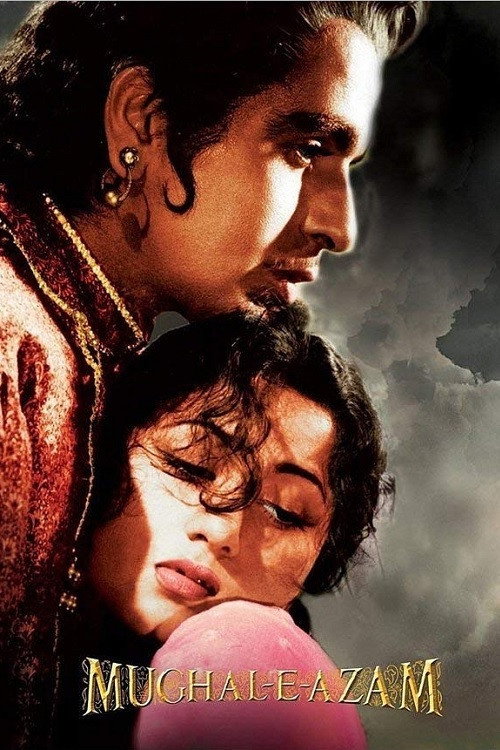
Mughal-e-Azam1960
Another Indian classic about lovers separated by duty and circumstance, told with operatic grandeur and technical innovation. The music and spectacle are extraordinary without ever overwhelming the emotional core.
But At nearly three hours and in black-and-white, it's a significant commitment, and the melodrama is unapologetic.
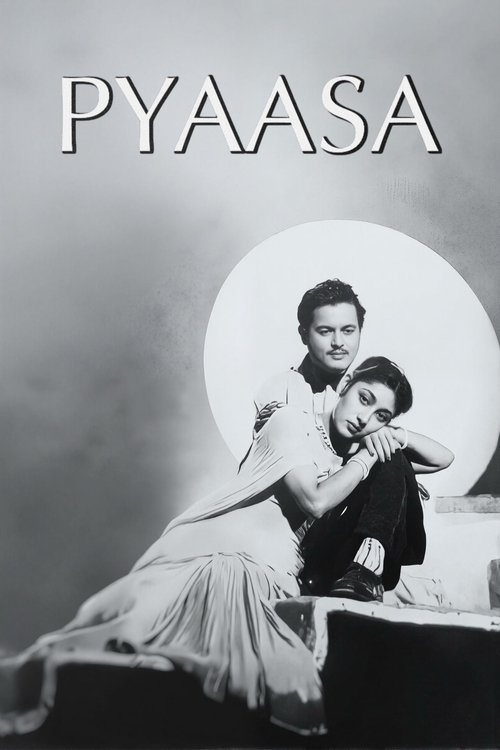
Pyaasa1957
Guru Dutt's masterpiece about a poet destroyed by rejection and poverty, drinking himself into oblivion while an unforgettable woman tries to save him. The structure mirrors Devdas exactly—and it's even more devastating.
But Relentlessly bleak. There are no moments of respite, and the sadness is uncut by comedy or redemption.
Not sure tonight? Get a pick in a minute, starting from Devdas
The wildcard
Something you would not have found on your own.
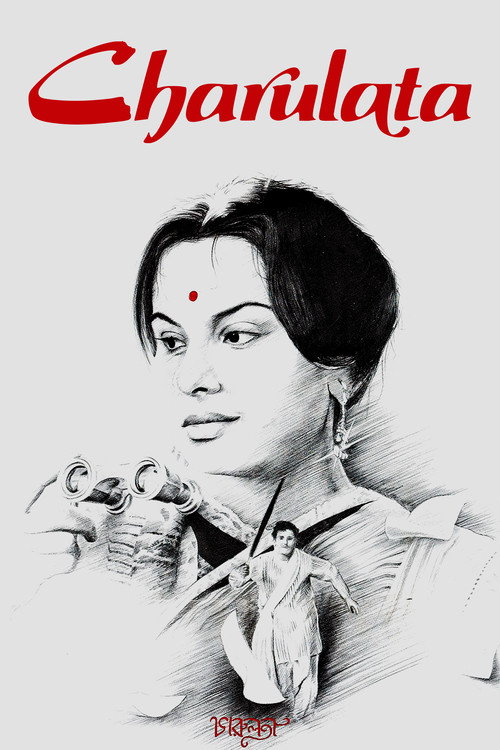
Charulata1964
Ray's direct artistic conversation with the Bengali literary tradition Devdas belongs to, reframing the impossible love story through a woman's consciousness and agency.
Satyajit Ray's exquisite film about a woman falling in love with her brother-in-law—impossible love, again, but told from her perspective and with the complexity Devdas denies the women in its story. Ray's response to the Devdas tradition.
But Subtitled, black-and-white, and primarily internal; very little plot happens in the conventional sense.
More like this (8)
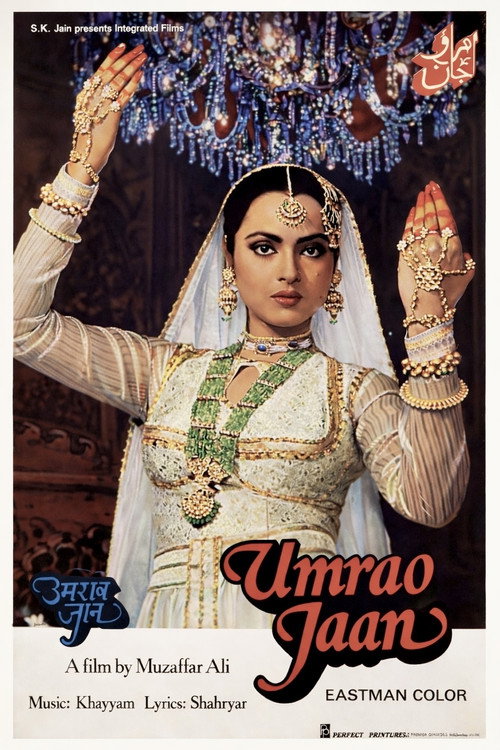
Umrao Jaan1981
Another Devdas retelling, but from the perspective of the courtesan. Rekha's performance is luminous, and it reclaims agency for the woman at the story's centre. A profound reframing of the same tale.
But If you know the Devdas structure already, the plot beats are familiar, though the emotional weight shifts entirely.
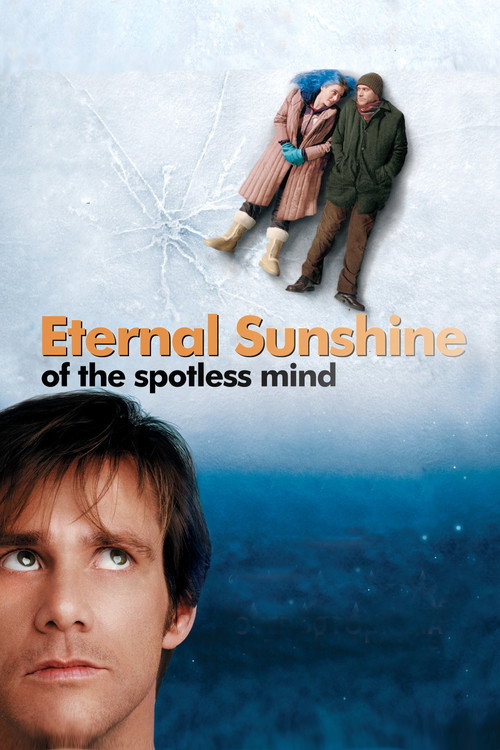
Eternal Sunshine of the Spotless Mind2004
A modern meditation on the impossibility of forgetting someone, with the same tragic architecture—two people who can't be together, memory as both curse and treasure. Utterly different in tone but kindred in spirit.
But Science fiction framing and fractured narrative might feel worlds away from 1935 Bengali classicism.
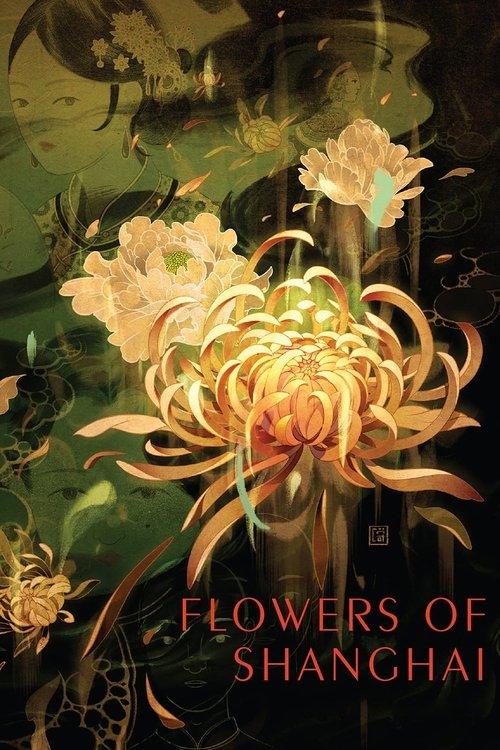
Flowers of Shanghai1998
Hou Hsiao-hsien's film about courtesans in 1880s Shanghai, composed in tableaux of stunning beauty. Visual storytelling as complete as Devdas, with similar themes of love trapped by economics and circumstance.
But Extraordinarily slow and wordless; some will find it more like watching paintings than narrative cinema.
Brief Encounter1945
Coward and Lean's aching portrait of two people who love each other but cannot be together. The restraint, the stolen moments, the class anxieties—all echo Devdas's core tragedy.
But Very British in its emotional reserve; the passion is all subtext, which some find more frustrating than cathartic.

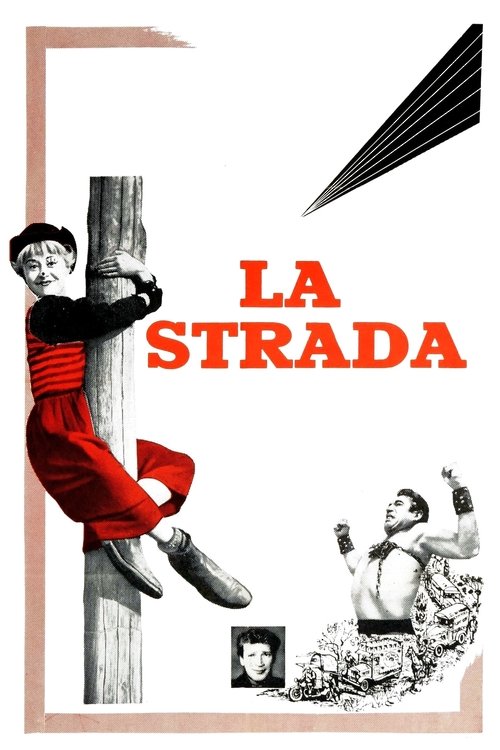
La Strada1954
Fellini's tale of a woman bound to a cruel, self-destructive man through love and circumstance. The fairground setting and loose narrative feel nothing like Devdas, but the moral and emotional logic is identical.
But The protagonist's abuse and degradation are difficult to watch, and there's no question this is the point—it will not comfort you.
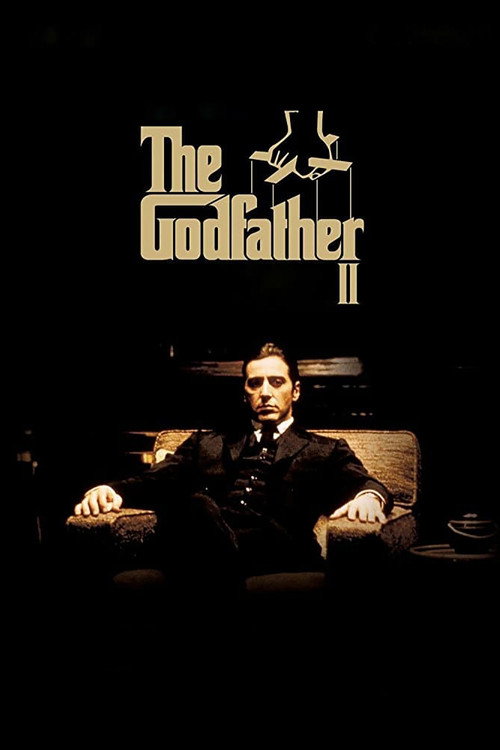
The Godfather Part II1974
The parallel flashback structure shows a man destroyed by the weight of family legacy and impossible choices, much like Devdas's spiral. Epic in scope but intimate in its portrait of how circumstance breaks people.
But Nearly four hours, and the crime drama framework is very different from romantic tragedy; some will find it a stretch.
Ikiru1952
Both explore how external constraints—class, duty, circumstance—drive men toward their own annihilation. Ikiru asks what happens when you obey too well; Devdas asks what happens when you rebel too little.
Kurosawa's film about a man dying of cancer who realizes he's wasted his life in joyless duty. Not a love story, but an exploration of self-destruction through adherence to the wrong rules—the inverse of Devdas's self-destruction.
But Profoundly sad in a different register; bureaucratic and existential rather than romantic. Some find it colder than cathartic.

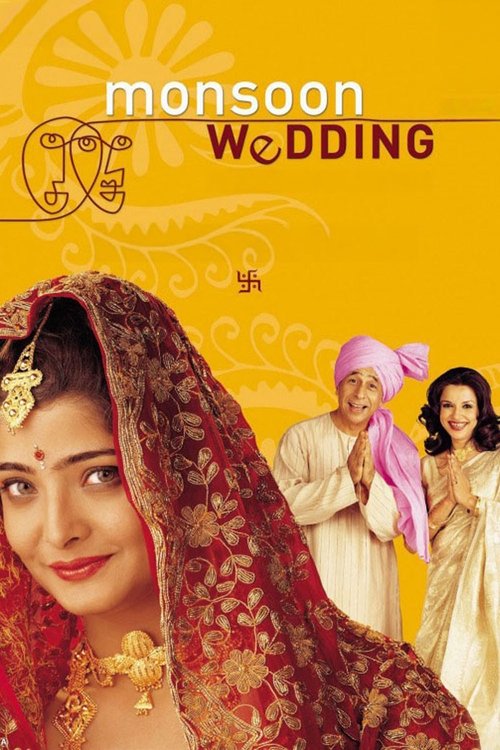
Monsoon Wedding2001
Both use Indian weddings and family obligation as their structural spine. Monsoon Wedding rewrites Devdas as a story where love and duty don't have to be enemies—a deliberate corrective to the tradition.
Mira Nair's vibrant film set in Delhi during wedding season, with echoes of Devdas's original material but saturated in colour, music, and the possibility of happiness. It's what the Devdas story becomes when trauma is named and confronted.
But The tonal shift from tragedy to joy might feel like a betrayal if you're seeking the purity of unresolved sorrow.
People
Cast
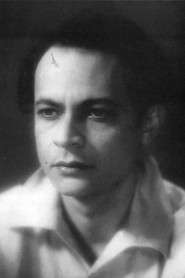 P.C. BaruaDevdas
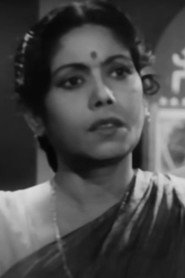 Chandrabati DeviChandramukhi
- Jamuna BaruaParvati
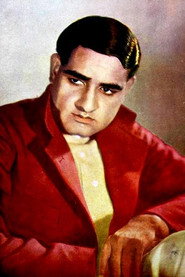 K.L. SaigalCameo (guest at Chandramukhi's house)
Directing
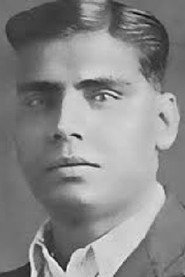
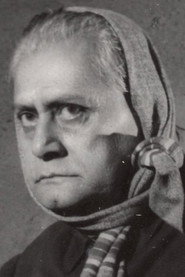
- P.C. BaruaDirector
Writing
- Saratchandra ChatterjeeNovel
- P.C. BaruaWriter