
Film
Abhimanyu
A 1948 Tamil fantasy film drawing from the Mahabharata's beloved story of Abhimanyu, the tragic young warrior. This is cinema as mythic spectacle—elaborate, reverent, deeply rooted in classical Indian epic tradition. For anyone curious about how Indian cinema adapted ancient stories in its early decades, or who loves grand mythological drama.
If you liked this
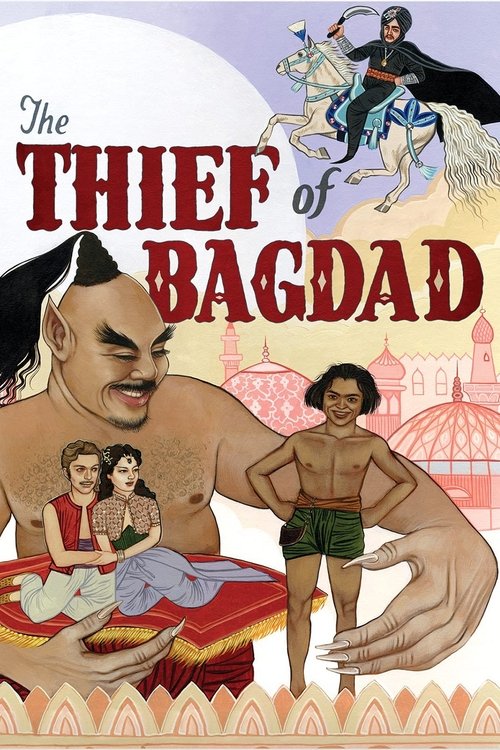
The Thief of Bagdad1940
A predecessor in the fantastical adventure tradition, using practical effects and matte paintings to conjure impossible worlds. Lush, theatrical, unashamed of its artifice.
But The pacing is deliberate and the tone highly stylized—not the rapid-cut spectacle modern audiences expect.
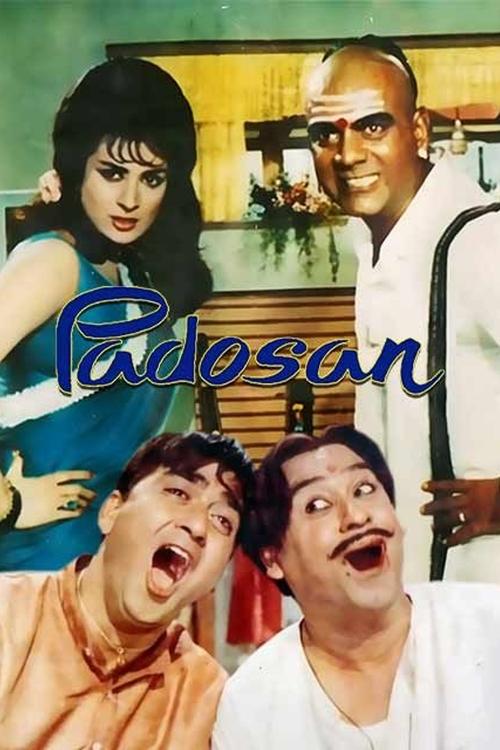
Padosan1968
A later Tamil classic showcasing the same cultural and theatrical traditions. Lighthearted where Abhimanyu is grave, but from the same artistic lineage.
But Entirely different in mood and genre—a romantic comedy rather than mythic drama.
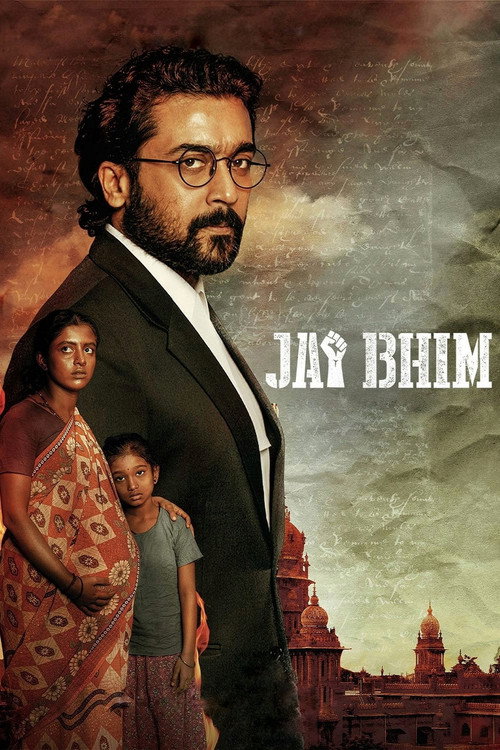
Jai Bhim2021
A recent Tamil film that honors historical and cultural weight with seriousness and craft. Shows how Tamil cinema has evolved while keeping its moral core intact.
But Contemporary in setting and style, so stylistically nothing like a 1948 fantasy film.
Not sure tonight? Get a pick in a minute, starting from Abhimanyu
The wildcard
Something you would not have found on your own.
Harakiri1962
Both center a young warrior whose fate is sealed by the codes of his world. Abhimanyu's inevitability is mythic; Harakiri's is existential—but the emotional geometry is identical.
A Japanese masterpiece about honor, ritual, and the weight of ancient codes. Like Abhimanyu, it's built on the tragedy of a young man bound by duty he cannot escape.
But Brutally austere and nihilistic—no fantasy gloss, no comfort, filmed in severe black-and-white.

More like this (8)
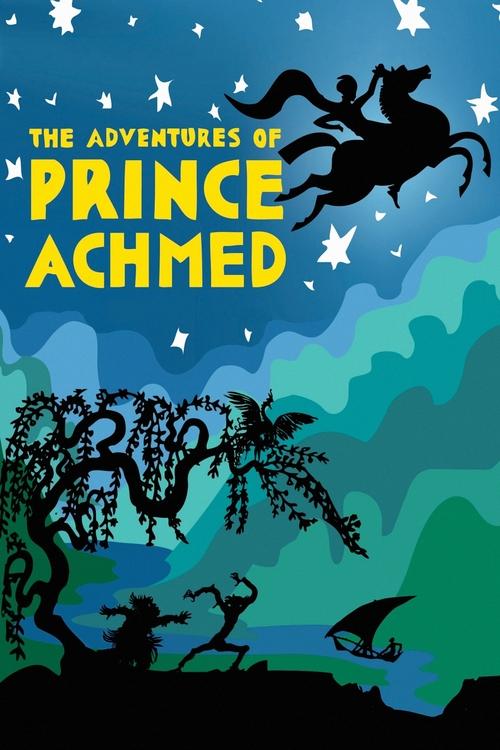
The Adventures of Prince Achmed1926
An even earlier silhouette-animation fantasy from German cinema, contemporary with Abhimanyu's era. Proves mythological spectacle transcended cultures in early cinema.
But Silhouette animation is visually unlike anything else; some find it claustrophobic rather than magical.
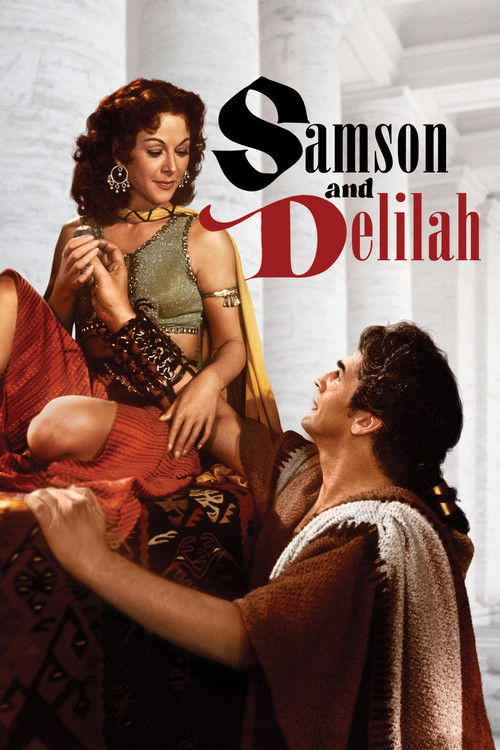
Samson and Delilah1949
A Hollywood biblical epic from the same year, showing how Western cinema was also mining mythology for grand theater at exactly this moment.
But Entirely different cultural tradition and Hollywood sensibility—glossy where Abhimanyu would be reverent.
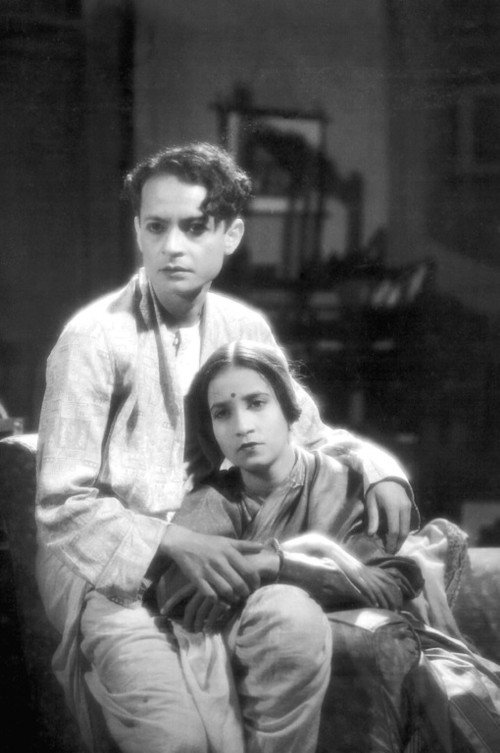
Pather Panchali1955
The landmark Bengali film that defined Indian cinema internationally. Shows the artistic ambitions and visual poetry of Indian filmmaking in the decade after Abhimanyu.
But Neorealist and intimate rather than fantastical; the opposite aesthetic approach.

Devdas1935
An earlier Bengali adaptation of classical literature, proving the tradition of adapting great stories for cinema was well-established across India.
But Melodramatic by modern standards, and entirely focused on romantic tragedy rather than epic action.
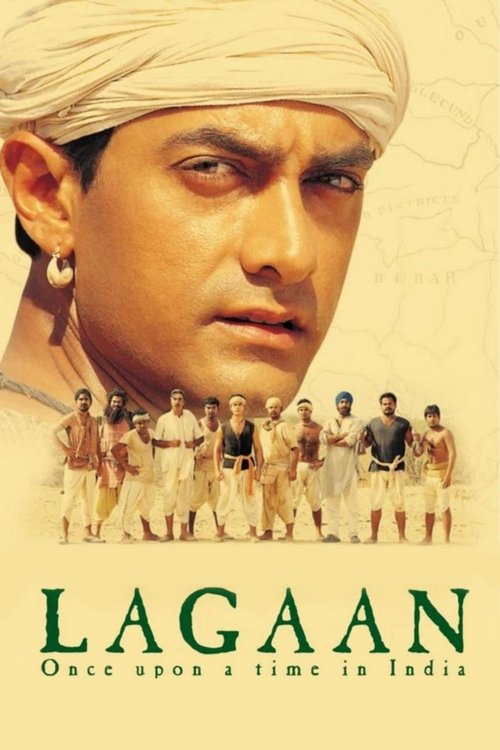
Lagaan: Once Upon a Time in India2001
A beloved Indian epic that proved grand mythic storytelling could still move modern audiences. Shows the lineage from Abhimanyu through decades to contemporary success.
But Historical drama rather than fantasy—grounded in the real, not the mythological.
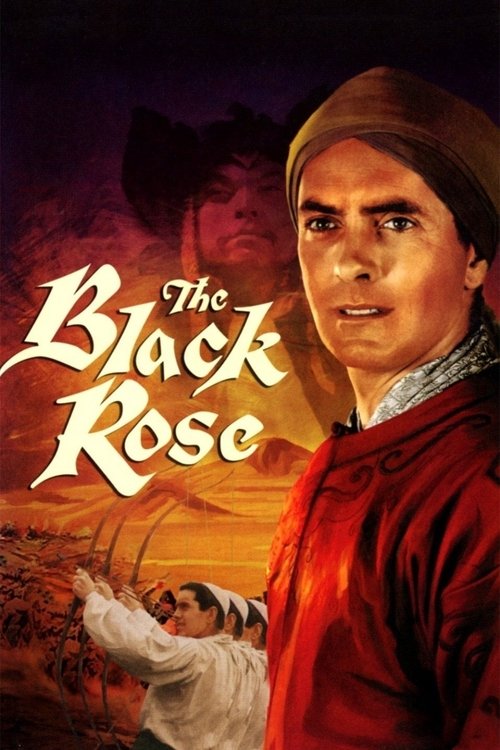
The Black Rose1950
A Technicolor adventure from the same era, demonstrating how international cinema was handling spectacle and mythology in the late 1940s.
But Superficial adventure rather than serious mythological drama; very much a studio product.
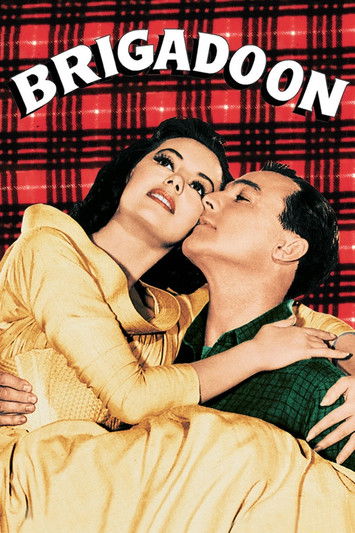
Brigadoon1954
Both are fantasies that prioritize spectacle and ceremony over naturalism. Both use cinema to build worlds governed by their own logic rather than ours.
A musical fantasy where an entire village exists outside time. Gorgeously artificial, theatrical, unapologetically staged rather than realistic.
But A Hollywood musical with twee romance as its core. The tone is enchanted whimsy, not mythic grandeur.
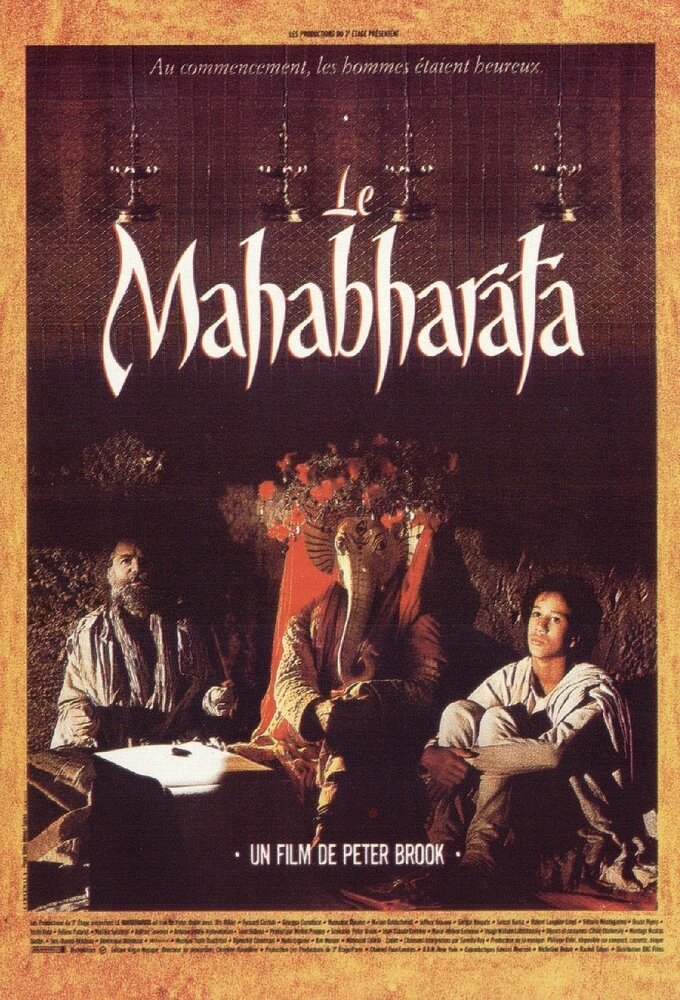
The Mahabharata1990
Both tell the same epic source material but in utterly different registers: Abhimanyu in 1948 Tamil fantasy spectacle, Brook's in 1989 international minimalist theater. Seeing both shows how the same story bends to its medium.
Peter Brook's legendary nine-hour stage adaptation, filmed with international actors on minimal sets. Not a film, not quite a play—its own strange, hypnotic form. Pure storytelling, no fantasy tricks needed.
But Nearly ten hours long, deliberately austere in staging, and requires patience with theatrical rather than cinematic pacing. Dense and demanding.
People
Cast
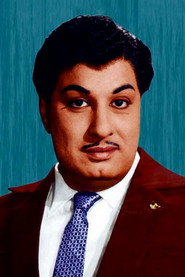 M. G. RamachandranArjunan
- M. R. SanthanalakshmiSubhadra
- S. M. KumaresanAbhimanyu
- T. D. SrinivasanDushathanan
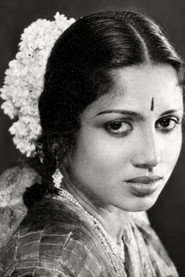 C. T. RajakanthamSupporting Actor
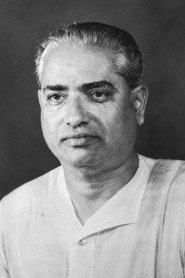 D. BalasubramaniamDuryodhana
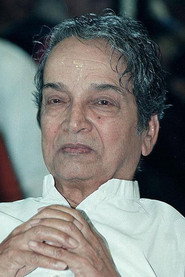 M. N. NambiarLakkanan
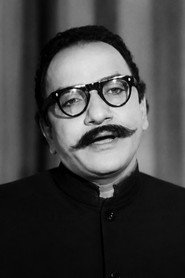 M. R. SanthanamIndra
- MS BhagyamMagic Girl
- Marudur Gopala ChakrapaniBalarama
- PV Narasimha BharathiKrishna
- Pulimoottai RamasamyKatodhgaja
Directing
- A. KasilingamDirector
- M. SomasundaramDirector
Writing
- Bhoomi PalakadasLyricist
- Papanasam SivanLyricist
- A. S. A. SamyWriter
- M. KarunanidhiWriter