Television series
The Mahabharata
B.R. Chopra's monumental 1990 television adaptation of the Mahabharata is an epic serialised retelling of India's most sacred and complex religious text. Shot across 94 episodes, it brings the ancient Sanskrit poem to life through devotional drama, philosophical grandeur, and a reverence for the source material that feels almost liturgical. It's patient, sometimes slow, occasionally kitsch, but for anyone curious about Indian spirituality, narrative ambition, or simply what 90s Indian television could achieve, it's unmissable.
If you liked this
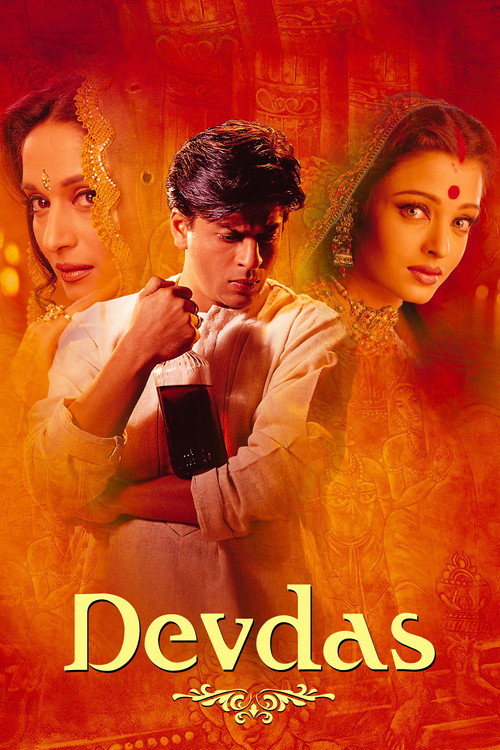
Devdas2002
An adaptation of a Bengali literary classic into Indian cinema, showing how Indian directors translate dense, morally complex source material. Epic in emotional scope if not scale.
But A romantic melodrama focused on love and degradation, not dharma and war. Completely different in genre and spirit, despite shared cultural roots.
Rang De Basanti2006
A modern Indian film about idealism, sacrifice, and moral duty—themes central to the Mahabharata. Shows how those ancient questions still animate Indian storytelling.
But Contemporary setting and style. If you're drawn specifically to classical, mythological, or historical narratives, this will feel entirely present-day.

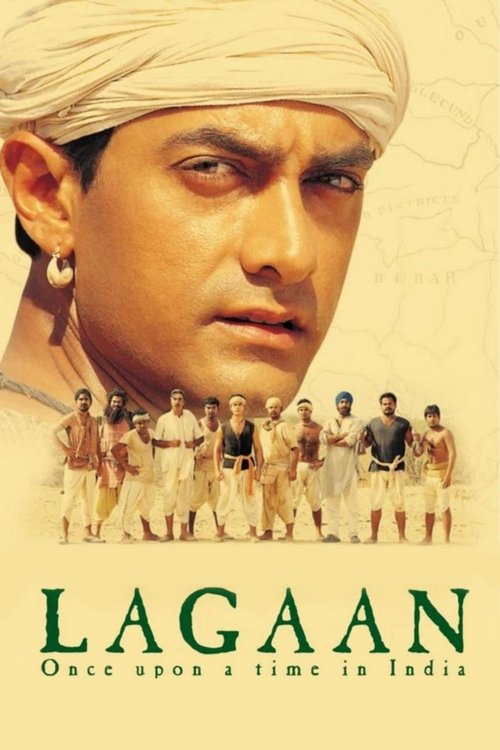
Lagaan: Once Upon a Time in India2001
An epic Indian film about resistance and collective will, three and a half hours long, showing Indian cinema's ambition and the narrative patience that Chopra's series represents.
But A cricket film, ultimately. If you have no interest in sports or period dramas, the premise itself may not hook you.
Not sure tonight? Get a pick in a minute, starting from The Mahabharata
The wildcard
Something you would not have found on your own.
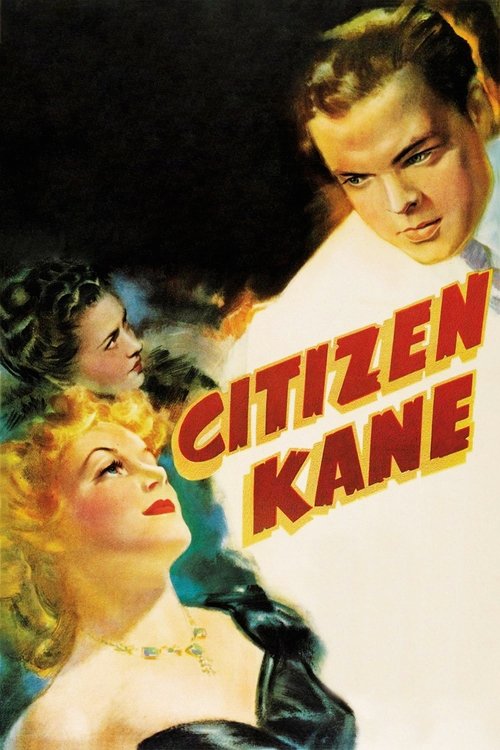
Citizen Kane1941
Both are architectural masterpieces about how power corrupts understanding, told through competing versions of truth rather than a single authoritative narrative.
Both works are about power, succession, moral complexity, and the difficulty of knowing the truth. Both unfold across multiple perspectives and timescales. Citizen Kane builds myth from individual lives; the Mahabharata builds myth from entire dynasties.
But A 1941 American film in black and white, 119 minutes, structured as a puzzle. Nothing is explained; it assumes you're watching closely. Tonally and visually it's the opposite of devotional television.
More like this (2)
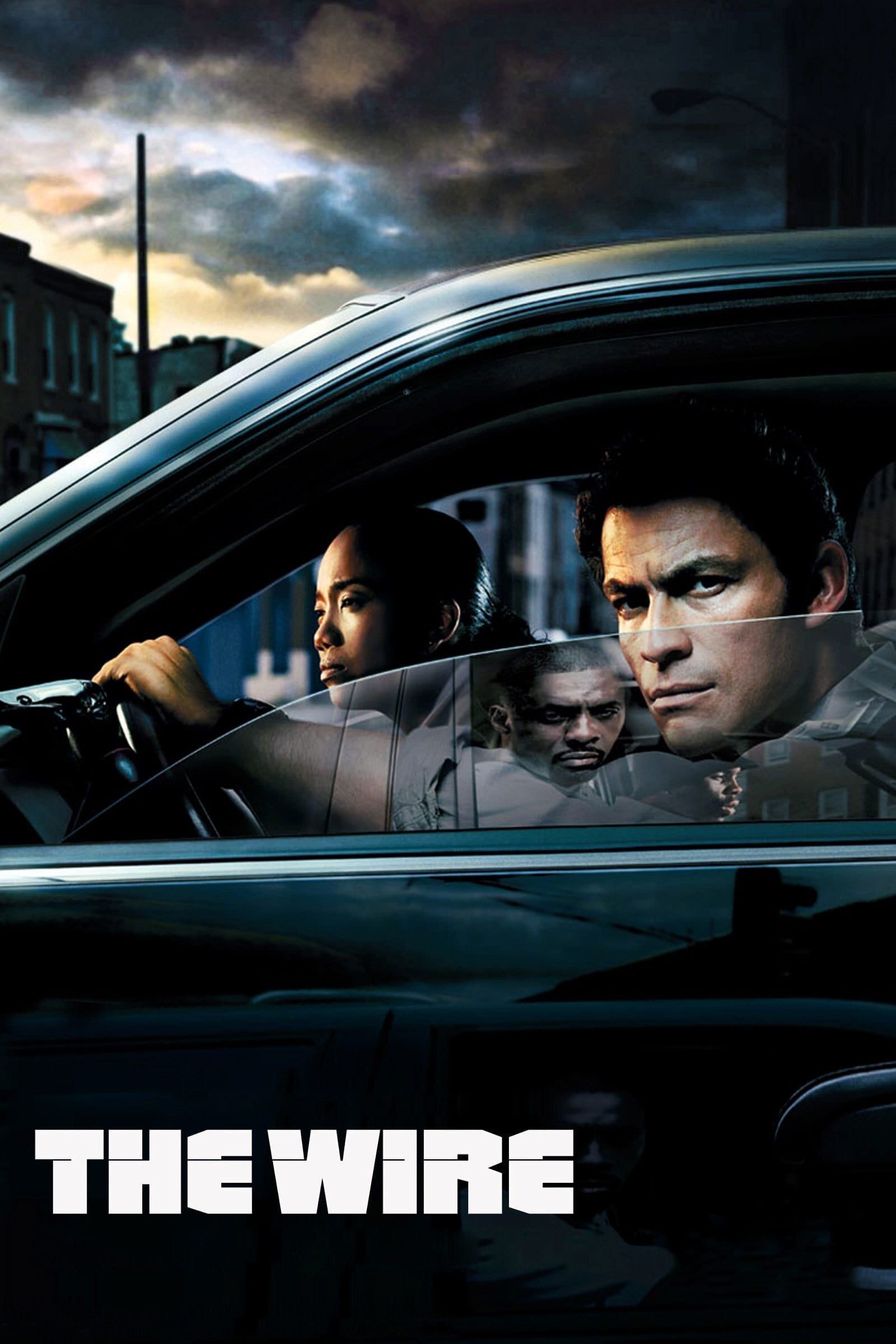
The Wire2002
Both works treat a vast ensemble with equal moral complexity, where nearly every character is partly right and partly wrong. Both suggest that the system matters more than individuals.
A 60-hour American television series that treats its ensemble cast and sprawling institutional drama with Shakespearean gravity. Like the Mahabharata, it refuses to simplify moral choice or offer easy heroes.
But Gritty, urban, profane Baltimore drug trade and police bureaucracy. If you want spiritual or mythological resonance, this is brutally secular and contemporary. Requires patience across seasons.
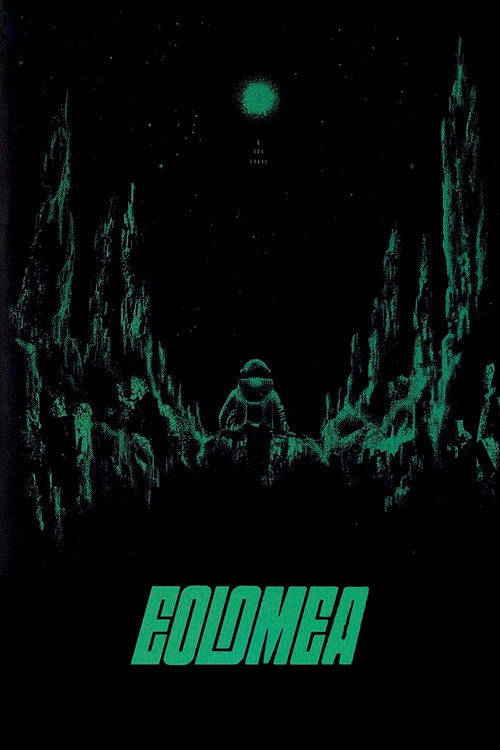
Eolomea1972
Both embrace a non-Western temporal and narrative logic where time functions differently, repetition matters, and transformation happens through accumulation rather than climax. Both trust the viewer to sit with strangeness.
A radically experimental Romanian science-fiction film about spiritual transformation across 142 minutes of hypnotic, minimalist cinema. Like the Mahabharata, it's patient, strange, and built on repetition and philosophical depth.
But Virtually plotless. Shot in desaturated colour, almost no dialogue, slow pacing. If you need narrative momentum or conventional drama, this will feel like watching paint dry—or worse, like watching paint that refuses to dry.