Film
Pushpak Vimaan
- Family drama
- Light-hearted
A gentle Marathi film about an elderly man's faith and his relationship with his grandson, anchored in the legend of Saint Tukaram and a mystical flying vehicle. It's tender and quietly funny, moving between the magical thinking of age and the skepticism of youth. Made for anyone who loves stories about belief, family, and the space between generations.
If you liked this
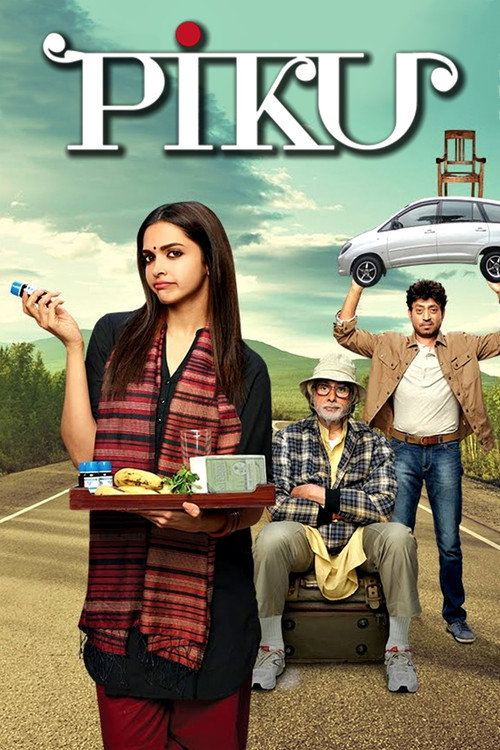
Piku2015
A Hindi film equally devoted to the texture of intergenerational family life—here between a daughter and aging father. Funny without ever mocking age, and deeply affectionate about the small rituals that bind people together.
But If you want plot momentum, this isn't it. The film moves at the pace of conversation and digression, which some find meditative and others find slow.
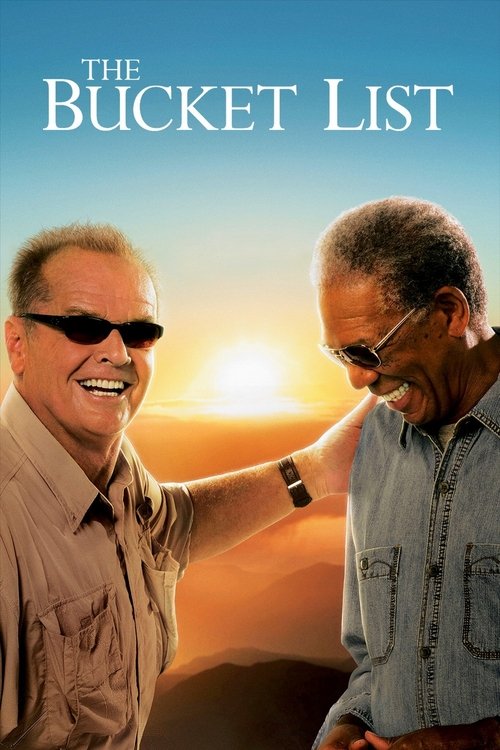
The Bucket List2007
Two older men confront mortality and faith through a road-trip fantasy. It has real warmth beneath the humor, and treats aging not as decline but as a distinct season with its own texture and dignity.
But The sentiment can feel calculated at moments, and the film trades in some fairly broad inspirational beats that don't always feel earned.
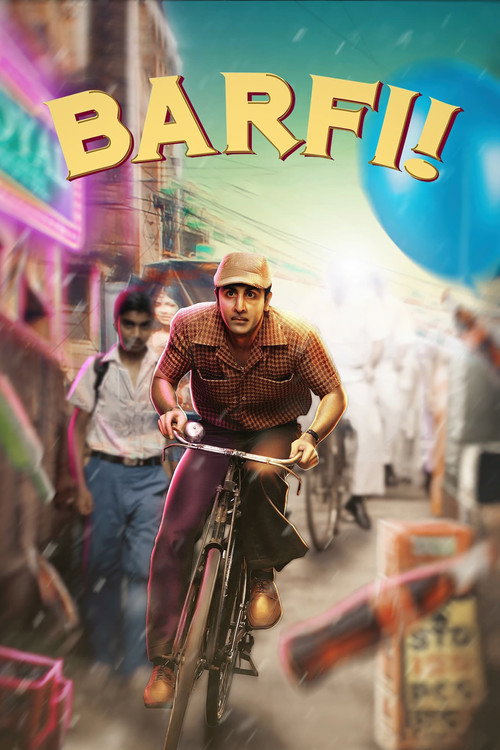
Barfi!2012
A Hindi film about communication across difference—here between deaf, mute, and autistic characters. It's playful and sincere in equal measure, and celebrates unconventional ways of understanding the world.
But The whimsy can tip toward cuteness, and some viewers find the tone inconsistent with its more serious moments.
Not sure tonight? Get a pick in a minute, starting from Pushpak Vimaan
The wildcard
Something you would not have found on your own.
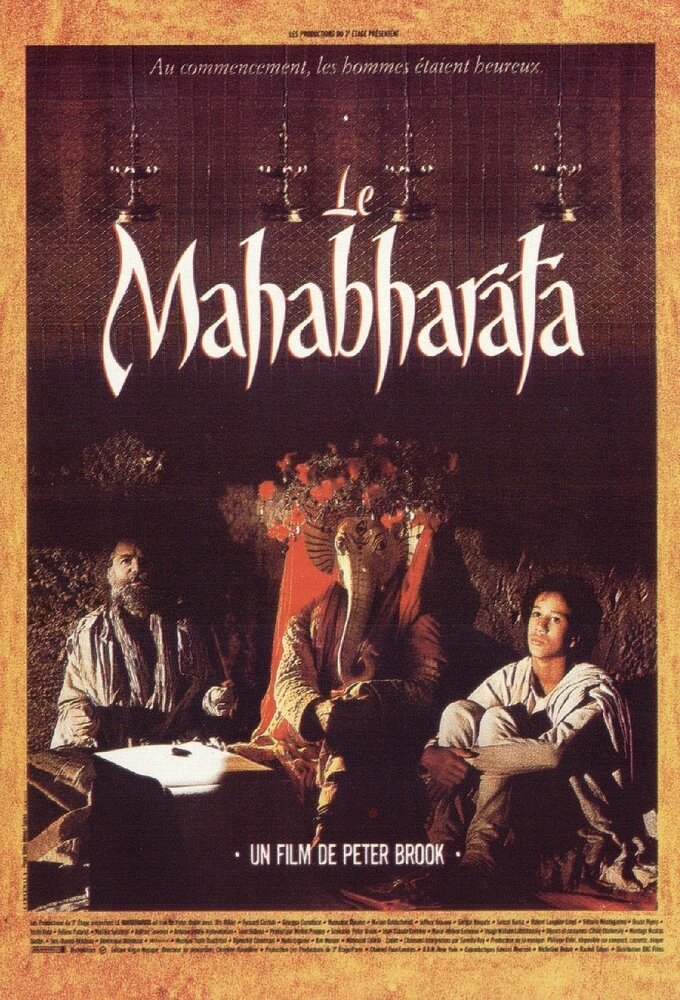
The Mahabharata1990
Both are rooted in Hindu spiritual philosophy and mythology; both trust that faith and story are inseparable from how we make sense of aging and mortality.
Peter Brook's twelve-hour television staging of the Sanskrit epic—which contains the Bhagavad Gita, Hinduism's text on duty, faith, and the meaning of life. It's how Pushpak Vimaan speaks the same religious and philosophical language as its ancestor texts.
But Twelve hours of theater filmed simply. No modern production values, no plot shortcuts. It's asking for a commitment that feels almost impossible in our moment.
More like this (7)
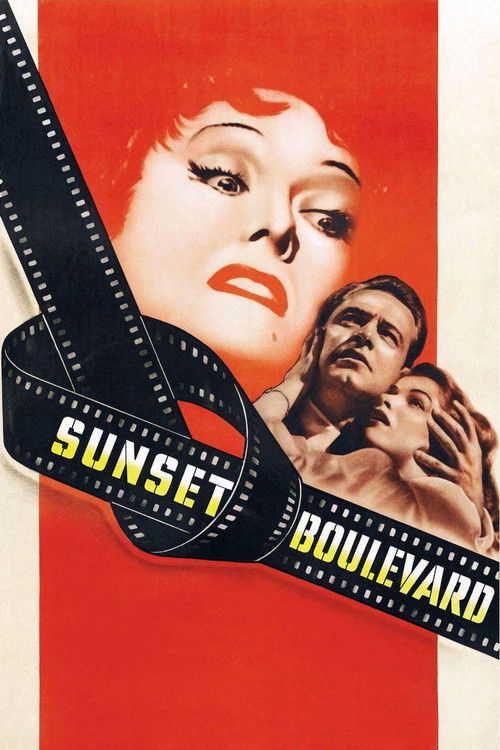
Sunset Boulevard1950
An American masterpiece about aging, obsession, and the gap between how we see ourselves and how the world sees us. It has the depth and formal brilliance that makes you understand why cinema matters.
But It's cynical and bleak—the opposite of Pushpak Vimaan's warmth. Also, it's in black and white and demands your full attention.
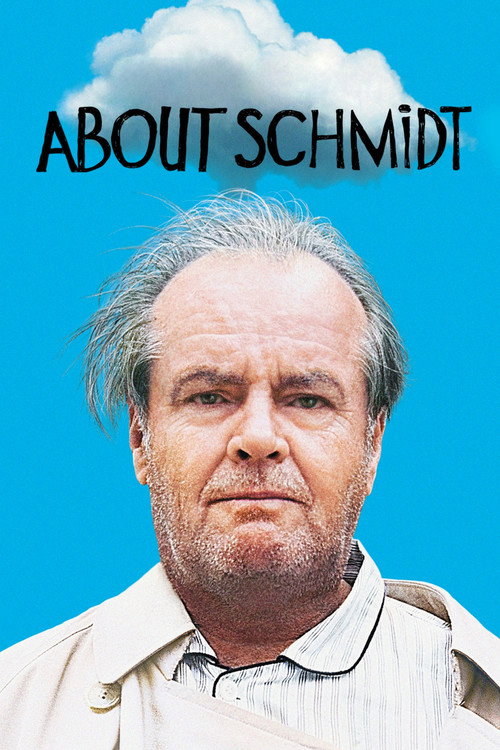
About Schmidt2002
A film about a retired man discovering that the life he thought he'd understood has always been more complicated than he knew. It's funny and sad and unsentimental about aging.
But The main character is often unlikeable, and the humor comes from his stumbling confusion. Not a cozy watch.
Ikiru1952
Kurosawa's meditation on meaning, mortality, and grace. A man discovers what matters only when time is running out. It's the most profound film about aging ever made, and it will change how you think about a life.
But It's serious and slow and in Japanese. No lighter moments, no humor. Three hours of reckoning with your own finitude.

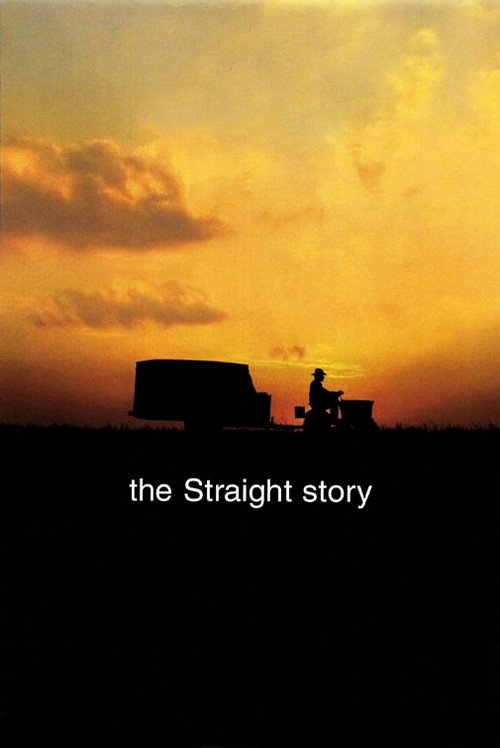
The Straight Story1999
David Lynch's only G-rated film—about an old man on a riding mower traveling across Iowa to reconcile with his brother. It's kind and strange and completely sincere about dignity and stubbornness in old age.
But Nothing happens. If you want incident or conventional drama, you're watching a two-hour film about a man on a mower. And you'll be bored.
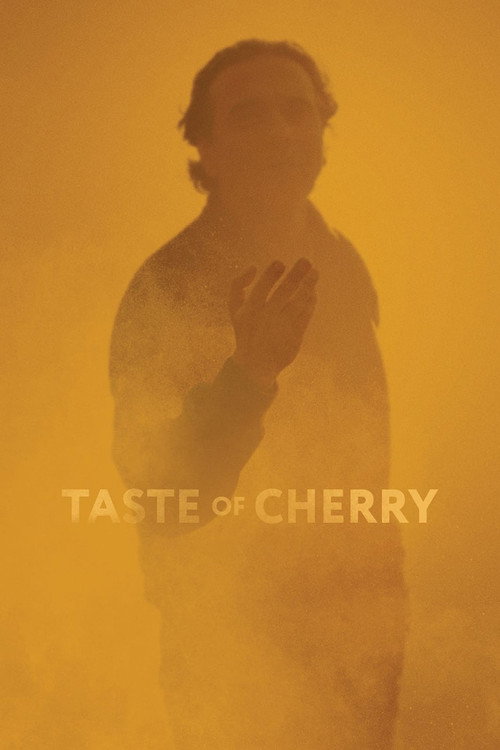
Taste of Cherry1997
An Iranian film about an older man and a younger one, philosophy, mortality, and connection. It's hypnotic and questions what we think we know about endings and acceptance.
But The narrative is opaque by design. You're meant to sit with uncertainty. Some find that profound; others find it frustrating and obscure.
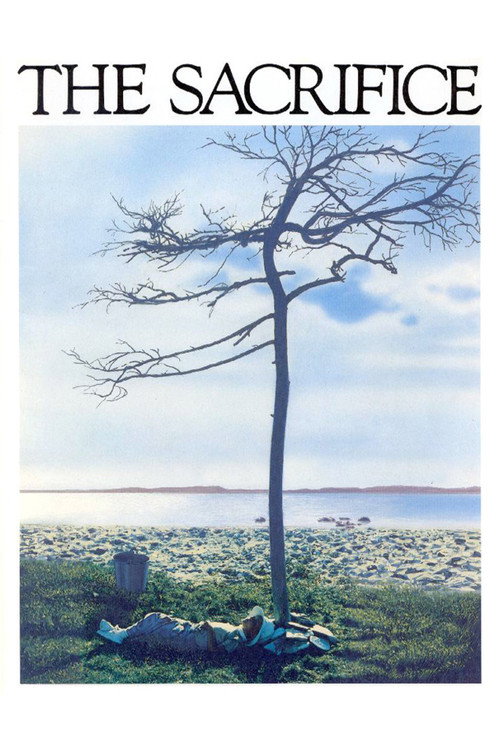
The Sacrifice1986
Both films place an elderly protagonist's spiritual conviction at the center and refuse to mock it, treating faith as something real that shapes how we live and die.
Tarkovsky's final film: an old man prepares to give everything to prevent apocalypse. It's about faith, fatherhood, and what we're willing to surrender. Hypnotic, severe, and spiritually uncompromising.
But It's glacially slow, in Swedish, and demands patience that most viewers won't offer. Also, it's the opposite of warm—it's austere and demanding.
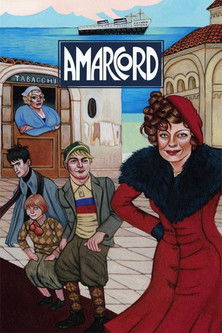
Amarcord1973
Both films treasure the interior lives of older people, the stories they hold, and the way memory and place become inseparable from identity. Both are love letters to a way of being in the world.
Fellini's memory-film about a small Italian town: a mosaic of moments and faces across seasons. It's nostalgic without being sentimental, funny without being cruel, and captures how we carry the past inside us.
But There's almost no plot. It's a tone-poem and a portrait of place and time. If you need narrative coherence, this will feel like watching someone else's home videos.