
Film
Devdas
Other titles called Devdas: the 1935 film, the 1955 film.
Sanjay Leela Bhansali's 2002 *Devdas* is a ravishing, operatic adaptation of a classic Indian novel about a man destroyed by class and circumstance. It's a three-hour immersion in sumptuous visuals, dramatic music, and the particular anguish of love made impossible by social law. For those who want cinema as pure sensation and emotional devastation.
Should you watch it?
Watch it if you want a lavish, operatic melodrama where grand sets, rich colour and music carry aching longing, and you don't mind a love story that wallows happily.
Skip it if the pace is deliberately stately and the self-pity is relentless, so if long, sorrowful romance with a sulky hero tests your patience, this will try it.
What it asks of you: Settle in for just over three hours of slow, lingering close-ups and sighs, and let heartbreak fill the room rather than hurrying past it.
Not sure? Find tonight's pick in a minute.
If you liked this
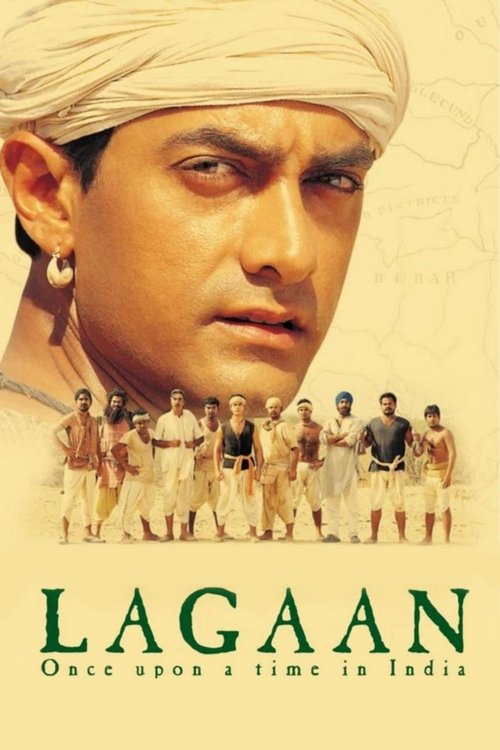
Lagaan: Once Upon a Time in India2001
Another sweeping, music-filled epic about colonized India and impossible odds, with Shah Rukh Khan's rival in a role that demands total commitment. Visual splendor married to genuine stakes.
But Nearly four hours long, and the cricket match that anchors it can feel like a slog if sports don't move you.
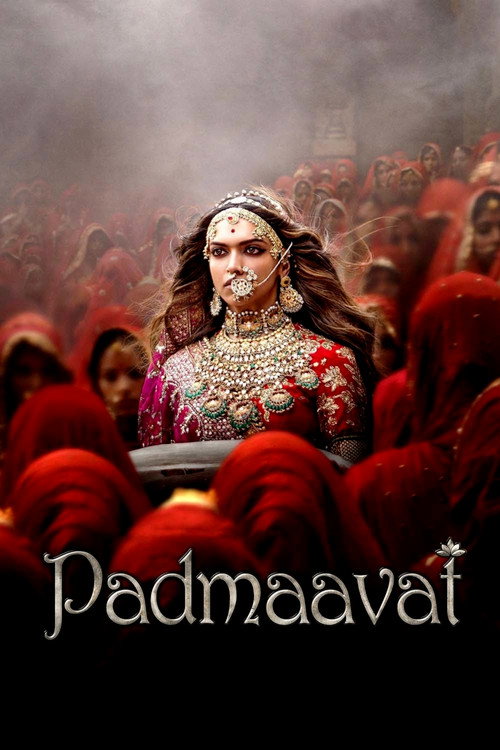
Padmaavat2018
Bhansali again: the same director pushing the same aesthetic to new extremes—jaw-dropping production design, color and scale that overwhelm the senses, a lover destroyed by impossible circumstances.
But Even more operatic and less interested in nuance. The pacing can feel glacial, and the film doesn't shy from depicting violence.
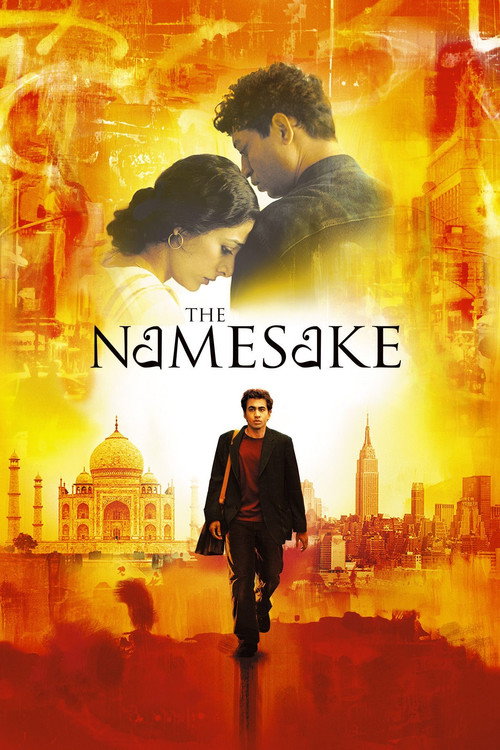
The Namesake2006
Mira Nair directing a quieter study of cultural displacement and family obligation, with beautiful performances. The pain is internal rather than ornamental.
But After *Devdas*, this will feel deliberately restrained. Some may find it slow.
Not sure tonight? Get a pick in a minute, starting from Devdas
The wildcard
Something you would not have found on your own.
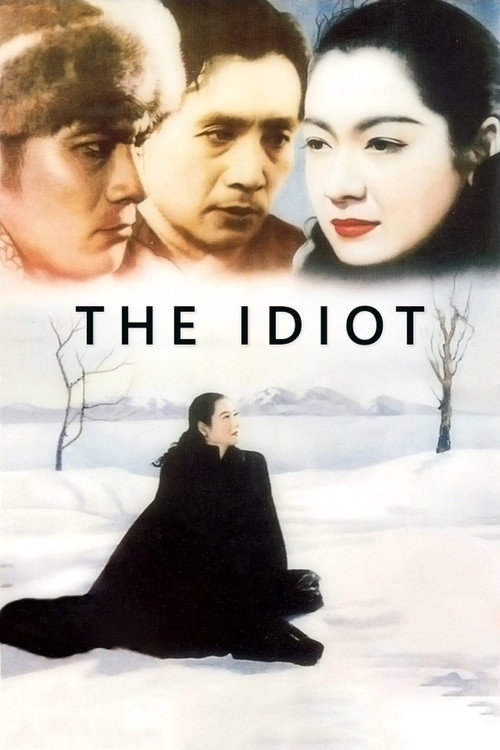
The Idiot1951
Both trace the destruction of a decent man who cannot live by society's rules or his own better nature. Both ask what goodness costs when the world punishes it.
Kurosawa's adaptation of Dostoevsky transmutes *Devdas*'s architecture into a different register: a good man destroyed by a corrupt world rather than by his own choices. Same wreckage, Japanese context, and searching moral seriousness beneath the tragedy.
But Three hours, black and white, no music or spectacle to sweeten the pill. It's about ideas as much as feeling.
More like this (8)
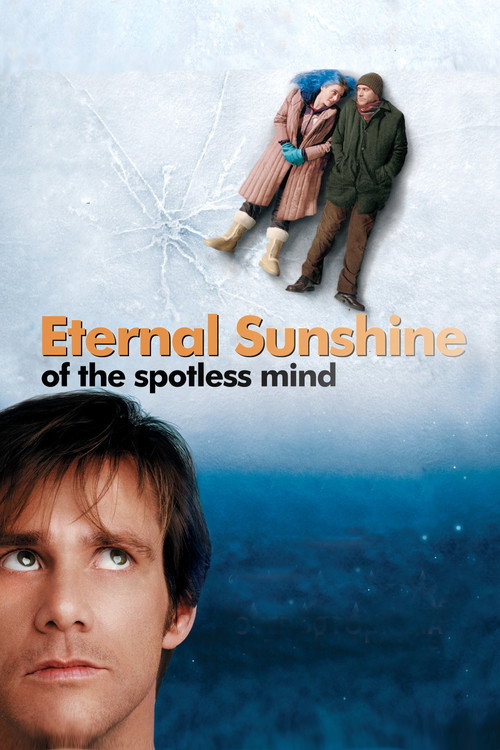
Eternal Sunshine of the Spotless Mind2004
A lover trying to erase memory of a beloved, told with inventive visual poetry. The heartbreak is as central as in *Devdas*, but the film chases it into the mind rather than the bottle.
But Experimental structure and deliberately muted emotional register—it refuses the catharsis Bhansali offers.
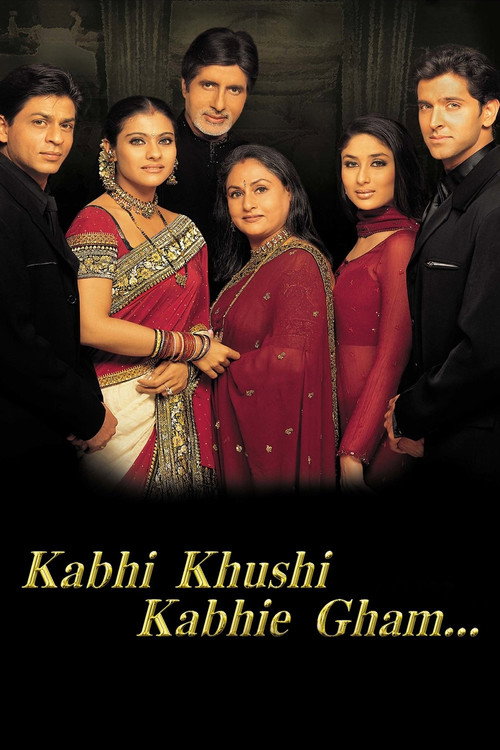
Kabhi Khushi Kabhie Gham2001
Another Bollywood epic with Shah Rukh Khan navigating family, duty, and desire across continents. Lavish, emotionally direct, unapologetically about spectacle and feeling.
But Sentimentality runs high and logic runs low. The resolution is neat in ways *Devdas* refuses.
In the Mood for Love2000
Wong Kar-wai's study of a love that can never be consummated, told through color, repetition, and unbearable visual beauty. A different country and style, same emotional core.
But Deliberately paced to frustrate; the whole film is held breath. If you want momentum, this will feel like drowning in slow motion.

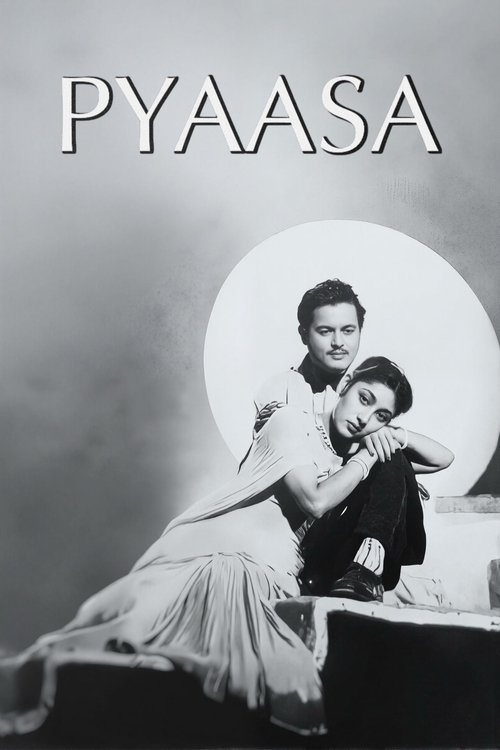
Pyaasa1957
Guru Dutt's original tragic masterpiece about a poet and a courtesan, made decades before Bhansali's remake. Black and white, a different music, but the same ache—and Dutt's performance is quietly devastating.
But It's in Hindi with subtitles, shot in a much older cinematic language. The pacing belongs to a different era.
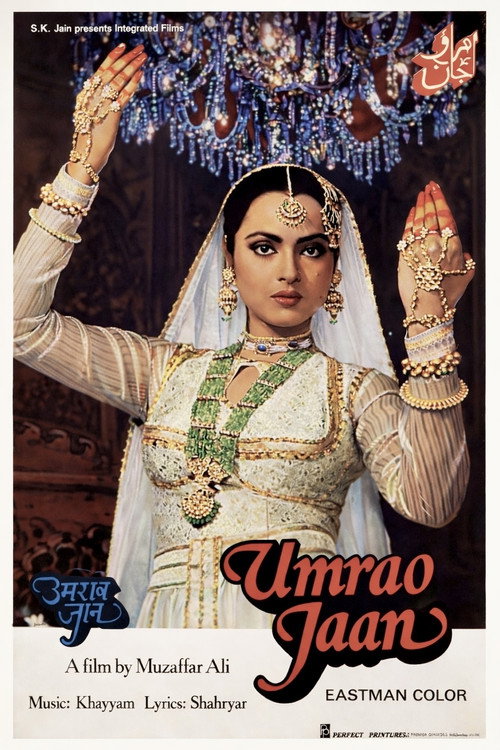
Umrao Jaan1981
Muzaffar Ali's film about a courtesan's inner life, tenderness, and artistic dignity—what *Devdas* approaches from outside. Rekha's performance is extraordinary, the music haunts you for weeks.
But Also quite slow, and the beauty is austere rather than overwhelming. Demands patience with ambiguity.
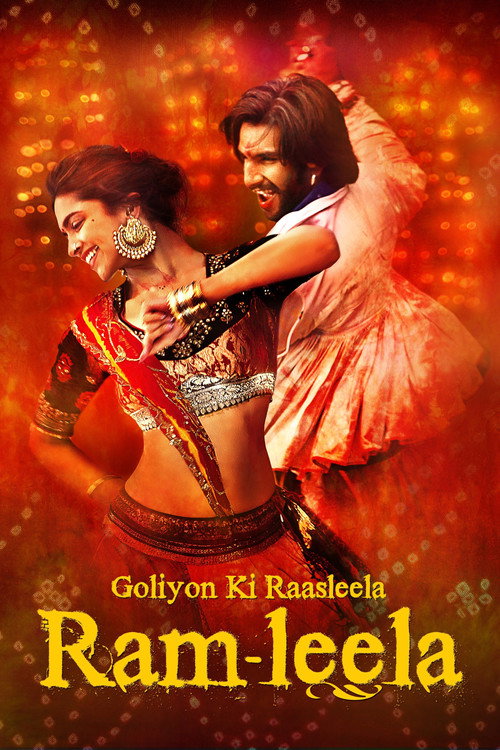
Goliyon Ki Raasleela Ram-Leela2013
Bhansali again, but channeling *Romeo and Juliet* through India and color and violence. If you loved his aesthetic but want something that moves faster.
But The sensuality borders on exploitative, the plot is slight, and some find the style exhausting rather than rapturous.
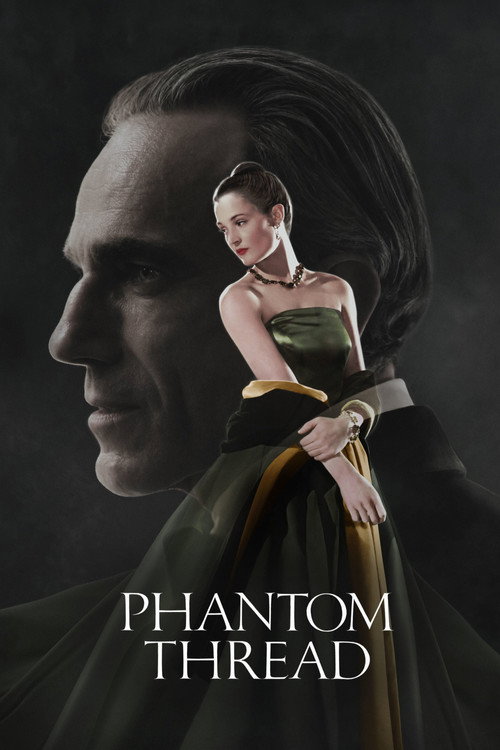
Phantom Thread2017
Both center a man who chooses his own destruction. Both use costume and setting as character. Both suggest love and self-annihilation are indistinguishable.
Paul Thomas Anderson's film about an artist consumed by a woman and his own perfectionism, told with the visual precision and claustrophobic intensity of *Devdas* but in 1950s London couture. A slow descent filmed like the most beautiful thing you'll ever watch.
But Not a moment of music or release. It's about control and entrapment wearing the costume of elegance. Suffocating, intentionally.
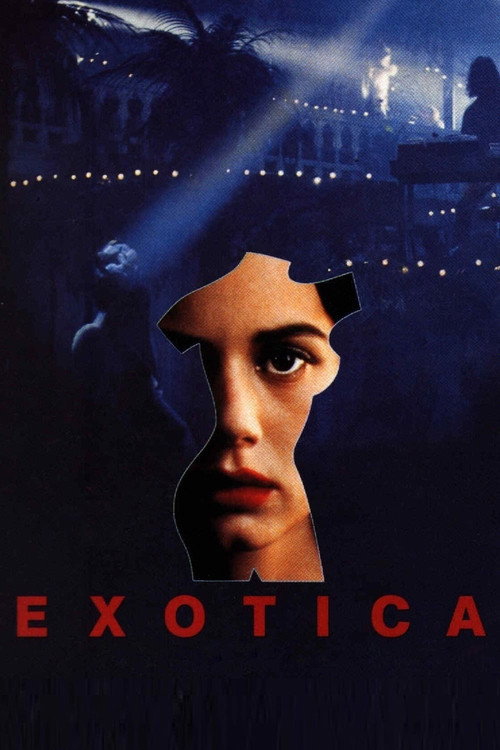
Exotica1994
Both examine the economics and aesthetics of desire in a specific setting—how a space (the club, the brothel) contains relationships that cannot exist outside it. Both ask what intimacy between a patron and a sex worker can mean.
Atom Egoyan's layered mystery about desire, grief, and the spaces we create to contain our pain. A courtesan and a man orbiting each other in a strip club—structurally echoing *Devdas*, but in 1990s Toronto, fragmentary and difficult.
But Deliberately opaque. The pleasure isn't sensory or musical; it's intellectual and austere. Some may find it cold.
People
Cast
 Shah Rukh KhanDevdas Mukherjee
 Aishwarya Rai BachchanParvati "Paro" Chakraborty
 Madhuri DixitChandramukhi
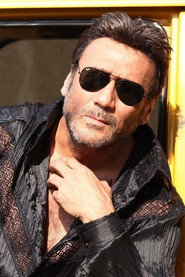 Jackie ShroffChunnilal
 Smita JaykarKaushalya Mukherjee
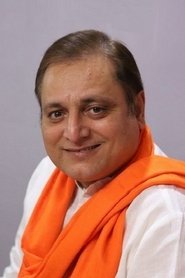 Manoj JoshiDwijdas Mukherjee
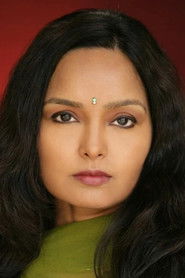 Ananya KhareKumud Mukherjee
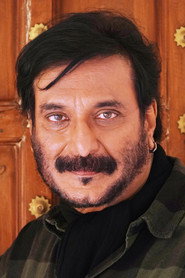 Milind GunajiKalibabu
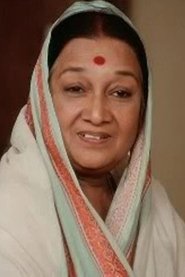 Dina PathakBhuvan's Mother
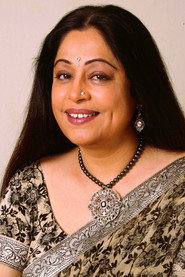 Kirron KherSumitra Chakraborty
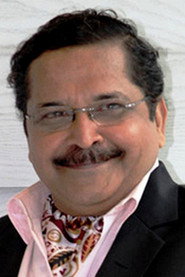 Tiku TalsaniaDharamdas
- Ava MukherjeeBadi-ma
Directing
- Amber LallAssistant Director
- Amit SuhasAssistant Director
- Nishat AmberAssistant Director
- Rajib AshrafAssistant Director
- Ranjeet GuptaAssistant Director
- Rashika PradeepAssistant Director
- Rohit DheerajAssistant Director
- Sangeeta ManuAssistant Director
- Vatsala SikandarAssistant Director
- Vikramaditya MotwaneAssistant Director
- Sanjay Leela BhansaliDirector
Writing
- Prakash R. KapadiaDialogue
- Saratchandra ChatterjeeNovel
- Prakash R. KapadiaScreenplay
- Sanjay Leela BhansaliScreenplay
- Saratchandra ChatterjeeStory
- Sanjay Leela BhansaliWriter
Production
- Gajendra MishraExecutive Producer
- Mohan NayyarExecutive Producer
- Bharat ShahProducer
Recommended by
Pakeezah, La traviata, Senso, Goliyon Ki Raasleela Ram-Leela, Kabhi Khushi Kabhie Gham, Jodhaa Akbar, Kabhi Alvida Naa Kehna, Kuch Kuch Hota Hai, Parineeta, Umrao Jaan, Padmaavat, Lamhe, Qayamat Se Qayamat Tak, Dil Se.., Taal, Guide, Fitoor, Bajirao Mastani, Lootera, Kalank, Rang Rasiya, Nayak, The Lovers, Aina, Sangam, Bobby, The Guide, Hamara Dil Aapke Paas Hai, Om Shanti Om, Ahista Ahista, Prem Granth, Utsav, Aaja Nachle, Manzil, Umrao Jaan, Ponniyin Selvan: Part I, Razia Sultan, Hum Dil De Chuke Sanam, Amen, Saraswatichandra, Heeramandi: The Diamond Bazaar, Caminho das Índias, Mast, Ramayana: Rise of a Legend, The Mahabharata, Chandralekha, Bewafaa, Kasautii Zindagi Kay, Murari, Paradesi, Satyam Shivam Sundaram, Chemmeen