
Film
The Guide
- Drama
- Slow-burning
A former tour guide becomes an accidental spiritual leader when villagers mistake him for a sage. Trapped between his deceptive past and their genuine need for wisdom, he confronts a lifelong romance he destroyed through ambition and betrayal. A film of luminous melancholy, gorgeously shot in colour across Indian landscapes, wrestling with redemption that may be too late. For anyone who loves character study, romantic regret, and cinema that lingers.
Should you watch it?
Watch it if you enjoy a story about a man who drifts into a role he never planned, where romance, faith and self-deception tangle, and you're happy to sit with big feelings in an old-fashioned Hindi melodrama.
Skip it if you want brisk plotting or a tight runtime, since this one lingers in its reflective passages and its melodrama can feel heavy and sentimental to modern eyes.
What it asks of you: Two hours of unhurried storytelling that moves between past and present, so settle in and let the flashbacks do their slow work.
Not sure? Find tonight's pick in a minute.
If you liked this
Pather Panchali1955
Satyajit Ray's masterpiece about impoverishment and beauty in rural India, shot with the same poetic eye for landscape and human dignity. Essential viewing alongside The Guide for understanding Indian cinema's spiritual depth.
But It's slow, shot in black-and-white, and deeply focused on ordinary hardship. Not a film that moves quickly or offers easy comfort.

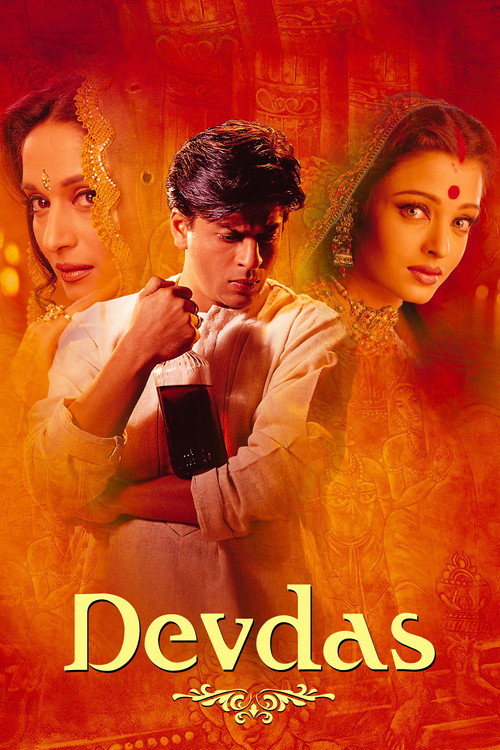
Devdas2002
Sanjay Leela Bhansali's lavish remake explores similar territory: a man destroyed by choosing the wrong woman, trapped by his own pride and social circumstance. Equally tragic, gorgeously mounted, and obsessive about romantic regret.
But The melodrama can feel operatic, and the runtime stretches past three hours. Some may find it overwrought rather than moving.
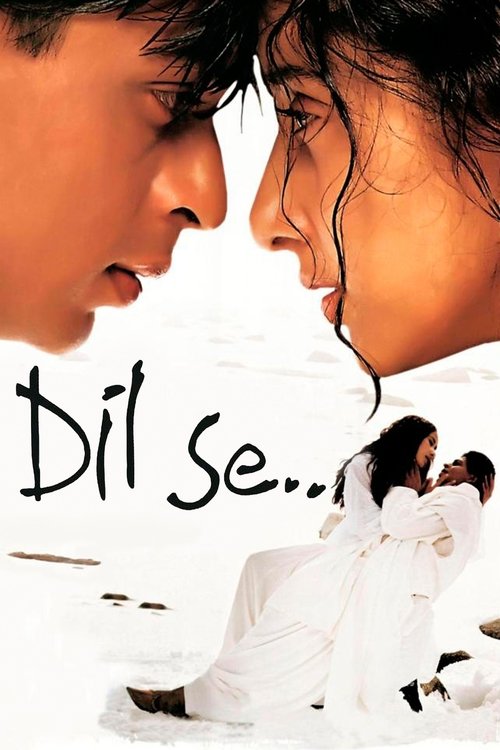
Dil Se..1998
Mani Ratnam's psychologically complex romance about a man drawn to a woman with a secret burden. Uses landscape and colour in almost exactly the way The Guide does—cinema as spiritual inquiry through romantic longing.
But The ending is deliberately ambiguous and tragic. It doesn't resolve satisfaction neatly, and some scenes feel dated even at the time.
Not sure tonight? Get a pick in a minute, starting from The Guide
The wildcard
Something you would not have found on your own.
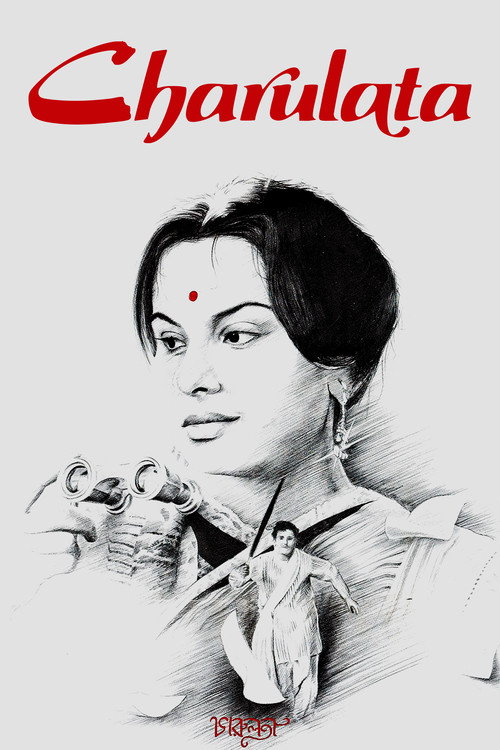
Charulata1964
Both are meditations on romantic betrayal and self-deception told through visual beauty and psychological realism. Both ask how much of our ruin is circumstance and how much is character.
Ray's chamber piece about a bored, neglected wife who falls intellectually and romantically for her brother-in-law. Like The Guide, it's a study of how intelligent people rationalize betrayal and desire. Shot the year before, in a different colour palette entirely.
But Extremely quiet. Very little happens externally. You are watching a woman's interior life, and if that doesn't interest you, it's just a man and a woman in a room.
More like this (8)
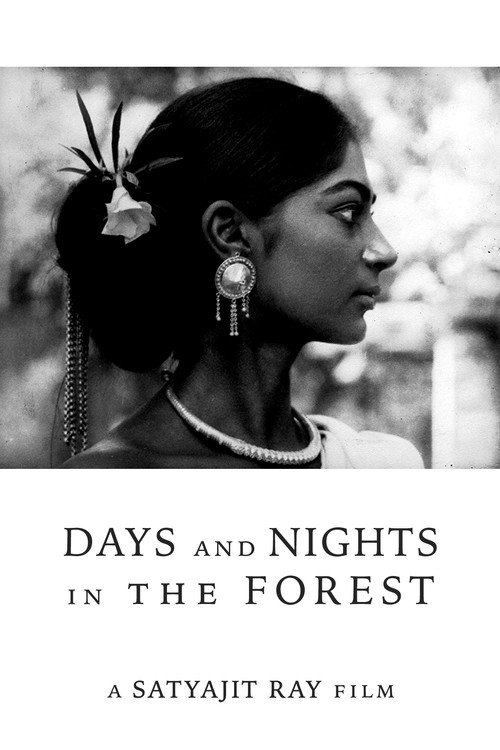
Days and Nights in the Forest1970
Ray again, this time a comedy-drama about four urban men on holiday discovering desire, mortality, and self-deception among real people. Shares The Guide's interest in how people deceive themselves and each other.
But The sexual politics feel period-specific, and some scenes haven't aged gracefully. It's lighter than The Guide, which shifts the entire mood.
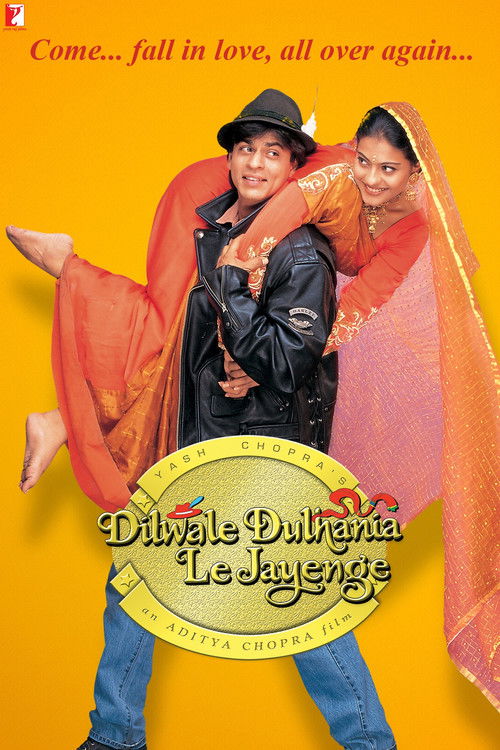
Dilwale Dulhania Le Jayenge1995
Yash Chopra's romantic blockbuster in full colour, across Europe and Punjab, asking whether love survives family obligation. Dev Anand's influence runs through this film's entire DNA.
But It's a conventional romance with a tidy ending—the exact opposite of The Guide's ambiguity. If you want genuine darkness, this trades it for spectacle.
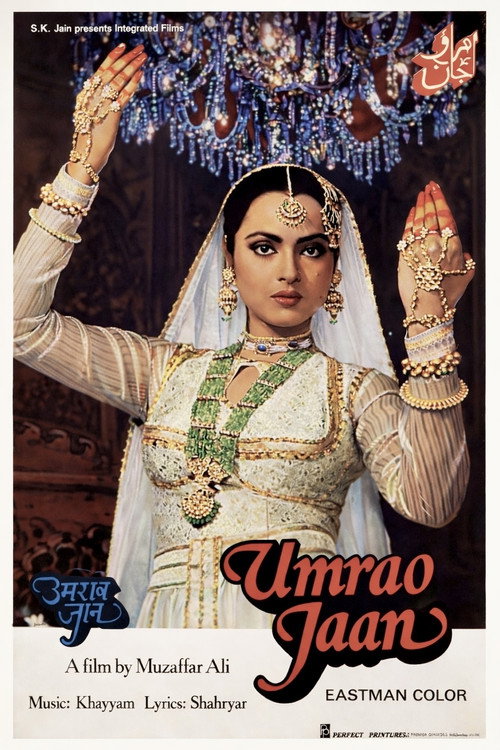
Umrao Jaan1981
Muzafar Ali's sumptuous period film about a courtesan destroyed by her own heart, combining visual beauty with genuine tragedy. Another meditation on love as the ruin of beautiful people.
But The music can dominate the pacing, and courtesans as romantic subjects feels period-bound in ways modern viewers may resist.
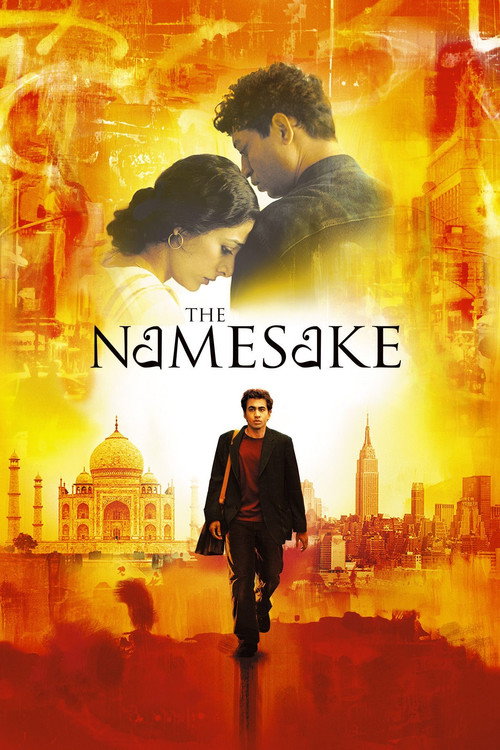
The Namesake2006
Mira Nair's adaptation about identity and displacement spans two countries and generations. Like The Guide, it's about a man caught between past and present, unable to escape his own history.
But It's slower than you'd expect from the premise, and the emotional payoffs require patience with quiet, unhappy people.
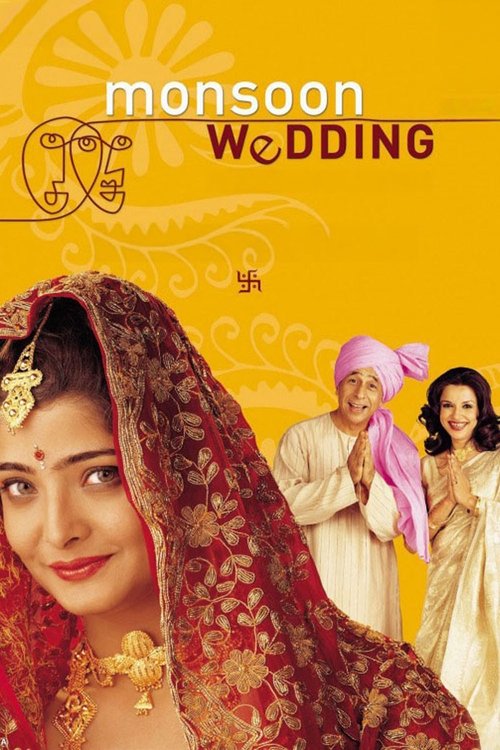
Monsoon Wedding2001
Mira Nair again, this time a family drama that captures the chaos and beauty of Delhi across a wedding. Proof that colour, landscape, and ensemble drama can carry the weight of emotional truth.
But It's busy and sometimes feels like it's trying to do too much. The mix of comedy and serious abuse allegations jars for some viewers.
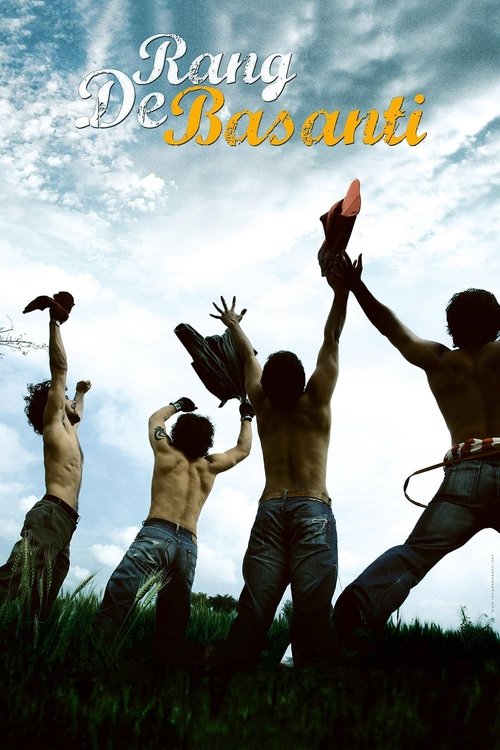
Rang De Basanti2006
A younger generation's answer to the moral questions The Guide asks: duty, corruption, activism, love. Aamir Khan plays a man whose passions overcome his judgment—the same engine, turned political.
But The tone shifts between comedy, romance, and polemic, and the ending is deliberately controversial. It can feel like three different films edited together.
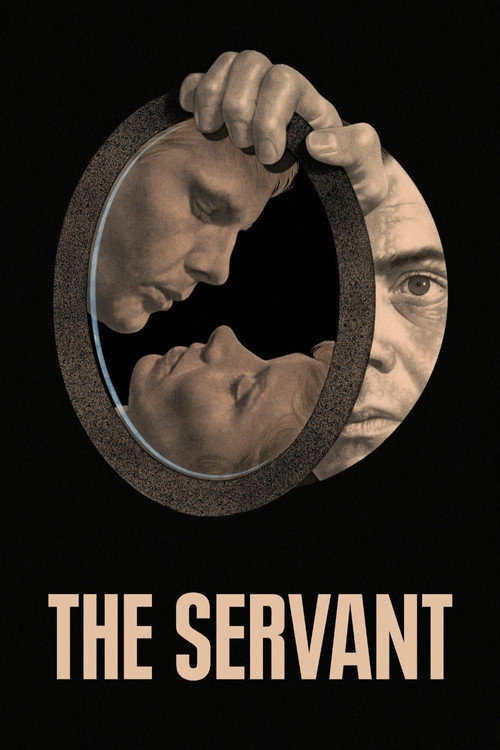
The Servant1963
Both films are obsessed with the performance of identity—the masks we wear until we cannot remember who we are underneath. Both trap their protagonist and watch what breaks first.
Joseph Losey's British thriller about power dynamics between a wealthy man and his servant, shot in claustrophobic black-and-white. Like The Guide, it's about performance, dependency, and the corrosion of self through manipulation. A masterpiece of psychological terror.
But It's set entirely in one London house and moves like a poisoned chess game. If you want clarity or catharsis, this film refuses both. It's also bleak in a way The Guide's spiritual dimension softens.
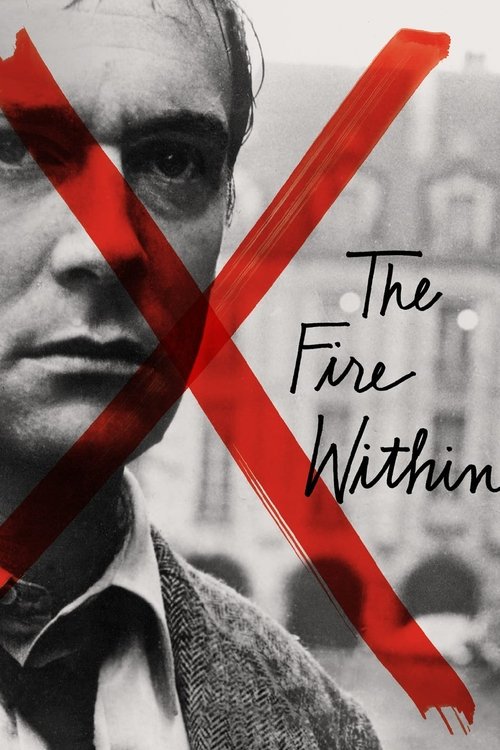
The Fire Within1963
Both films trace a man's psychological unravelling through encounters with the people he has disappointed or lost. But where The Guide finds grace at the end, this film suggests some damage is permanent.
Louis Malle's French masterpiece about a man spiralling toward suicide through a series of failed reconnections. It mirrors The Guide's regression into failure, but without redemption or spiritual awakening—just the quiet accumulation of a life that cannot be repaired.
But It is relentlessly grim and moves toward suicide with documentary precision. Some viewers will find it exploitative or unbearably sad. There is no magical thinking here, only despair.
People
Cast
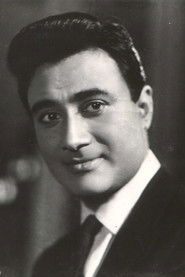 Dev AnandRaju Guide
 Waheeda RehmanRosie Marco/Nalini
 Leela ChitnisRaju's Mother
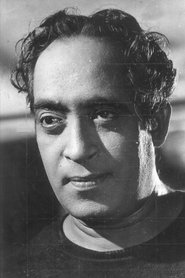
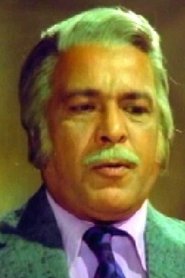 Anwar HussainGhaffoor
- Rashid KhanJoseph
- J.S. Casshyapas J.S. Cashyap
 Kishore SahuMarco
- Dilip DuttMani
 Iftekharas Iftekhar
 UlhasRaju's Uncle
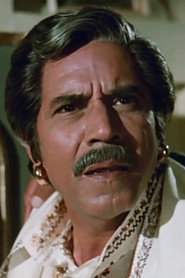 Krishan DhawanInspector Girdhari
Directing
- Chimankant GandhiAssistant Director
- Somnath RangrooAssistant Director
- V.R. NaiduAssistant Director
- Tad DanielewskiDirector
Writing
- R.K. NarayanOriginal Story
- Pearl S. BuckScreenplay
- Tad DanielewskiScreenplay
Production
- Tad DanielewskiProducer
- John AndersonProducer's Assistant