
Film
Hum Dil De Chuke Sanam
Sanjay Leela Bhansali's 1999 romantic epic is a three-hour celebration of love in all its forms: passionate, selfless, transformative. It glides between heartbreak and joy with remarkable grace, anchored by Aishwarya Rai's luminous presence. A film that believes in the redemptive power of sacrifice and second chances, for anyone who's ever felt cinema could move mountains.
If you liked this
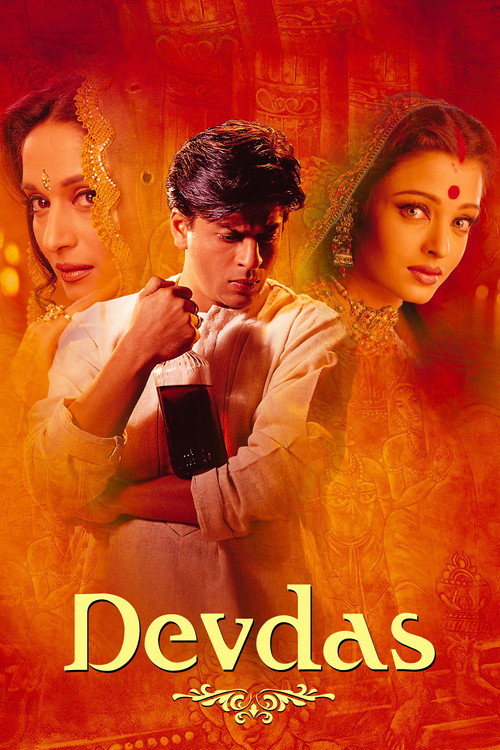
Devdas2002
Bhansali's follow-up shares the same operatic sensibility and tragic romanticism, with Aishwarya in another career-defining role. It's visually more baroque, emotionally more devastating, and utterly unforgettable.
But At over three hours, it's relentlessly melancholic. The self-destruction is the point, but that doesn't make watching it easier.
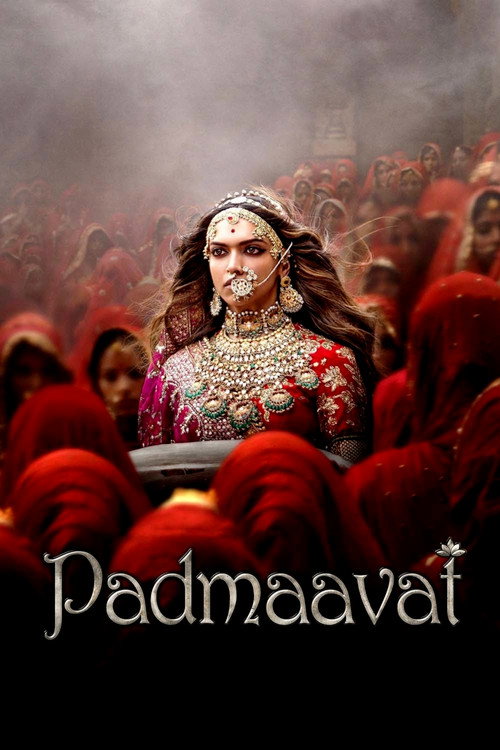
Padmaavat2018
Bhansali's signature maximalism reaches its apex—every frame is painted, every gesture weighted with meaning. A love story that feels mythic, told through fire and sand and unbearable beauty.
But The pacing is glacial and the tragic inevitability can feel suffocating. It demands patience that modern filmmaking rarely asks for.
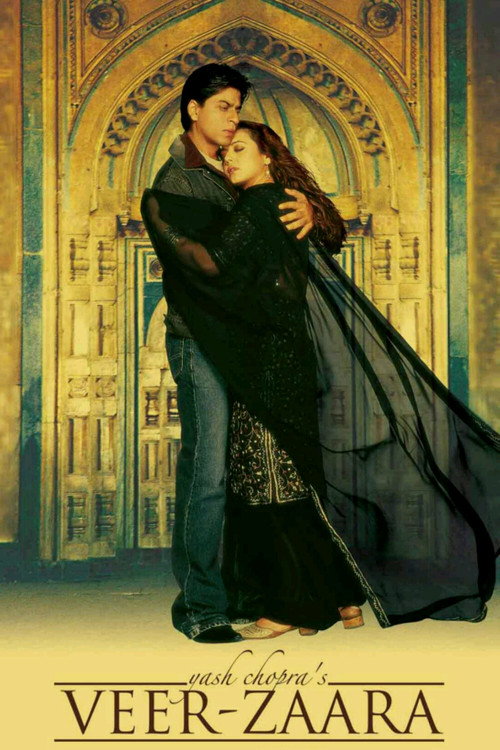
Veer-Zaara2004
Yash Chopra's answer to the same question: can love survive borders, time, and circumstance? It has the same epic scope and faith in grand gestures, with Shah Rukh Khan and Preity Zinta perfectly cast.
But It's unabashedly sentimental in a way that can feel treacly. The film wears its heart so openly that cynicism becomes impossible—which some find unbearable.
Not sure tonight? Get a pick in a minute, starting from Hum Dil De Chuke Sanam
The wildcard
Something you would not have found on your own.
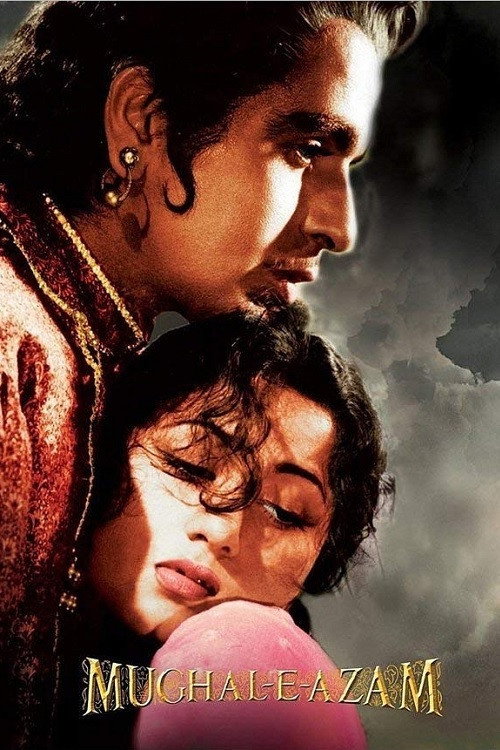
Mughal-e-Azam1960
The same faith in love as a force that reshapes empires and individuals; the same willingness to destroy everything in its name; the same visual poetry applied to period romance.
Bhansali didn't invent the epic Indian love story—K. Asif perfected it 40 years before Hum Dil. In black-and-white and Technicolor, it's the DNA of everything that film does: grand, doomed, utterly certain of its own tragedy.
But It's nearly three hours of 1960s pacing, and the climax is structured as inevitability rather than surprise. You must surrender to its rhythm or it will exhaust you.
More like this (8)
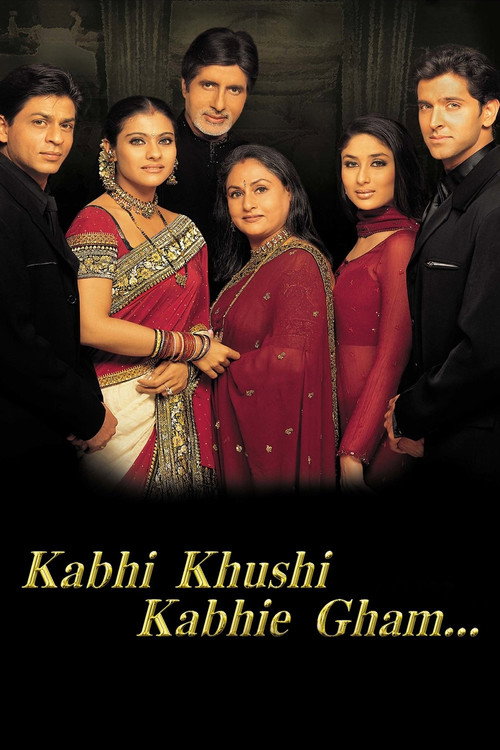
Kabhi Khushi Kabhie Gham2001
Karan Johar's maximalist family drama has the same color and music as Hum Dil, with similar themes of love conquering tradition. It's joyous, ridiculous, and utterly sincere.
But It's nearly four hours long and stops constantly for song-and-dance numbers. The plot is thin and the drama is deliberately overwrought.
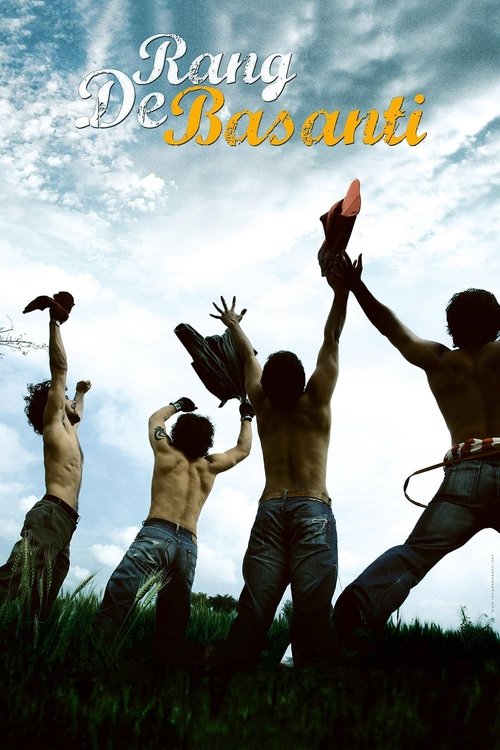
Rang De Basanti2006
A different kind of epic but the same emotional engine: young idealists transformed by love and conviction. The chemistry between leads crackles, and it builds to something genuinely cathartic.
But The tonal shift from romance to political thriller can feel jarring. Some of the politics reads as simplistic now.
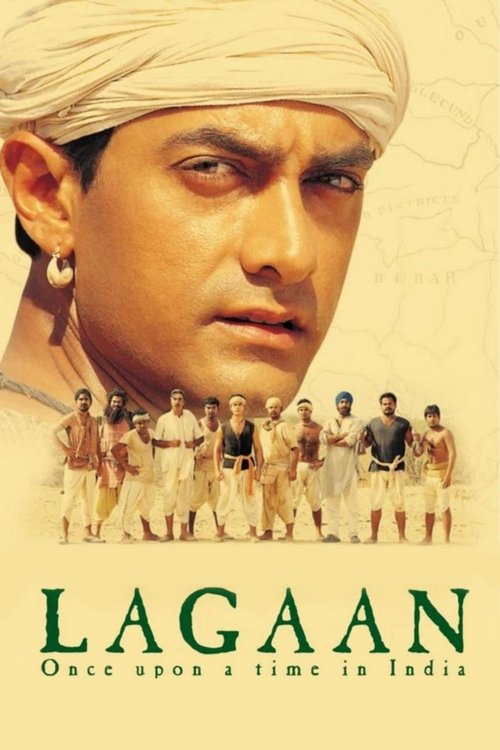
Lagaan: Once Upon a Time in India2001
Another three-hour epic about love, community, and the power of individual will. Aamir Khan and Gracy Singh create genuine magic, and the cricket climax earns every moment of buildup.
But It's in Hindi and subtitled; the cricket sequences will test anyone unfamiliar with the sport. The earnestness occasionally tips into melodrama.
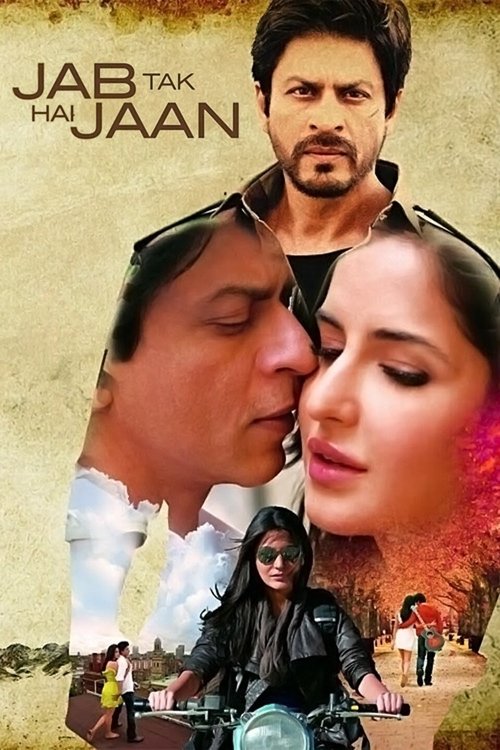
Jab Tak Hai Jaan2012
Shah Rukh Khan at his most romantic, Katrina Kaif luminous, and Yash Chopra's final film is a love letter to cinema itself. It has that same faith in grand gestures and the redemptive power of devotion.
But It's overlong and plot-light, with pacing that drags in the middle. The sentiment can feel less earned than in Chopra's earlier work.
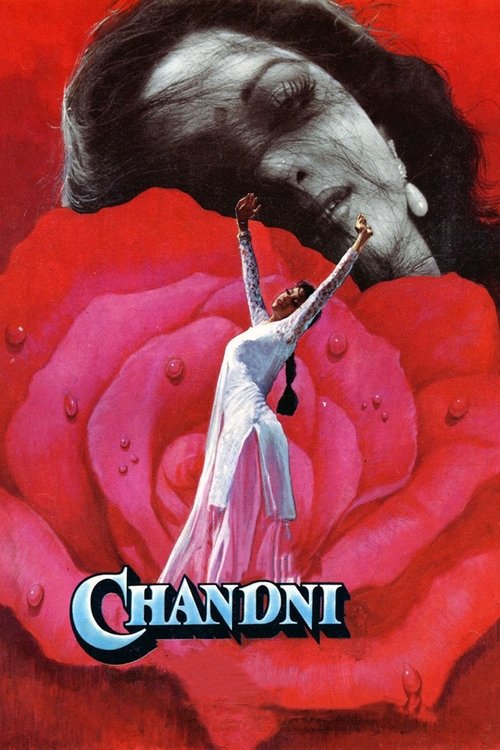
Chandni1989
The spiritual ancestor of what you're about to watch. Yash Chopra's masterpiece of color and longing, with Sridevi unforgettable. If you love Hum Dil, this is where that lineage begins.
But It's from 1989, which shows in the technical craft. The plot is thin and the romance is chaste by modern standards.
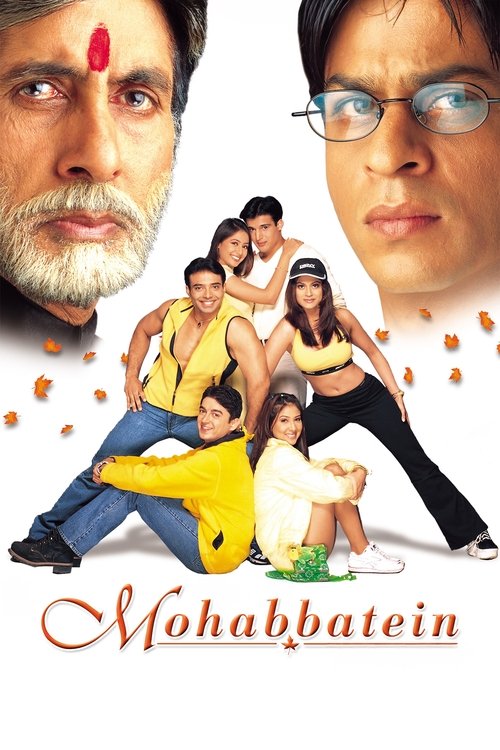
Mohabbatein2000
Aditya Chopra's love letter to Yash Chopra's romantic tradition, with multiple love stories unfolding in a conservative college. Amitabh Bachchan and Shah Rukh Khan square off beautifully.
But With four concurrent romances, nothing gets deep focus. The tone wavers between lightness and earnestness in ways that don't always land.
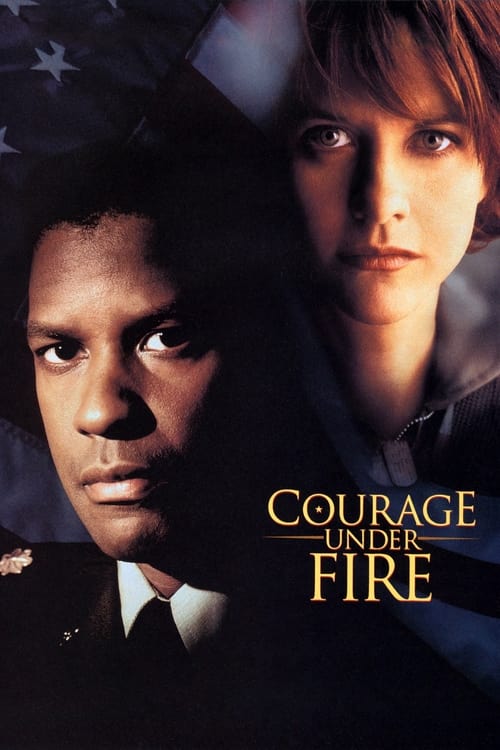
Courage Under Fire1996
Both explore love as transgression against social order; both ask whether sacrifice is noble or just another form of imprisonment; both trust cinema to make the unspeakable visible.
Deepa Mehta's controversial masterpiece is the dark mirror to Hum Dil's brightness: two women finding love within the suffocating structure of Indian marriage. It's tender and furious, intimate and expansive.
But It depicts a same-sex relationship and challenges Hindu tradition head-on. It was banned in India. Not for those seeking comfort.
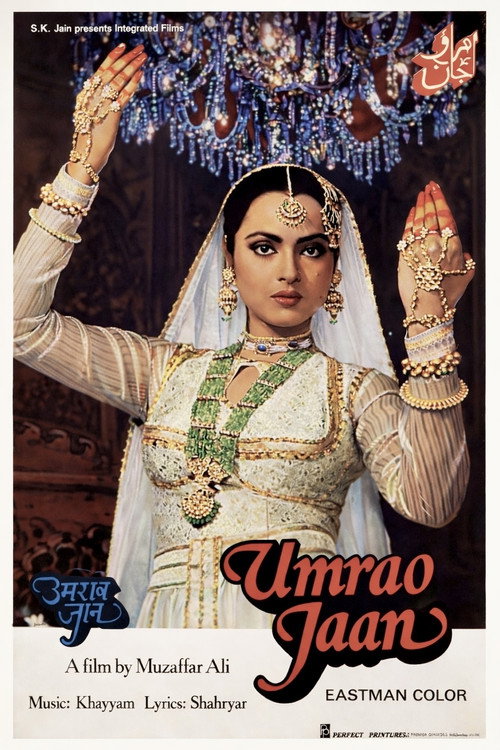
Umrao Jaan1981
Both are period love stories obsessed with beauty and sacrifice, but Umrao Jaan knows that love doesn't always conquer—sometimes it just endures.
Muzaffar Ali's haunting film about a courtesan's love for a man who will never marry her. Rekha is luminous and heartbreaking; it has Hum Dil's romantic ache but none of its optimism.
But It's more formally experimental than you might expect, with long stretches of mood over plot. The ending provides no catharsis, only acceptance of loss.
People
Cast
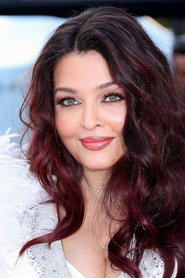 Aishwarya Rai BachchanNandini
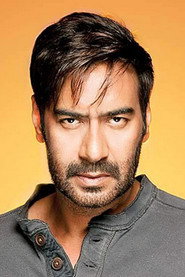 Ajay DevgnVanraj
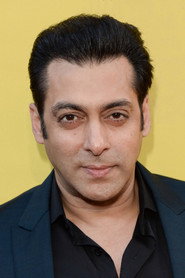 Salman KhanSameer
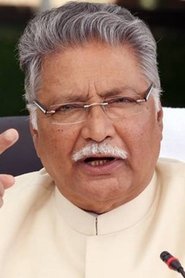 Vikram GokhalePundit Darbar
 Smita JaykarAmrita
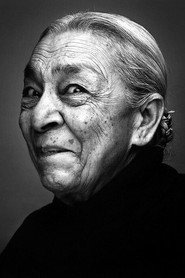 Zohra SehgalDadi
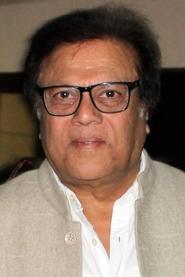 Rajeev VermaVikramjeet
 Sheeba ChaddhaAnupama
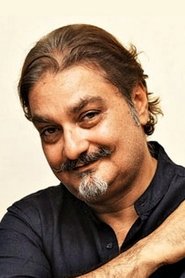 Vinay PathakTarun
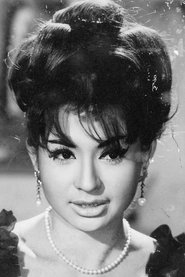 HelenSameer's mom
- Kermati DesaiBhairav
 Rekha RaoKamna Pui
Directing
- Vikramaditya MotwaneAssistant Director
- Sanjay Leela BhansaliDirector
Writing
- Amrik GillDialogue
- MehboobLyricist
- Sanjay Leela BhansaliScreenplay
- Pratap KarvatStory
Production
- Ibrahim DesaiExecutive Producer
- Jhamu SughandProducer
- Sanjay Leela BhansaliProducer