
Film
Kabhi Khushi Kabhie Gham
A Bollywood epic about family honour, forbidden love, and the possibility of redemption. It's lush, melodramatic, and unafraid of its own sincerity—three-and-a-half hours of big emotions, bigger production values, and the kind of cathartic family drama that makes you believe in second chances. For anyone who wants their cinema to *feel* something.
Should you watch it?
Watch it if you adore big, unashamed family melodrama where swooning romance, sharp household squabbles and sudden tears sit happily side by side, and you don't mind sentiment turned all the way up.
Skip it if you need a lean, grounded story; at over three hours, with glossy sets, operatic emotion and scenes that linger long after the point, patience will wear thin.
What it asks of you: Settle in for over three hours of ceremony, long pauses and abrupt swings from broad comedy to wrenching sorrow, with feelings allowed to swell rather than be trimmed.
Not sure? Find tonight's pick in a minute.
If you liked this
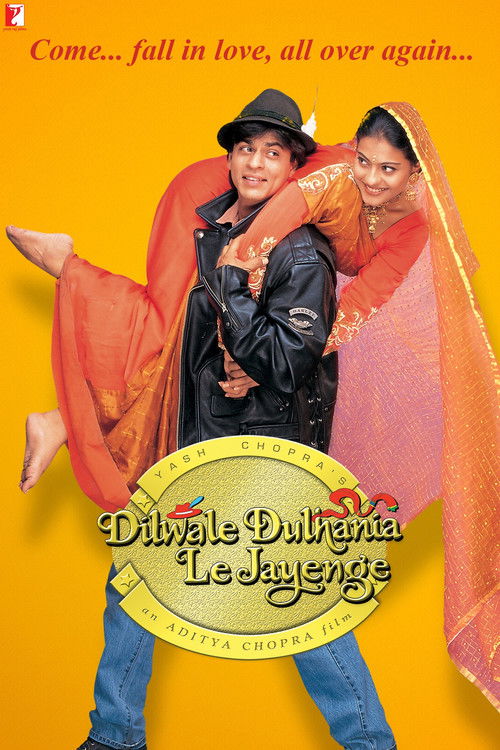
Dilwale Dulhania Le Jayenge1995
The spiritual predecessor that perfected the formula of romance against family disapproval. Shah Rukh Khan's charm, Kajol's defiance, and a story about choosing love that still lands with genuine emotional weight.
But The gender dynamics feel dated, and the resolution relies on the father's blessing in ways that modern sensibilities find uncomfortable.
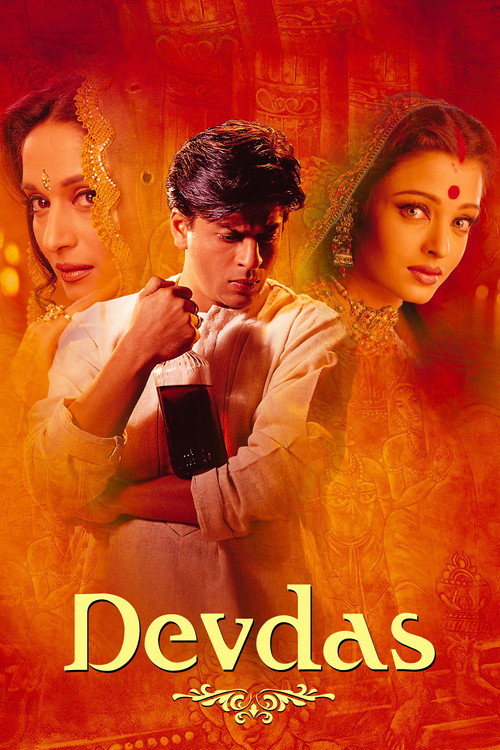
Devdas2002
Sanjay Leela Bhansali's operatic tragedy, equally lavish and melodramatic, with a similar willingness to let emotion overwhelm restraint. Gorgeous cinematography and performances that live in the extremes.
But It's actively bleak and self-destructive in ways that make it harder to watch. There's no redemption arc, only beautiful ruin.
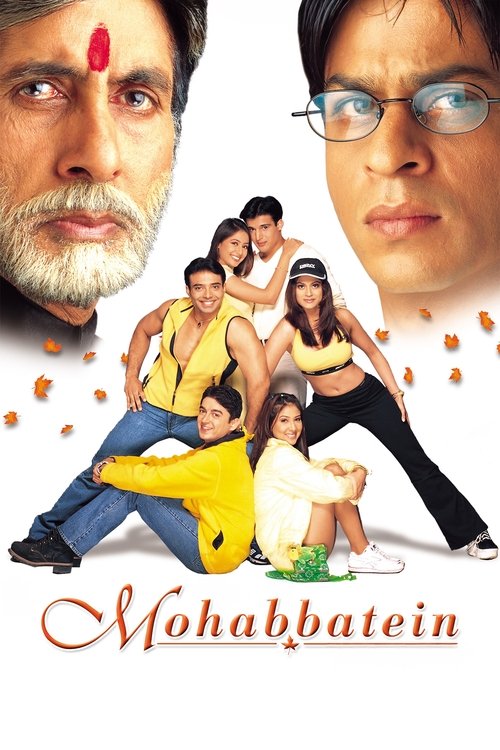
Mohabbatein2000
Another Aditya Chopra film exploring rigid family structures and whether love can survive them. Amitabh Bachchan in a different role, and a romance plotted with similar stakes and passion.
But The framing device feels dated, and some of the romance subplots get lost in the ensemble shuffle.
Not sure tonight? Get a pick in a minute, starting from Kabhi Khushi Kabhie Gham
The wildcard
Something you would not have found on your own.
Pather Panchali1955
Both films believe the family unit—its fracture and potential repair—is the deepest subject cinema can explore. Ray finds transcendence in restraint; Chopra finds it in excess. Watching them together is a masterclass in how the same human truth can be told two completely different ways.
Satyajit Ray's founding masterpiece is about family breakdown and the possibility of grace within poverty and loss. It shares KKHG's belief that family bonds matter, but strips away all the melodrama to find something more true.
But It's in Bengali with subtitles, black and white, and moves at the pace of lived life rather than narrative urgency. Its quietness can feel like nothing is happening.

More like this (8)
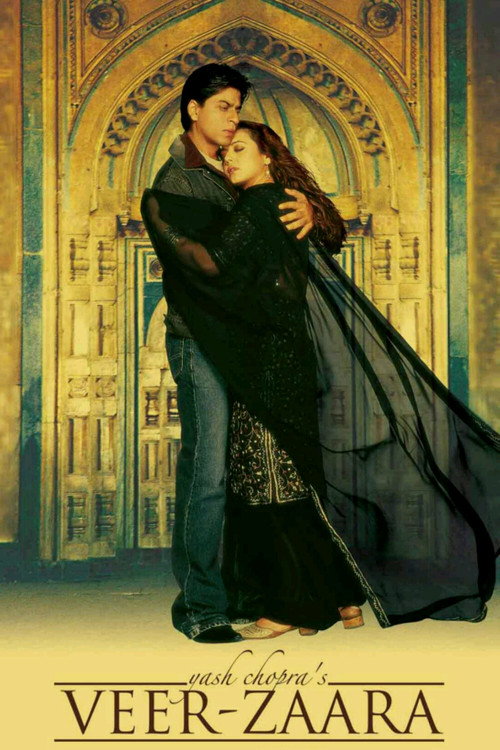
Veer-Zaara2004
Yash Chopra's film about love transcending national borders, with Shah Rukh Khan and Preity Zinta. It has the same epic scope and family-honour framework, but adds geopolitical weight.
But It's even longer than KKHG and moves at a measured pace that tests patience. Some viewers find it self-indulgent.
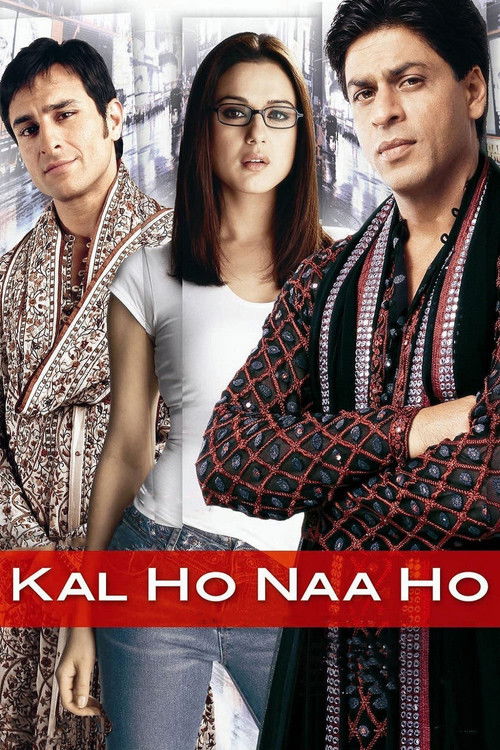
Kal Ho Naa Ho2003
Karan Johar again, exploring how families fracture and heal. It balances comedy, grief, and romance with lighter ease than KKHG, but the emotional architecture is recognisably similar.
But The ending is a gut-punch that some find manipulative. The tonal shift can feel jarring if you're not prepared for it.
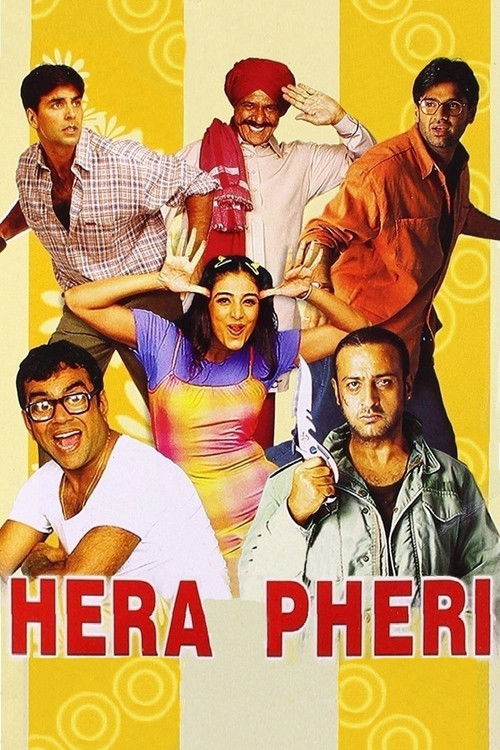
Hera Pheri2000
If you want the lighter side of early-2000s Bollywood. It's clever, funny, and proves that the decade could do comedy without sacrificing wit or craft.
But It's nearly plot-free and relies entirely on charm and comic timing. If that doesn't land, there's nothing underneath.
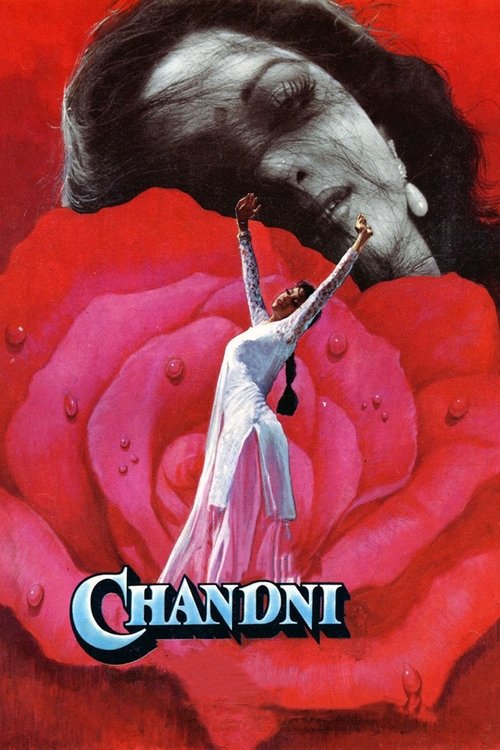
Chandni1989
Yash Chopra's 1989 masterpiece that essentially invented the template KKHG follows. Sridevi and Rishi Kapoor in a romance built on class anxiety and the possibility of transcending it.
But It's slower and more reserved than KKHG, and the film stock shows its age. Modern viewers sometimes find it static.
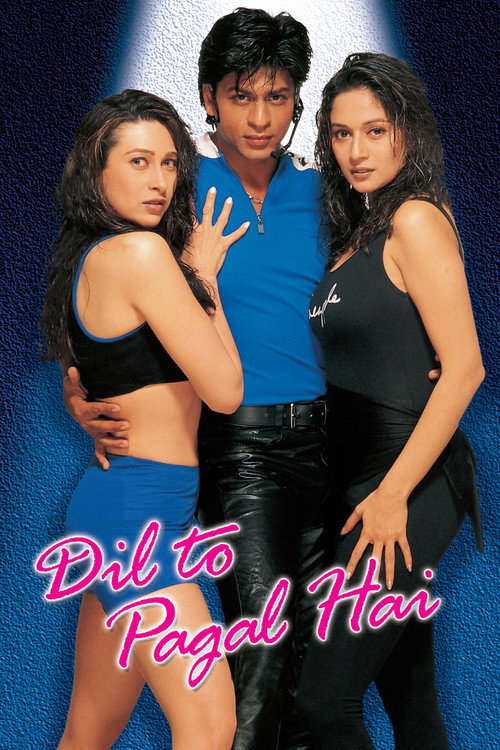
Dil To Pagal Hai1997
Another Yash Chopra romance exploring what matters more—family approval or personal happiness. Stylish, witty, and the chemistry between Shah Rukh Khan and Madhuri Dixit crackles.
But The third act feels rushed, and the resolution doesn't quite earn its own conviction. Some plot threads disappear without explanation.
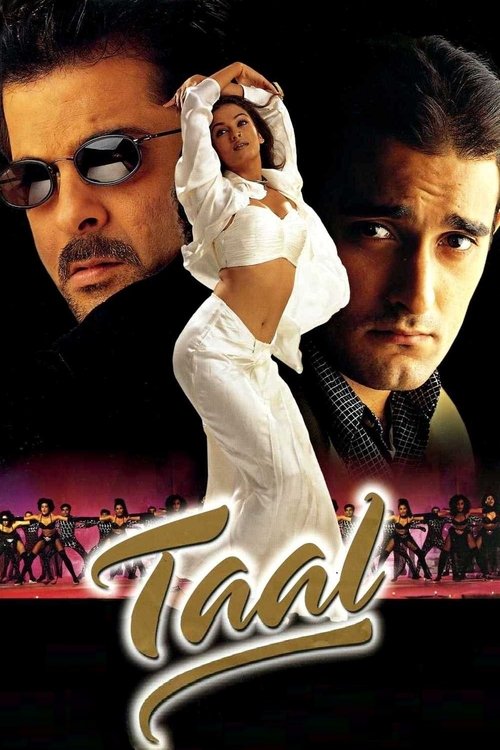
Taal1999
Subhash Ghai's film about a singing prodigy and the men who shape her destiny. It's fever-dream melodrama with extraordinary music and production design that rivals KKHG's scale.
But The protagonist has almost no agency, and the male characters make most of her decisions. It can feel oppressive in ways that undercut its beauty.
Nine Queens2000
Both films hinge on family secrets and false assumptions about who people really are. KKHG asks if love survives truth; Nueve reinas asks if anyone can be trusted at all. One is romantic; the other is cynical. Together they're a conversation about faith and deception.
An Argentine con-artist thriller about deception, hidden identities, and whether people can ever truly be what they claim. Tightly plotted, beautifully performed, and endlessly clever.
But It's in Spanish, and the con logic can feel needlessly baroque. Some viewers find the twists exhausting rather than delightful.

Schindler's List1993
Both films pit family love—defined as choosing *who* your people are, not *where* you were born—against systems that demand you accept the hierarchies you inherited. KKHG makes that struggle romantic and survivable. Schindler's List makes it a moral absolute at the edge of human endurance. Watching KKHG first and then this will change how you see both.
Spielberg's monument to the power of choosing your family over your circumstances. It's about how one person's refusal to accept hierarchy saves lives, and how conscience can overturn convention.
But It documents the Holocaust. It is necessary and it is unbearable. This is not entertainment; it is witness.

People
Cast
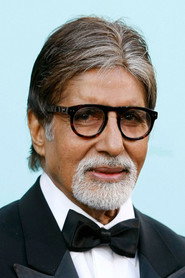 Amitabh BachchanYashvardhan “Yash” Raichand
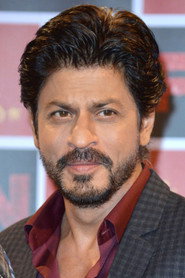 Shah Rukh KhanRahul Raichand
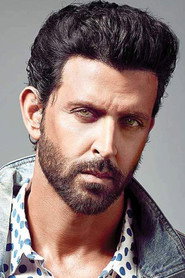 Hrithik RoshanRohan Raichand
 KajolAnjali Sharma Raichand
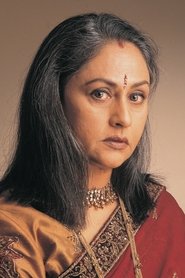 Jaya BachchanNandini Chandran Raichand
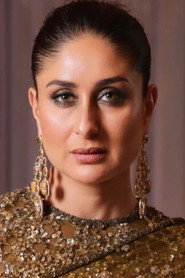 Kareena Kapoor KhanPooja “Poo” Sharma Raichand
 Rani MukerjiNaina Kapoor
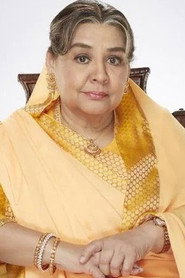 Farida JalalSayeeda “Daijaan / DJ” Naaz
 Jugal HansrajMohit Sachdev
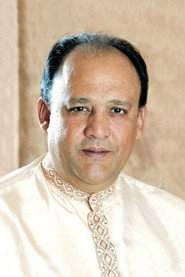 Alok NathOmendra "Om" Sharma
- Kavesh MajmudarYoung Rohan
 Parzaan DasturOsman Siddiqui
Directing
- Kapil ChopraAssistant Director
- Nandini ShrikentAssistant Director
- Nikkhil AdvaniAssistant Director
- Punit MalhotraAssistant Director
- Shiraz SiddiqueAssistant Director
- Soham ShahAssistant Director
- Tarun MansukhaniAssistant Director
- Karan JoharDirector
Writing
- Sheena ParikhScreenplay
- Karan JoharStory
Production
- Hiroo JoharAssociate Producer
- Yash JoharProducer
- Kali SharmaProduction Manager
- Romany HelmyProduction Manager
- Sharad RaneProduction Manager
- Andy PavordProduction Supervisor
Recommended by
Bride & Prejudice, Devdas, Dilwale Dulhania Le Jayenge, Dil Dhadakne Do, Kuch Kuch Hota Hai, Dil To Pagal Hai, Beta, Mohabbatein, Dhadak, Faasle, Hum Saath Saath Hain, Rajma Chawal, Bollywood/Hollywood, Haan Maine Bhi Pyaar Kiya, Sairat, Om Shanti Om, Aa ab Laut Chalen, Umrao Jaan, Hum Dil De Chuke Sanam, Chalte Chalte, Iss Pyaar Ko Kya Naam Doon?, Tum Bin