
Film
Hum Saath Saath Hain
A three-hour 1999 Bollywood multigenerational epic about a wealthy family fracturing after misunderstanding threatens to separate three brothers and their wives. It's unabashedly sentimental, structurally ambitious, and stuffed with musical numbers. For anyone who loves ensemble casts, family melodrama, and the particular warmth of late-90s Hindi cinema.
Should you watch it?
Watch it if you love big, warm ensemble households where affection shows up through weddings, rituals and bickering siblings, and you don't mind sentiment worn openly on the sleeve.
Skip it if you have little patience for lingering domestic detail, because it moves slowly and takes its time over family rituals at a length that can wear thin.
What it asks of you: Settle in for nearly three hours of unhurried, sprawling family life, where the mood stays sunny and sentimental and the attention you give it is gentle rather than taxing.
Not sure? Find tonight's pick in a minute.
If you liked this
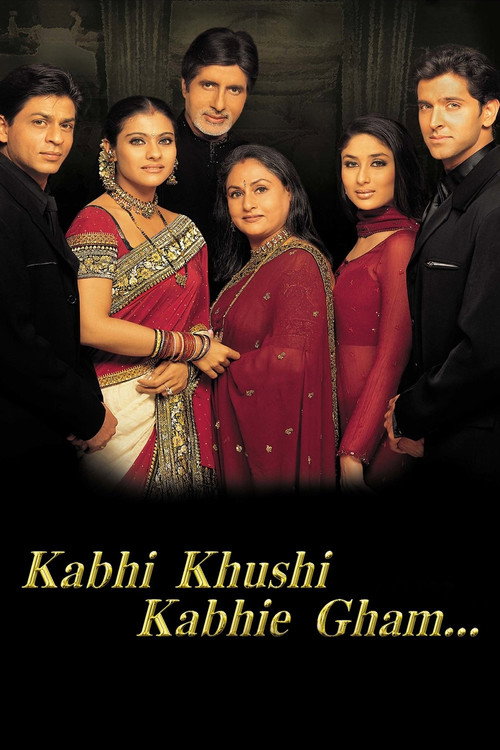
Kabhi Khushi Kabhie Gham2001
Another Dharma opus about a joint family split by pride and misunderstanding, featuring an even bigger ensemble cast. Similar emotional architecture, similar stakes, similar belief in the redemptive power of family.
But Also nearly four hours long, and the sentimentality can tip into treacly. If you find Hum Saath-Saath Hain too much, this won't calibrate differently.
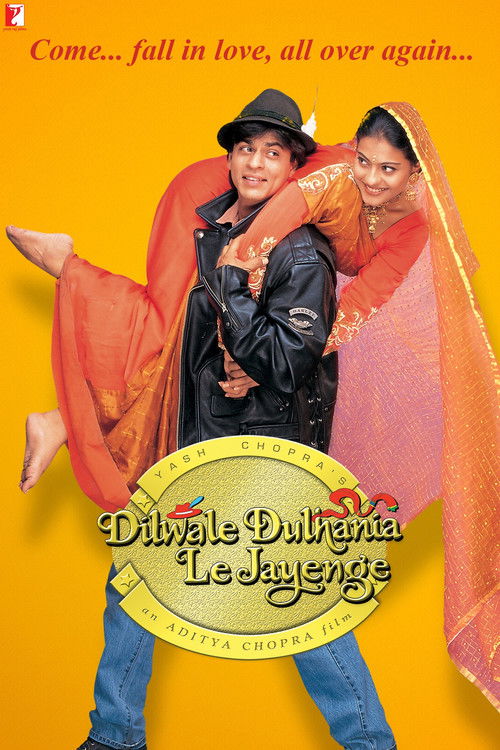
Dilwale Dulhania Le Jayenge1995
The gold standard of 90s family romance. Less sprawling but more focused, with sharper writing and chemistry that sings. A masterclass in how to balance individual desire with family obligation.
But Shorter and tighter means it won't scratch the same epic itch. If you want sprawl and grandeur, this is more elegant than overwhelming.
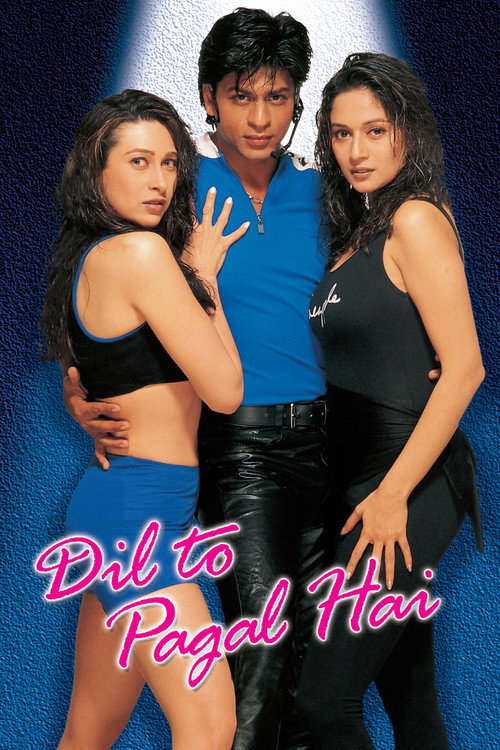
Dil To Pagal Hai1997
Another late-90s ensemble romance about three interconnected couples finding their way. Similar warmth and faith in human goodness, but filtered through a simpler love-triangle plot.
But The central story is more conventional romance than family drama. Less about obligation and tradition, more about individual choice.
Not sure tonight? Get a pick in a minute, starting from Hum Saath Saath Hain
The wildcard
Something you would not have found on your own.
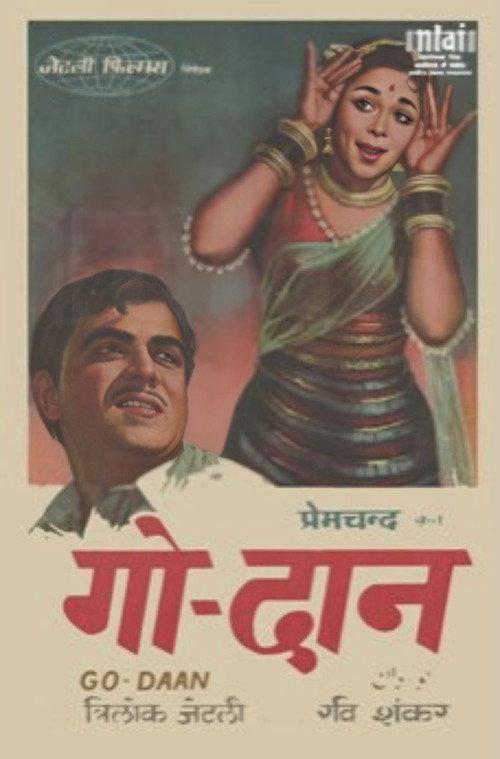
Godaan1963
Both use the family unit as a lens to examine obligation, sacrifice, and India's values. Hum Saath-Saath Hain is Godaan remade as a Bollywood musical spectacular.
An adaptation of Munshi Premchand's novel about a farmer's family across generations, similarly focused on duty, tradition, and what holds people together. A spiritual ancestor of the family epic, filmed with documentary-like realism.
But Black and white, slow-paced, and set in rural India with none of Hum Saath-Saath Hain's gloss or music. Demands patience and cultural context.
More like this (7)
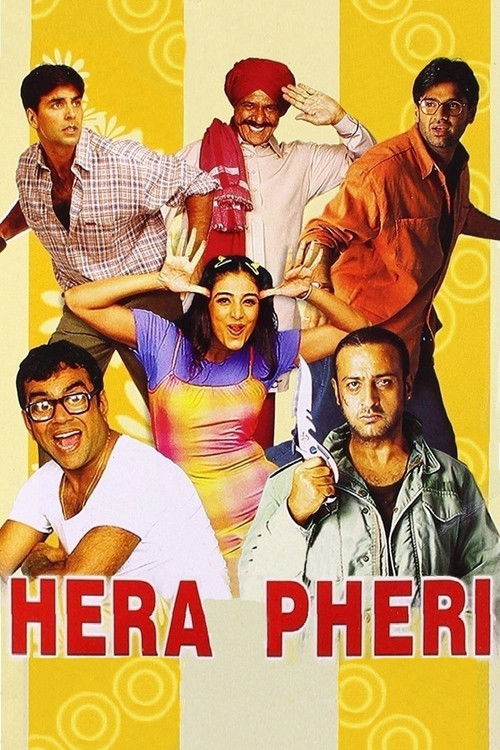
Hera Pheri2000
Three friends navigate life, friendship, and women in early-2000s Mumbai. Lighter in tone but shares the ensemble energy and that specific 90s-2000s Bollywood comedy warmth.
But Comedy-first means the emotional weight is much lighter. You're not getting family drama or sustained sentiment here.
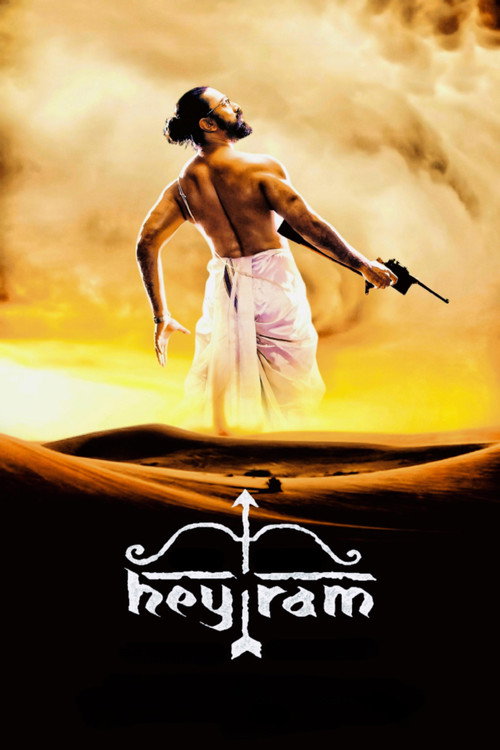
Hey Ram2000
Kamal Haasan's ambitious period drama about family, faith, and identity during Partition. Also sprawling and structurally daring, though far darker and more artistically experimental.
But Extremely heavy, extremely bleak, and formally challenging in ways that commercial Bollywood isn't. A completely different register.
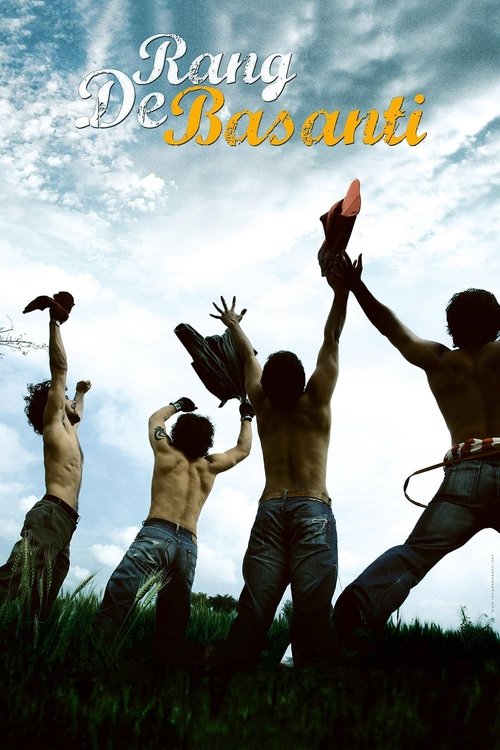
Rang De Basanti2006
A later ensemble about five friends bound by idealism and love. Carries similar emotional heft about group loyalty and sacrifice, but through youth and activism instead of family.
But Shifts register to thriller-drama in the third act. Much more violent and politically explicit than Hum Saath-Saath Hain's domestic concerns.
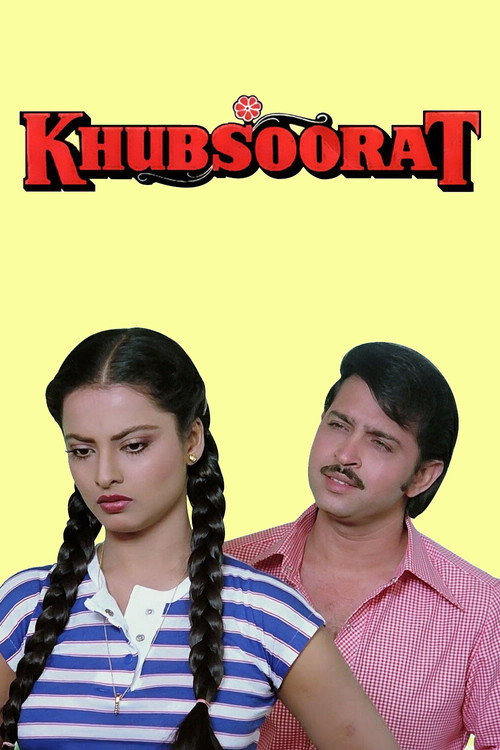
Khubsoorat1980
A later Ashutosh Gowariker film about a woman transforming a rigid household. Gentler and shorter, but obsessed with similar questions about tradition versus individual freedom.
But More of a light romantic comedy than serious family drama. The stakes feel smaller and the tone stays buoyant throughout.
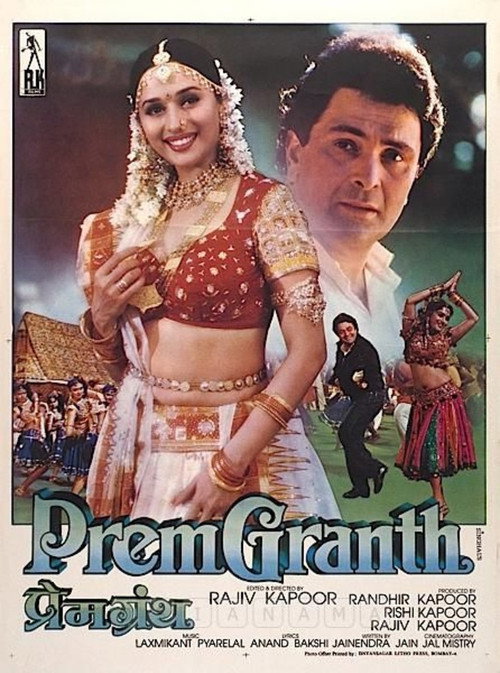
Prem Granth1996
Rajesh Roshan's romantic family drama with similar late-90s sensibilities. Three-hour running time, multiple couples, multiple generations, same faith in togetherness.
But Less cohesive narratively and the individual storylines don't integrate as smoothly. It meanders where Hum Saath-Saath Hain builds momentum.
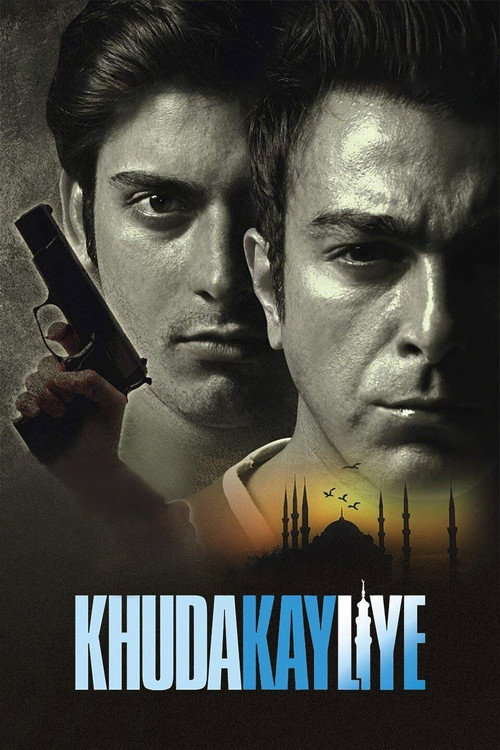
Khuda Kay Liye2007
Both center on brothers at odds and the question of whether family bonds can survive disagreement. But Hum Saath-Saath Hain trusts sentiment; this one trusts ambiguity.
A Pakistani film about brothers separated by ideology and faith, trying to reconcile. Different country, different faith tensions, but the same heartbreak about families fractured by principle rather than malice.
But In Urdu, considerably heavier in tone, and concerned with religious sectarianism in ways that demand emotional engagement with real suffering. Not escapist.
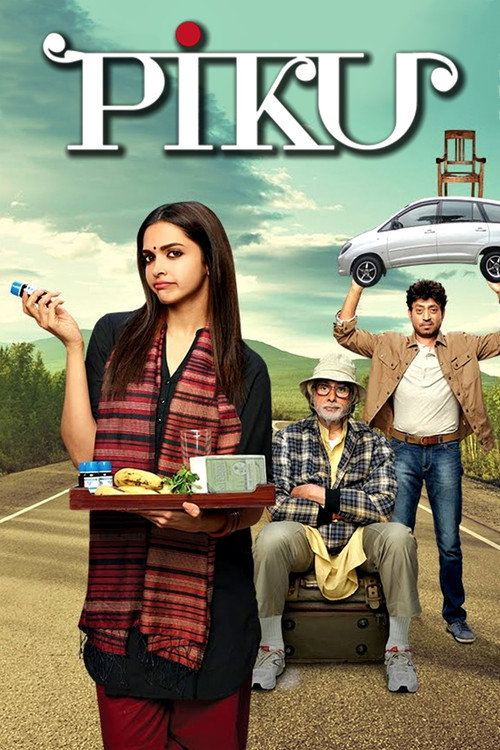
Piku2015
Both treat family obligation not as melodrama but as the actual texture of how people love each other. Piku is what Hum Saath-Saath Hain looks like forty years later, in a less deferential India.
A modern family comedy-drama about a daughter, her ageing father, and the man caught between them. Completely different tone and era, but shares the same interest in how families negotiate love across generations and stubbornness.
But Deliberately deglamorizes family life. It's funny and warm but also unglamorous, about constipation and stubbornness rather than grand misunderstanding. A comedy, not a romance.
People
Cast
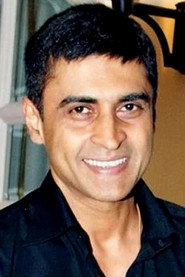 Mohnish BehlVivek Chaturvedi
 Salman KhanPrem Chaturvedi
 Saif Ali KhanVinod Chaturvedi
 TabuSadhna Sharma Chaturvedi
 Sonali BendrePreeti Shukla
 Karisma KapoorSapna Bajpai
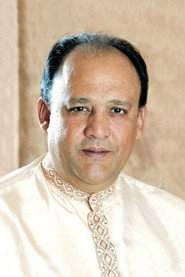 Alok NathRamkishan Chaturvedi
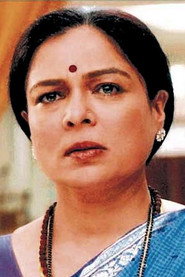 Reema LagooMamta Awasthi Chaturvedi
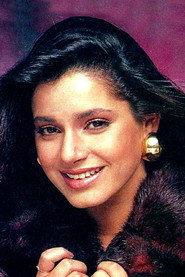 Neelam KothariSangeeta Chaturvedi Pandey
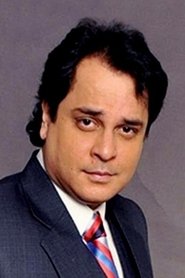 Mahesh ThakurAnand Pandey
- Ajit VachhaniVakil
 Himani ShivpuriVakil's Wife
Directing
- Sooraj BarjatyaDirector
Writing
- Sooraj BarjatyaDialogue
- Sooraj BarjatyaScreenplay
- Sooraj BarjatyaStory
Production
- Rajat A. BarjatyaAssociate Producer
- Sooraj BarjatyaAssociate Producer
- Ajit Kumar BarjatyaProducer
- Kamal Kumar BarjatyaProducer
- Rajkumar BarjatyaProducer