
Film
Haan Maine Bhi Pyaar Kiya
A 2002 Bollywood romance where a woman torn between her ex-husband and a wealthy suitor must choose between rekindled passion and a fresh start. It's a glossy, music-driven melodrama built on misunderstandings and grand gestures—the kind of film where feelings are outsized and everything resolves in song. For anyone who loves romantic entanglement, elaborate production numbers, and the particular emotional logic of early-2000s Hindi cinema.
If you liked this
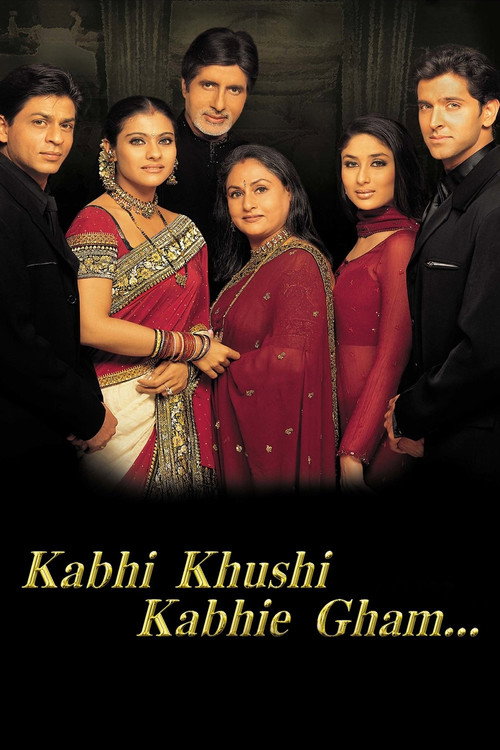
Kabhi Khushi Kabhie Gham2001
Released just before this film, it's the gold standard of early-2000s Bollywood romance: family drama, stunning production design, impeccable chemistry, and music that defined a generation. A masterclass in the form.
But Nearly four hours long and deeply invested in multigenerational family approval as a plot engine. If you want romance without the patriarchal scaffolding, this isn't it.
Dil Dhadakne Do2015
Modern Bollywood tackling marriage crisis and rediscovery with the same emotional stakes but sharper writing. Ranveer Singh and Priyanka Chopra have the chemistry this film asks for, and the cruise-ship setting gives it visual distinction.
But Slower paced than you might expect for a Bollywood film. Some find the introspective moments self-indulgent rather than moving.

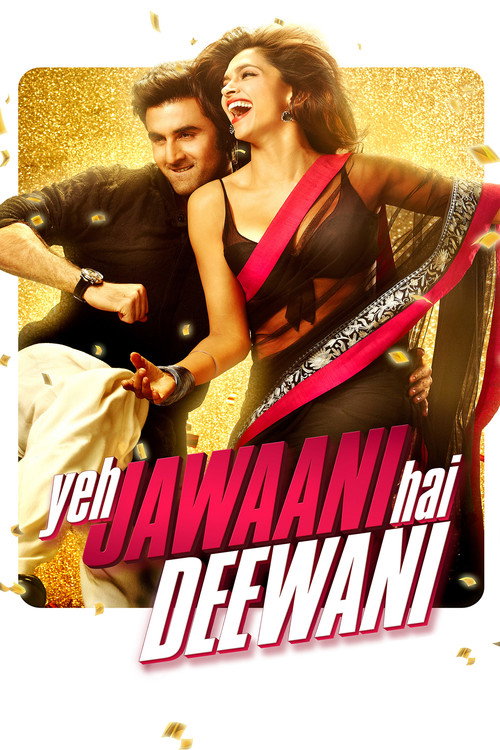
Yeh Jawaani Hai Deewani2013
A love triangle resolved through genuine character growth rather than just plot mechanics. Ranbir Kapoor and Deepika Padukone anchor it with real vulnerability, and the film actually trusts the audience to sit with ambiguity.
But The first half's backpacker-romance energy clashes tonally with the second half's reflective, melancholic turn. Some viewers find that tonal shift jarring.
Not sure tonight? Get a pick in a minute, starting from Haan Maine Bhi Pyaar Kiya
The wildcard
Something you would not have found on your own.
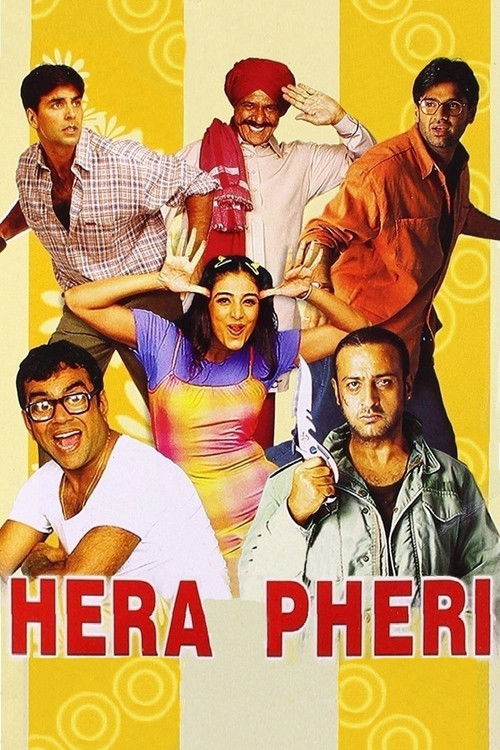
Hera Pheri2000
Akshay Kumar in the exact opposite register—proving stars contain multitudes and the genre matters more than the actor.
Takes Akshay Kumar—the hero of *Haan Maine Bhi Pyaar Kiya*—and drops him into a comedy caper where his charm serves absurdist humor instead of romance. Same energy, completely different genre. It's a reminder that Akshay's greatest gift was comedic timing, not passionate declarations.
But Relies on slapstick and wordplay that doesn't always survive translation or time. The plotting is deliberately nonsensical, which frustrates viewers who want narrative logic.
More like this (8)
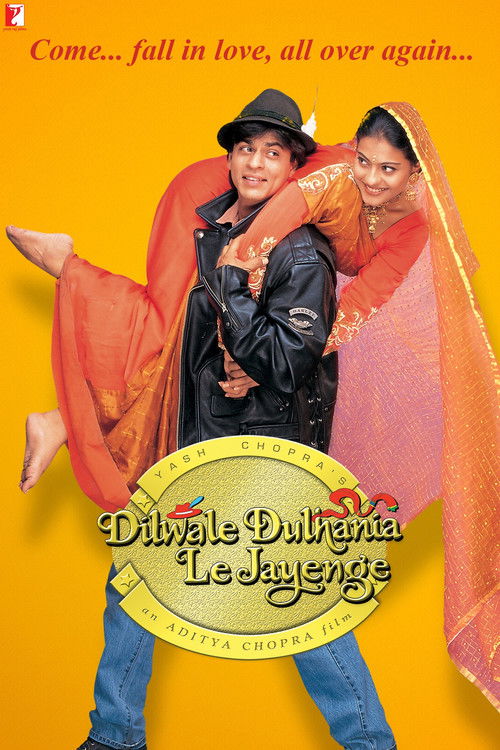
Dilwale Dulhania Le Jayenge1995
The template for every Bollywood romance that followed, including this one. Shah Rukh Khan and Kajol defined on-screen chemistry, and the film's optimism about love—flawed but genuine—remains infectious.
But The gender politics haven't aged well. The heroine's arc ends with her choosing duty and family approval, which feels hollow to modern sensibilities.
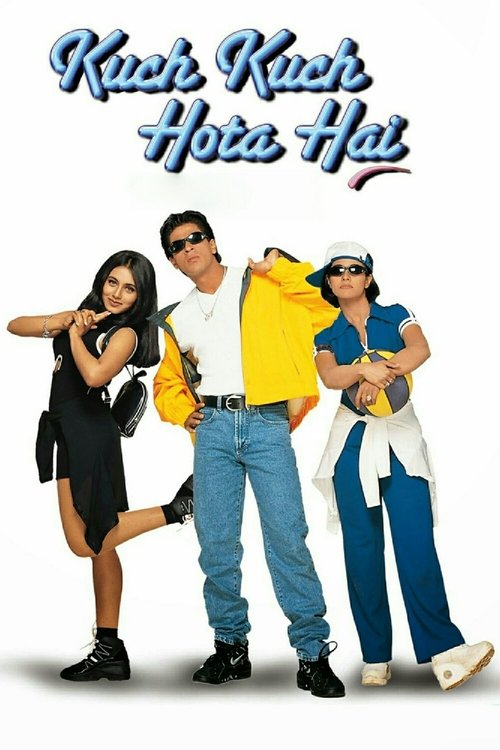
Kuch Kuch Hota Hai1998
Peak Shah Rukh Khan sentimentality: a film about the difference between being in love and being *right* for someone. It's shameless and it works. The climax still lands emotionally even when you see it coming.
But Relies heavily on the trope of the "cool girl" who exists to facilitate the hero's emotional journey. Her own desires matter less than his realization.
Jaane Tu... Ya Jaane Na2008
A lighter, fresher take on Bollywood romance where two friends dance around attraction with genuine wit and charm. Imran Khan and Genelia have real spark, and the film trusts comedy to carry emotional weight.
But Deliberately slight—if you want operatic emotion and melodrama, the restraint might feel thin.

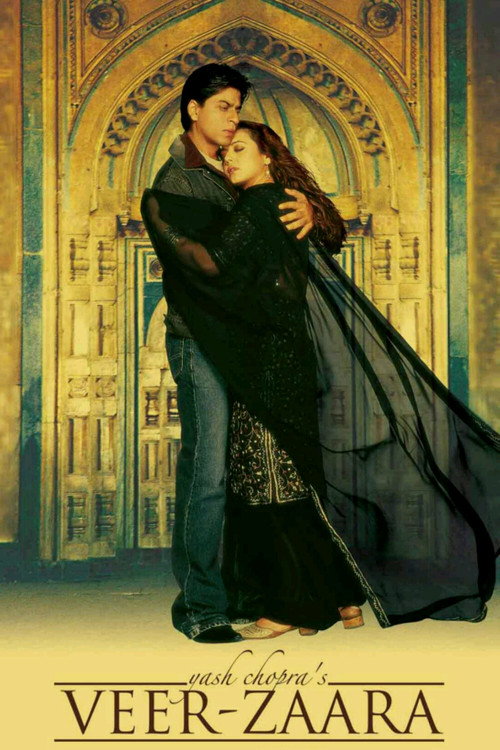
Veer-Zaara2004
An epic cross-border romance that uses political conflict to externalize emotional stakes. Shah Rukh Khan and Preity Zinta sell a love so transcendent it survives imprisonment and geographic separation.
But The India-Pakistan political backdrop can feel like window dressing. Some find the martyr-like devotion to love over all else overwrought rather than romantic.
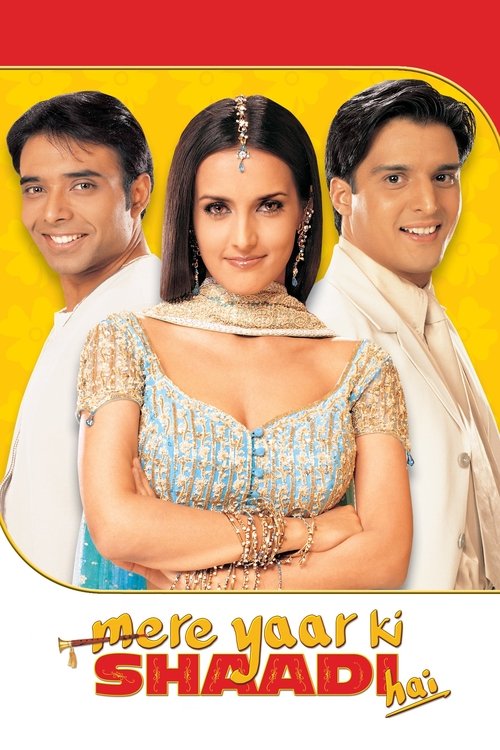
Mere Yaar Ki Shaadi Hai2002
Released the same year, it's a lighter alternative with a similar ensemble energy and more laughs. Less invested in Grand Passion, more interested in how people actually behave around relationships.
But Spreads focus across an ensemble, so no single relationship gets the depth some viewers crave.
Love Aaj Kal2009
A parallel-timeline romance about commitment across eras. Visually playful, occasionally funny, and interested in the question of whether love changes or people do.
But Tries to be clever about structure but sometimes sacrifices emotional clarity. Feels like it's reaching for profundity it doesn't quite grab.

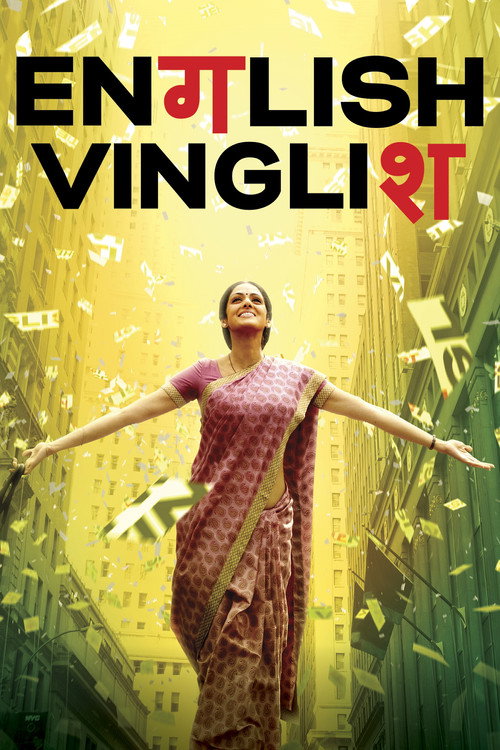
English Vinglish2012
The inverse of Pooja's sacrifice: a story where the woman's growth means *not* returning to marriage, and finding that liberating rather than tragic.
A woman learning English in New York accidentally discovers herself—professional ambition, personal autonomy, the possibility of being more than someone's wife. It has romantic elements but treats them as secondary to her own arc. Sridevi is luminous and the film trusts her journey completely.
But Moves slowly. If you need constant plot momentum or musical numbers, the meditative pacing will feel sluggish. Some find the pro-independence message preachy.
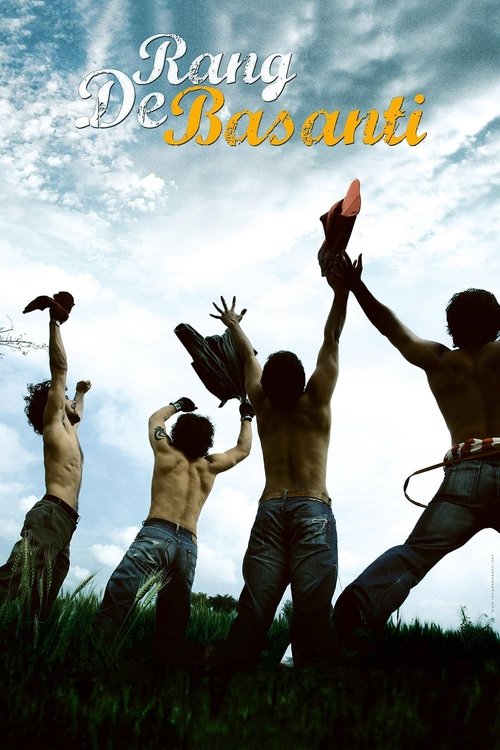
Rang De Basanti2006
Same era's production ambition, but it uses that apparatus to examine whether love is enough, or whether integrity demands more.
An ensemble film about five friends where love exists but serves a larger story about identity, conscience, and what you're willing to fight for. It has production scale and music, but it's genuinely angry about injustice in ways Bollywood rarely permits itself. Aamir Khan at his most magnetic.
But Politically didactic and tonally uneven—romance dissolves into activism, which some find jarring. The climax asks you to accept revolutionary violence as justified, which won't sit right with everyone.
People
Cast
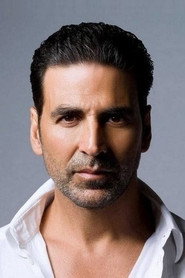 Akshay KumarRaj Malhotra
 Karisma KapoorPooja Kashyap / Pooja Shiv Kapoor
 Abhishek BachchanShiv Kapoor
 Shakti KapoorChinni
 Simone SinghMeghna
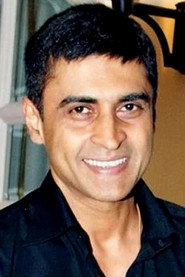 Mohnish BehlRohit Kashyap

 Himani ShivpuriMaria
 Navneet NishanNeha
- Supriya KarnikNeha Kashyap
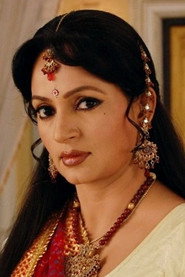 Upasna SinghMilk vendor
Directing
- Dharmesh DarshanDirector