
Film
Beta
Beta is a 1992 Hindi family drama about a wealthy boy's search for maternal love, complicated by a scheming stepmother and his own blindness to manipulation. It's a melodrama in the finest Bollywood tradition—earnest, emotionally direct, unapologetically sentimental. For anyone who loves family sagas with real stakes and no irony.
Should you watch it?
Watch it if you love old-fashioned melodrama where a household's warmth slowly curdles, and you enjoy big sung set-pieces and sentiment played completely straight.
Skip it if you find Hindi-film musicals and broad comic side characters tiresome, since the sentiment is loud and the runtime stretches past two and a half hours at full volume.
What it asks of you: Settle in for nearly two and a half hours of melodrama that moves at a leisurely pace, with frequent songs and emotions turned up high.
Not sure? Find tonight's pick in a minute.
If you liked this
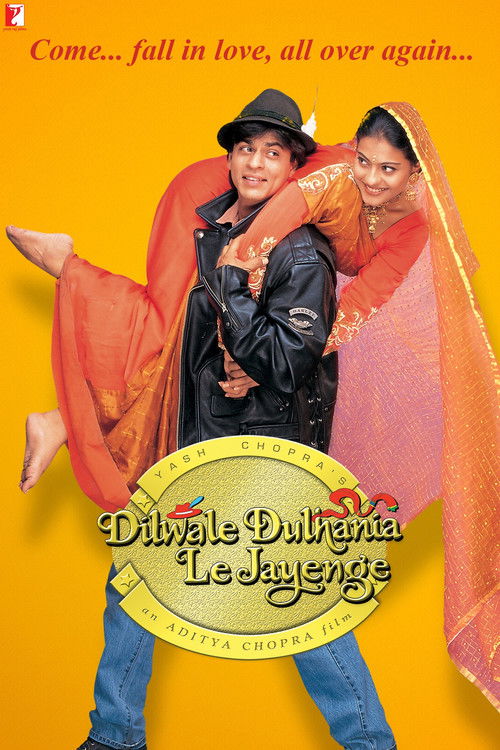
Dilwale Dulhania Le Jayenge1995
The gold standard of Hindi family drama. A son caught between duty to his father and love for a woman, with similar emotional intelligence and the same gift for making you believe in the stakes of family honour.
But It's nearly three hours long and moves at a pace that demands patience. Some find the morality lectures heavy-handed.
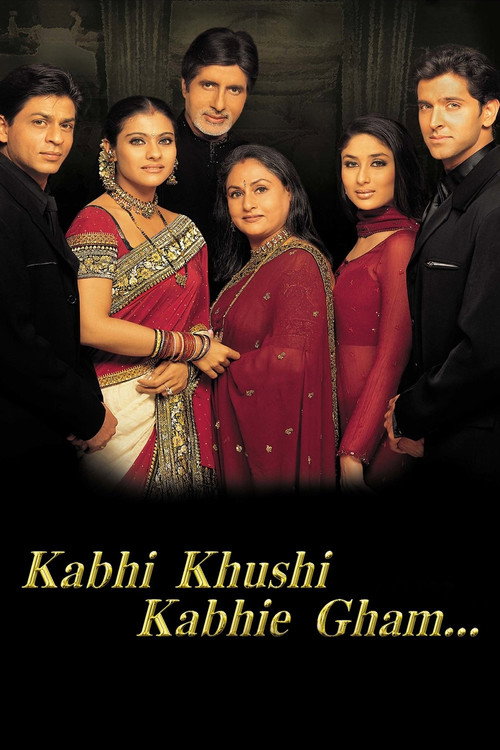
Kabhi Khushi Kabhie Gham2001
Another family fracture story told with total sincerity. Explores the space between a parent's love and a parent's control, with Amitabh Bachchan at his most formidable and human.
But Lavishly mounted to the point of distraction. The second half relies on coincidences that strain credibility even for Bollywood.
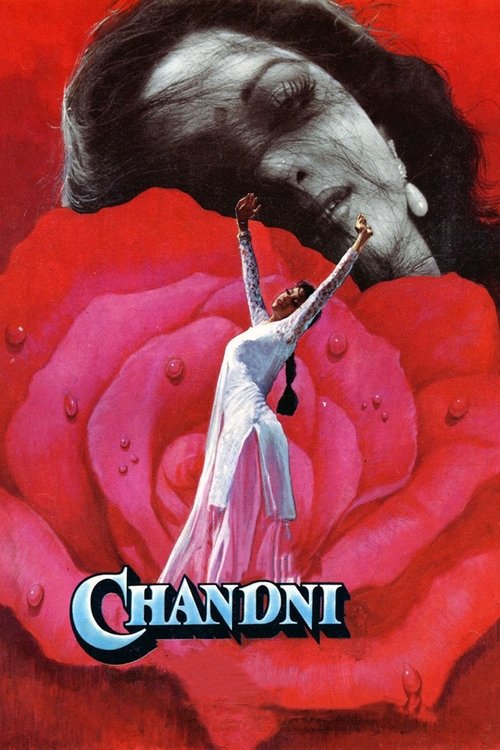
Chandni1989
Madhuri Dixit at her most luminous, in a love story that's actually about a woman's agency and choice. The emotional architecture is clean and the performances are exquisite.
But The plot is slight and the climax depends on melodramatic accident. If you need narrative momentum, you'll find it sluggish.
Not sure tonight? Get a pick in a minute, starting from Beta
The wildcard
Something you would not have found on your own.
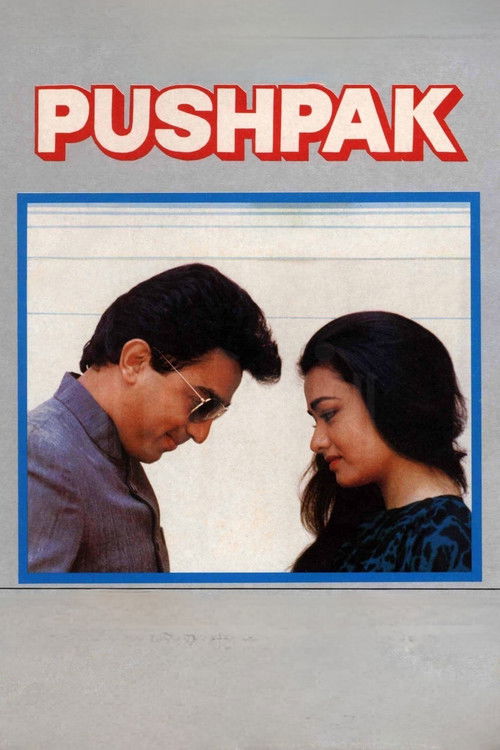
Pushpaka Vimana1987
Both explore identity through wealth and circumstance, but Pushpak asks the question through silence and slapstick rather than melodrama—a radically different register on the same theme.
A silent Hindi film about a poor man who assumes a rich man's identity for a day. It's structured like a fairy tale and relies entirely on physical comedy and visual storytelling. A completely different language for the same question: who are we without our circumstances?
But No dialogue whatsoever means it demands active attention. The humour is entirely physical, and that style of comedy can feel dated or alienating if you're not attuned to it.
More like this (8)
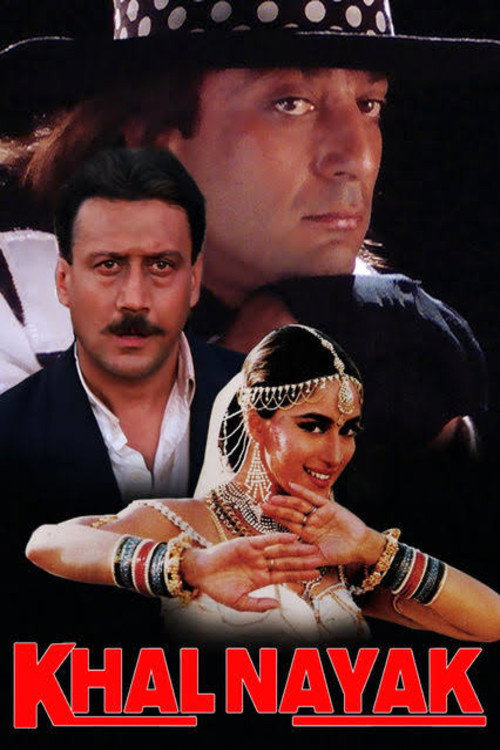
Khal Nayak1993
Sanjay Dutt as a criminal and Madhuri as a police officer undercover in his life. The moral ambiguity is genuinely unsettling and the film doesn't offer easy answers.
But It's darker and more violent than most family dramas. Some plot threads feel abandoned. The tone is uneven.
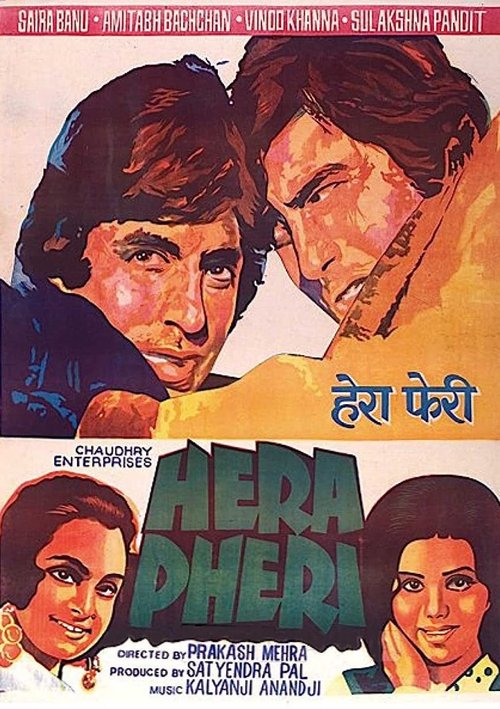
Hera Pheri1976
An earlier Vinod Khanna film that explores similar territory of paternity and obligation with a lighter touch. Entertaining without ever sacrificing emotional truth.
But It's a product of the 1970s in every way—the pacing, the filmmaking, the gender politics. Harder to access if you're new to Hindi cinema.
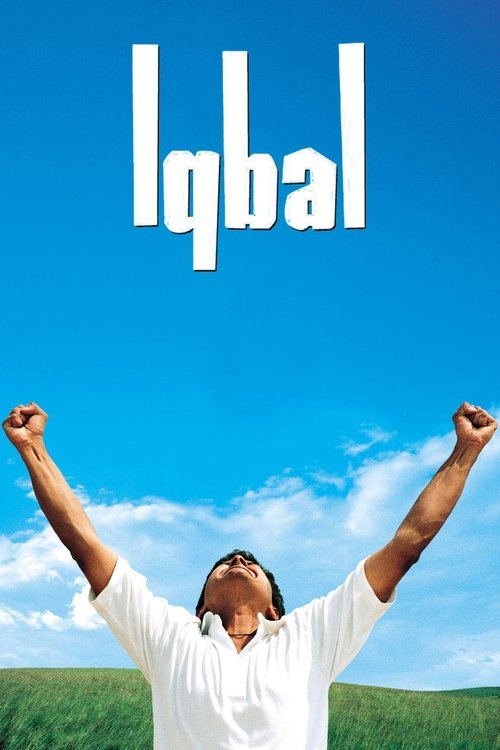
Iqbal2005
A son defying family expectations to pursue his passion, but told with humour and warmth rather than confrontation. Naseeruddin Shah as the father is worth the price of admission alone.
But Sports films can feel formulaic, and this one doesn't entirely escape the template. The climax is satisfying in a way that might feel too neat.
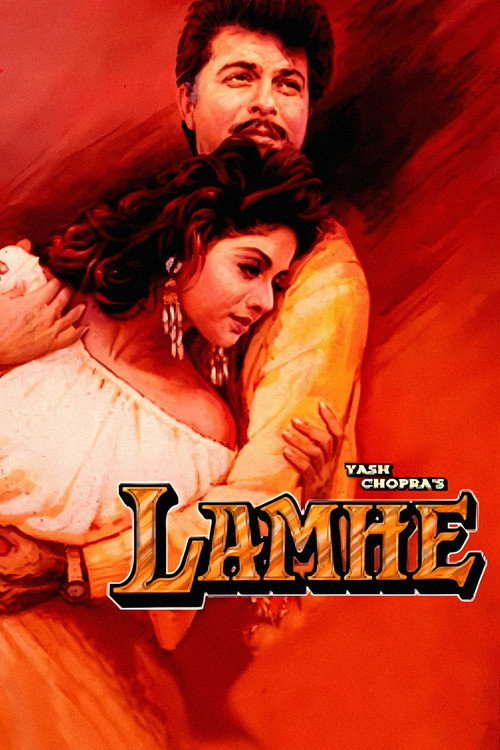
Lamhe1991
Yash Chopra directing Madhuri in a love story that's really about obsession and the impossibility of controlling another person's heart. Visually sumptuous and morally complicated.
But It's deliberately artificial and stylised. The age-gap relationship at its centre disturbs many viewers, and fairly so.
Main Hoon Na2004
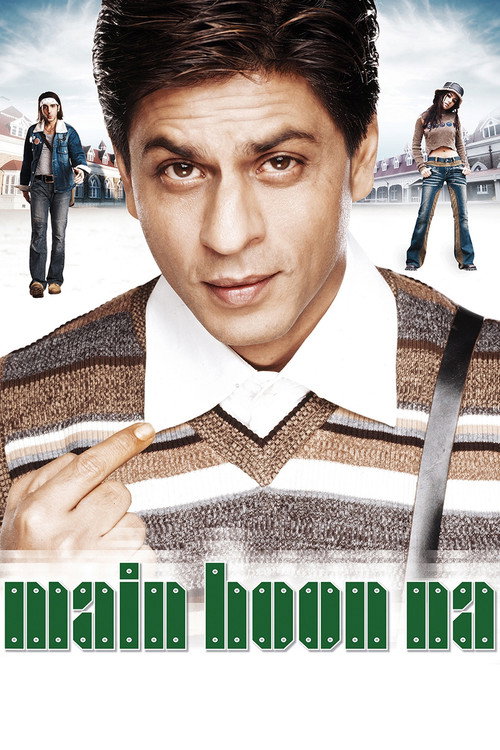
Shah Rukh Khan playing a soldier sent to protect his estranged stepmother and siblings. It has Beta's central theme—the stepmother question—but approaches it with comedy and genuine affection.
But Unapologetically silly in places. The tonal shifts between action and sentiment can feel jarring rather than enriching.
Phool Aur Kaante1991
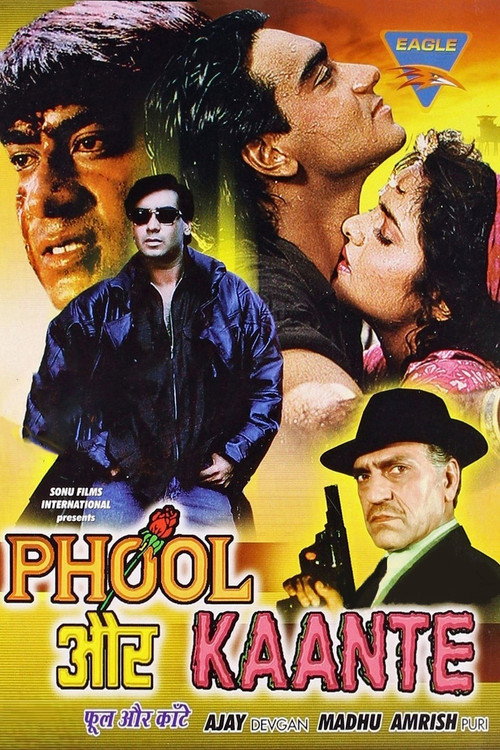
Ajay Devgn's debut. A poor boy from the slums who pursues a wealthy girl. The class anxiety and social friction feel real even as the story moves toward melodrama.
But The film is uneven and sometimes clumsy in execution. Long stretches don't justify themselves. It's worth seeing for what it reaches for, not always for how it gets there.
Maa1952
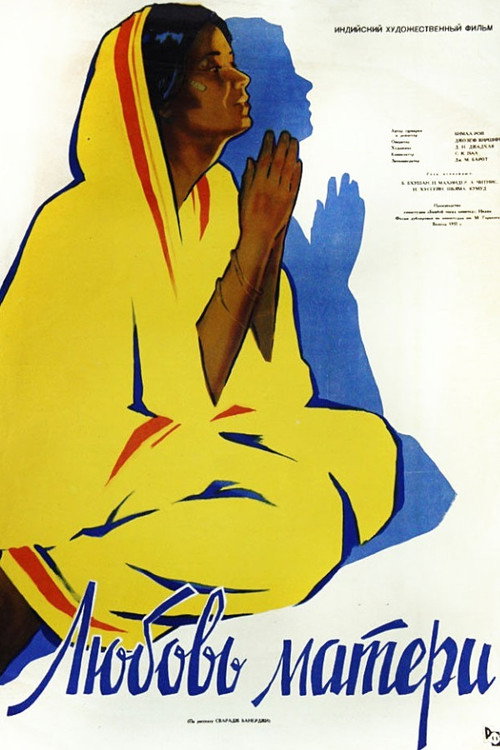
Beta is essentially a remake of themes Maa established. Watching this first shows you where the form came from and how much Bollywood returns to this well.
Ashok Kumar in an early Indian film about maternal love and obligation that predates Beta by four decades. It's the ancestor of the genre you're watching—rawer, more explicitly about the mother-son bond as the emotional centre of Indian family life.
But It's in black and white and moves slowly by modern standards. The film stock shows its age. Indian cinema from this era requires acclimatisation.
Badhaai Ho2018
The flipside of Beta—what happens when you stop seeing the mother as a symbol and start seeing her as human. Same universe, inverted perspective.
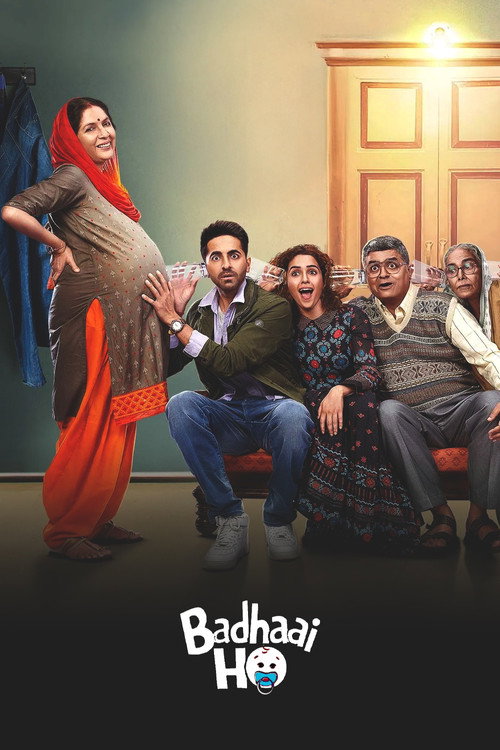
A comedy about adult children discovering their parents still have sexual and emotional lives. It inverts Beta's obsession with the mother figure by treating her as a person with her own desires, not just a role. Funny, warm, and genuinely progressive without preaching.
But It's deliberately small and unglamorous. If you come to Bollywood for spectacle and romance, this is resolutely domestic and middle-aged.
People
Cast
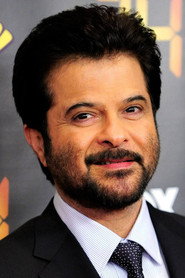 Anil KapoorRaju
 Madhuri DixitSaraswati
 Aruna IraniLaxmi
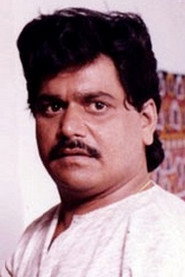 Laxmikant BerdePandu
 Priya Arun BerdeChampa
 Kunickaa SadanandKunika
 Akash KhuranaPrem
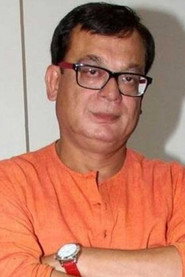 Rajeev MehtaGroom in Marriage
Directing
- Indra KumarDirector
Writing
- Kamlesh PandeyDialogue
- K. BhagyarajOriginal Story
- Praful ParekhScenario Writer
- Rajeev KaulScenario Writer
- Gyandev AgnihotriScreenplay
- Naushir KhatauStory
Recommended by
Hum Aapke Hain Koun..!, Chandni, Yaraana, Judwaa, Yeh Dillagi