
Film
Padmaavat
A sweeping 13th-century epic about desire, honor, and power when a sultan's obsession threatens a kingdom. Padmaavat is visually opulent—costumes, sets, and action sequences are stunning—but the film moves at the deliberate pace of old-fashioned historical drama. It's for viewers who want immersion in another era and don't mind three hours of romantic and political intrigue.
Should you watch it?
Watch it if you love grand period spectacle where the costumes, sets and operatic set pieces carry the story, and you don't mind a villain who is hungry, theatrical and a little ridiculous.
Skip it if you want a tight, grounded history lesson, since this runs nearly three hours and treats romance and honour in heightened, melodramatic terms.
What it asks of you: Settle in for a long, lavish film that moves in big, deliberate swells, with slow build-ups, loud music and scenes held for their visual weight; it rewards patience more than attention to plot.
Not sure? Find tonight's pick in a minute.
If you liked this
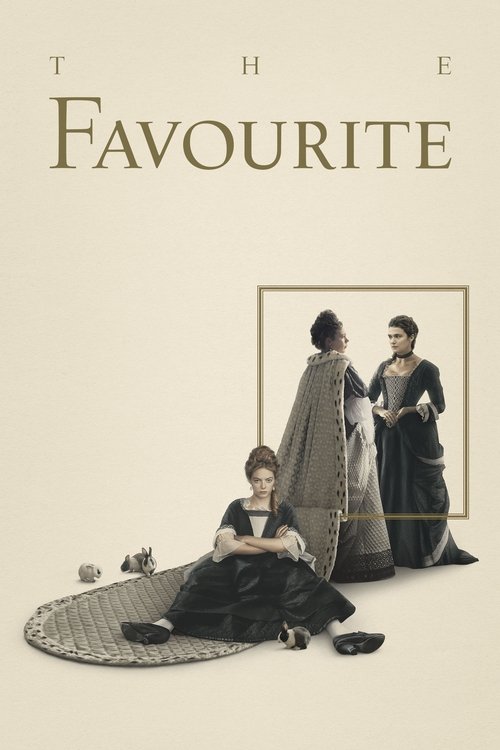
The Favourite2018
Like Padmaavat, it's a costume drama about power and desire, where a woman navigates rival men's obsessions. The stakes feel intimate and enormous at once, and the cinematography is gorgeous enough to live in.
But It's much smaller in scale and comedic in tone, playing as dark satire rather than romantic tragedy. If you want epic battles and sweeping romance, this is too cynical.
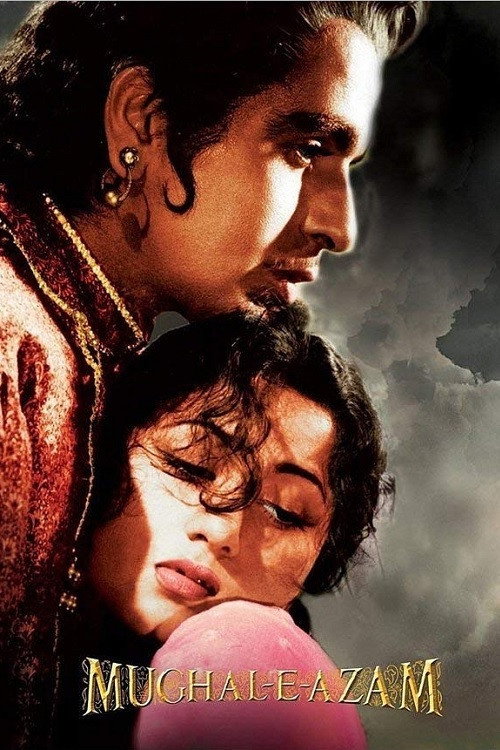
Mughal-e-Azam1960
The gold standard of Indian historical romance. It has the same epic scope, Technicolor opulence, and tragic love story at its heart. If Padmaavat moved you, this is the masterpiece that set the template.
But At over three hours in a style from 1960, it's even slower and more stylized. The acting registers differently than modern film. You have to surrender to its rhythm entirely.
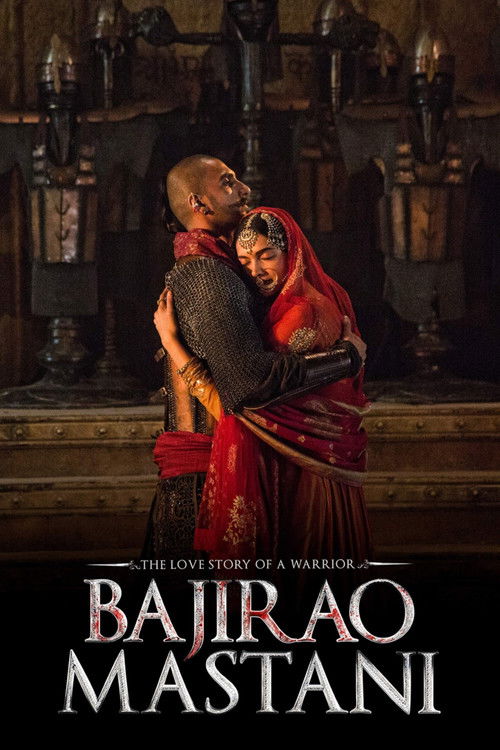
Bajirao Mastani2015
Another lavish Bollywood period romance with similar production values and emotional stakes. Shahid Kapoor's co-star here—it shares the same DNA of doomed love and political consequence in historical India.
But It's melodramatic in the way some find exhausting rather than moving. The balance between action and romance tilts heavily toward romance, which can feel repetitive.
Not sure tonight? Get a pick in a minute, starting from Padmaavat
The wildcard
Something you would not have found on your own.
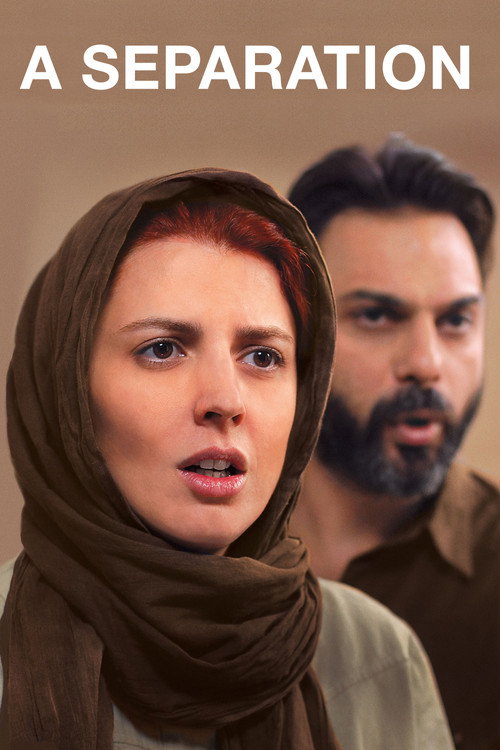
A Separation2011
Both ask what honor and loyalty actually cost when someone refuses to let go. One answers through epic tragedy; the other through kitchen-table devastation.
A masterclass in how desire and obsession destroy people and communities. Like Padmaavat, it's about the wreckage one person's fixation creates, but told with surgical precision and moral complexity rather than romance.
But It's a contemporary Iranian family drama in black and white, completely unglamorous. There are no costumes, no battles, no spectacle—just ordinary people in a room arguing about love and duty.
More like this (7)
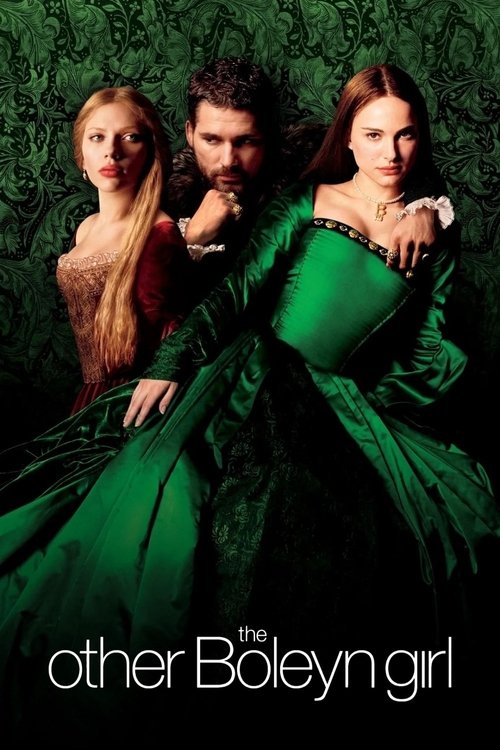
The Other Boleyn Girl2008
A European parallel: obsessive power, competing desires, and a woman caught between them. It's similarly styled, similarly paced, and wrestles with the same question of how women survive when they're prizes in men's games.
But It's significantly less sumptuous visually. If the opulence of Padmaavat is essential to you, this will feel smaller and more conventional.
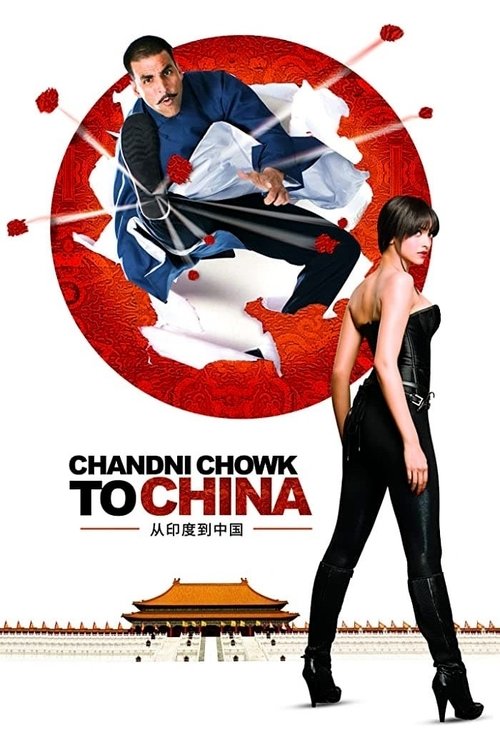
Chandni Chowk to China2009
A wild adventure romance with Deepika Padukone that shows her range beyond the tragic queen. It's fun, colorful, and has real action sequences rather than historical pageantry.
But Tonally it's completely different—lighter, more comedic, less serious. You'd be watching for the performer, not the thematic continuity.
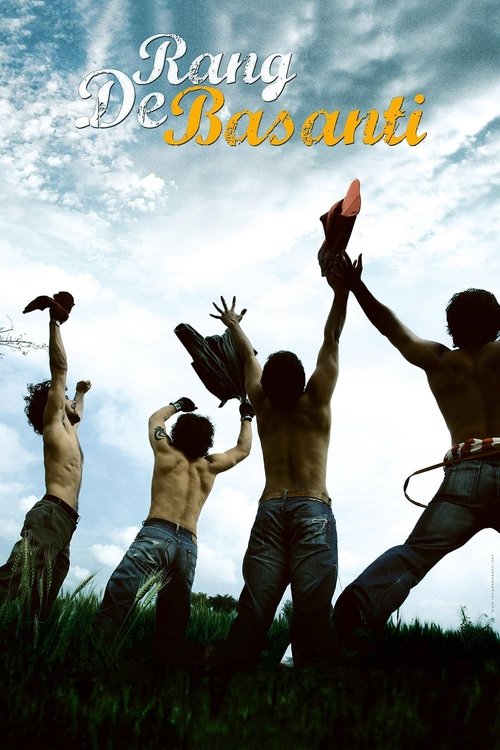
Rang De Basanti2006
A sweeping epic that cares deeply about honor, duty, and sacrifice. Though contemporary rather than historical, it has that same sense of lives transformed by principle and conviction.
But It's a political thriller rather than a romance or historical epic. The energy is urgent and modern, which cuts against the contemplative grandeur of Padmaavat.
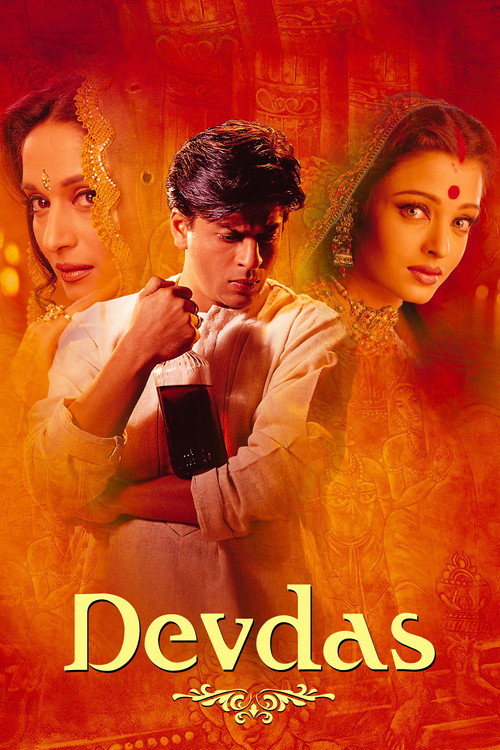
Devdas2002
Sanjay Leela Bhansali—Padmaavat's director—at his most visually extravagant. It's a tragic romance about impossible love, steeped in Indian aesthetics and emotion. This is where his signature style was born.
But It's even more melodramatic than Padmaavat, and the romance is more about suffering than political consequence. Some find it overwrought; others find that part of the point.
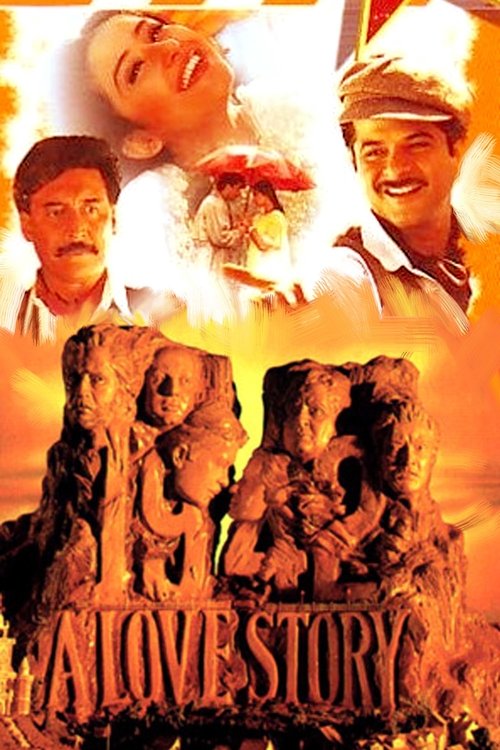
1942: A Love Story1994
An older Indian historical romance with genuine sentiment and beautiful cinematography. It shows how the Bollywood historical epic evolved and what the form can do with restraint.
But By modern standards, the pacing is glacial and the romance feels quaint. The production values don't match what you've just watched.
Stalker1979
Both films are exactly the same length and both are about a man's consuming obsession with something (or someone) he cannot have. One uses it to question the nature of desire itself.
Andrei Tarkovsky's meditation on obsession and desire. A man guides two others through a mysterious zone toward a room that might grant wishes. It's slow, hypnotic, and philosophically profound about why we want what we want.
But It's 163 minutes of deliberate Russian cinema with long takes and minimal dialogue. Nothing happens in the conventional sense. Patience isn't optional; it's the entire point.

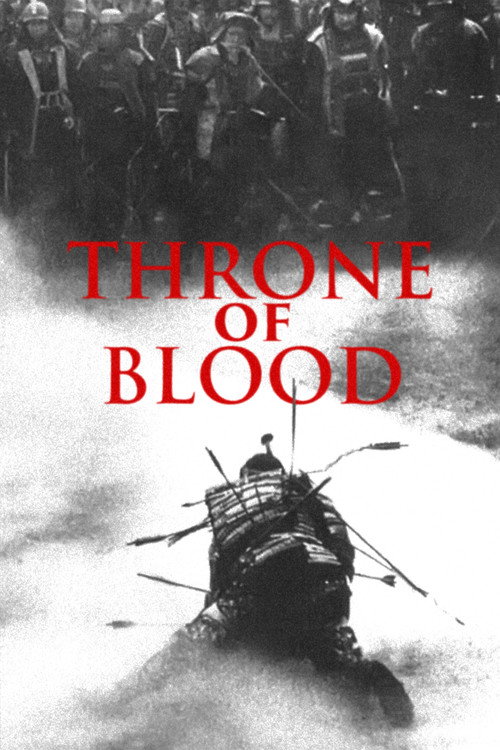
Throne of Blood1957
Both take a historical/legendary setting and use it to explore how one person's desire—for power, for a woman—demolishes kingdoms and leaves bodies behind. One is Indian epic romance; this is its shadow.
Kurosawa's adaptation of Macbeth set in medieval Japan, where ambition and obsession destroy a kingdom. The action is brutal, the cinematography is astonishing, and it proves that Shakespeare's architecture works in any era and culture.
But It's a 1957 Japanese film in black and white, and it's a tragedy—nobody wins. If you want beauty and romance, you'll find both, but they're always shadowed by doom.
People
Cast
 Deepika PadukoneQueen Padmavati
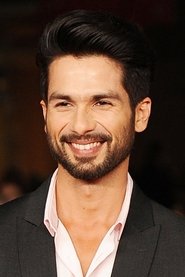 Shahid KapoorMaharaja Ratan Singh
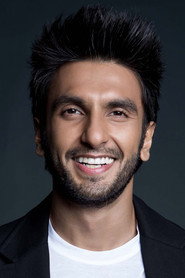 Ranveer SinghSultan Alauddin Khilji
 Jim SarbhMalik Kafur
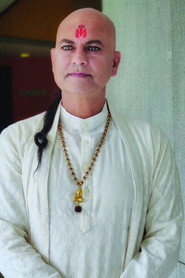 Aayam MehtaRaghav Chetan
 Ujjwal ChopraGora Singh
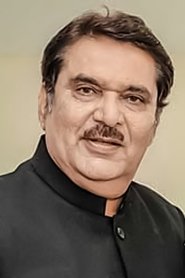 Raza MuradSultan Jalaluddin Khilji
 Aditi Rao HydariMehrunissa
 Anupriya GoenkaNagmati
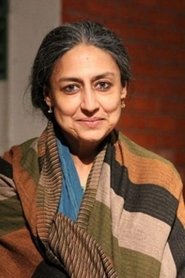 Padmavati RaoKunwar Baisa
 Ashwin DharUlugh Khan
- Veena MehtaSuraj Baisa
Directing
- Sham KaushalAction Director
- Saraswathi MenonAssistant Director
- Sanjay Leela BhansaliDirector
- Shikha RahiScript Supervisor
- Amber LallSecond Unit Director
Writing
- Malik Muhammad JayasiAuthor
- Prakash R. KapadiaDialogue
- A. M. TurazLyricist
- Madhan KarkyLyricist
- Prakash R. KapadiaScreenplay
- Sanjay Leela BhansaliScreenplay
- Prakash R. KapadiaStory
Production
- Chetan DeolekarAssociate Producer
- Shruti MahajanCasting
- Arvinder GillExecutive Producer
- Pratik RawalExecutive Producer
- Ajit AndhareProducer
- Sanjay Leela BhansaliProducer
- Shobha SantProducer
- Sudhanshu VatsProducer
- Prasen SharmaPublicist
- Mohan BangeraSupervising Producer
Recommended by
Goliyon Ki Raasleela Ram-Leela, Devdas, Jodhaa Akbar, Kabali, Commando - A One Man Army, Mangal Pandey - The Rising, Fitoor, Bajirao Mastani, Lootera, Kalank, Rang Rasiya, Sooryavanshi, The Sword of Tipu Sultan, It's Entertainment, Mirchi, Kranti, Sye Raa Narasimha Reddy, Chatrapathi, Thugs of Hindostan, Izzat, Don, Lucifer, Mohenjo Daro, Krrish 3, Mahabharat, Srimanthudu, Rudhramadevi, Kesari, Thalapathi, Shivaay, Iruvar, Bāhubali 2: The Conclusion, Umrao Jaan, Ponniyin Selvan: Part I, Simmba, Jai Chiranjeeva, Taj Mahal, Razia Sultan, Hum Dil De Chuke Sanam, Amen, Heeramandi: The Diamond Bazaar, Captain Miller, Ramayana: Rise of a Legend, Brahmāstra Part One: Shiva, Chandralekha, Jhansi Ki Rani, Puli