
Film
Bāhubali 2: The Conclusion
A sweeping Telugu-language epic that completes the Bāhubali saga with operatic ambition. Spectacular action sequences, intricate palace politics, and genuine emotional stakes combine across nearly three hours. For anyone who craves spectacle that takes itself seriously, where scale serves story rather than replacing it.
Should you watch it?
Watch it if you loved the first film's bold, operatic storytelling and want its big-hearted myth-making carried to a payoff, with grand battles and heroes you can root for without irony.
Skip it if you came in cold and haven't seen the first part, since this one leans on its setup and the emotional weight rests on what came before.
What it asks of you: It runs close to three hours and stays committed to its sweeping, theatrical register, so you need to settle in and let the scale wash over you rather than hunt for quiet moments.
Not sure? Find tonight's pick in a minute.
If you liked this
The Lord of the Rings: The Return of the King2003
Epic fantasy conclusion that earns its lengthy runtime through layered plotting, character arcs spanning years, and climactic battles that matter. Multiple storylines converge toward genuine stakes.
But Three-hour runtime with an ending that takes its time. Some will feel the pacing meanders in the middle act.

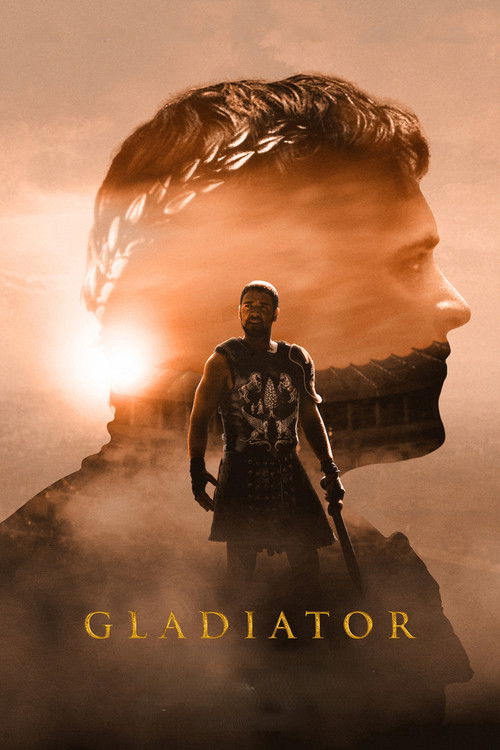
Gladiator2000
Revenge narrative wrapped in arena spectacle, court intrigue, and a charismatic villain you almost understand. Maximus and Bhallaladeva share that dangerous magnetism that makes defeat uncertain.
But The historical setting masks fantasy-adjacent plotting. Some find the moral simplicity underneath the spectacle unsatisfying.
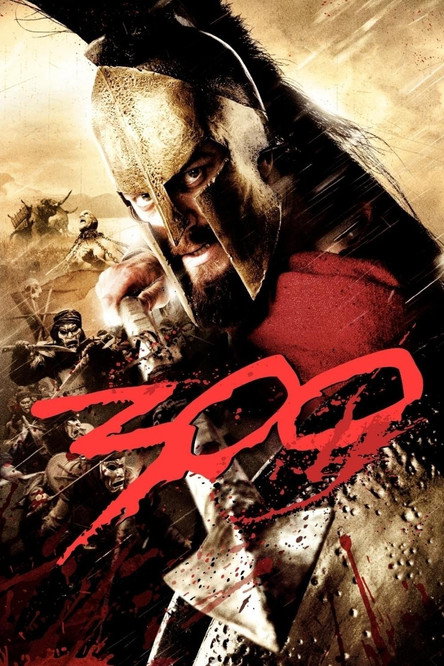
3002007
Stylised action-fantasy that treats its heightened world with complete seriousness. Slow-motion battles, mythic framing, and a protagonist defined by duty rather than doubt.
But Deliberately artificial visual language isn't for everyone. The philosophical depth is intentionally shallow—it's pure aesthetic commitment.
Not sure tonight? Get a pick in a minute, starting from Bāhubali 2: The Conclusion
The wildcard
Something you would not have found on your own.
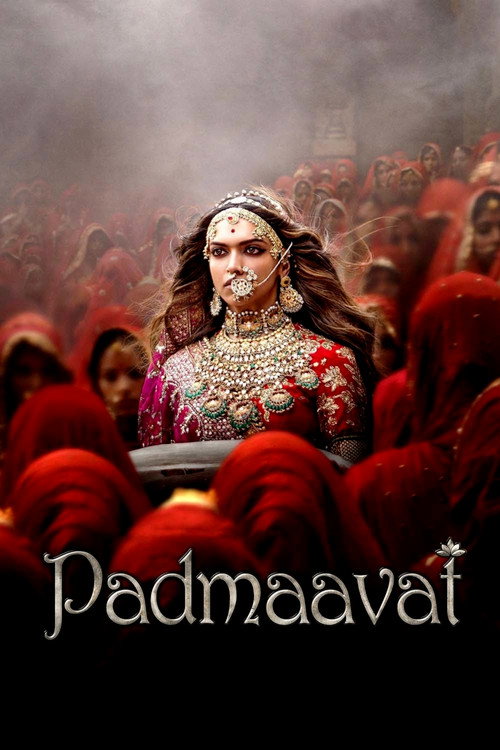
Padmaavat2018
Both Telugu-region influenced epics that treat fantasy-scale spectacle as vehicle for exploring dynastic honour, sacrifice, and what violence costs a kingdom. Khilji and Bhallaladeva occupy similar psychological space.
Indian historical-fantasy operating in the same mythic register as Bāhubali. Ranveer Singh's Khilji is narcissism weaponised; the film's visual language treats spectacle as moral statement. If Bāhubali made you hungry for more.
But Controversial on release for its portrayal of Muslim conquest and Hindu resistance. Some find the framing of a woman's sacrifice troubling rather than noble.
More like this (8)
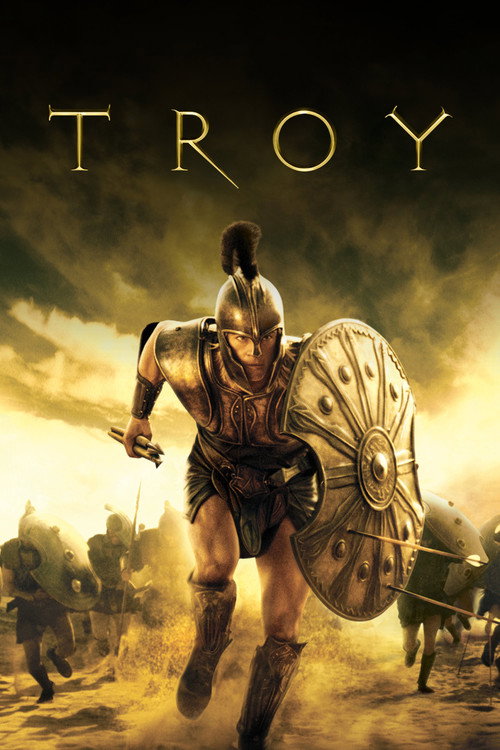
Troy2004
Ancient warfare on a grand scale with political scheming, family loyalty tested by ambition, and extended action sequences that let you breathe between them. Achilles as a force of nature.
But Adapted from Homer but mostly jettisons the depth. Clunky dialogue undercuts some of the spectacle, and it occasionally mistakes length for import.
The Great Wall2016
Martial fantasy with layered defences, structured combat choreography, and visual commitment to a heightened world. A large-scale spectacle that doesn't apologise for its artificial beauty.
But Occidental hero in Eastern setting creates uncomfortable dynamics. Reviews were harsh; be prepared for divisive production choices and uneven execution.

Aquaman2018
Underwater fantasy that embraces its own excess without irony. Elaborate costume design, political intrigue between factions, and action sequences that use environment as character.
But Tone whiplashes between earnest and camp. Plotting meanders and the script doesn't always earn its own emotional moments.

Stardust2007
Fantasy adventure that treats a magical kingdom with affection and detail. Multiple antagonists with their own logic, romance that doesn't overshadow action, and genuine stakes within a playful world.
But Tonal shifts between whimsy and darkness don't always land smoothly. Some will find the lightness undercuts the threat.

The Last Temptation of Christ1988
Epic runtime examining faith through action and consequence. Scorsese's willingness to sit with moral complexity and let scenes breathe gives weight to every gesture. Pacing that trusts the audience.
But Blasphemous to many. Scorsese's slow, contemplative style is the opposite of visceral—dialogue-heavy where you might expect spectacle.

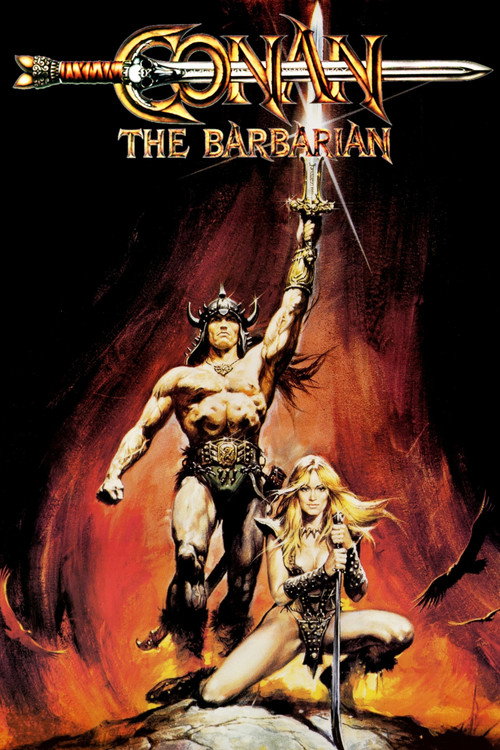
Conan the Barbarian1982
Pulp fantasy that commits entirely to its own mythology. Schwarzenegger's physicality as narrative, minimal dialogue, and a villain genuinely terrifying despite simplicity.
But Deliberately sparse storytelling with little character development. Some find the sexual violence dated and uncomfortable rather than contextual.
Andhadhun2018
Different scale entirely, but identical commitment to hiding character truth until the moment it must be revealed. Both understand that audience uncertainty is more powerful than certainty.
Compact thriller (2h 20m) that builds suspense through misdirection and moral ambiguity. Hindi-language; it proves that Indian cinema's storytelling intelligence works across scales. Blind pianist, murder mystery, nothing is what it seems.
But Tonal shifts between comedy and violence jar deliberately. Morally it offers no heroes, only survivors—some find the cynicism exhausting rather than clear-eyed.

Harakiri1962
Both ask: what do we owe the systems we inherit, and what is the cost of honouring them? Bāhubali asks in colour and scale; Harakiri asks in silence and restraint. Same philosophical engine.
Black-and-white Japanese epic about honour, duty, and the systems that enforce them until they destroy everyone. Ritualistic action and uncompromising moral vision. Samurai mythology treated with absolute seriousness.
But Slow, formal, monochrome, and 91 minutes will feel longer than Bāhubali's 167. No spectacle—only implication and consequence. The opposite of everything Bāhubali offers except sincerity.

People
Cast
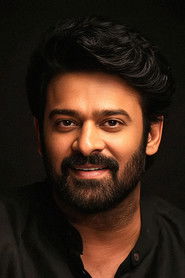 PrabhasMahendra 'Sivudu' Bāhubali / Amarendra Bāhubali
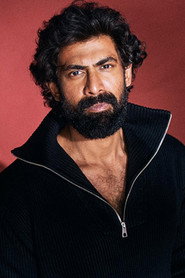 Rana DaggubatiBhallaladeva
 Anushka ShettyDevasena
 SathyarajKarikala Kattappa Nadar
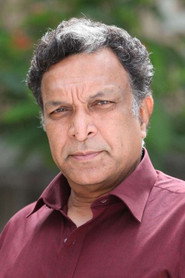 NassarBijjaladeva
 Ramya KrishnanSivagami
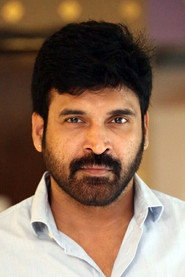 SubbarajuKumara Varma
 Tamannaah BhatiaAvanthika
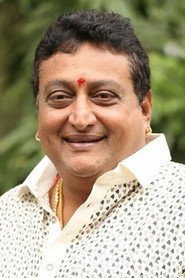 PrudhvirajOfficial in Kunthala Kingdom
 RohiniSanga
- Ramakrishna MekaJaya Varma
 Rakesh VarreSethupathi
Directing
- Ashwin GangarajuAssistant Director
- S. S. KarthikeyaAssistant Director
- S. S. RajamouliDirector
- Lee WhittakerSecond Assistant Director
Writing
- Mankombu GopalakrishnanDialogue
- K. Shiva DuttaLyricist
- S. S. RajamouliScreenplay
- Rahul KodaStory
- Vijayendra PrasadStory
Production
- Sri Valli M MLine Producer
- Iliya SotirovProducer
- K Raghavendra RaoProducer
- Prasad DevineniProducer
- Shobu YarlagaddaProducer