Television series
Mahabharat
Other titles called Mahabharat: the 2013 series (StarPlus).
B.R. Chopra's landmark 1988 adaptation of the Mahabharata is television spectacle on an epic scale—94 episodes of dynastic war, divine intervention, and moral philosophy rendered in vivid, theatrical style. It's operatic rather than intimate, grand rather than subtle. For anyone curious about how Indian mythology reached mass audiences, or who wants to understand the cultural DNA of modern Indian storytelling, this is essential viewing.
Should you watch it?
Watch it if you love sprawling, unhurried family sagas where dynastic rivalries, vows and divine intervention unfold across dozens of episodes, and you don't mind a stagey, old-fashioned look if the storytelling is committed.
Skip it if you want brisk pacing or modern production values; at 94 episodes of roughly 45 minutes each, with deliberate scenes and dialogue-heavy stretches, it can feel like a long commitment.
What it asks of you: It asks for a lot of time and patience, settling in for nearly seventy hours of gradual, episodic storytelling rather than a few tense hours with a clear arc.
Not sure? Find tonight's pick in a minute.
If you liked this
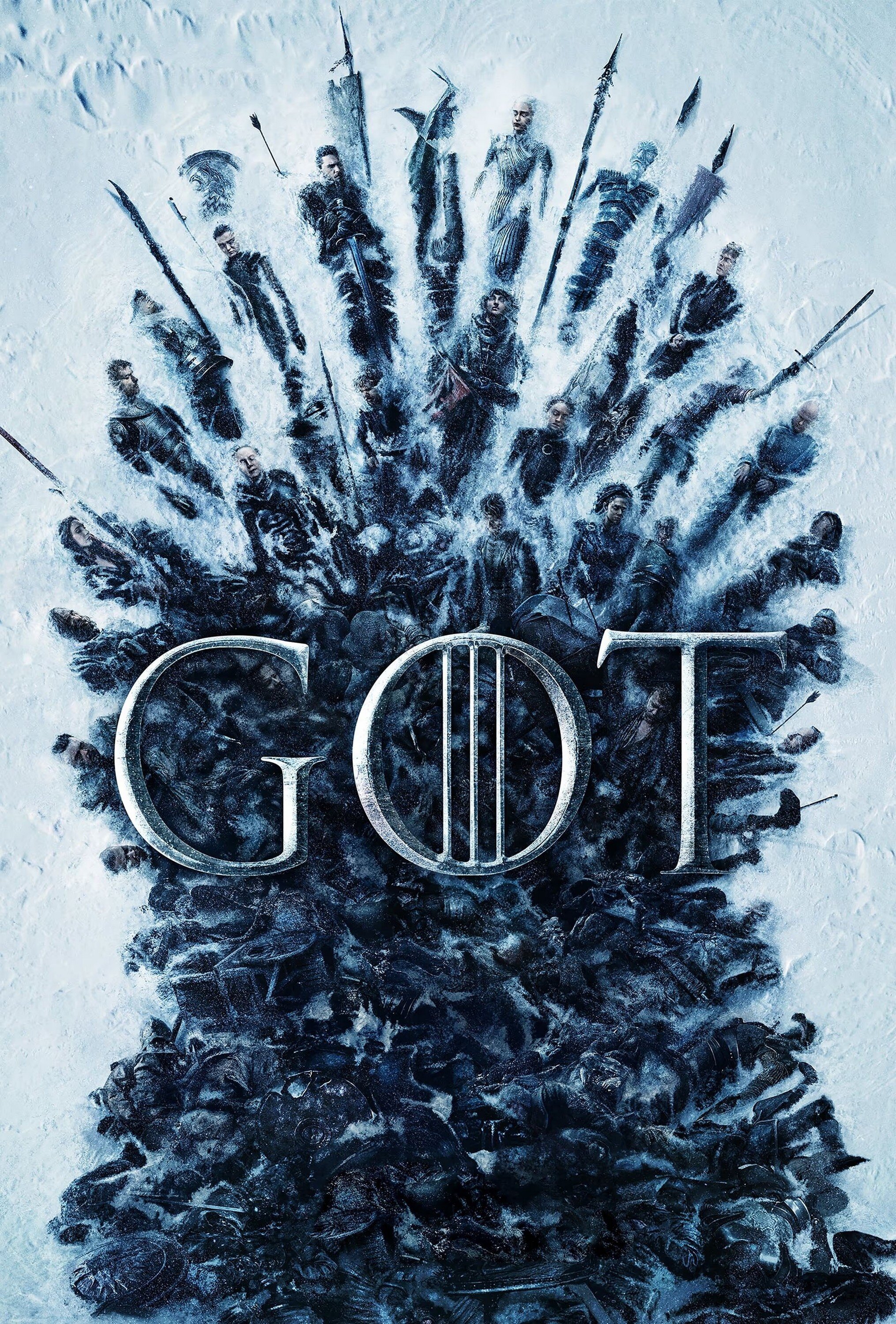
Game of Thrones2011
Both epics built on the same architecture: warring dynasties, magic threaded through politics, moral compromise at every turn. If you loved the ensemble scale and strategic plotting of Mahabharat, this delivers it in a very different idiom.
But Aggressively adult in its violence and sexuality—a total tonal inversion. Also ends badly, by design.
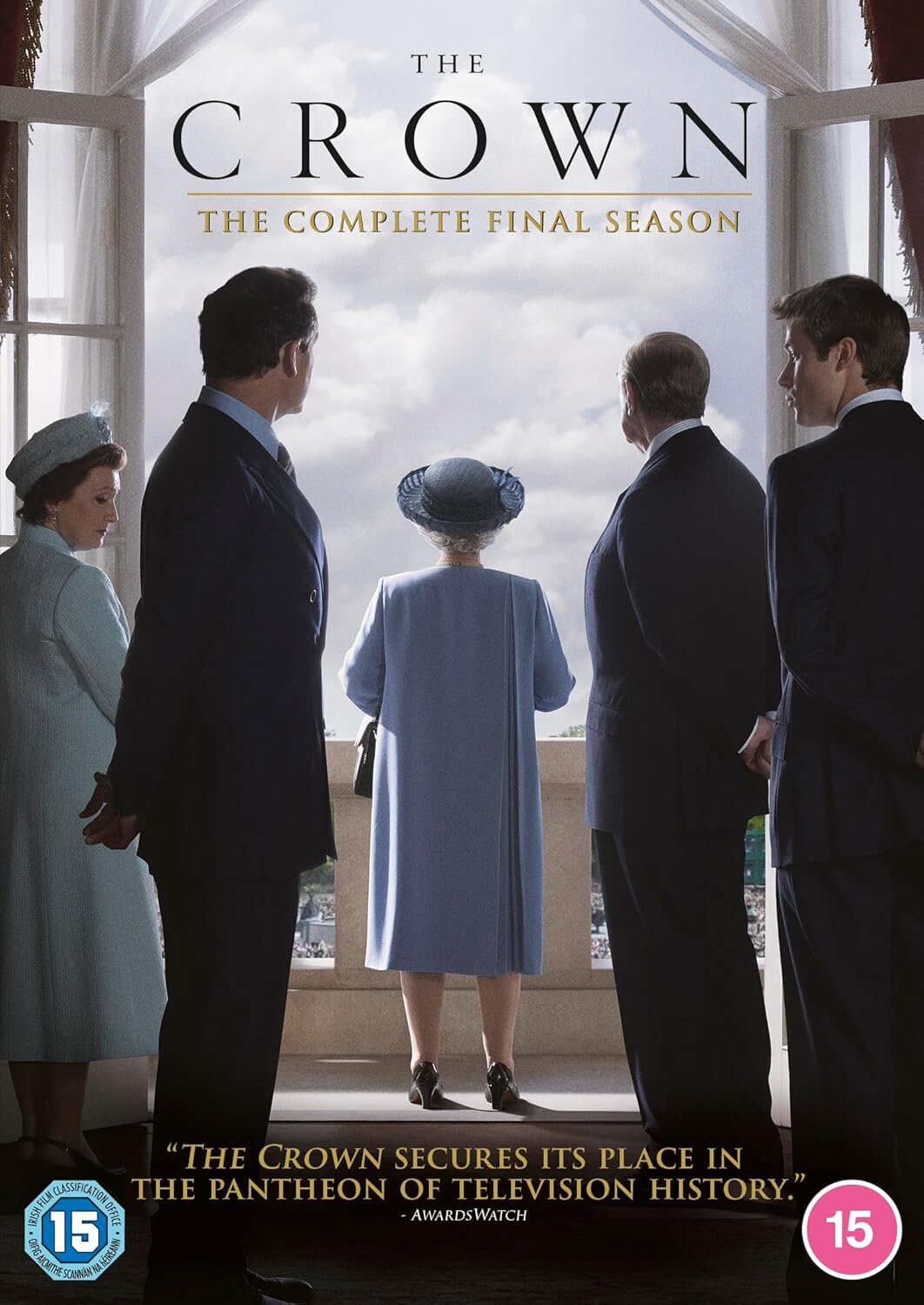
The Crown2016
Dynasty, duty, and the weight of inherited power explored across decades. Less mythological, more intimate, but it shares Mahabharat's interest in how obligation shapes people and how history judges their choices.
But No magic, no gods. Very British, very interior. If you came for the spectacle, you'll find something slower and more domestic.
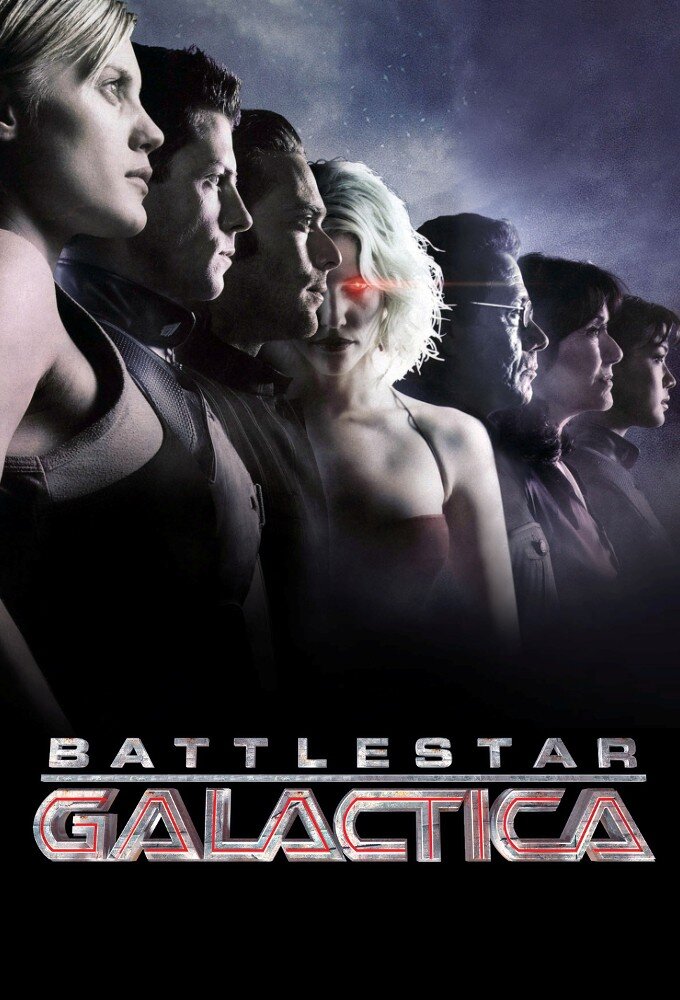
Battlestar Galactica2003
Science fiction doing what Mahabharat does—weaving theological questions into military sci-fi, asking whether destiny exists, building a whole mythology in real time. Episodes matter; they accumulate.
But Gritty and modern in tone, nothing like the theatrical grandeur you just watched. Also drags badly in seasons three and four.
Not sure tonight? Get a pick in a minute, starting from Mahabharat
The wildcard
Something you would not have found on your own.
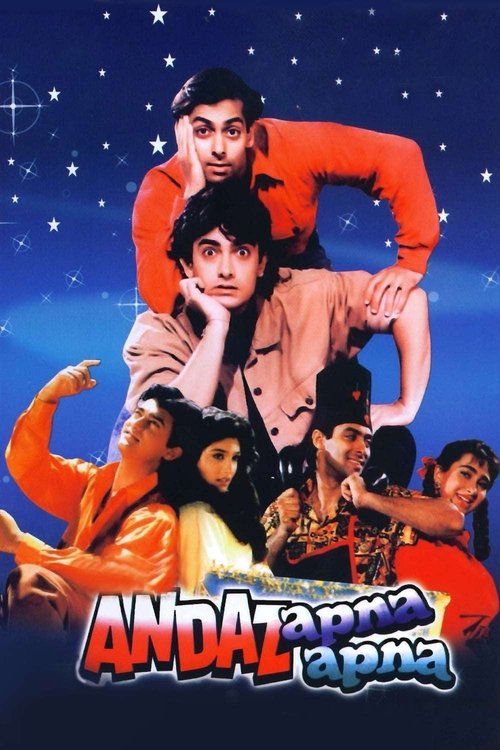
Andaz Apna Apna1994
Both are Indian ensemble narratives where multiple protagonists pursue different goods simultaneously, creating moral and dramatic complexity through competing loyalties rather than simple heroes and villains.
A Bollywood comedy that borrowed the Mahabharat's ensemble structure and moral comedy—multiple heroes, competing agendas, situations where everyone's partially right. It's farcical where Mahabharat is tragic, but structurally it's using the same playbook. Proof the epic's DNA runs through modern Indian storytelling.
But Broad, fast, totally silly. If you want to stay in the realm of serious mythology, you'll feel whiplashed by the tone shift.
More like this (5)
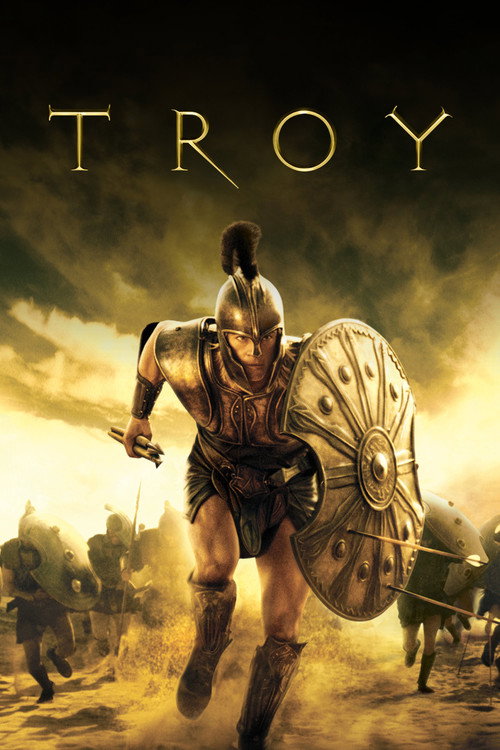
Troy2004
Another grand adaptation of ancient martial epic, with similar scale and similar belief in the heroic. It understands that these stories are about honor, obligation, and men caught between love and duty.
But Clumsy and shallow compared to what you've seen. Hollywood's version of epic feels thin after Chopra's commitment.
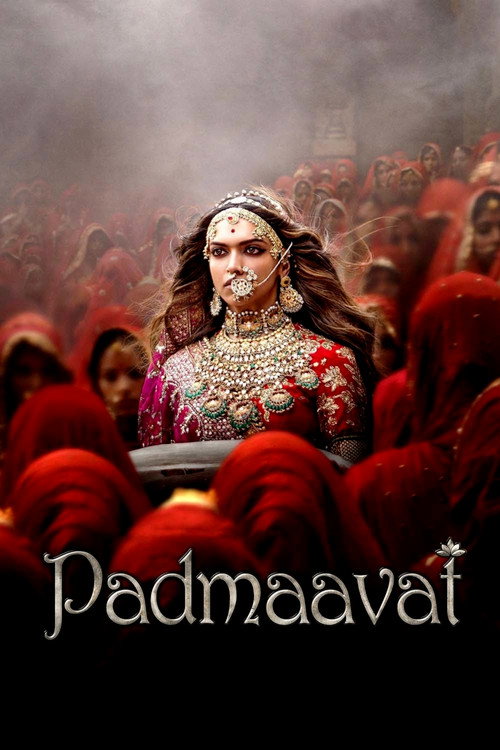
Padmaavat2018
A Bollywood director (Sanjay Leela Bhansali) treating mythological material with the same operatic, visually saturated intensity Chopra brought to Mahabharat. Same DNA, different story.
But Controversial treatment of history; many see it as distortion rather than adaptation. Also more interested in opulence than narrative clarity.
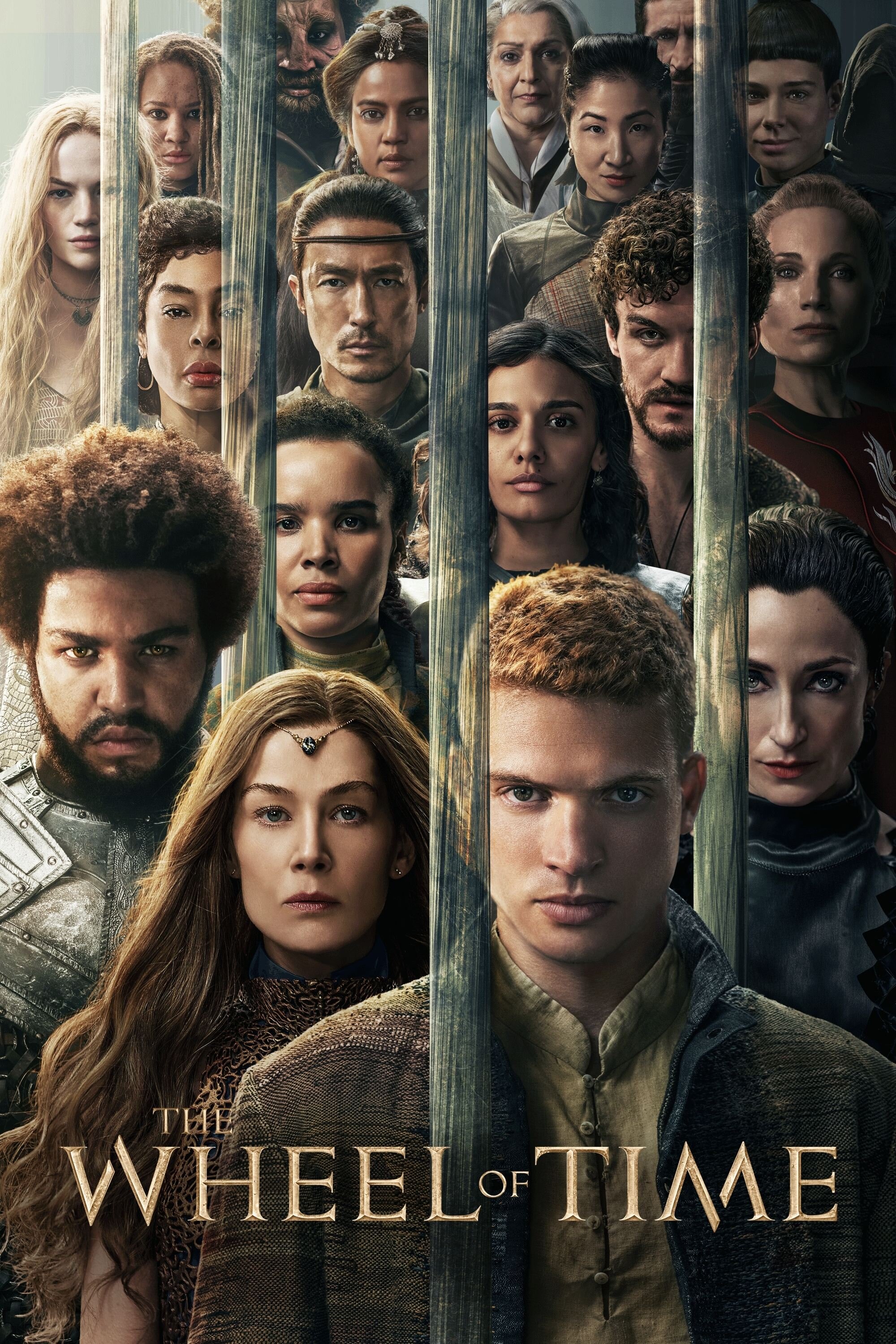
The Wheel of Time2021
Epic fantasy with similar scale, ensemble cast, and theological ambition. If you responded to Mahabharat's willingness to spend time exploring a complex layered world, this attempts the same architecture.
But Adaptation struggles; fans of the books hate it, newcomers often find it muddled. Production values are uneven. Hasn't found its footing.
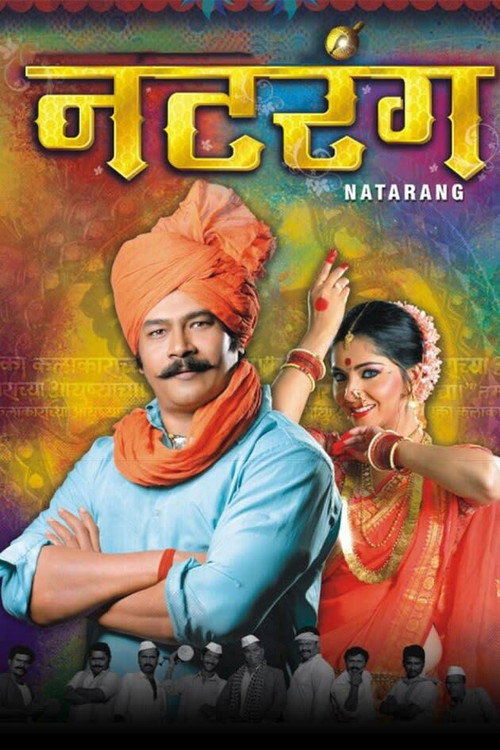
Natrang2010
Both are Indian artists creating the Mahabharata for mass audiences; Natarang asks what that labor costs and what it means to channel gods through your own body.
A Marathi film about a theatre company performing the Mahabharata and discovering that the mythology is not distinct from their own lives—the play and reality collapse into each other. It's a brilliant metacommentary on exactly what you've been watching, and how myth persists.
But In Marathi, no English subtitles widely available, and deliberately alienating in form. It's as much about theatrical labor as storytelling. Demanding.
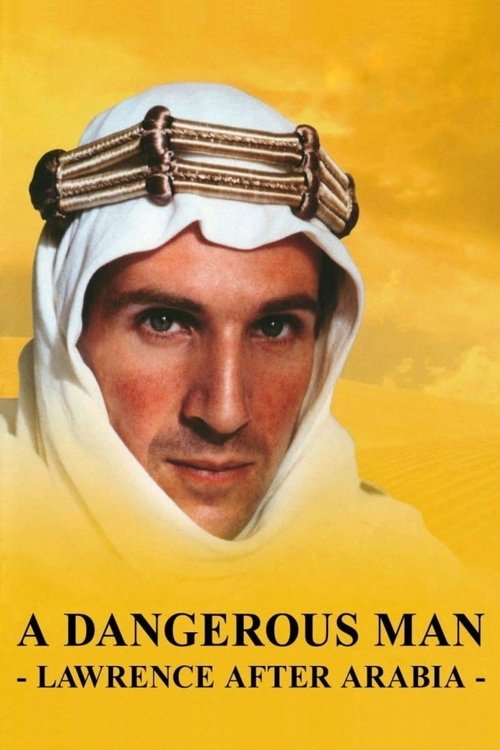
A Dangerous Man: Lawrence After Arabia1992
Both are narratives of men trapped between personal desire and cosmic obligation, examining whether duty is noble or corrosive.
A made-for-TV film about T.E. Lawrence wrestling with duty, destiny, and whether he was a puppet of larger historical forces. Different era, different hemisphere, but it's asking the same question Mahabharat returns to constantly: Are we agents or instruments? Can dharma and personal desire coexist?
But Slow, interior, entirely about moral paralysis. No spectacle, no divine intervention. Opposite aesthetic to everything you just watched, which may be exactly the point.