
Television series
Battlestar Galactica
Battlestar Galactica reboots a campy '70s premise into one of TV's most morally serious science fiction dramas: humanity reduced to a fleeing fleet, hunted by machines that look like us, led by a soldier and a dying schoolteacher-turned-president. It's tense, grim, theologically curious, and unafraid to let its heroes be genuinely wrong. For anyone who wants space opera doubling as a war-and-politics drama with real stakes.
If you liked this
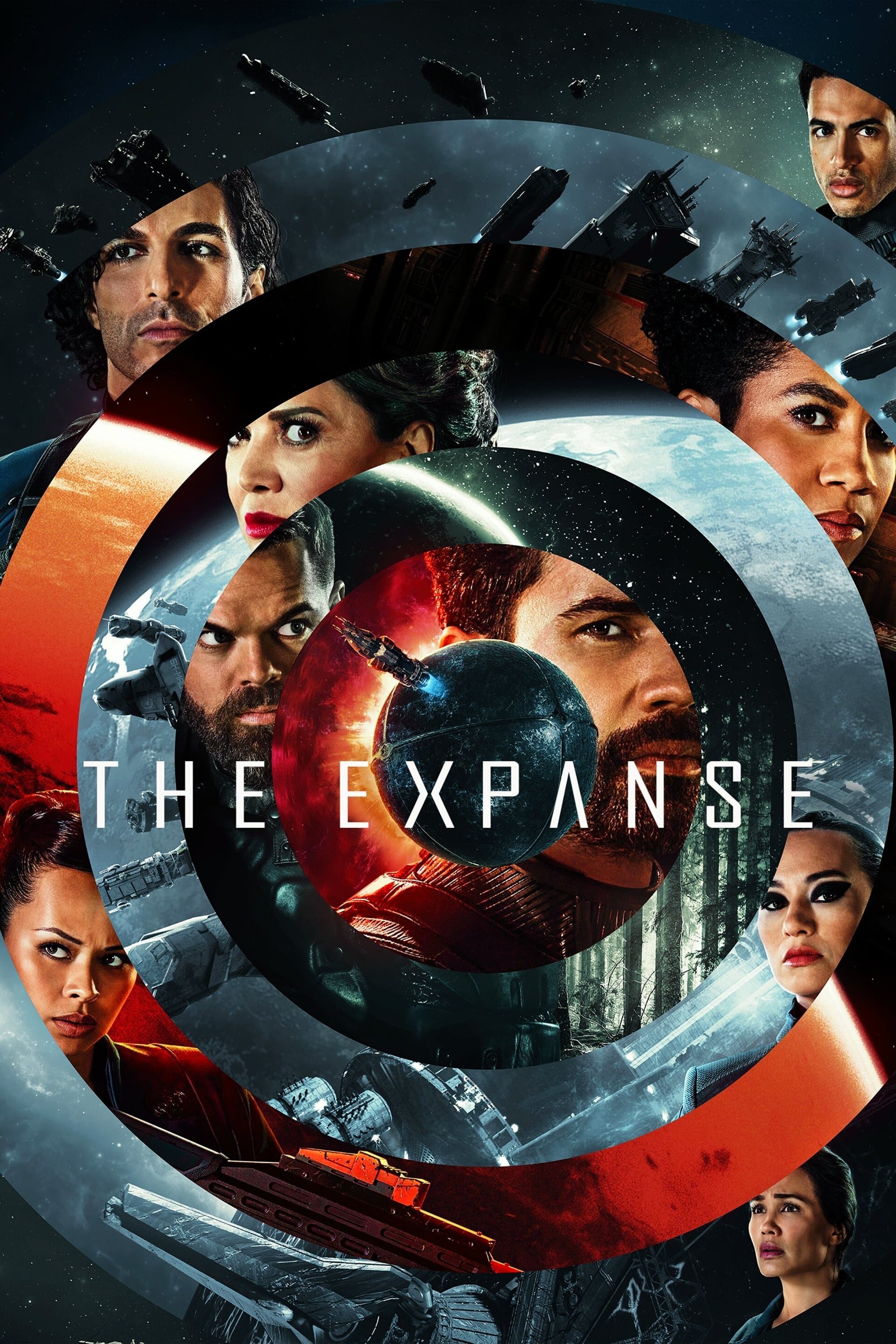
The Expanse2015
The clearest heir to Galactica's DNA—factional politics, scarce resources, and a slow-burn mystery across the solar system, with characters who earn every scar.
But The pace is even slower to ignite, and the sprawling cast takes a full season to click.
Babylon 51993
The show that proved a five-year arc could work on television, with alien politics and prophecy that clearly fed into Galactica's own mythic ambitions.
But Nineties effects and acting haven't aged gracefully; you'll need patience through the creaky first season.
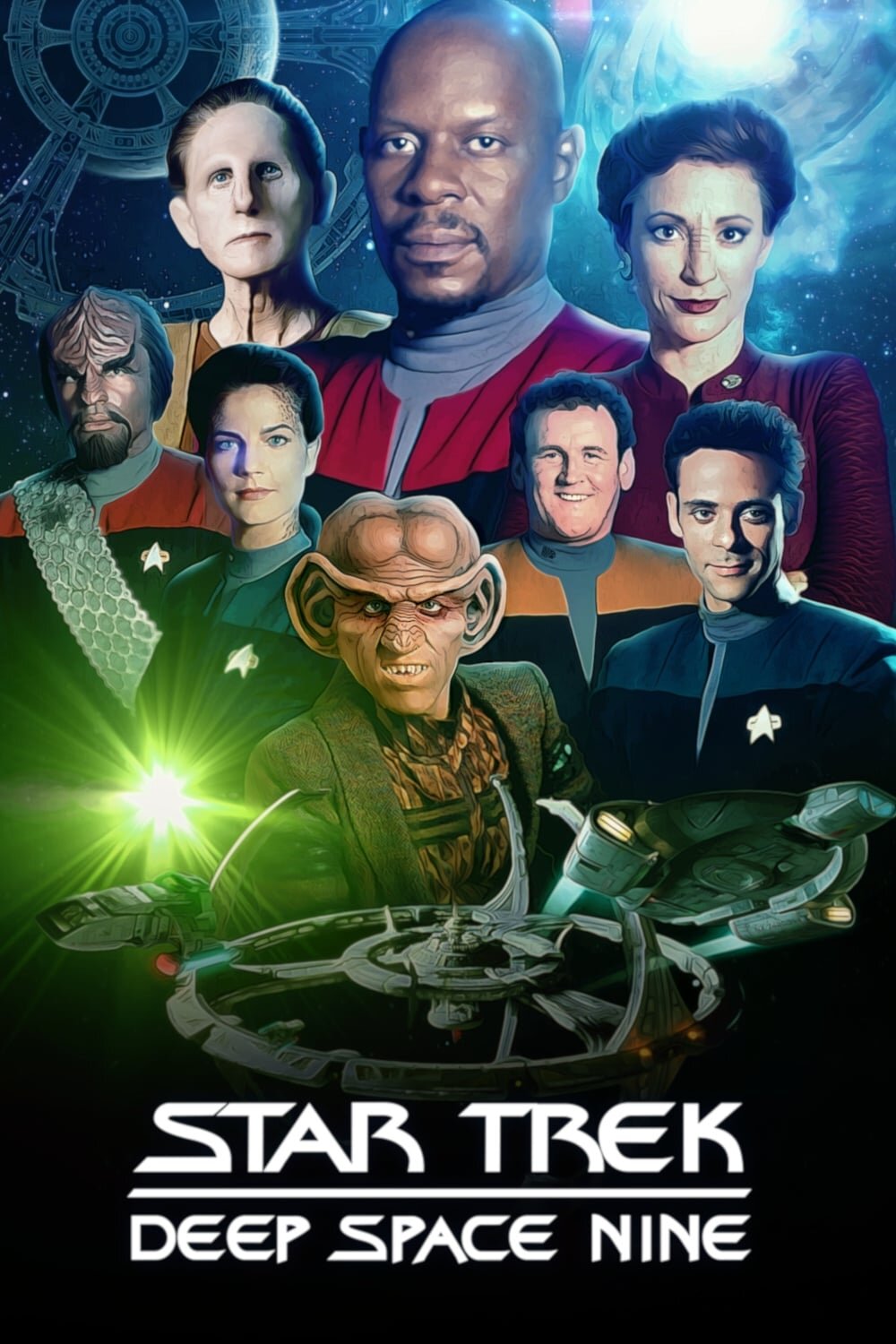
Star Trek: Deep Space Nine1993
Trek's darkest, most serialized entry—occupation, terrorism, religious war—proves the franchise could go as morally murky as Galactica years before it existed.
But It carries Trek's episodic furniture for a while before the war arc takes over.
The wildcard
Something you would not have found on your own.
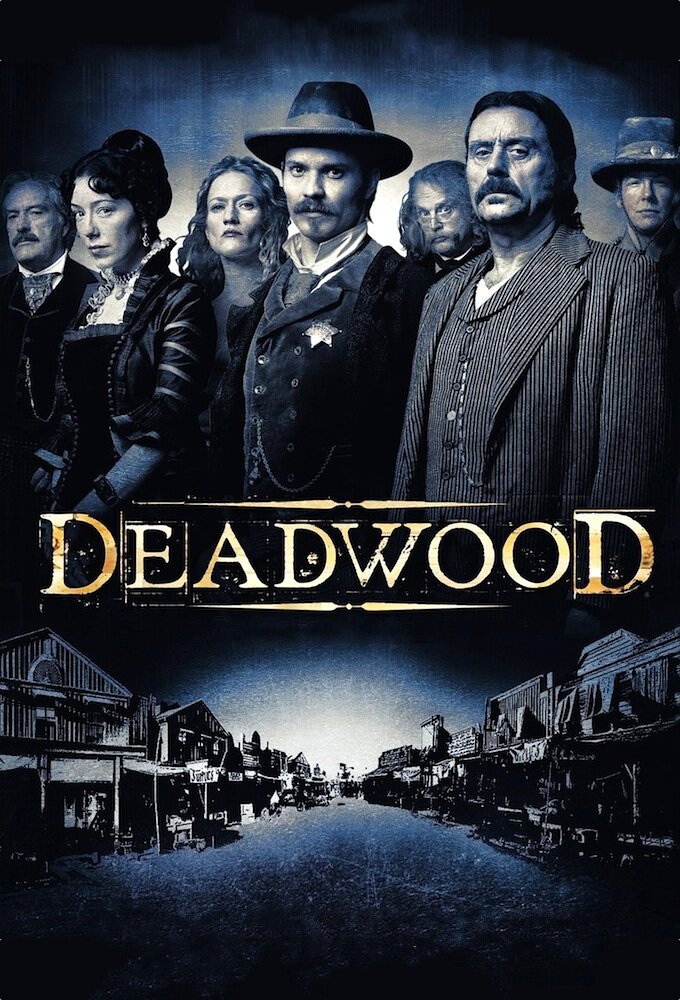
Deadwood2004
Same structural engine as Galactica—desperate people improvising governance and morality under constant threat—reset as a Western instead of a space opera.
Trade the fleet for a lawless mining camp: the same question of how civilization gets rebuilt from nothing, spoken in some of the best dialogue ever written for television.
But No spaceships, no robots—just filthy language and slow-building power struggles; if you want genre trappings, this won't scratch that itch.
More like this (8)
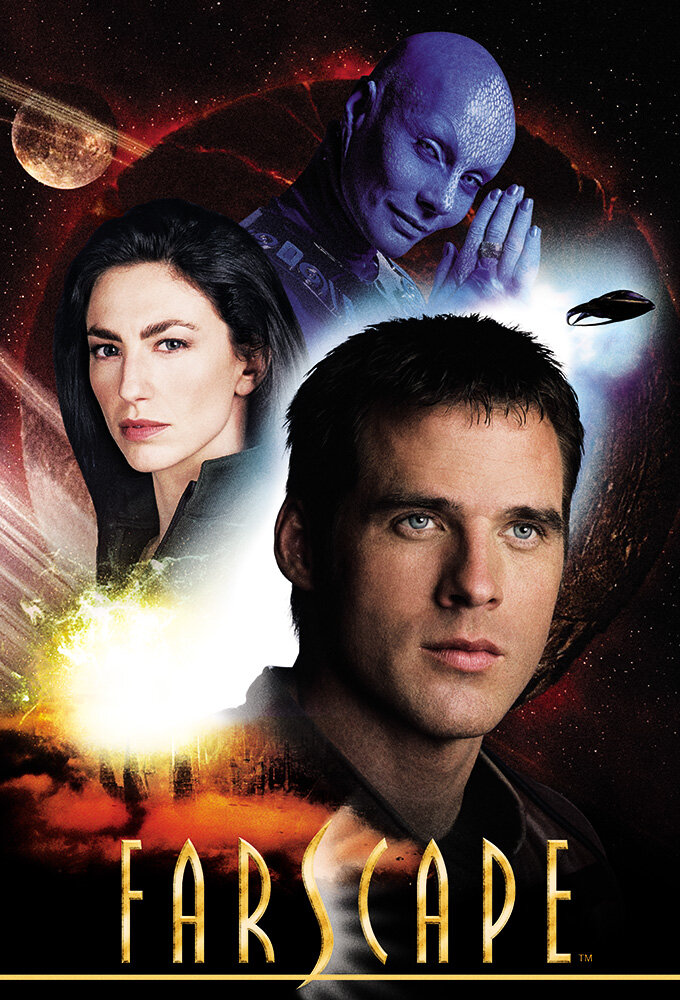
Farscape1999
Same lost-crew-far-from-home ache, but wilder, funnier, and stranger—puppets and all—with a back half that gets surprisingly bleak and mythic.
But The tonal whiplash between muppet comedy and genuine horror isn't for everyone.
The 1002014no page yet
Post-apocalyptic survivors making brutal, compromising choices to keep their people alive—Galactica's ethics, aimed at a younger cast and a faster clock.
But Early seasons lean YA, and the escalating plot twists can strain credulity.
Lost2004
Another ensemble stranded and searching for meaning amid mystery and faith versus reason, told with the same patience for slow-burn reveals.
But The mythology sprawls and the ending divides people sharply.
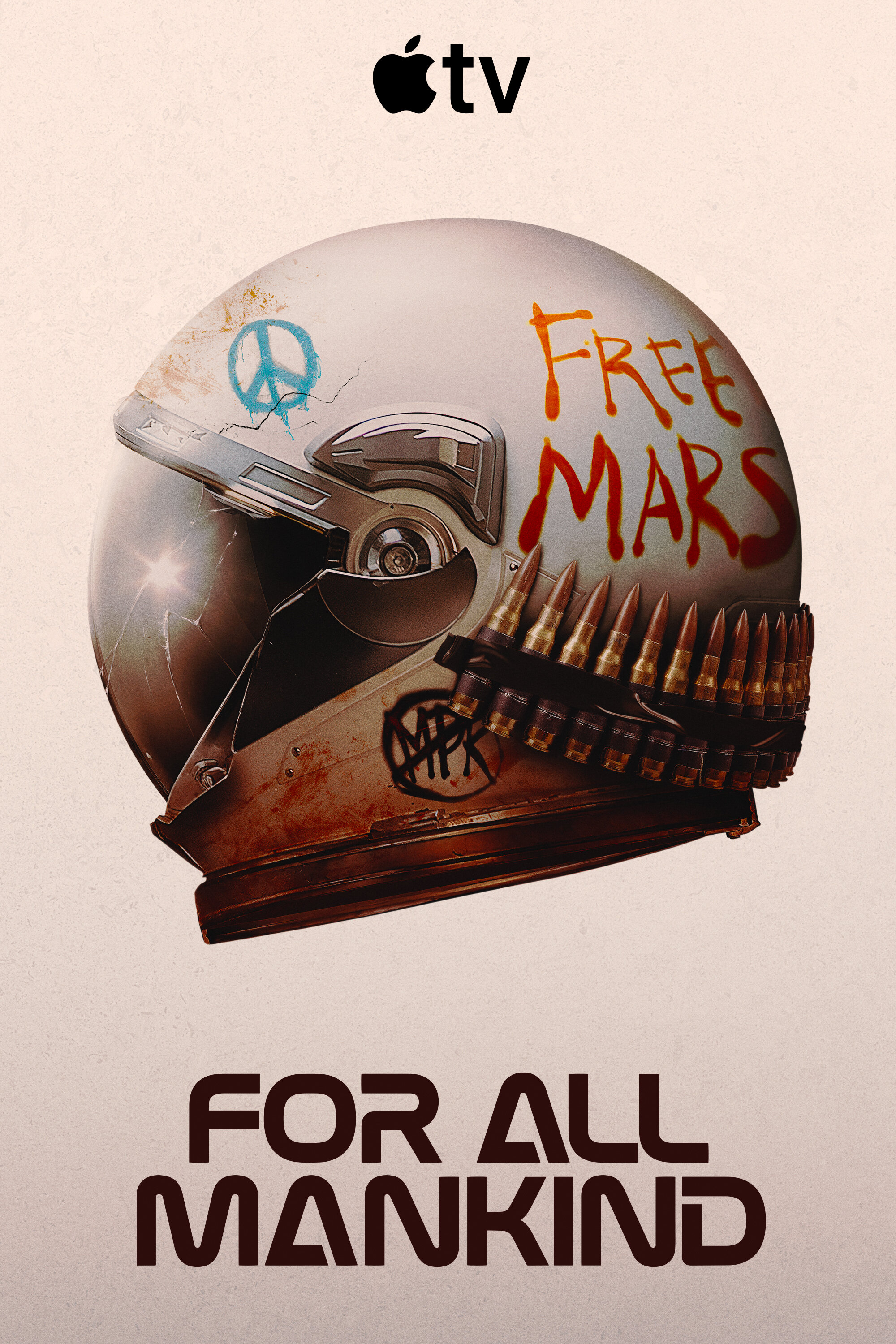
For All Mankind2019
An alternate-history space race that turns NASA politics into the same kind of tense, personal, decade-spanning drama Galactica built around its fleet.
But It's slower and more grounded—closer to prestige drama than space opera.
Stargate SG·11997
Lighter, more episodic military sci-fi, but it shares Galactica's soldiers-and-politics backbone and rewards long-haul viewers with real emotional payoff.
But The tone is much breezier and the effects budget shows its age.
Space: Above and Beyond1995no page yet
A short-lived, underseen military sci-fi about young pilots fighting an existential war—grim, propulsive, and a clear ancestor of Galactica's soldier's-eye view.
But Cancelled after one season, so the story ends abruptly and unresolved.
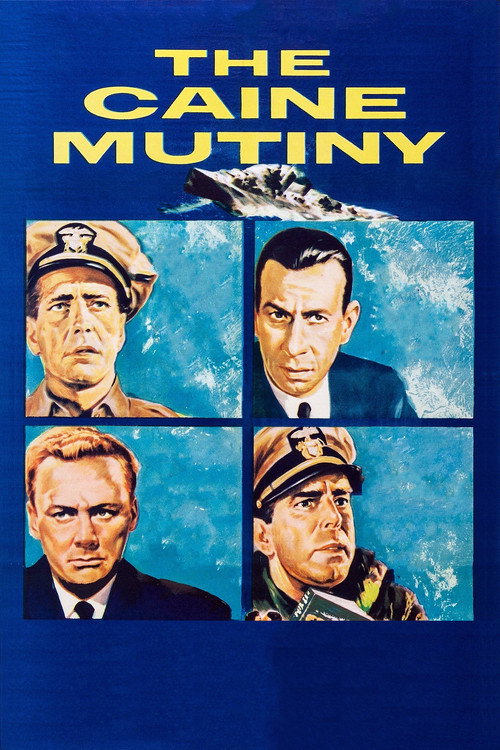
The Caine Mutiny1954
Asks the exact question Adama and his crew wrestle with over and over: what do you do when the person in charge might be unfit, and who decides?
A tense black-and-white drama about a captain's fitness to command and the men who question him—decades before Galactica put the same argument in space.
But Stagey by today's standards, and its courtroom-drama pacing is a world away from Galactica's action.
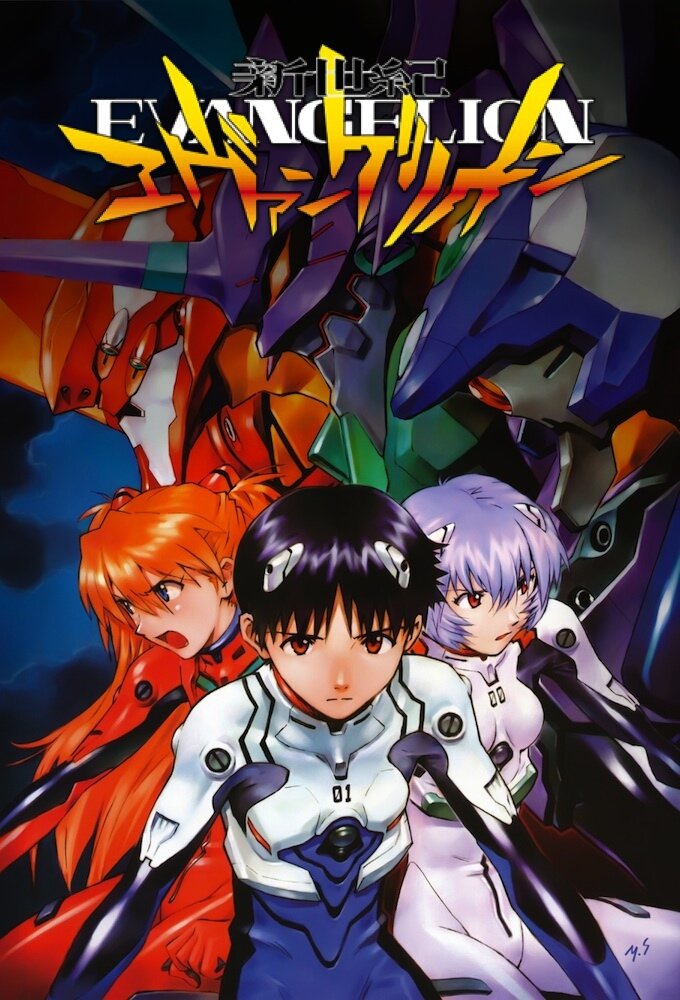
Neon Genesis Evangelion1995
Same fusion Galactica pulls off—hard science fiction wrapped around real theology and psychological damage—just filtered through mecha anime instead of prestige drama.
An anime about teenagers piloting giant biomechanical robots against apocalyptic monsters, it turns into a genuinely unnerving meditation on trauma, faith, and what it means to be human.
But It's animated, unmistakably '90s anime in style, and the ending is deliberately, famously disorienting.
People
Cast












Writing
- Glen A. LarsonCreator
- Ronald D. MooreCreator
Production
- Andrew SeklirAssociate Producer
- Gregg TilsonAssociate Producer
- James HalpernAssociate Producer
- Paul M. LeonardAssociate Producer
- Sian McArthurAssociate Producer
- Trisha BrunnerAssociate Producer
- Jane EspensonCo-Executive Producer
- Mark VerheidenCo-Executive Producer
- Michael AngeliCo-Executive Producer
- Michael TaylorCo-Executive Producer
- Toni GraphiaCo-Executive Producer
- Bradley ThompsonCo-Producer
- David WeddleCo-Producer
- Paul M. LeonardCo-Producer
- Glen A. LarsonConsulting Producer
- Mark VerheidenConsulting Producer
- David EickExecutive Producer
- Ronald D. MooreExecutive Producer
- Bradley ThompsonSupervising Producer
- David WeddleSupervising Producer
- Harvey FrandSupervising Producer
- Michael TaylorSupervising Producer
Recommended by
The Expanse, Babylon 5, Firefly, Star Trek II: The Wrath of Khan, For All Mankind, Foundation, Star Trek: Deep Space Nine, Legend of the Galactic Heroes, Lost, Farscape, Orphan Black, Babylon 5, Star Trek, Westworld, The Orville