
Television series
The Orville
The Orville is Seth MacFarlane's sincere attempt to resurrect the old Star Trek formula—episodic, morally curious, unabashedly hopeful—wrapped in workplace-sitcom banter. It swings between broad jokes about awkward crew dynamics and genuinely thoughtful science fiction premises, sometimes in the same episode. Best for anyone nostalgic for Next Generation's sense of wonder but wanting more relationship drama and fart jokes mixed with the philosophy.
If you liked this
Star Trek: The Next Generation1987
The show Orville is openly imitating—optimistic Starfleet-style exploration, moral puzzles of the week, and a captain who leads with empathy rather than swagger.
But Slow early seasons, dated effects, and a more formal, less jokey tone if you came for Orville's constant banter.

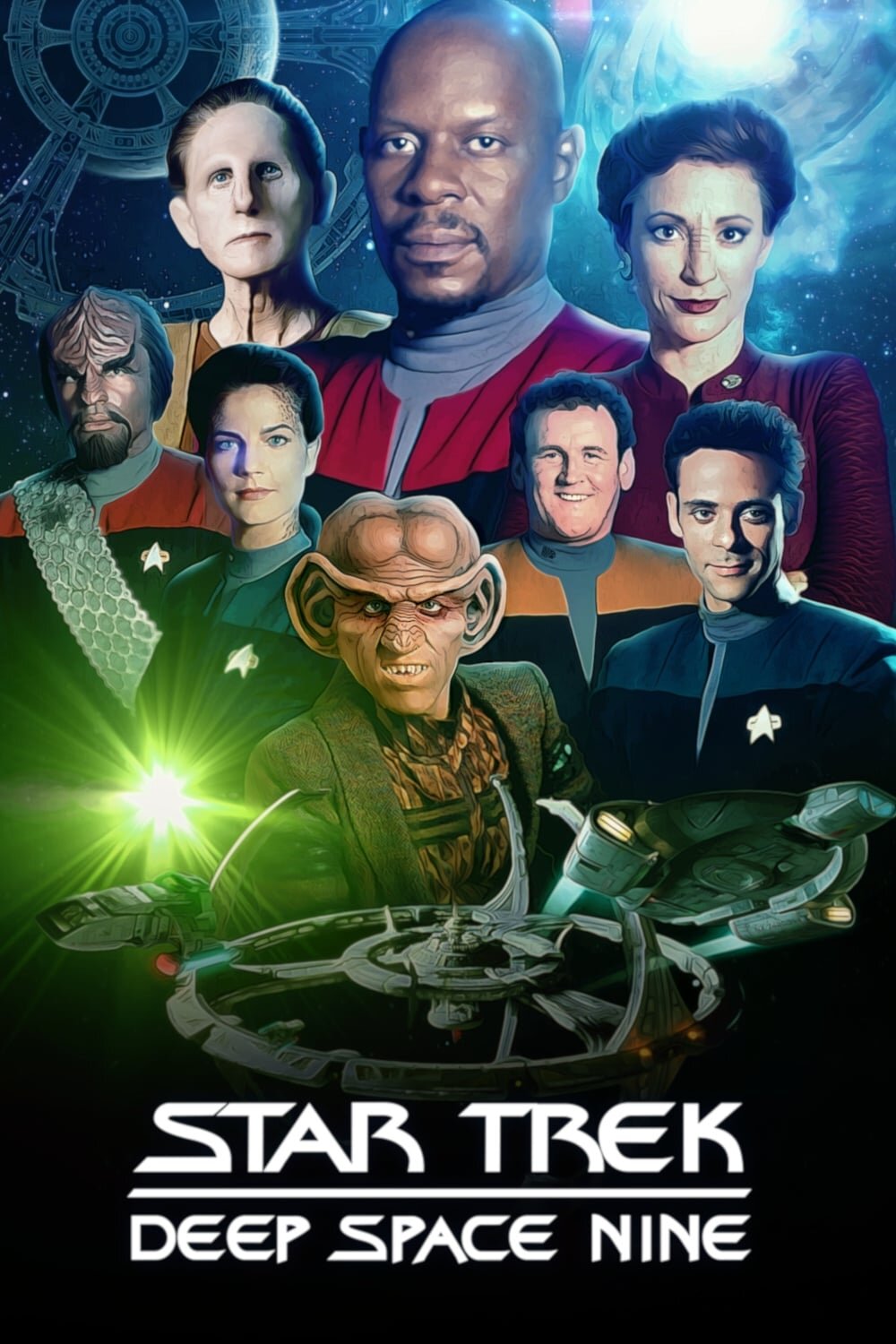
Star Trek: Deep Space Nine1993
Same universe, richer serialization, and a willingness to question the utopia Orville mostly plays straight—great if you want the ideas without the sitcom gags.
But Slow-burn arcs reward patience, and the humor is drier and less frequent than Orville's.
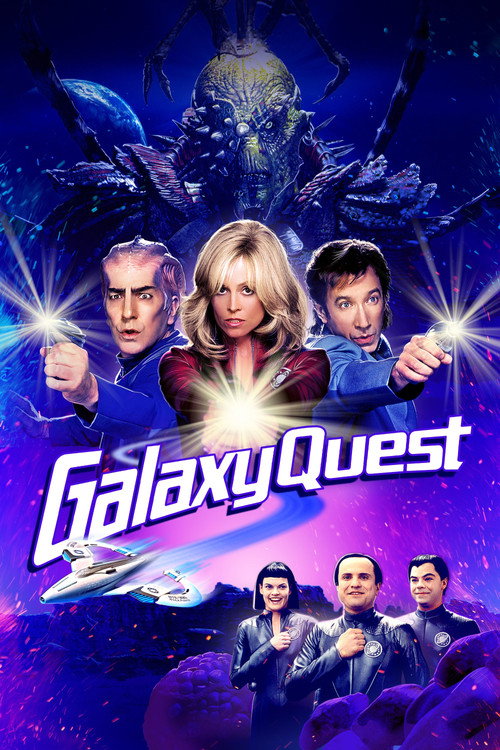
Galaxy Quest1999
The funniest possible cousin to Orville—washed-up actors mistaken for real astronauts, lovingly skewering every sci-fi trope Orville plays semi-straight.
But It's one big two-hour joke, not a long-running crew you get to live with over years.
The wildcard
Something you would not have found on your own.
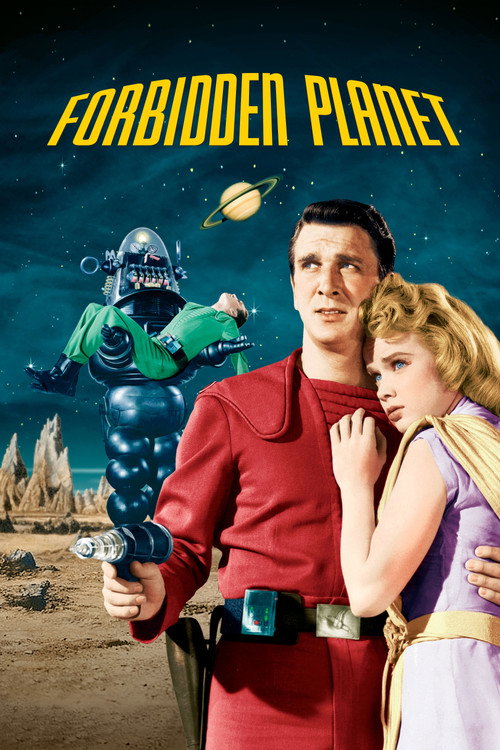
Forbidden Planet1956
Orville is a loving throwback to old-school optimistic space adventure; this is the actual root of that tree, the movie Trek itself borrowed from, showing where the whole polite-exploration-crew idea began.
The film that basically invented the starship-crew-investigates-strange-planet template, decades before Star Trek existed, mixing wonder with dry, formal humor.
But Stiff 1950s acting and pacing that modern viewers may find slow or unintentionally funny.
More like this (8)
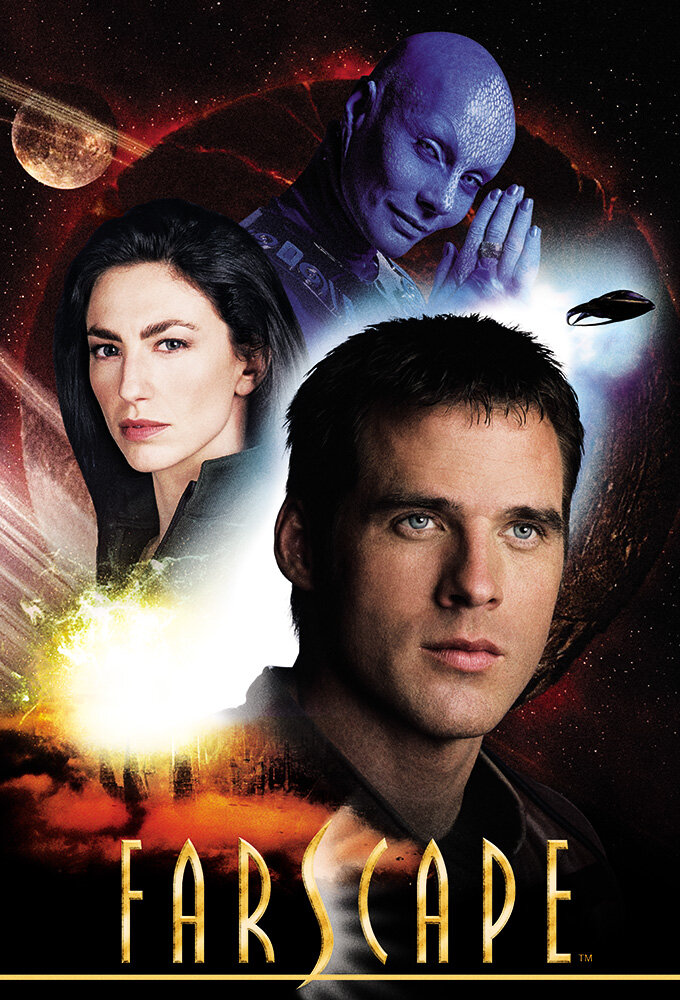
Farscape1999
Weirder alien design and a scrappier, more chaotic crew dynamic—great if Orville's aliens felt too tidy and you want genuine strangeness.
But Puppetry-heavy effects and a darker tone can feel like a tonal U-turn from Orville's comfort-food vibe.
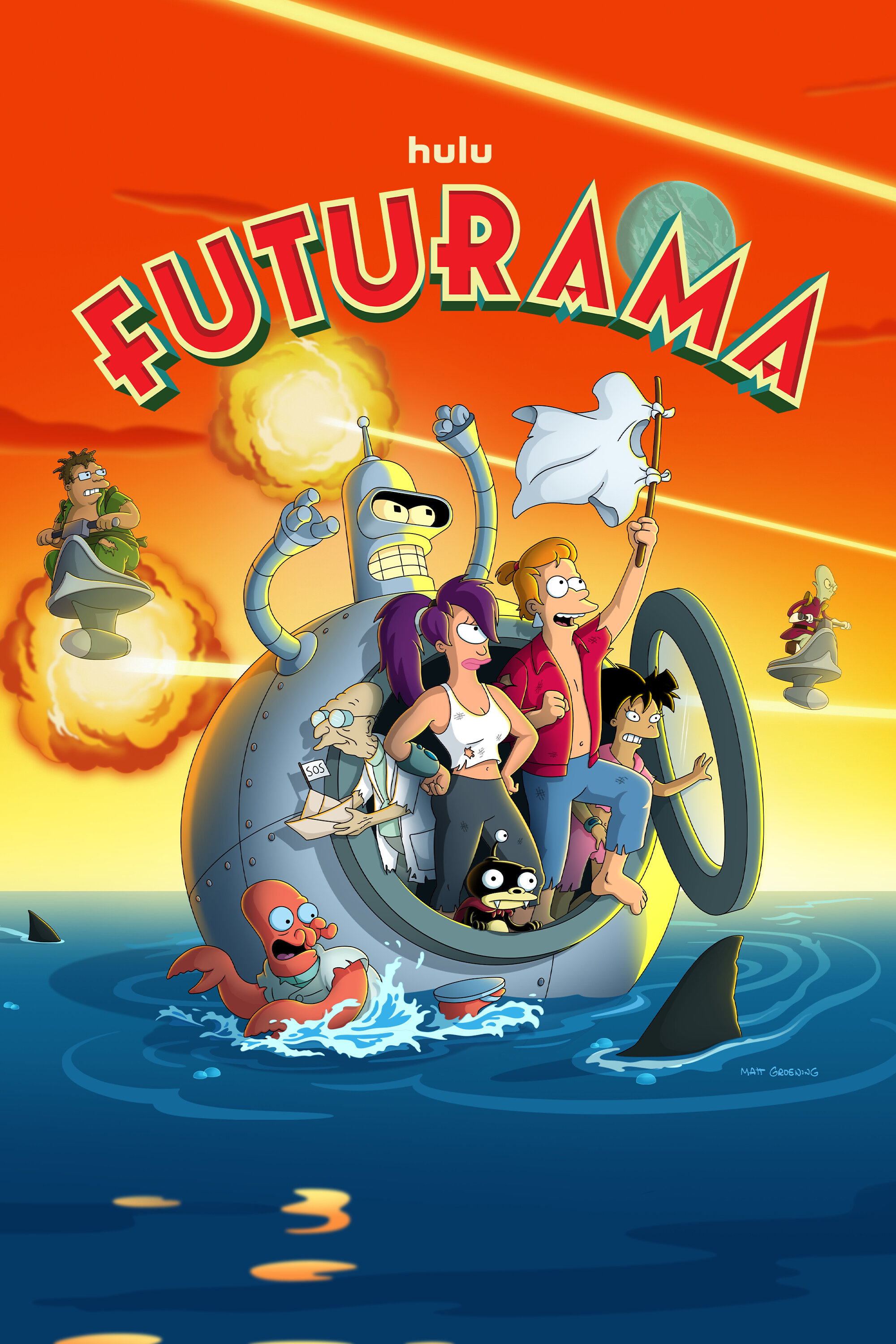
Futurama1999
Same workplace-comedy-in-space DNA, dialed up into full animated absurdity, with just as much surprising heart buried inside the jokes.
But Broader, more surreal humor—expect one-liners and sight gags over sustained character drama.
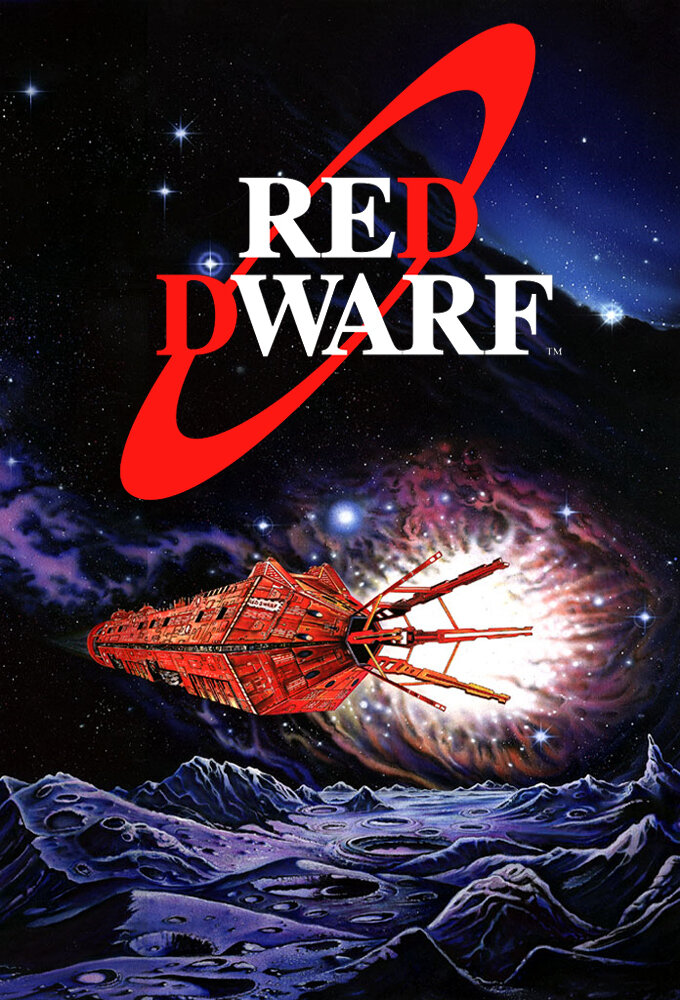
Red Dwarf1988
A British, low-budget spaceship sitcom proving the crew-comedy format works even smaller and scrappier—pure banter, minimal spectacle.
But Cheap sets and very British humor may not land if you love Orville's polish and effects.
Babylon 51993
A meticulously plotted space-station saga with the same interest in diplomacy and alien cultures, built for viewers who want the arcs Orville only gestures at.
But Heavier and largely humor-free—this is a serialized commitment, not episodic comfort viewing.
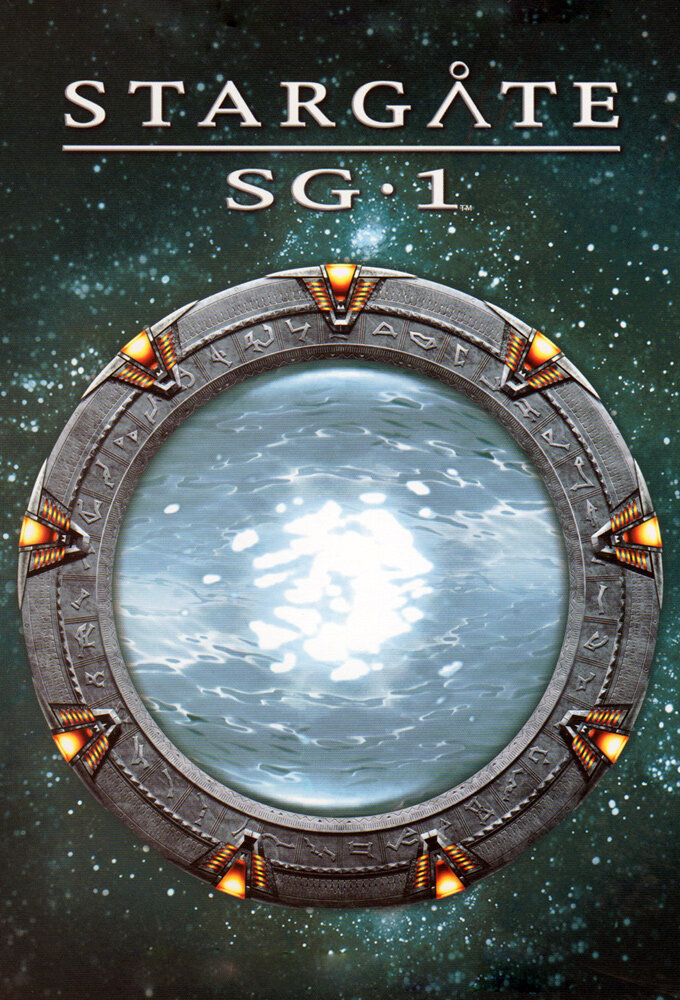
Stargate SG·11997
Episodic, team-based, and unafraid to be goofy one week and dead serious the next—the pacing and tonal whiplash will feel very familiar.
But Ten seasons is a lot, and the earlier ones lean hard into monster-of-the-week filler.
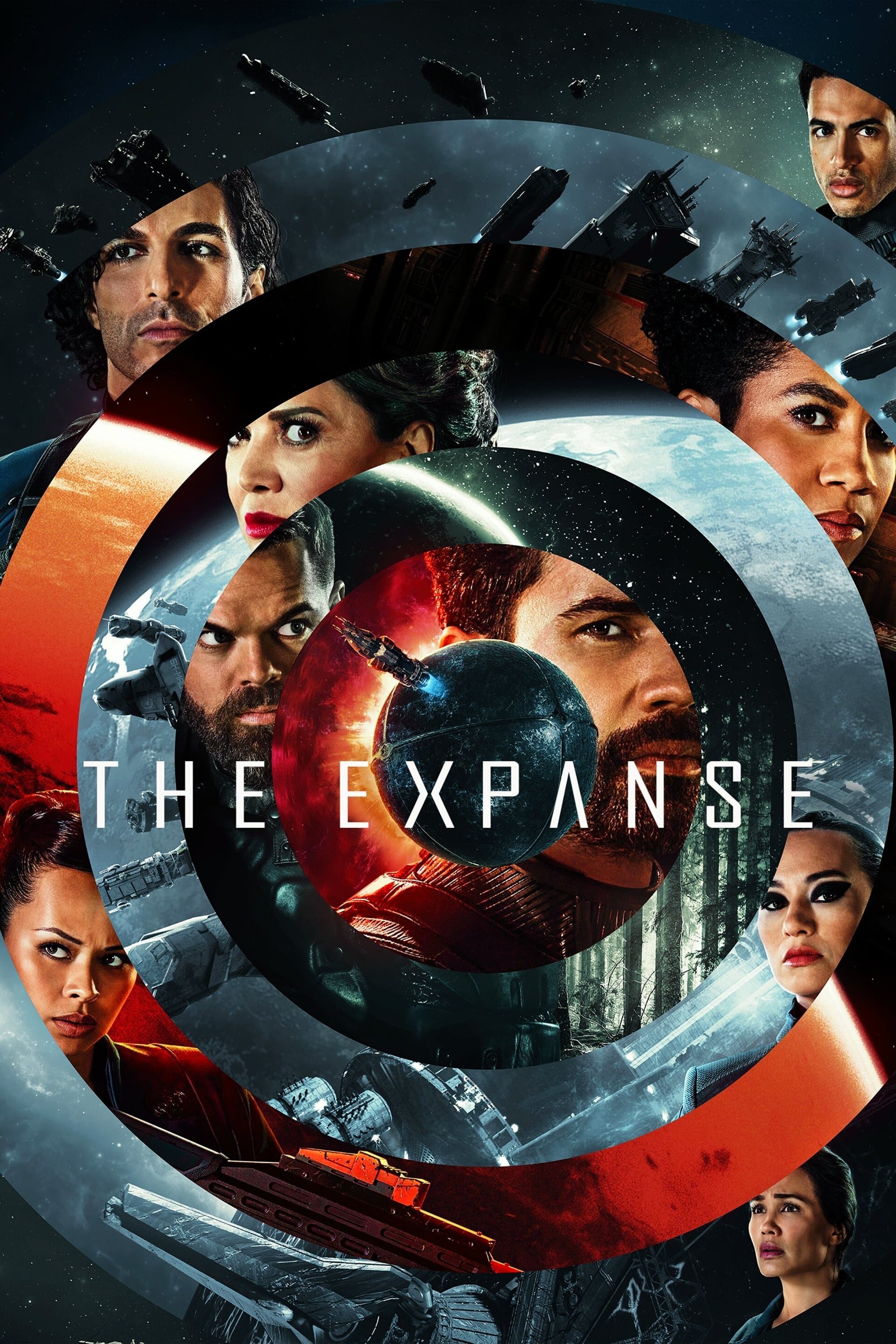
The Expanse2015
Want the hardware and political stakes without the jokes? This is the serious cousin—same ship-and-crew backbone, vastly more grounded.
But Grim, dense, and slow to reward you, with essentially zero comic relief along the way.
Cowboy Bebop1998
Same episodic found-family-aboard-a-ship structure with tone shifting week to week, pushed into a completely different medium and mood register—proof the format travels.
A ragtag crew drifting between jobs and genres—one episode is slapstick, the next a gut-punch—delivered through gorgeous, jazz-scored anime.
But Subtitles or dub required, and the emotional lows cut far deeper than anything Orville risks.

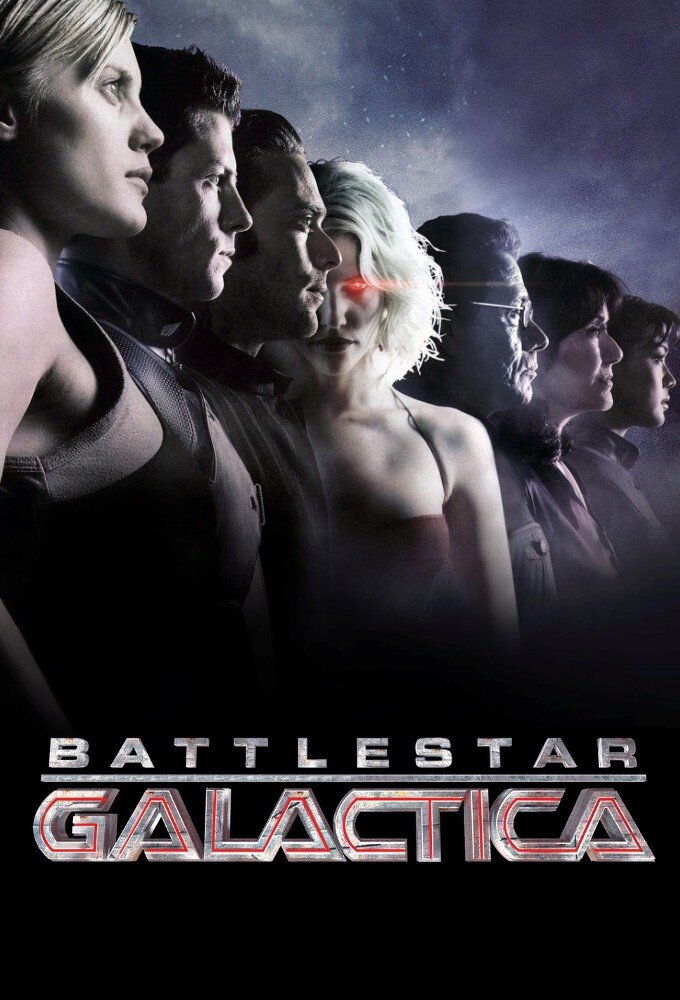
Battlestar Galactica2003
Same bones as Orville—military crew, alien threat, ship-bound ensemble—played at maximum seriousness, showing exactly what the comedy in Orville is protecting you from.
Take Orville's spaceship-crew setup, strip out every joke, and you get this—relentless, morally serious drama about survival, faith, and command.
But Bleak, heavy, and occasionally exhausting, with no comic relief valve anywhere in sight.
People
Cast










Writing
- Seth MacFarlaneCreator
Production
- Andre DanylevichAssociate Producer
- Anna I. MedakovichAssociate Producer
- Tom CostantinoAssociate Producer
- Alana KleimanCo-Executive Producer
- Andi BushellCo-Executive Producer
- André BormanisCo-Executive Producer
- Cherry ChevapravatdumrongCo-Executive Producer
- Howard GriffithCo-Executive Producer
- Janet LinCo-Executive Producer
- Joe MenoskyCo-Executive Producer
- Wellesley WildCo-Executive Producer
- Aaron McPhersonCo-Producer
- Alana KleimanCo-Producer
- Grace KountzhouseCo-Producer
- James E. WilliamsCo-Producer
- Joy FehilyCo-Producer
- Lori MotyerCo-Producer
- Paul OrehovecCo-Producer
- Tom CostantinoCo-Producer
- Dan O'ShannonConsulting Producer
- Liz HeldensConsulting Producer
- Brannon BragaExecutive Producer
- David A. GoodmanExecutive Producer
- Howard GriffithExecutive Producer
- Jason ClarkExecutive Producer
- Jon CassarExecutive Producer
- Jon FavreauExecutive Producer
- Liz HeldensExecutive Producer
- Seth MacFarlaneExecutive Producer
- Jason RobertsProducer
- Ryan FordProducer
- André BormanisSupervising Producer
Recommended by
Star Trek: The Next Generation, Star Trek: Deep Space Nine, Futurama, Red Dwarf, Star Trek: Strange New Worlds, Eureka, Stuart Fails to Save the Universe