
Television series
Crusade
Earth is dying from an alien plague. The Excalibur, a prototype starship, races across the galaxy hunting cures in ancient ruins before humanity's five-year countdown ends. It's Babylon 5's urgent cousin—serialized, grounded sci-fi with ensemble chemistry, where time pressure and moral complexity matter more than spectacle. For people who want their space opera to think.
Should you watch it?
Watch it if you liked the long-arc, character-driven space opera of Babylon 5 and want a ship crew wrestling with a desperate mission against a ticking clock.
Skip it if you need self-contained episodes each week, since this one-season run is serialized, with its dramatic stakes pressing hard and its episodes building on each other.
What it asks of you: Thirteen hour-long episodes, so you commit a few evenings to a story that keeps its eye on the clock and rarely pauses to breathe.
Not sure? Find tonight's pick in a minute.
If you liked this
Babylon 51993
The spiritual parent of Crusade: serialized sci-fi that treats its mythology seriously, builds toward a five-year plan with genuine stakes, and lets character arcs breathe across seasons. Jms at his best.
But It's five seasons of 90s TV, which means some episodes are genuinely thin, and the early mythology feels scattered before it clicks into place.
The Expanse2015
Hard sci-fi with real consequences, ensemble crews under pressure, and the same refusal to let alien threat be a backdrop. Complex and propulsive, it earns its stakes.
But Denser than Crusade—more orbit mechanics, more geopolitics. Takes longer to reward patience, and the first season moves slower than you'd expect.
Firefly2002
A scrappy crew in a small ship, undersupplied and far from home, who become a found family while running from larger forces. Warm chemistry and real danger in equal measure.
But Only fourteen episodes. Once you fall in love with this crew, the cancellation will haunt you. Fair warning.
Not sure tonight? Get a pick in a minute, starting from Crusade
The wildcard
Something you would not have found on your own.
Gene Roddenberry's Andromeda2000
Parallel production with shared DNA: same creator, same era, same 'small crew against doomed odds' core, but where Crusade hunts cures, Andromeda hunts a lost empire to rebuild it.
Also Jms, also 2000s, but inverted: the universe is collapsing and a salvaged warship becomes a last hope for civilization. Same urgency as Crusade but with deeper genre ambition and weirder stakes.
But More stylized and baroque than Crusade—it swings for art and sometimes misses. Later seasons dilute the premise. Kevin Sorbo's delivery gets mannered.
More like this (8)
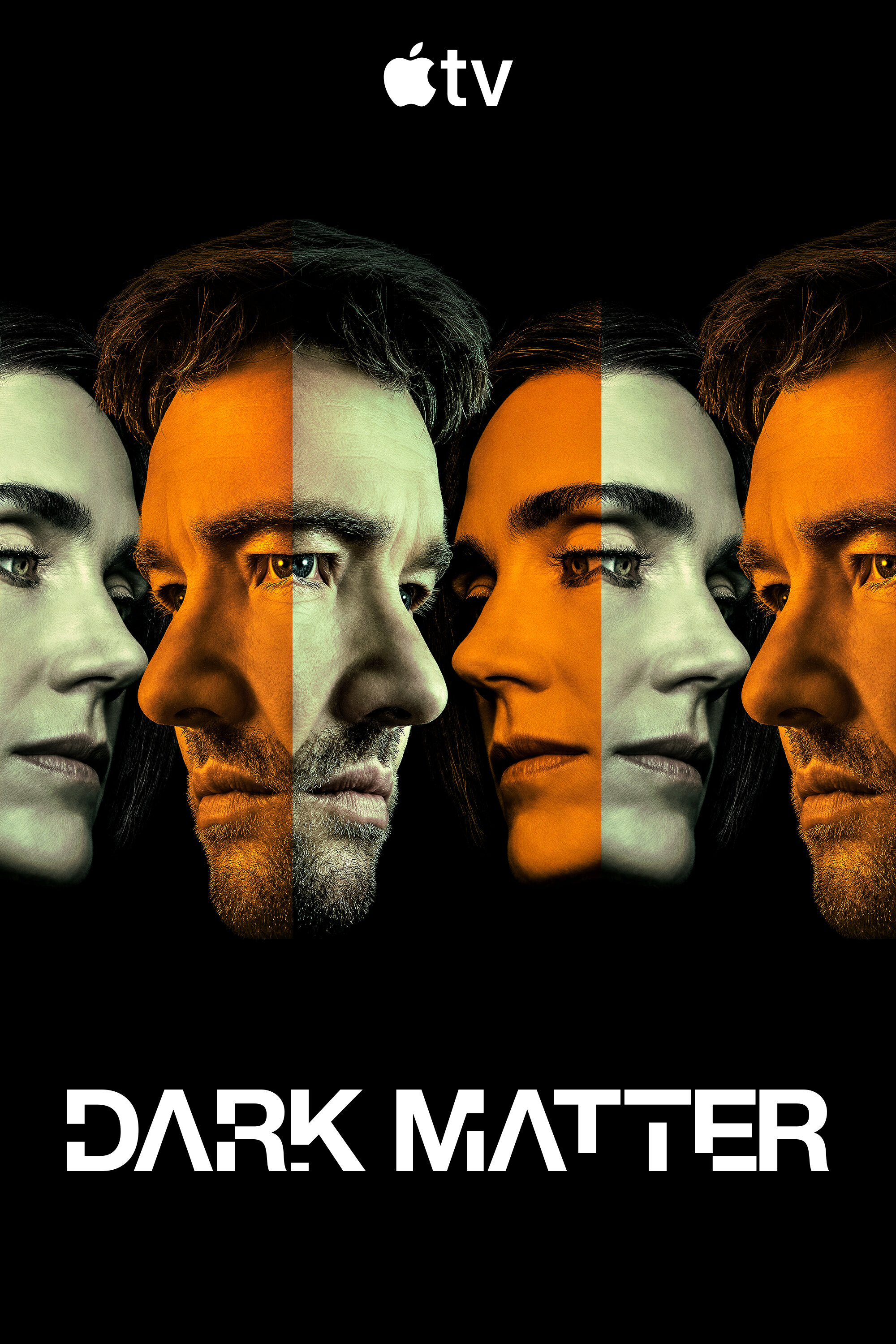
Dark Matter2024
A diverse crew with mysterious pasts, ensemble-driven rather than captain-centric, navigating corporate intrigue and existential threats. Lower-budget charm and genuine surprises.
But It finds its footing slowly and operates on a smaller scale than Crusade's galactic scope. Some plots resolve in ways that feel convenient.
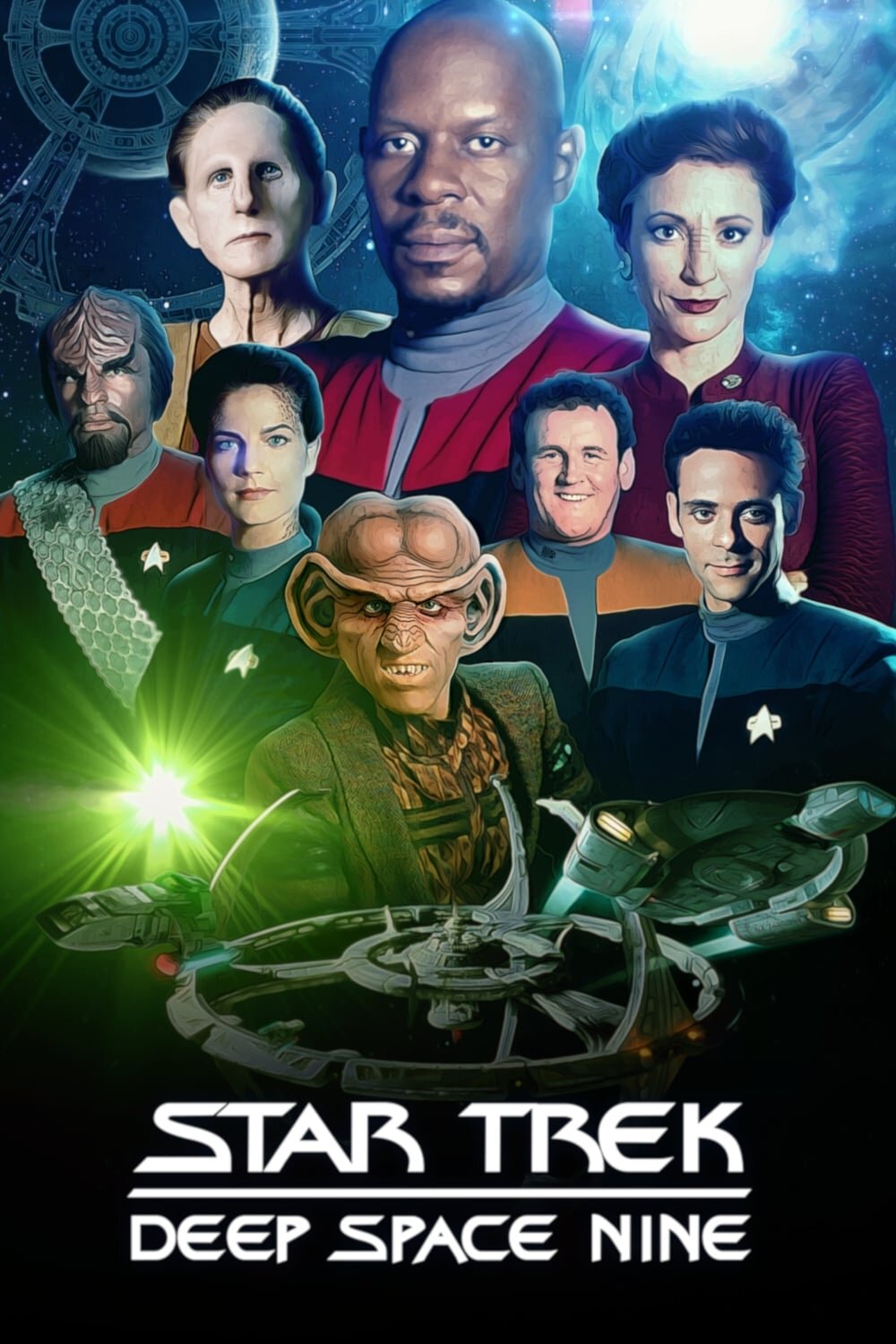
Star Trek: Deep Space Nine1993
Unlike other Trek, this one embraces serialization, moral ambiguity, and character arcs. A station under siege slowly becomes essential. Ensemble writing at its peak.
But Seven seasons is a commitment, and the early ones feel too procedural before the serialization payoff arrives. Requires patience.
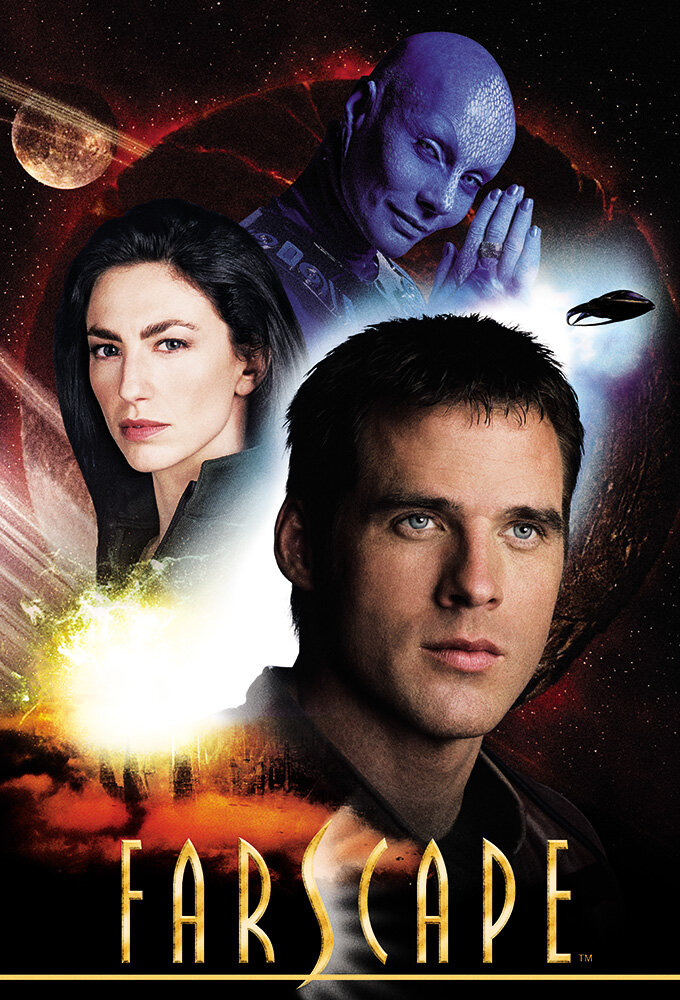
Farscape1999
Chaotic, emotional, wildly inventive space opera with genuine danger and a crew that fractures and reforms. Refuses to play it safe. The weirdness is the point.
But The tone whipsaws between comedy and tragedy. Some aliens look like puppets because they are. Either embrace the texture or bounce off it fast.
Stargate SG·11997
Military team, ancient ruins, puzzle-solving under pressure. It knows what it is and executes with real warmth. Ten seasons of steady character work and escalating mythology.
But Early seasons lean procedural, and it eventually becomes more soap-opera than survival-driven. The tone softens as it goes.
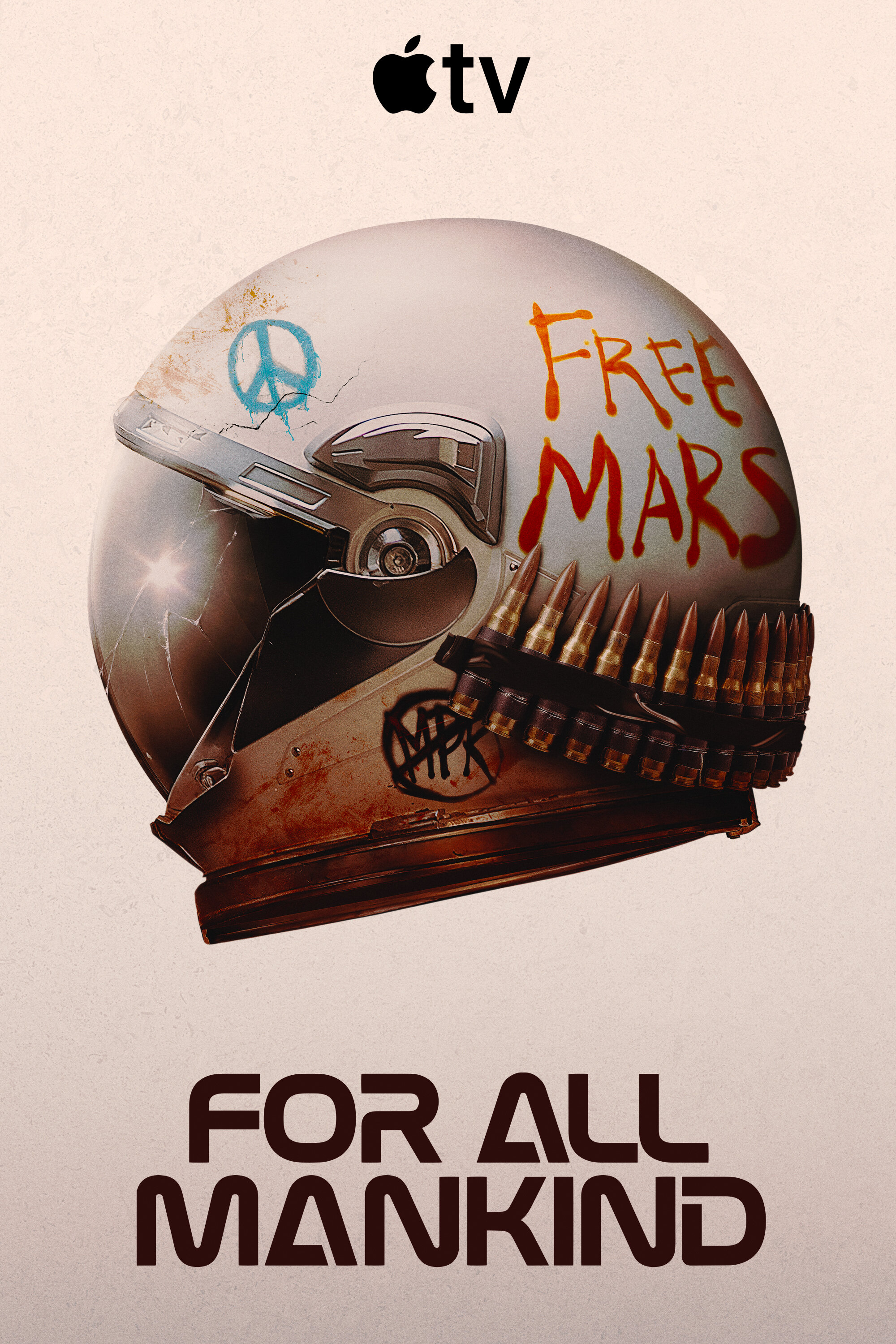
For All Mankind2019
Alternate-history space race that values expertise and stakes. Ensemble cast working toward shared goals with real cost. Gorgeous and deliberately paced.
But Slow-burn, sometimes frustratingly so. Personal drama can overshadow the larger mission. Not for people wanting constant momentum.
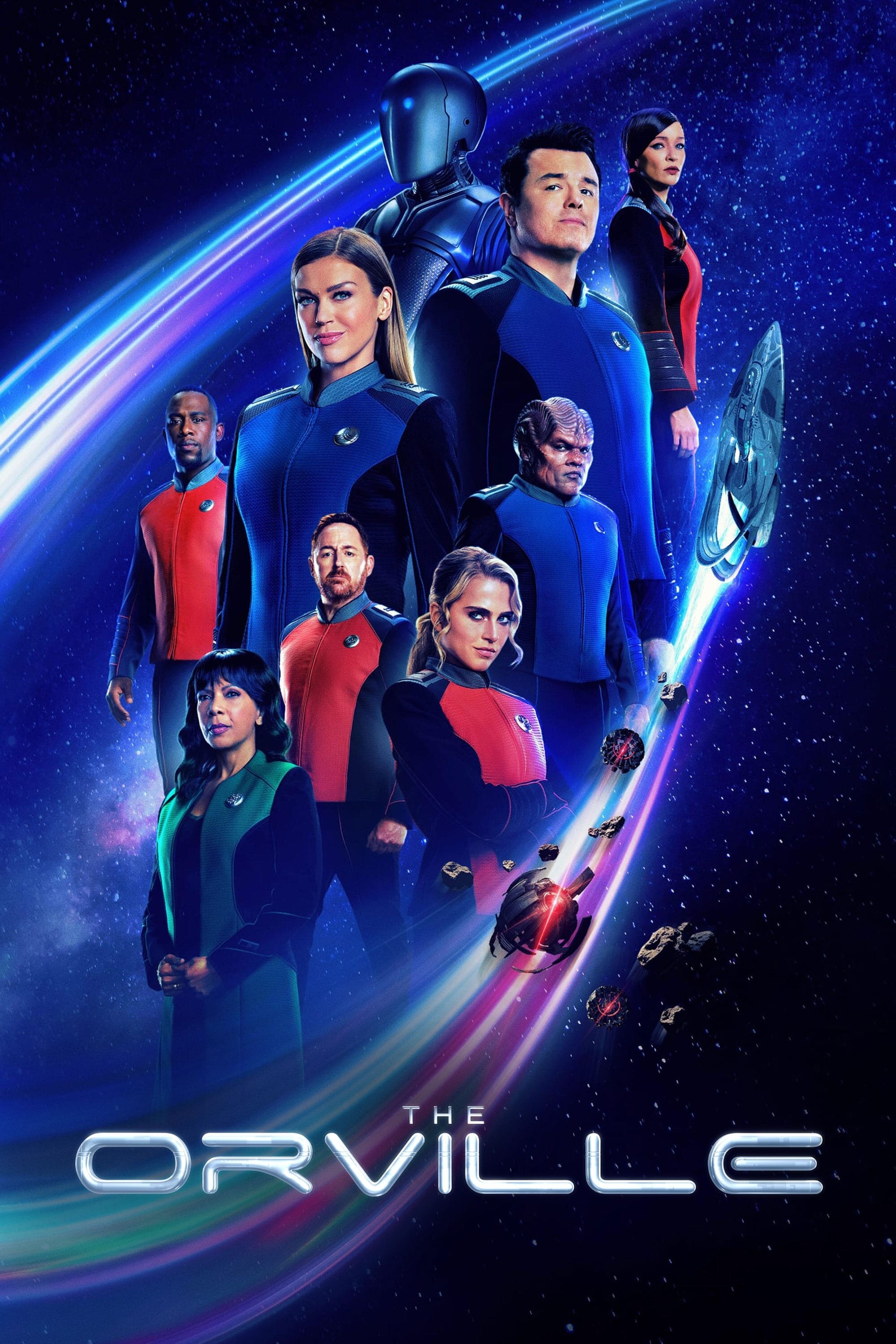
The Orville2017
Earnest sci-fi that wants to explore ideas, led by an ensemble that genuinely trusts each other. Warm without being naive. Respects both its crew and its premises.
But Visually modest compared to prestige sci-fi, and some episodes get lost in their own ideas. The third season is truncated and ends mid-arc.
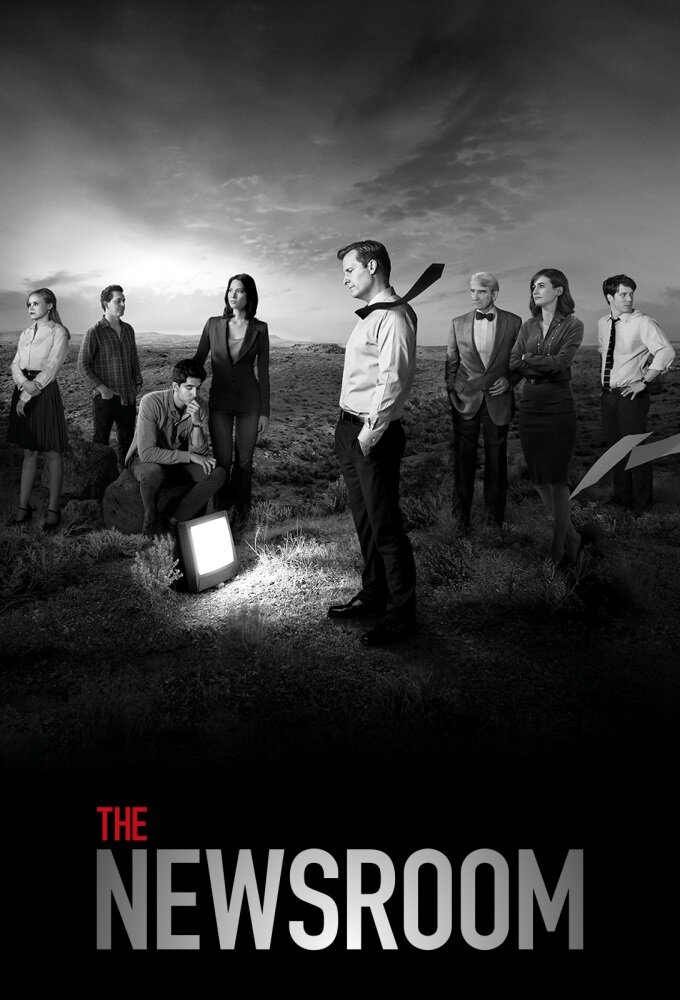
The Newsroom2012
Both believe expertise and teamwork matter more than spectacle. Both watch their ensemble collaborating under pressure as the actual drama, with external threat as context.
Not sci-fi: a workplace ensemble under time pressure, solving urgent problems with knowledge and character. Same Sorkin-influenced attention to competence and emotional stakes that Crusade values beneath the aliens.
But Entirely dialogue-driven. If you find Aaron Sorkin's rhythm grating, this will exhaust you. Heavy-handed political messaging in season three.
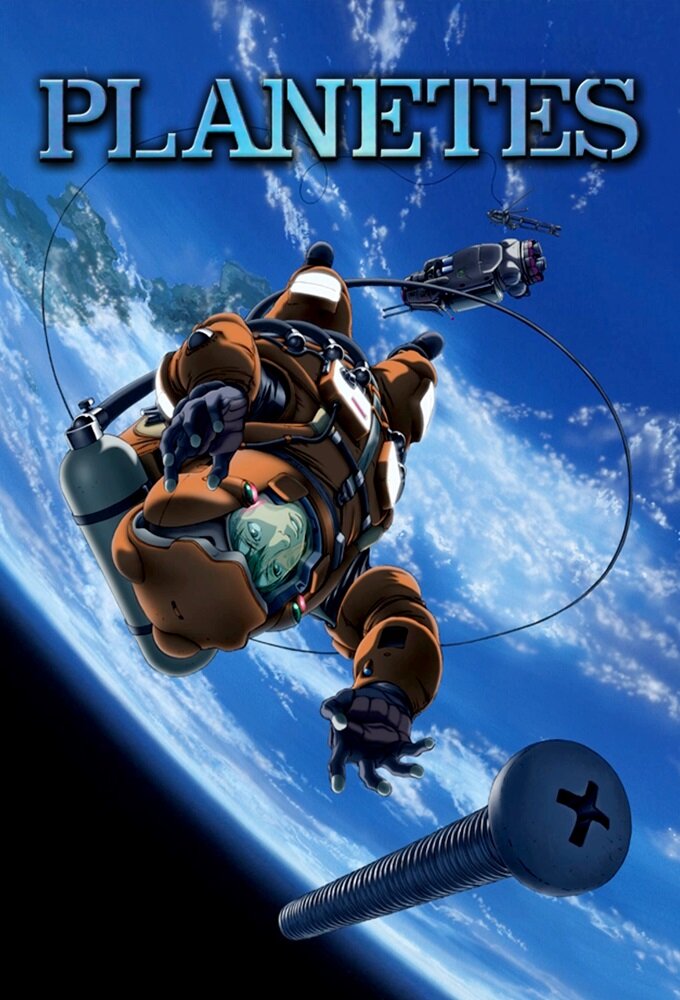
Planetes2003
Both find drama in ordinary people doing specialized work under cosmic pressure. Neither mistakes spectacle for stakes. Both believe the human relationships are the story, and the crisis is just the frame.
Anime series about space debris collectors—small-scale, human-centered sci-fi with real physics and melancholy. Minutes of character and mundane problem-solving between moments of danger. Thoughtful and quiet.
But Slow and introspective. Episodes can feel thin if you want plot momentum. The finale is abrupt and incomplete—the creator moved on mid-story.
People
Cast





Writing
- J. Michael StraczynskiCreator
Production
- Susan NorkinAssociate Producer
- Skip BeaudineCo-Producer
- Douglas NetterExecutive Producer
- J. Michael StraczynskiExecutive Producer
Recommended by
Star Trek: Voyager, Gene Roddenberry's Andromeda, Space Cases, The Adventures of the Galaxy Rangers