
Television series
Star Trek: Deep Space Nine
The Star Trek that stopped exploring and started staying put. Sisko's crew mans a battered Cardassian relic parked over a wormhole, caught between Bajoran religion, Federation idealism and a coming war they can't out-diplomat. Across seven serialized years it becomes the franchise's darkest, funniest, most morally compromised entry — equal parts workplace comedy, political thriller and slow-burn tragedy about what empires leave behind.
If you liked this
Babylon 51993
Almost the same premise — a neutral station holding an uneasy peace as galactic war looms — but planned as one long arc from day one, with an ambition that rewards patience.
But Nineties effects and pacing show their age; the first season is a slog before the payoff arrives.
Battlestar Galactica2003
Takes DS9's questions about faith, occupation and morally grey command and removes every safety net. Fully serialized, relentlessly tense, unafraid of ugly answers.
But Bleaker and heavier throughout — the humor and camaraderie that leaven DS9 are mostly absent here.
The Expanse2015
Colonized populations, factional politics, and commanders forced into compromises that haunt them — DS9's engine rebuilt with modern, grounded hard sci-fi.
But Slower and more procedural; less banter, less warmth, more spreadsheet-and-airlock realism.
The wildcard
Something you would not have found on your own.
Casablanca1943
DS9's writers openly modeled the station on Rick's café: a morally ambiguous hub where occupiers, exiles and rebels all have to drink at the same bar.
A neutral crossroads city full of refugees, black marketeers, resistance fighters and one weary man trying not to take sides — the actual blueprint DS9's writers pointed to.
But No spaceships, no action beats — it's a talky wartime romance that asks you to sit with atmosphere, not plot.
More like this (8)
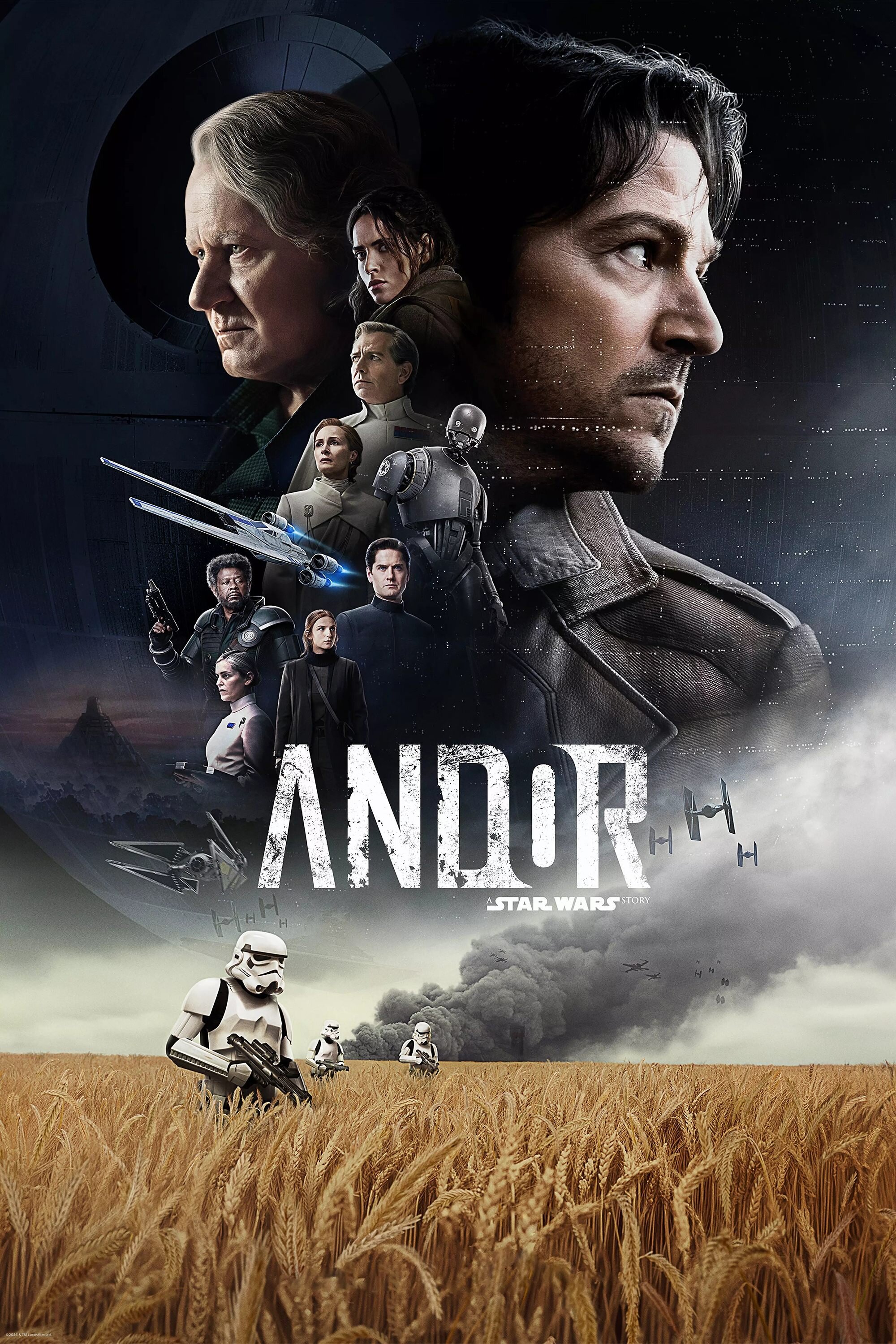
Andor2022
Occupation and resistance played with real weight — ordinary people radicalized by empire, exactly the moral terrain DS9 gave Kira and the Bajorans.
But Only two seasons exist; it's talky and patient, with action rationed rather than routine.
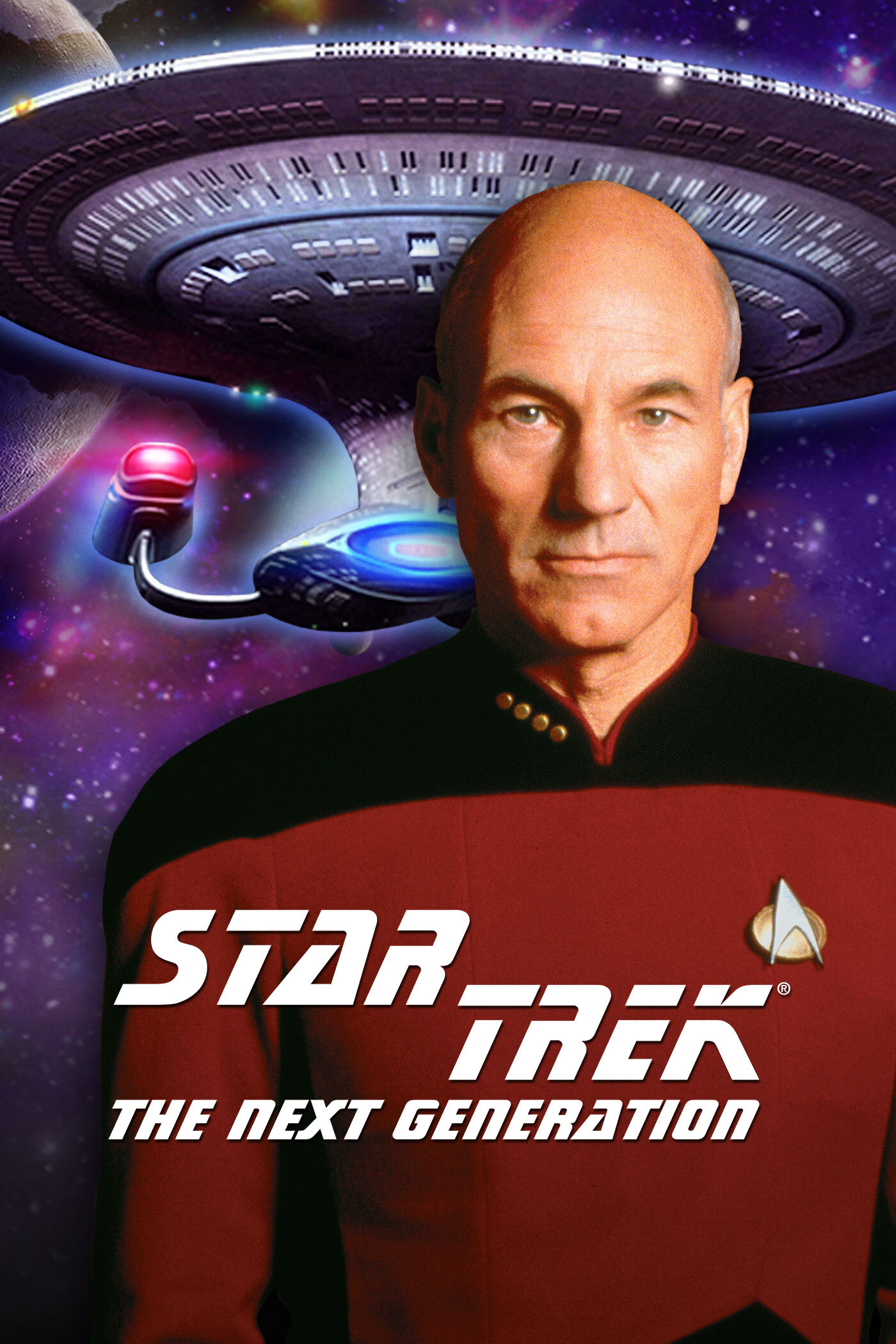
Star Trek: The Next Generation1987
The parent show, and the context for half of DS9's callbacks — Worf, the Federation's idealism, the universe DS9 quietly argues with.
But More episodic and optimistic; after DS9's grime and grudges it can feel almost naively clean.
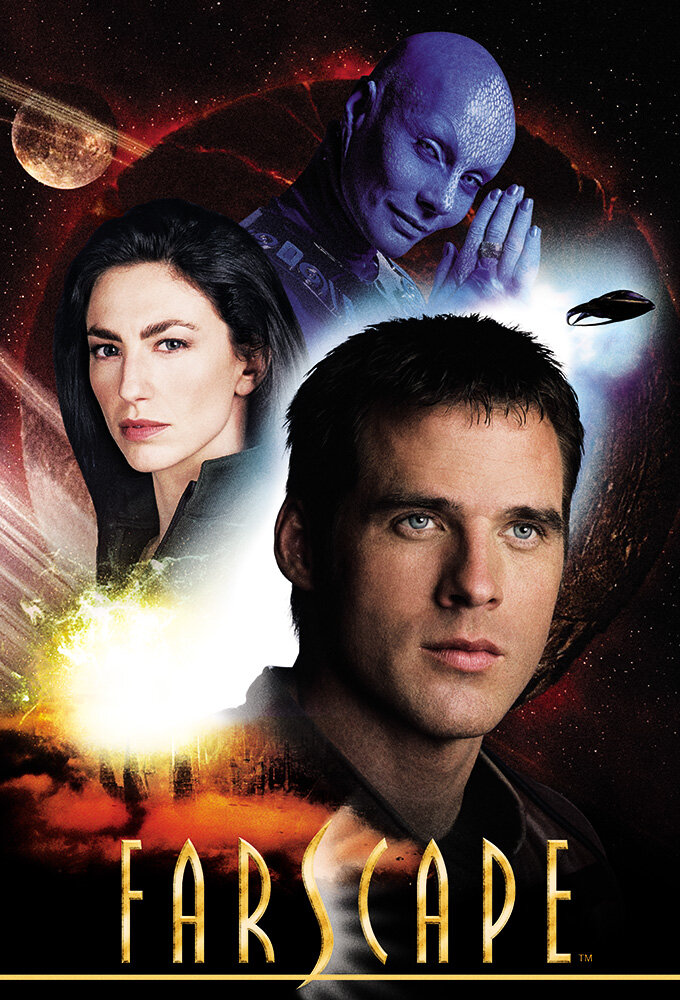
Farscape1999
A found family thrown among warring empires, mixing genuine darkness with unashamed weirdness and heart — DS9's tonal recklessness in a different key.
But Campier puppetry and effects up front, plus real tonal whiplash between comedy and horror.
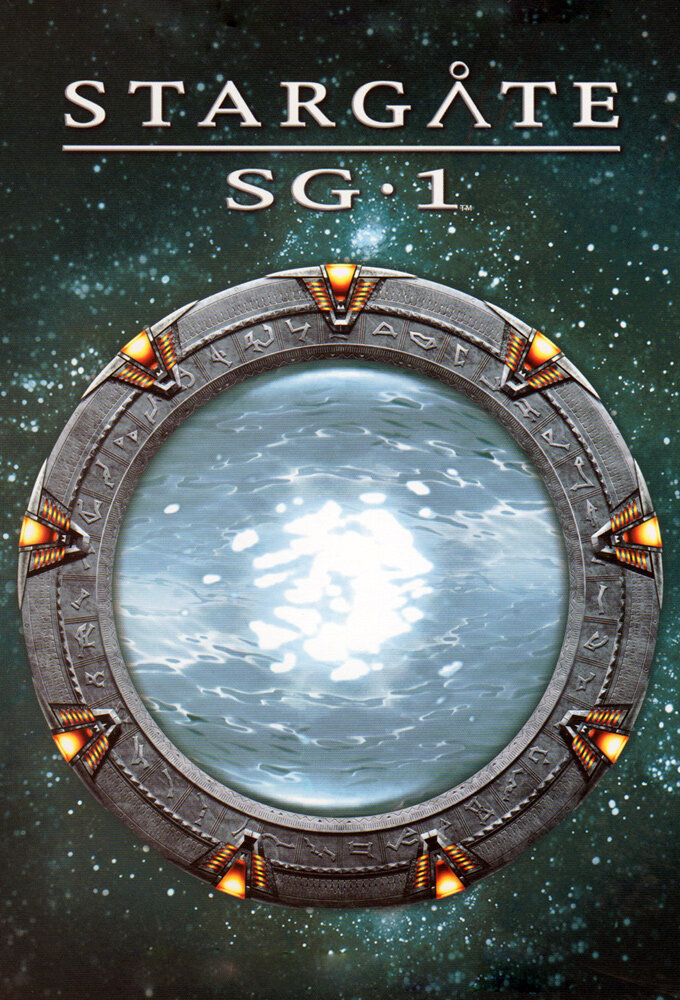
Stargate SG·11997
Episodic missions gradually thicken into a long war against recurring enemies, with an ensemble as comfortable as DS9's station crew.
But Budget seams show, and the middle seasons repeat themselves before the mythology pays off.
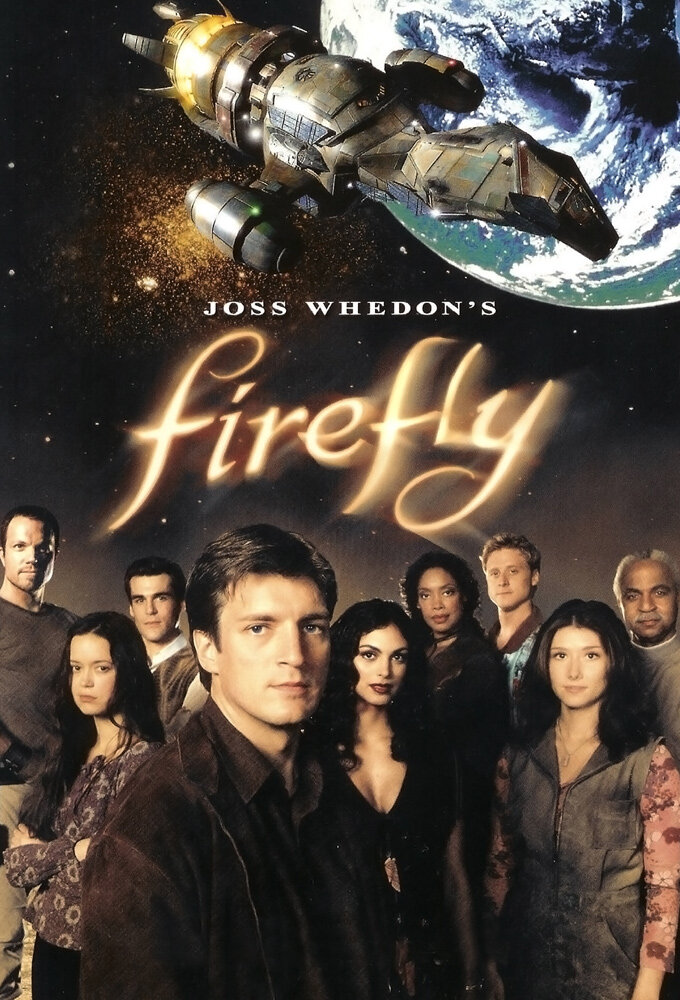
Firefly2002
A small, morally grey crew scraping by under a distant occupying power — same DNA, shrunk down to a ship and a found family instead of a station.
But Only one season; lighter, funnier, and more western than war drama.
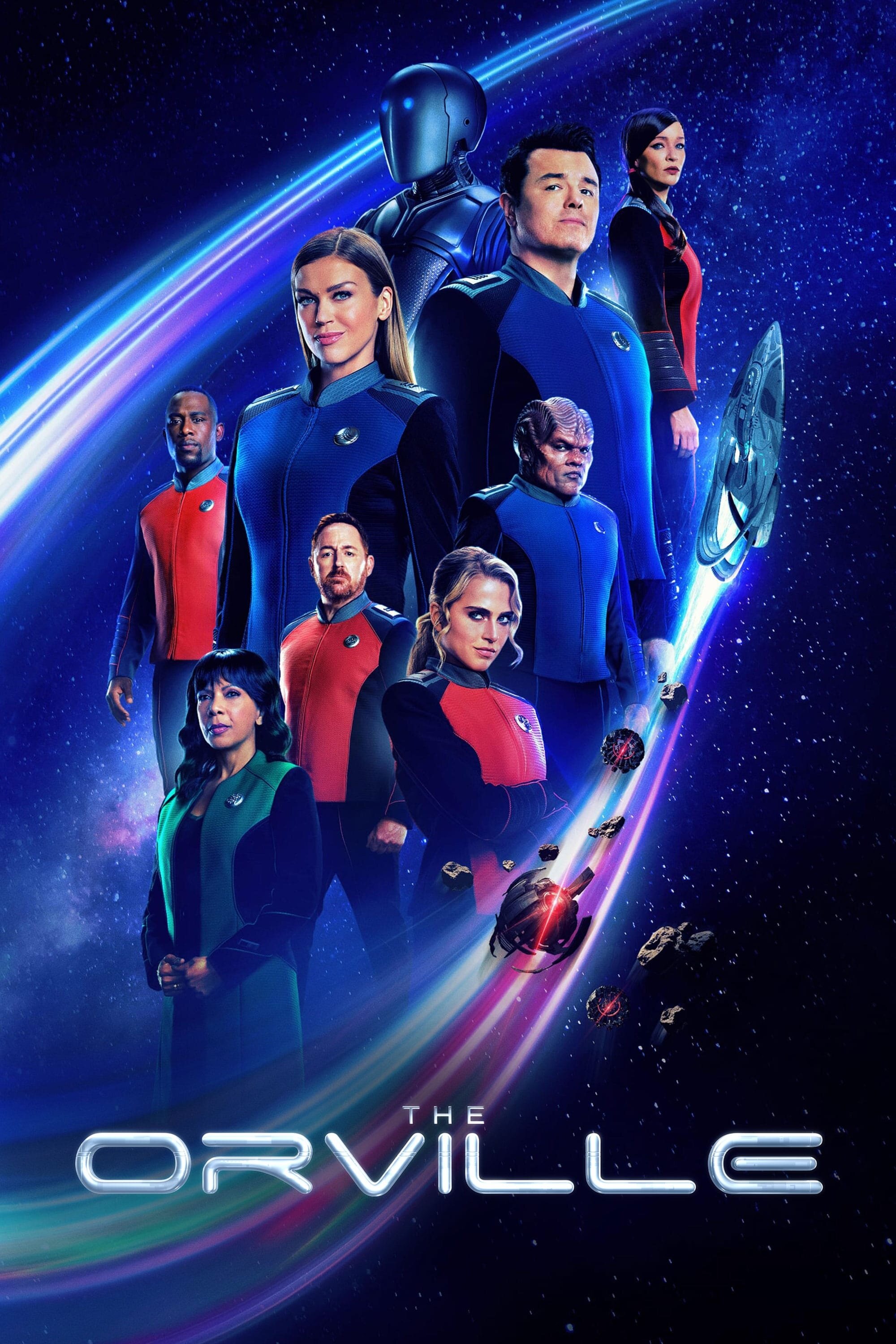
The Orville2017
Starts as pastiche, grows a spine — tackling occupation, bigotry and war with the same swing between comedy and gut-punch that DS9 mastered.
But The jokes land unevenly early on, and some never forgive it for looking like parody.
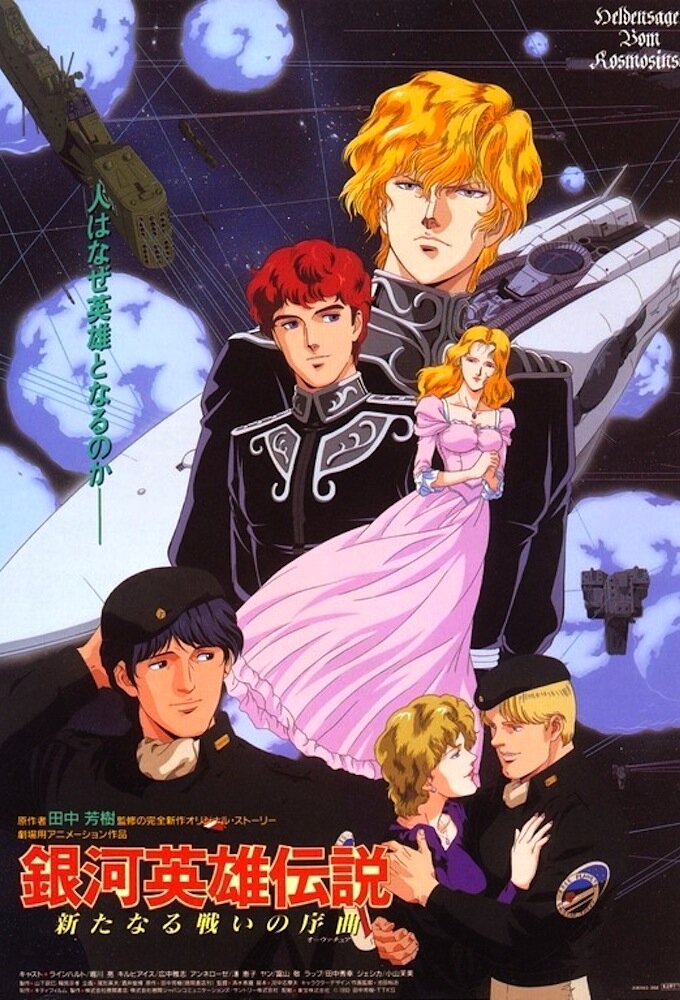
Legend of the Galactic Heroes1988
Same structural engine as DS9's Dominion War — no side holds a monopoly on virtue, and command means making choices that cost you sleep.
A sprawling anime epic about two empires at war, told through commanders on both sides who are brilliant, sympathetic, and often wrong — DS9's moral symmetry stretched across 110 episodes.
But It's a huge commitment, dialogue-heavy and unhurried, and the animation is decades old.
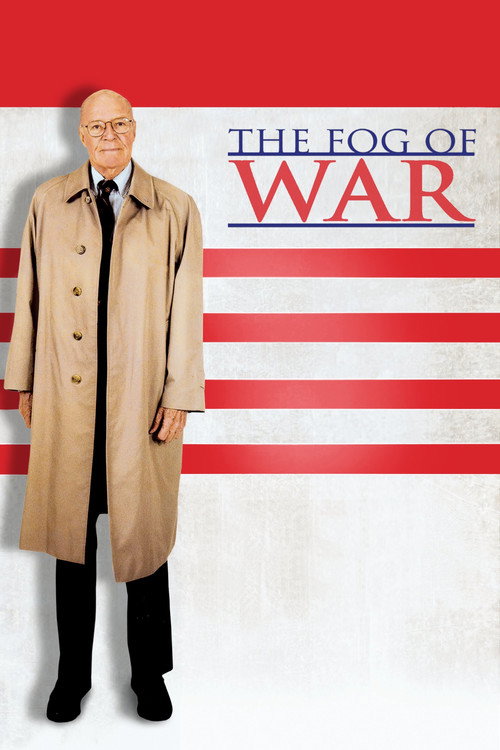
The Fog of War2003
Sisko's own worst hour, when the show asks whether a good man can do something terrible for a good reason, plays out here for real, with a real war and a real face.
Errol Morris interviews Robert McNamara about the decisions he made running a war, and lets the man's rationalizations sit there, unresolved, in his own words.
But It's a documentary with no plot, no cast, just one old man reckoning with his conscience on camera.
People
Cast




Writing
- Gene RoddenberryCreator
- Michael PillerCreator
- Rick BermanCreator
Production
- Steve OsterAssociate Producer
- Terri PottsAssociate Producer
- Peter Allan FieldsCo-Producer
- Robert Hewitt WolfeCo-Producer
- Steve OsterCo-Producer
- Ira Steven BehrExecutive Producer
- Michael PillerExecutive Producer
- Rick BermanExecutive Producer
- David LivingstonSupervising Producer
- Ira Steven BehrSupervising Producer
- James CrockerSupervising Producer
- Peter LauritsonSupervising Producer
Recommended by
Star Trek: The Next Generation, The Expanse, Babylon 5, Stargate SG·1, Battlestar Galactica, Foundation, Legend of the Galactic Heroes, Farscape, Babylon 5, The Orville, Star Trek: Strange New Worlds