
Television series
The Fantastic Journey
A 1977 sci-fi adventure where a shipwrecked family discovers they're trapped on an island where past, present, future, and alien civilizations coexist in separate zones. They travel between time periods seeking an exit, guided by a pacifist musician from 2230. It's episodic, hopeful, and driven by practical ingenuity rather than spectacle—perfect for viewers who love the exploratory spirit of early science fiction without cynicism.
If you liked this
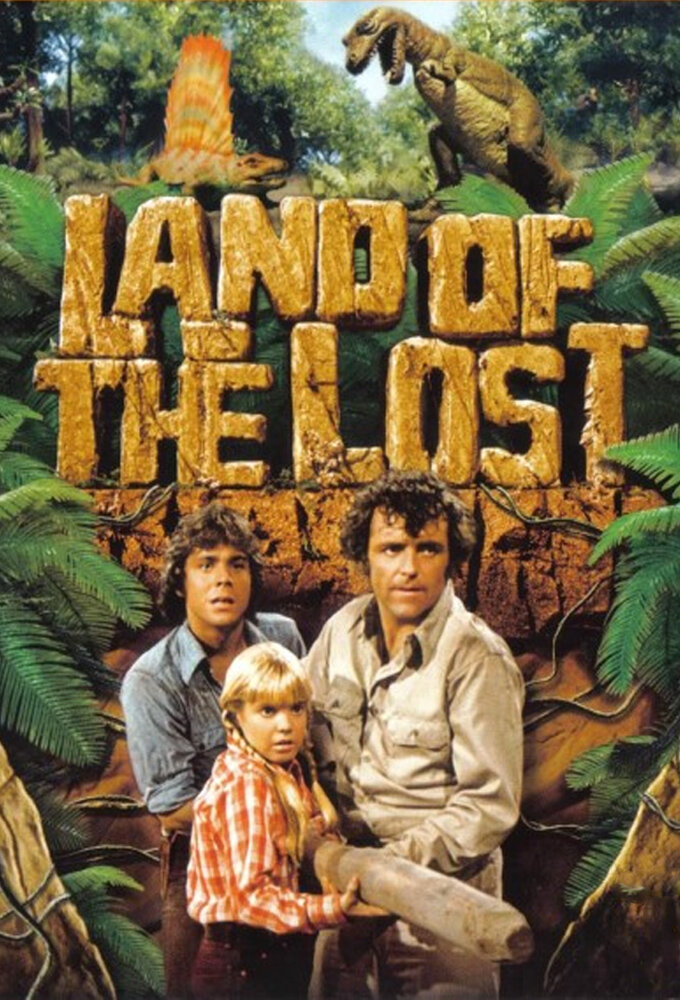
Land of the Lost1974
Another Sid and Marty Krofft production about a family trapped in a parallel world with dinosaurs, alien races, and temporal puzzles. Same DNA of wonder and practical problem-solving, with that specific 70s craftsmanship.
But The production values are intentionally humble, and the tone veers between adventure and oddly philosophical in ways modern viewers might find slow.
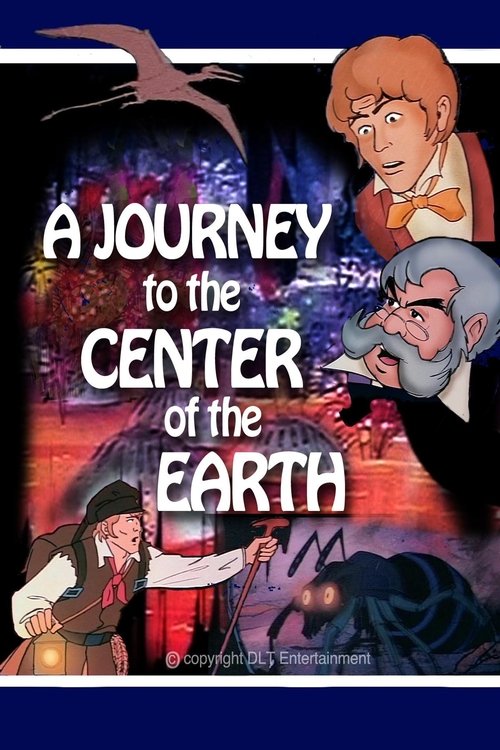
A Journey to the Center of the Earth1977
James Mason leads an expedition into impossible terrain where prehistoric creatures and lost civilizations exist. Shares The Fantastic Journey's optimism about discovery and its faith in human ingenuity over firepower.
But It's a period adventure film, so expect leisurely pacing and the romance subplots typical of 1970s cinema, which can feel extraneous.
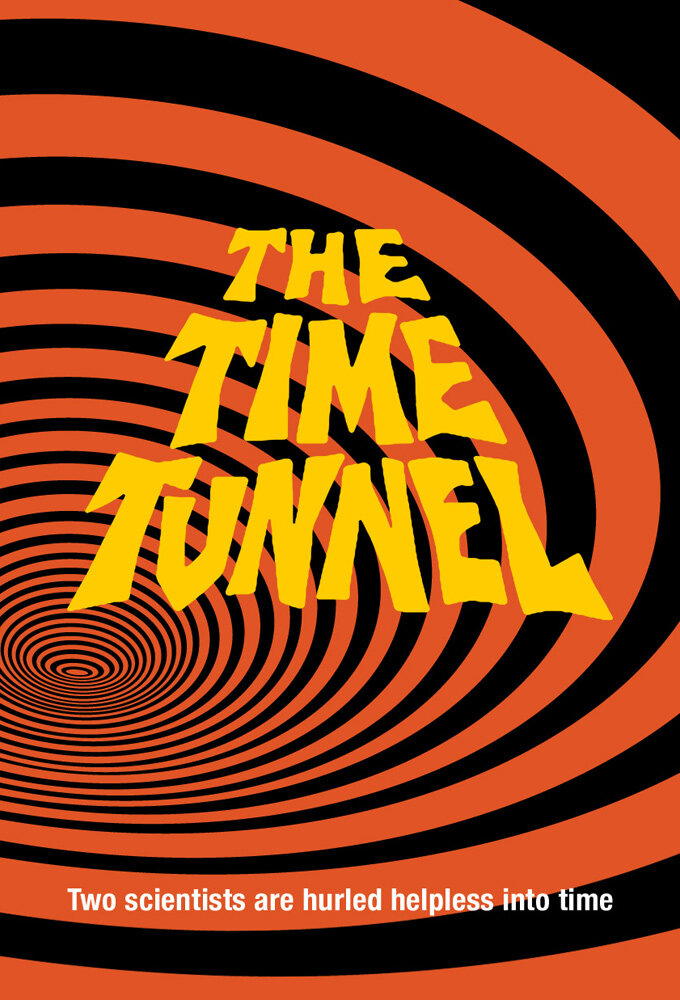
The Time Tunnel1966
Two scientists trapped jumping through history, solving puzzles in different eras to find their way home. It's the obvious spiritual ancestor—same structure, same earnest belief that knowledge and curiosity matter.
But The episodes are 50 minutes of 1960s TV production stretched thin. It can feel repetitive, and the romantic tension overwhelms some episodes.
Not sure tonight? Get a pick in a minute, starting from The Fantastic Journey
The wildcard
Something you would not have found on your own.
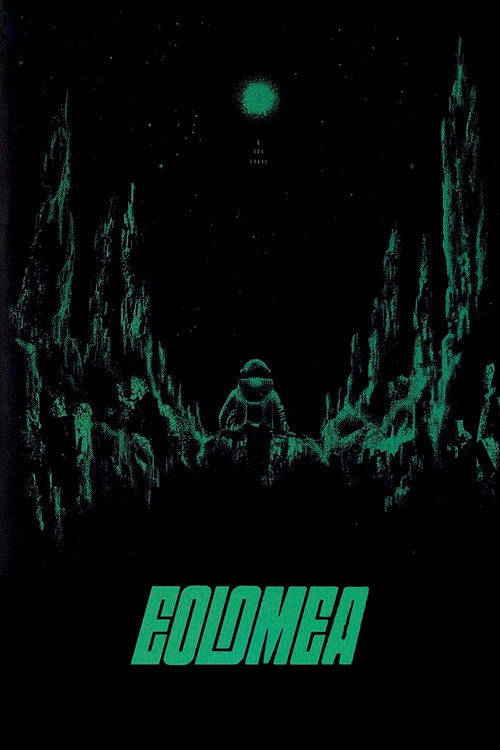
Eolomea1972
Both center the sense of being lost in a system you don't understand and the slow process of learning its rules. Eolomea removes the family-adventure scaffolding and asks what it would actually *feel* like to encounter the unknowable.
A Soviet sci-fi film about a space crew discovering an abandoned alien outpost and attempting to comprehend its technology and purpose. Meditative, slow, genuinely focused on the *mystery* of otherness rather than action or plot.
But It's deliberately paced, philosophically dense, and requires genuine patience. No concessions to plot momentum; entire scenes are observation and dialogue in Russian.
More like this (8)
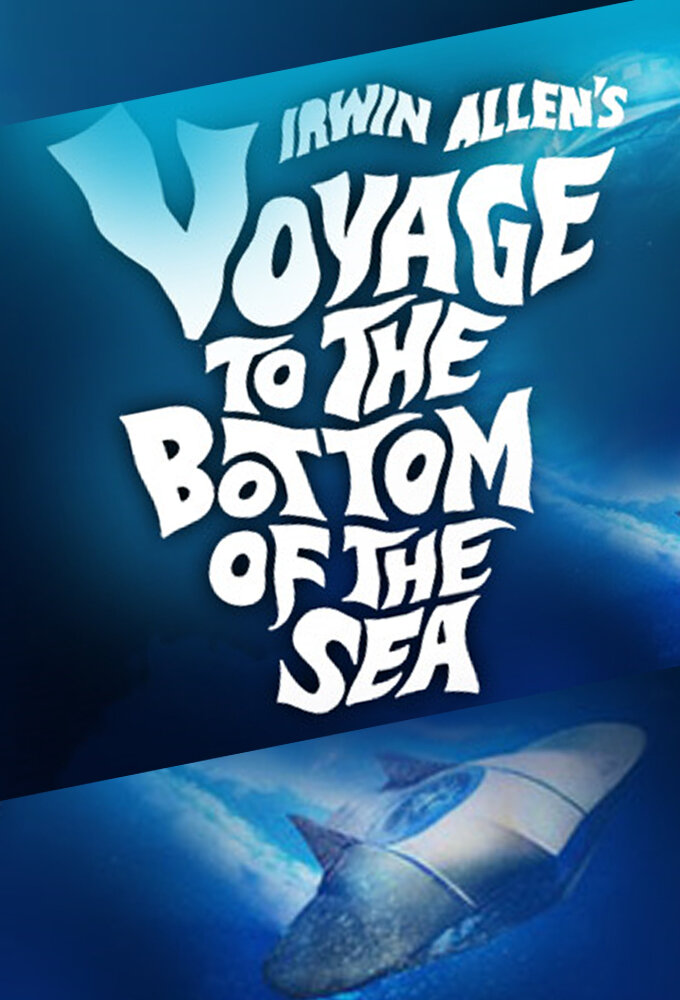
Irwin Allen's Voyage to the Bottom of the Sea1964
A submarine crew encounters impossible phenomena and alternate realities. Shares the same spirit of exploration and the practical can-do attitude that defined Irwin Allen's vision.
But It's campy and very much of its era; the science is decorative, and it tilts hard into action-adventure rather than mystery or philosophy.
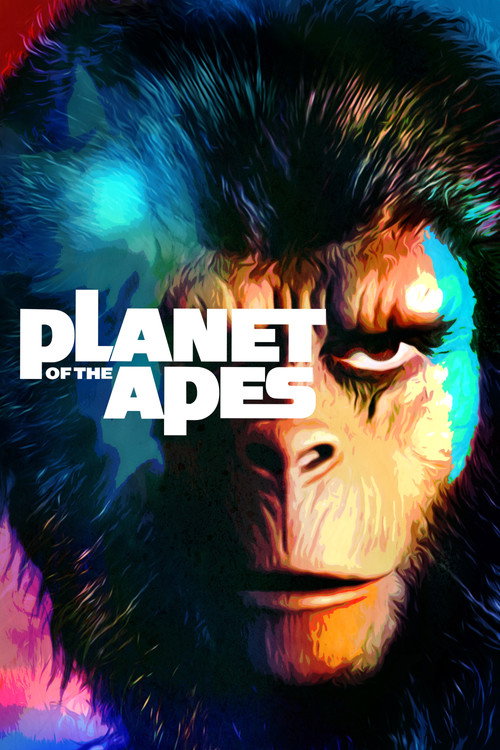
Planet of the Apes1968
Astronauts crash-land on an alien world with its own logic and civilization. Both explore what happens when familiar rules stop applying and you must navigate an unfamiliar system to survive.
But It's a closed dystopia rather than an open mystery, and considerably darker in tone—much more about what we've lost than what we might discover.
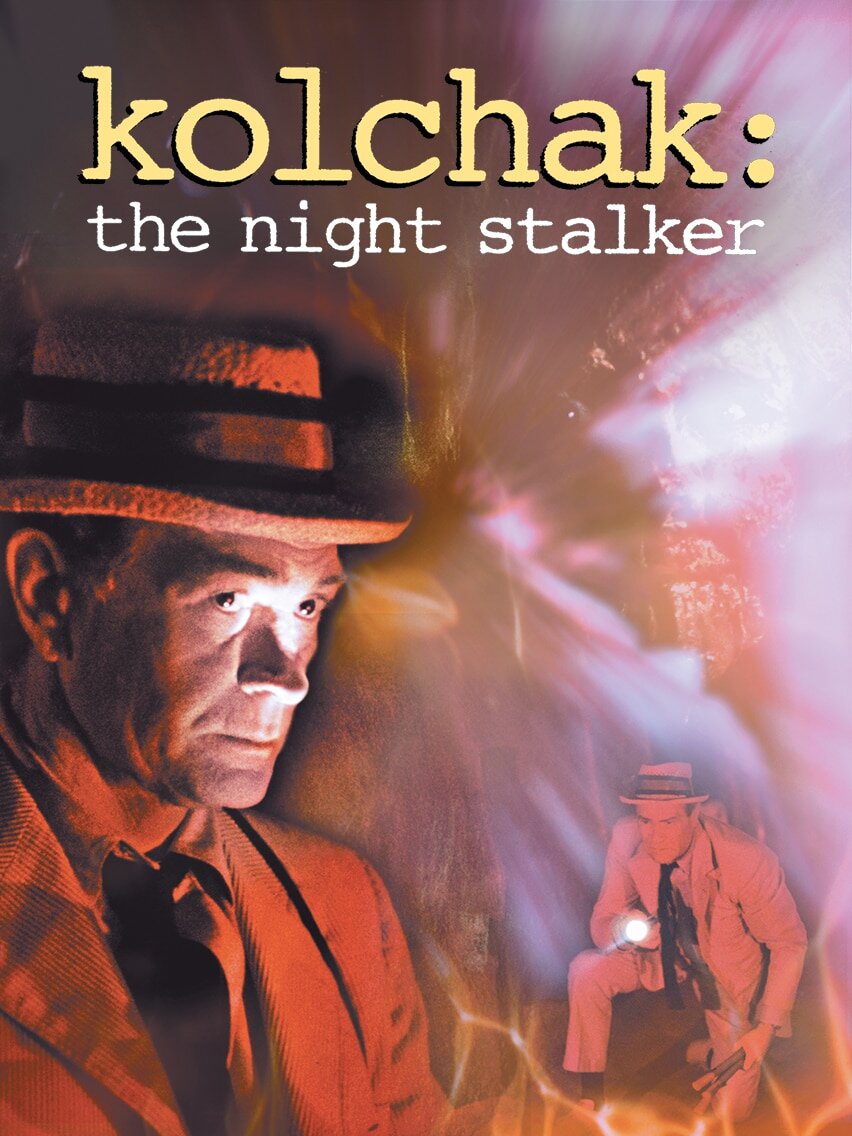
Kolchak: The Night Stalker1972
A reporter investigates impossible phenomena that shouldn't exist, one town or curse at a time. Shares the episodic structure and the tone of everyday people confronting the extraordinary.
But It's horror-focused rather than adventure-focused, with a cynical streak about institutions and authority that The Fantastic Journey doesn't share.
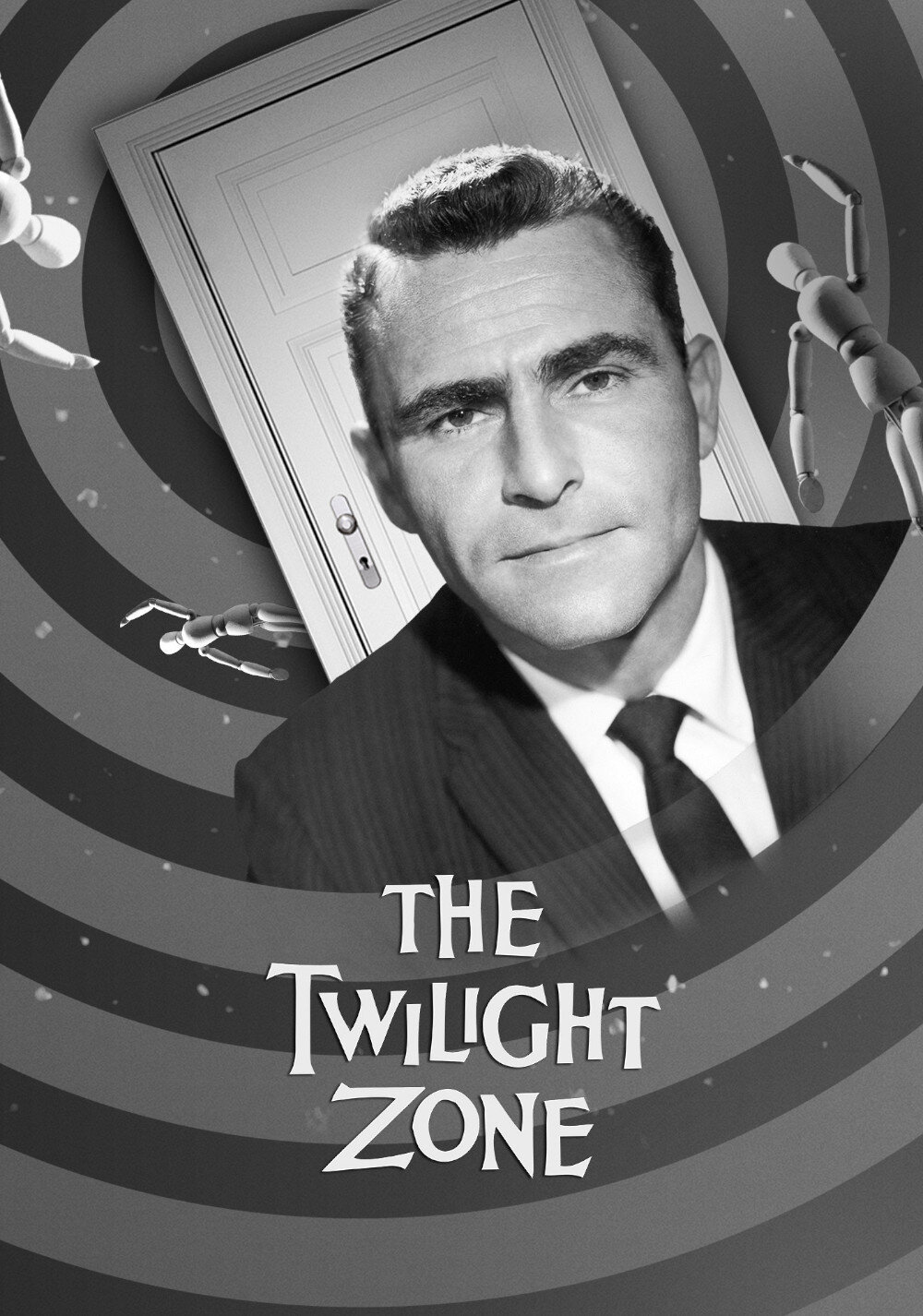
The Twilight Zone1959
Each episode a different reality or rule set, usually leaving characters to puzzle out their situation. The spiritual grandfather of any story about people trapped in logic they don't understand.
But It's a completely different format—five short morality plays rather than an ongoing narrative—so it doesn't quite scratch the same itch.
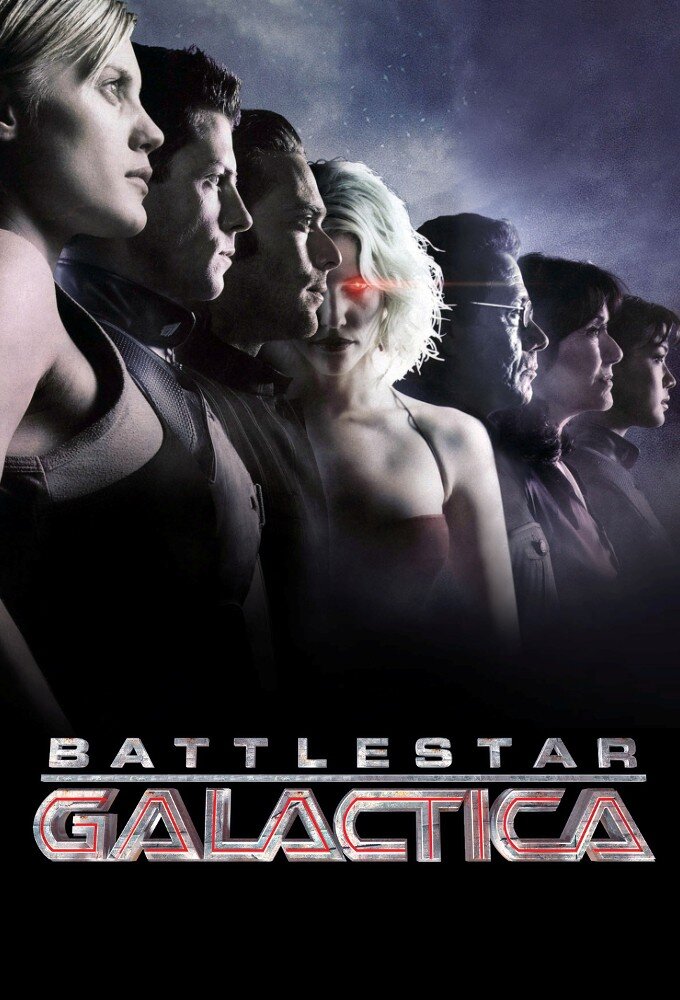
Battlestar Galactica2003
A fleet searching for a mythical home while encountering new worlds and civilizations. Shares the bittersweet tone of journey without guarantee, plus the 70s sci-fi aesthetic that made the era distinctive.
But It's grander in scale and more militaristic; the show is about survival and warfare, not exploration and wonder.
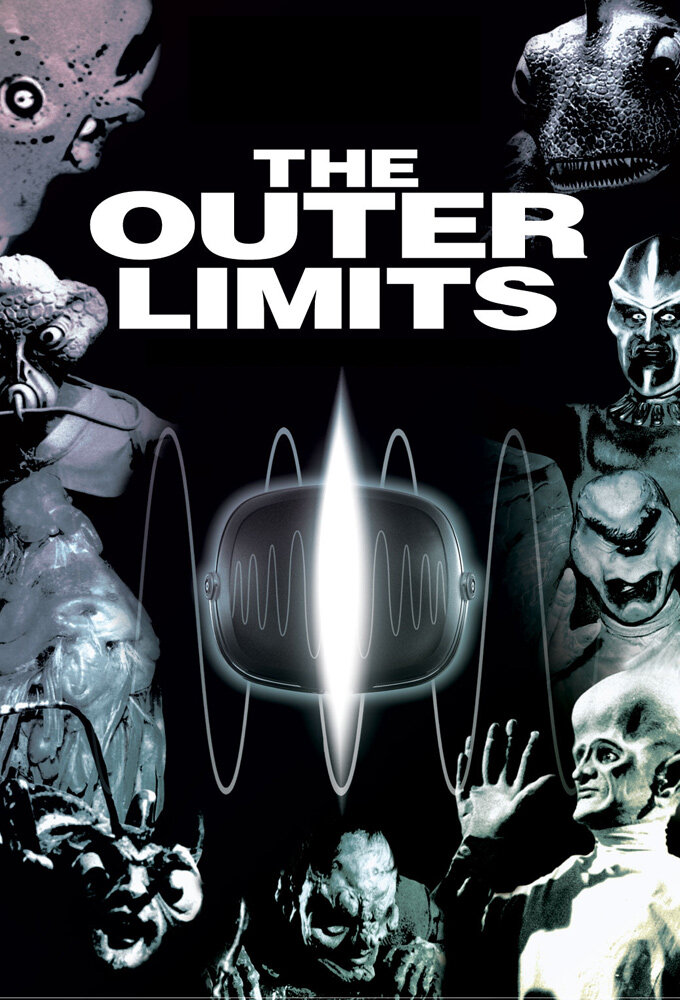
The Outer Limits1963
Humanity encounters incomprehensible phenomena and has to adapt or escape. Each episode a different impossible scenario; shares the DNA of practical people facing genuinely strange circumstances.
But It predates better special-effects technology by a decade and tilts toward horror. The tone is far more unsettling than hopeful.
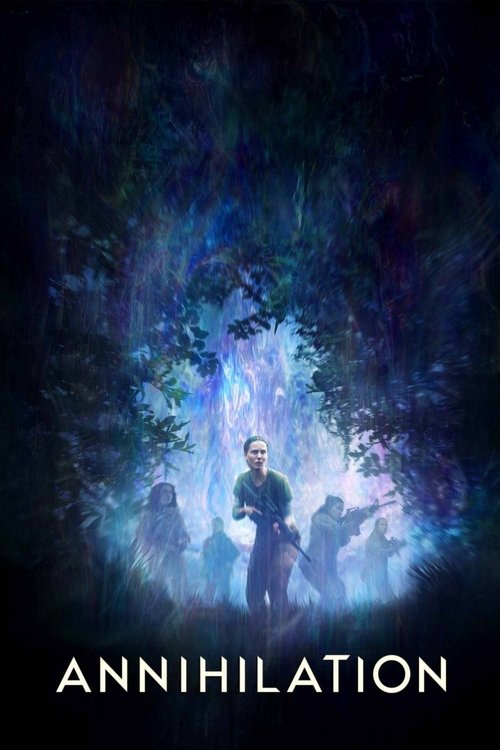
Annihilation2018
Both are structured journeys through zones where the normal world doesn't apply. Where Fantastic Journey asks 'can we figure this out?', Annihilation asks 'what is it doing to us?'—the inverse emotional register on the same engine.
A team enters a mysterious zone where the laws of nature are rewritten, time behaves strangely, and progression forward is the only escape. Gorgeous, unsettling, built on the same premise of navigating impossible geography.
But It's deliberately surreal and nightmarish—beautiful but profoundly unsettling in a way The Fantastic Journey isn't. The tone is dread, not wonder.
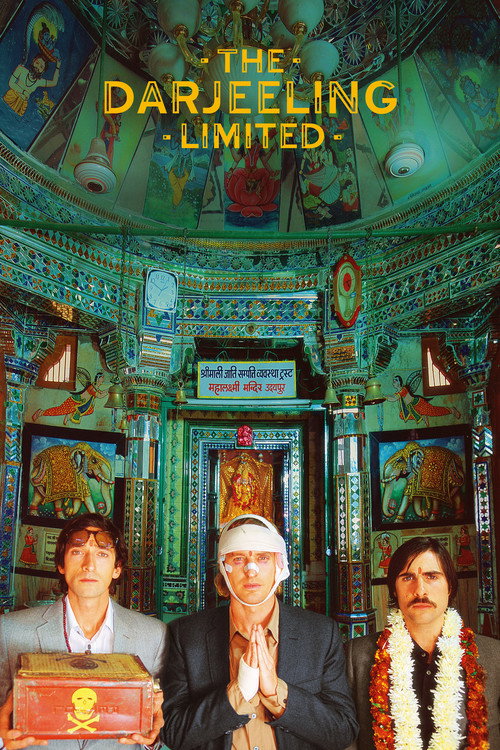
The Darjeeling Limited2007
Both prioritize the *travel* over resolution—the episodic encounters with different people and places as the real substance. Where Fantastic Journey crosses time zones, Darjeeling crosses geography and emotional territory.
Three brothers on a train through India, traveling toward a spiritual destination they may never reach, encountering strangers and themselves. A film about searching without certainty of arrival, shot with Wes Anderson's careful visual composition.
But It's quieter and more interior than you might expect. The journey matters more than the destination; if you're looking for plot, you'll be disappointed.
People
Cast


Directing
- Steve BernhardtAssistant Director
- William J. HoleAssistant Director
Writing
- Bruce LansburyCreator
- D.C. FontanaStory Editor
Production
- William CairncrossAssociate Producer
- Bruce LansburyExecutive Producer
- Leonard KatzmanProducer