
Television series
The 100
The 100 starts as YA dystopia — pretty teens dropped on a poisoned Earth — and by season two has curdled into something much darker: a rolling argument about what survival costs and who gets to decide. Alliances shift, bodies pile up, and nobody stays a hero for long. It's messy, occasionally ridiculous, but genuinely goes further than its premise promises.
Should you watch it?
Watch it if you love post-apocalyptic sci-fi driven by hard choices and shifting alliances, where the drama comes from moral compromise and a group of teenagers trying to survive a hostile world, the way Lost built tension out of an isolated community.
Skip it if you want a tidy, self-contained episode each week, since this one runs long serialized arcs, leans on grim decisions, and its early stretch can feel bleak and slow to find its footing.
What it asks of you: Around seven seasons and a hundred hour-long episodes, so commit early; it moves at a brisk clip but keeps circling back to the ethics of survival, which asks patience with its heavier stretches.
Not sure? Find tonight's pick in a minute.
If you liked this
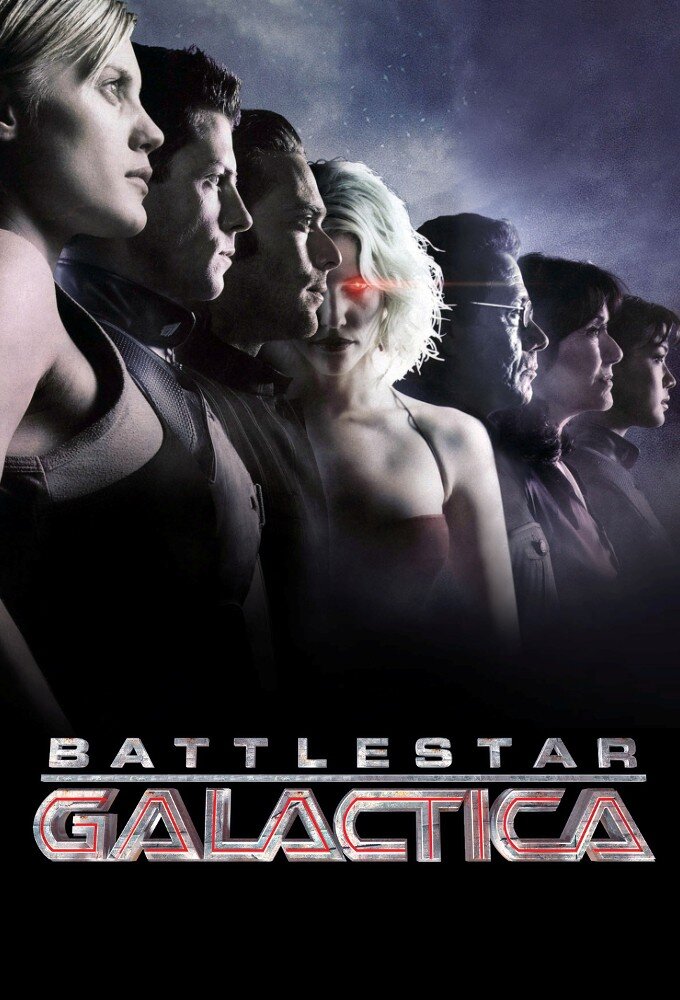
Battlestar Galactica2003
The 100's obvious spiritual parent, done with more patience and philosophical weight — a fleet of survivors fleeing annihilation, forced into the same brutal calculus of who lives, who dies, and what remains human. If The 100 hooked you, this is the adult, unhurried version.
But Slower burn, four seasons of political and religious weight — no quick dopamine hits, and the mythology gets heavy.
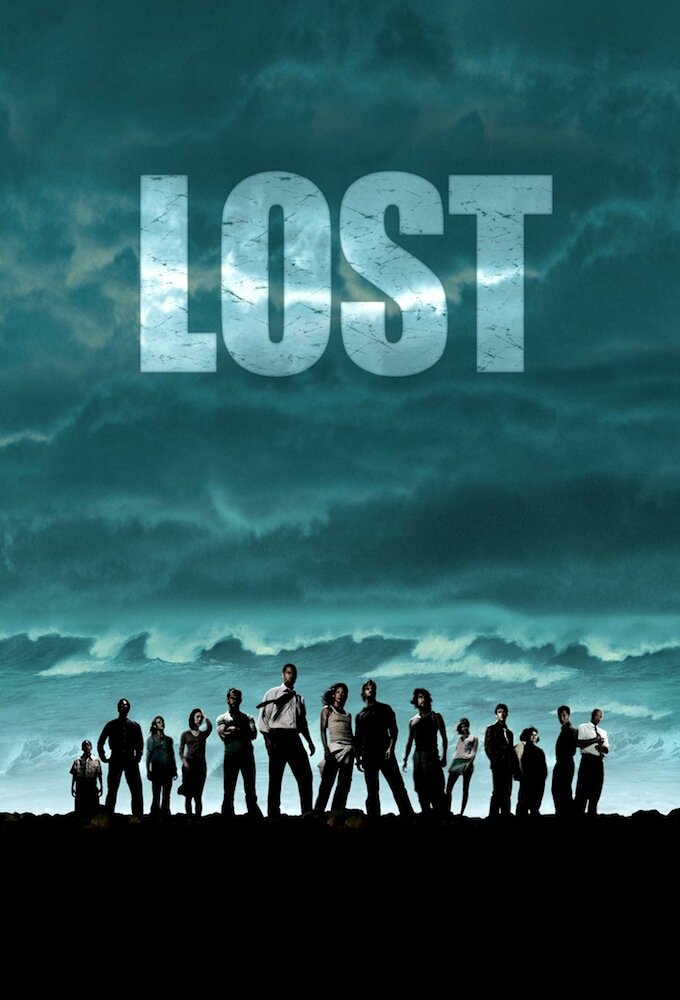
Lost2004
Same DNA of stranded survivors building fragile order out of chaos, with flashbacks fleshing out who everyone was before the crash. It's the show that taught a generation of writers how to keep an ensemble morally tangled for years.
But The mystery-box structure frustrates as often as it satisfies, and the ending remains a famously divisive gut-punch.
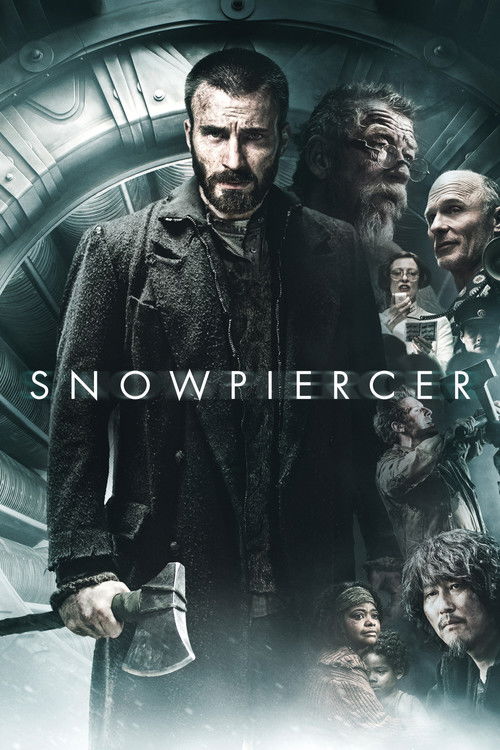
Snowpiercer2013
Bong Joon-ho's train-bound class war distills The 100's survival politics into two brutal hours — scarcity, hierarchy, and the violence required to move up a rung. Gorgeous, angry, and merciless in its logic.
But Dense with allegory and grim by design — if you wanted the show's romance and banter, this has neither.
Not sure tonight? Get a pick in a minute, starting from The 100
The wildcard
Something you would not have found on your own.
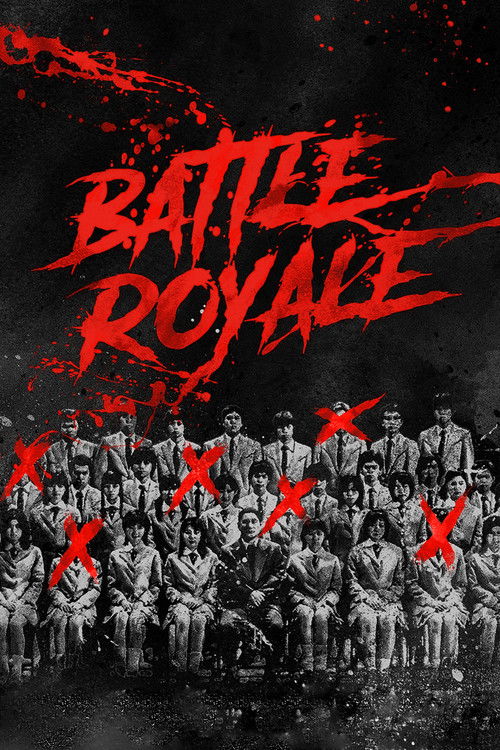
Battle Royale2000
The 100 keeps flirting with the idea that its exiled teens might turn on each other under pressure; Battle Royale removes the hesitation and makes it the entire premise — a class of students forced to kill or be killed. Same question about what young people become without adult authority, pushed to its most extreme, unsentimental conclusion.
It's the film that invented half the tropes the genre later softened for teen audiences — visceral, morally uncompromising, and startlingly humane underneath the carnage.
But Considerably more violent and bleaker than anything The 100 attempts; subtitled Japanese cinema with none of the CW gloss.
More like this (8)
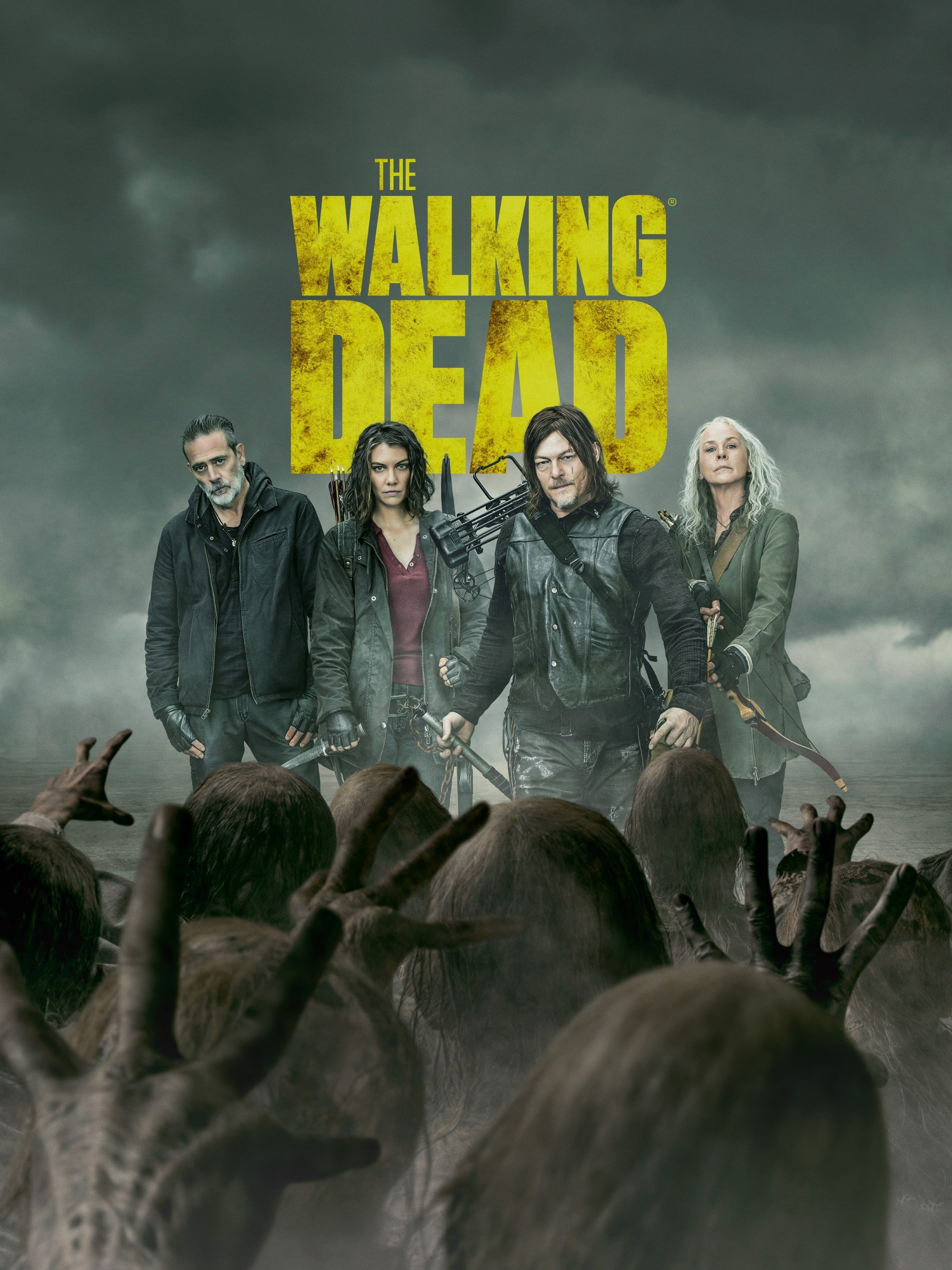
The Walking Dead2010
Trade the poisoned ground for the undead and you get the same engine: a group fracturing under leadership disputes, resource wars, and the question of what you become to survive. Early seasons especially nail that dread.
But It runs eleven seasons and wears thin long before the end — commit carefully, or bail after season four.
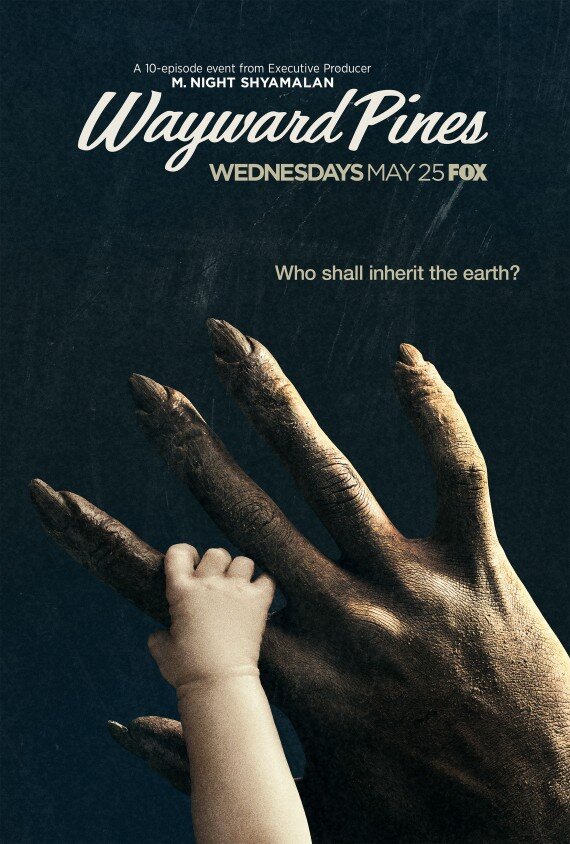
Wayward Pines2015
A town that looks idyllic hides a horrifying reason for its rules, echoing the Ark's own controlled, secretive survival society. Twisty, pulpy, and built to be devoured in a couple of sittings.
But The mystery works better than the answer — the reveal doesn't quite carry the weight the setup promises.
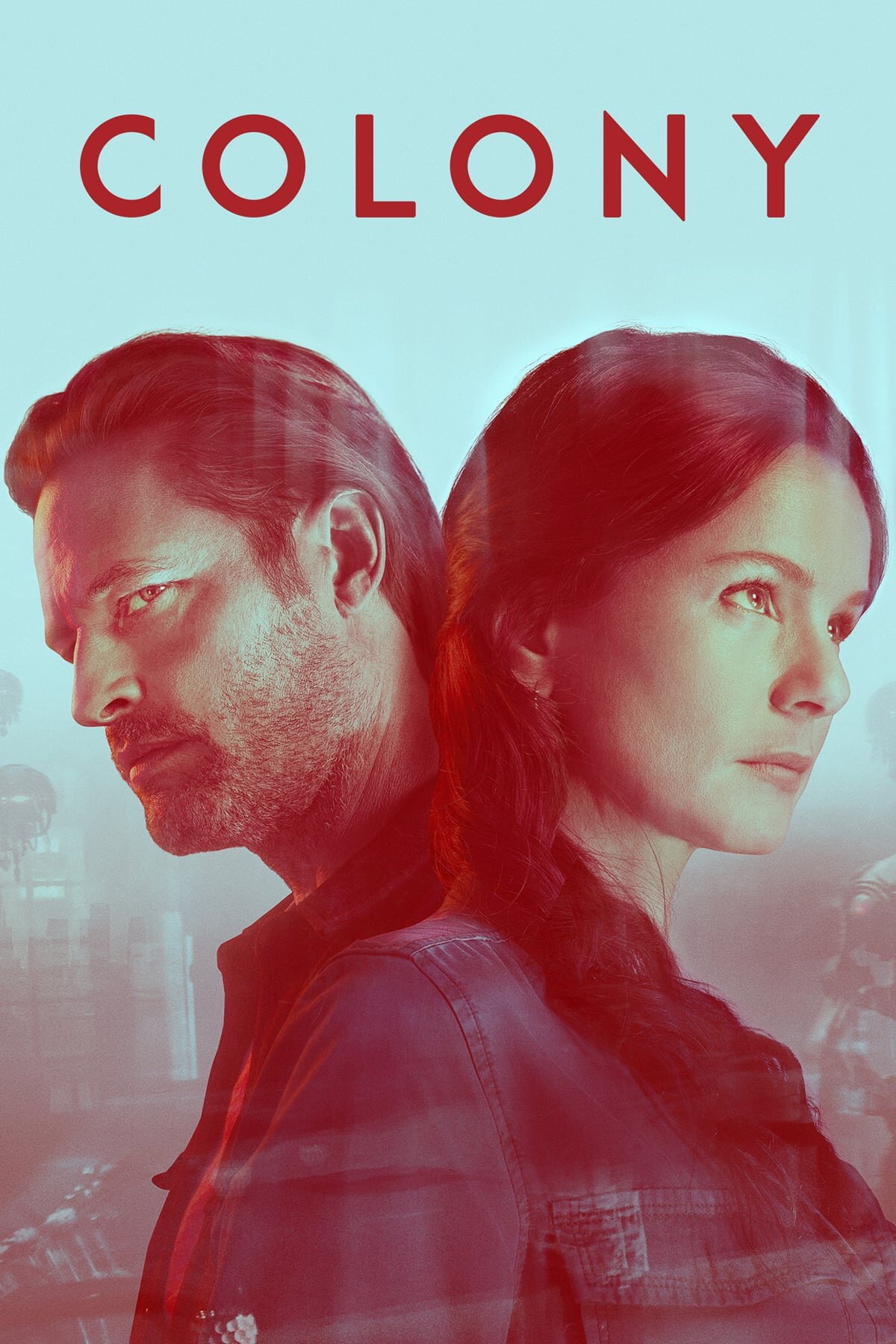
Colony2016
Occupation drama about a family navigating collaboration, resistance, and survival under an alien regime — the same tightrope The 100's characters walk between rival factions and impossible loyalties.
But Cancelled mid-story after three seasons, so you're signing up for an ending that never properly arrives.
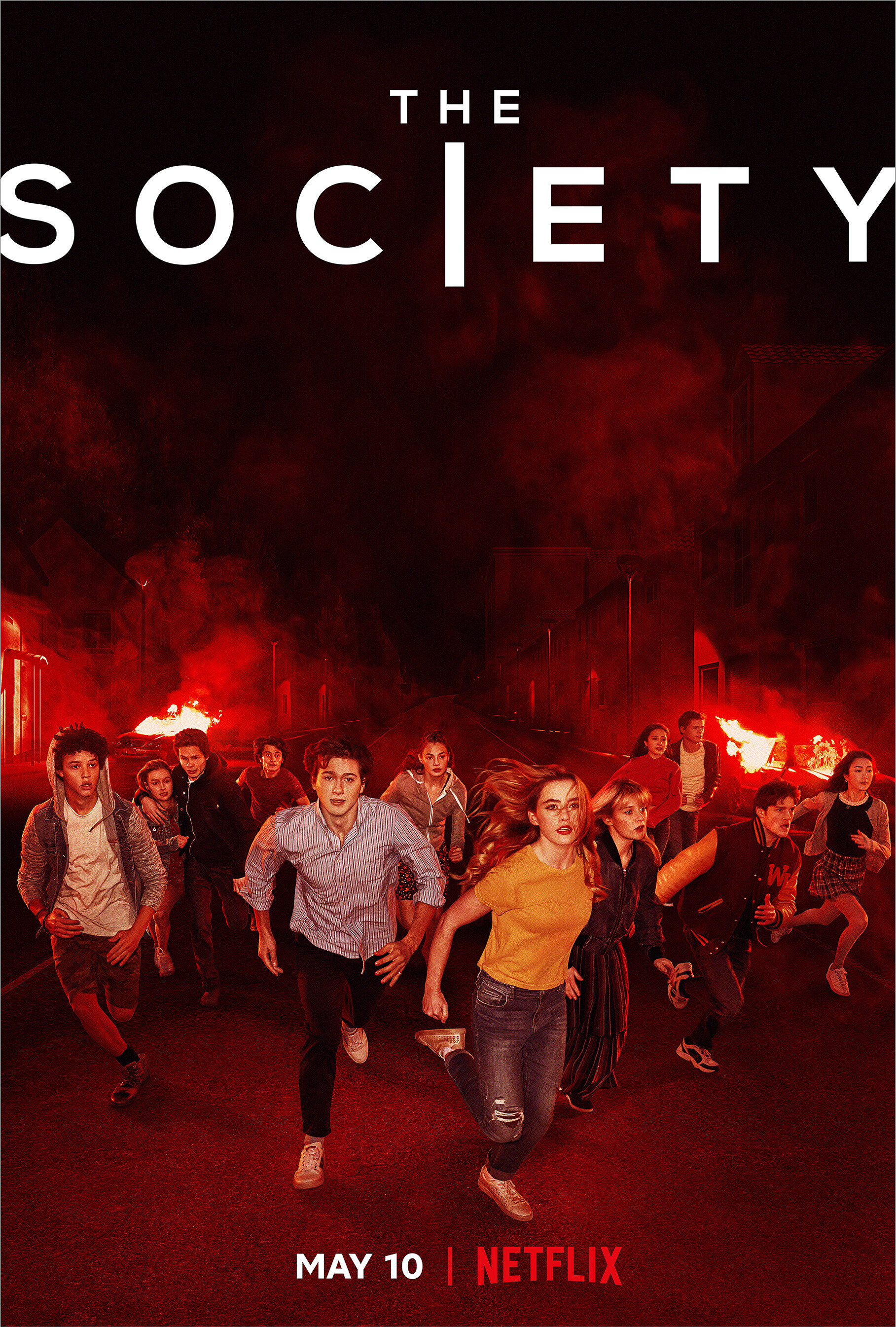
The Society2019
Teenagers, no adults, a town that mysteriously seals itself off — they have to build laws, leadership, and consequences from scratch, exactly the improvised social order The 100 throws its exiles into.
But One season and cancelled — you get the setup and the descent but no real resolution.
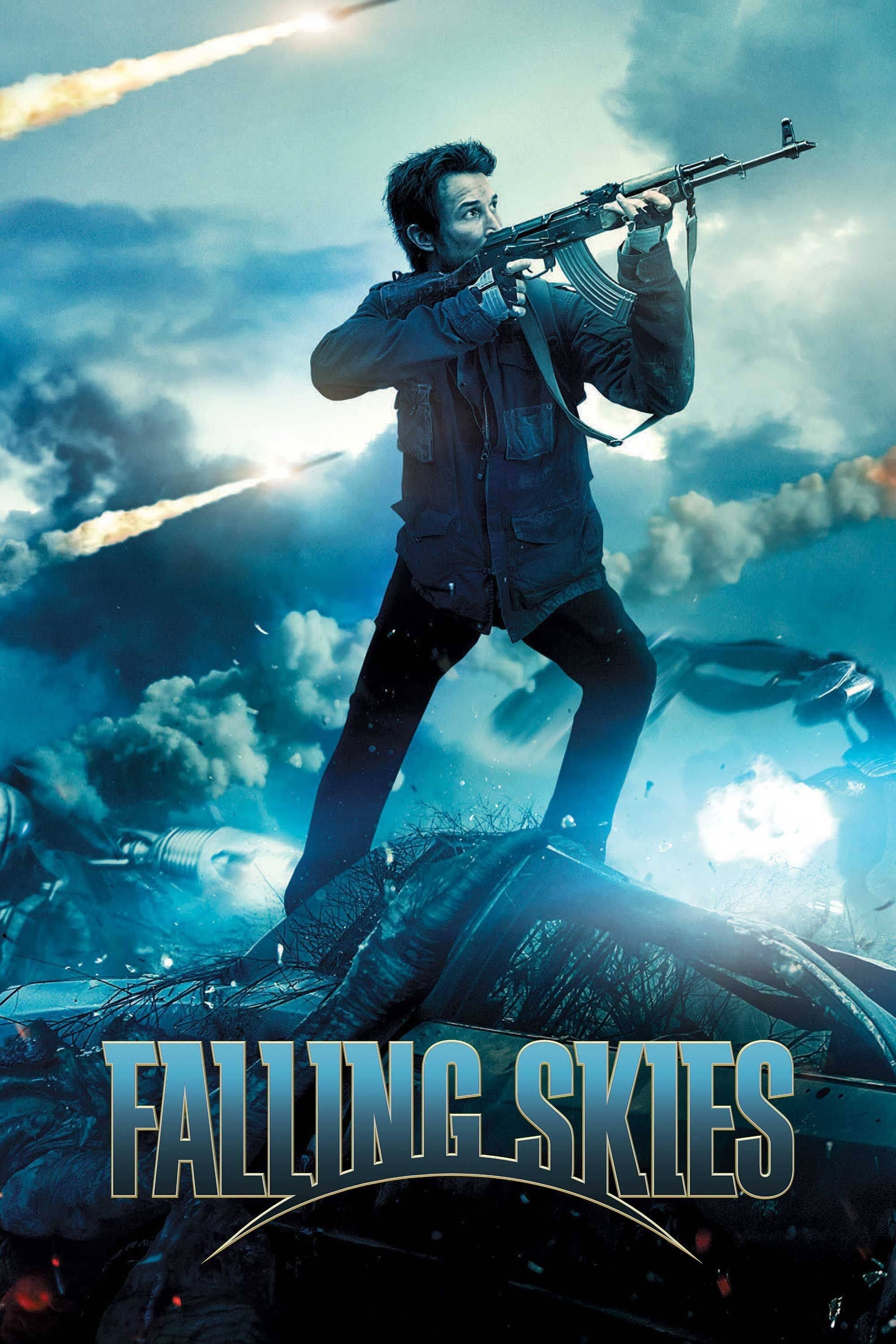
Falling Skies2011
Family and faction politics after an alien invasion strips civilization down to its studs — a scrappier, more earnest cousin to The 100's survivalist ensemble drama, with the same appetite for hard choices.
But Budget and ambition don't always match, and the back half leans harder into conventional alien-war plotting.
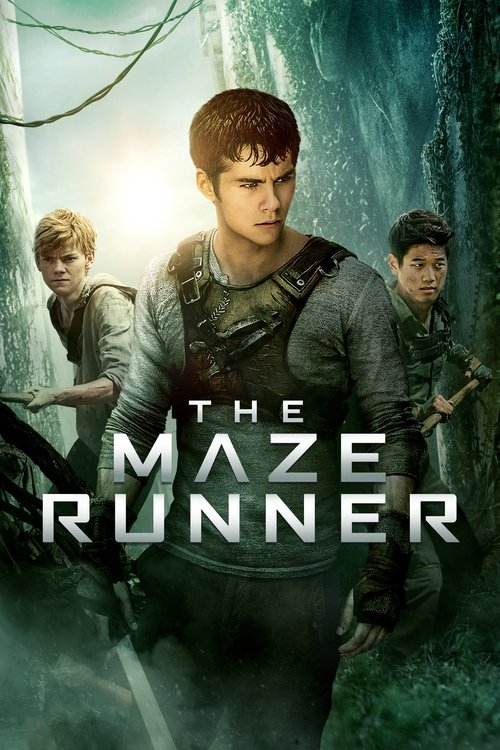
The Maze Runner2014
Teens dropped into a hostile, engineered environment with no adults and no explanations, forced to build order and figure out who's really controlling their fate — The 100's premise compressed into brisk YA action.
But Thinner and more straightforwardly heroic than The 100 — don't expect the same moral murk.
Lord of the Flies1963
This is the story The 100 is quietly retelling every season: children stranded without adults, inventing rules, and watching civilization fray into tribalism and violence. The 1963 film does it first, in stark black-and-white, stripped of any romance or love triangles.
A lean, unsettling classic that shows exactly how fast order collapses into savagery — the blueprint for every stranded-kids story that followed, including this one.
But Dated production values and a slower, more literary pace — no action spectacle, just dread building quietly.
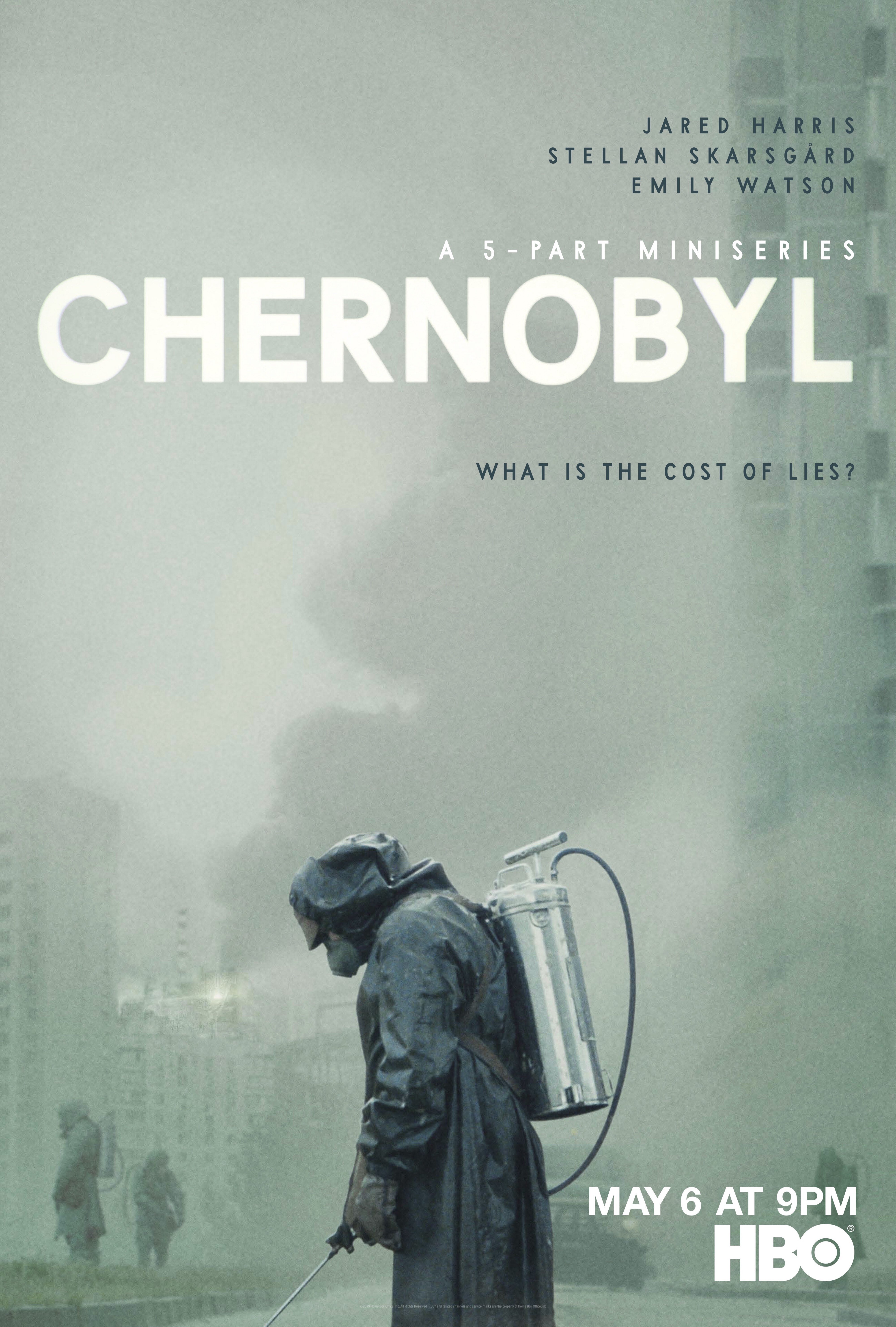
Chernobyl2019
The 100 imagines the world nearly a century after nuclear catastrophe; Chernobyl shows you the catastrophe itself, and the bureaucratic cowardice that caused it. Same radioactive wasteland mythology, but grounded in documented fact rather than speculative survival drama.
A five-episode miniseries of almost unbearable tension, told with total command of tone — it makes nuclear disaster feel newly, viscerally terrifying.
But Grim and true, with none of the adventure or romance — this is procedural tragedy, not escapism.
People
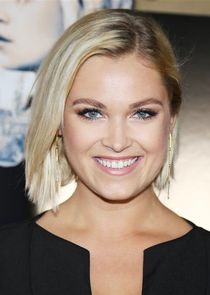
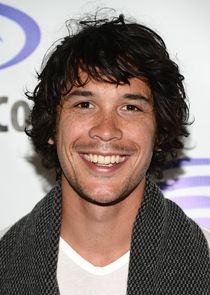
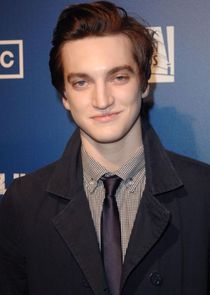
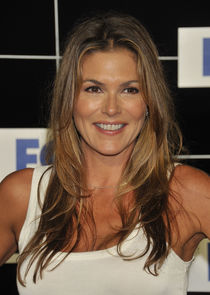
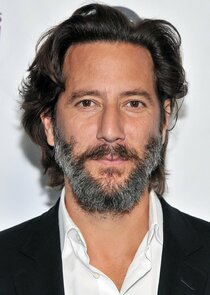
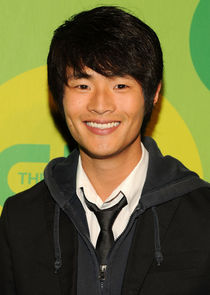
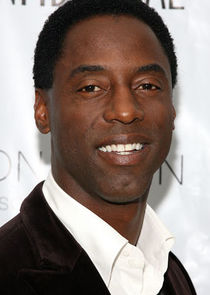
Cast





Writing
- Charmaine DeGratéExecutive Story Editor
- Heidi Cole McAdamsExecutive Story Editor
- Julie BensonExecutive Story Editor
- Miranda KwokExecutive Story Editor
- Shawna BensonExecutive Story Editor
- Charmaine DeGratéStory Editor
- Julie BensonStory Editor
- Shawna BensonStory Editor
Production
- Dieter IsmagilAssociate Producer
- Emanuel FidalgoAssociate Producer
- Aaron GinsburgCo-Executive Producer
- Bruce MillerCo-Executive Producer
- Charlie CraigCo-Executive Producer
- Dean WhiteCo-Executive Producer
- Drew LindoCo-Executive Producer
- Ed FraimanCo-Executive Producer
- Jae MarchantCo-Executive Producer
- James ThorpeCo-Executive Producer
- Javier Grillo-MarxuachCo-Executive Producer
- Jeff VlamingCo-Executive Producer
- Kim ShumwayCo-Executive Producer
- Michael AngeliCo-Executive Producer
- Morgan GendelCo-Executive Producer
- Ron MilbauerCo-Executive Producer
- Sean CrouchCo-Executive Producer
- Terri Hughes BurtonCo-Executive Producer
- Tim ScanlanCo-Executive Producer
- Wade McIntyreCo-Executive Producer
- Akela CooperCo-Producer
- Justine Juel GillmerCo-Producer
- Kira SnyderCo-Producer
- Miranda KwokCo-Producer
- Tim ScanlanCo-Producer
- Tracy A. BellomoCo-Producer
- Matthew MillerConsulting Producer
- Aaron GinsburgExecutive Producer
- Bharat NalluriExecutive Producer
- Cheryl DolinsExecutive Producer
- Dean WhiteExecutive Producer
- Ed FraimanExecutive Producer
- Elizabeth CraftExecutive Producer
- Gina GirolamoExecutive Producer
- Jason RothenbergExecutive Producer
- Jeff VlamingExecutive Producer
- Kim ShumwayExecutive Producer
- Leslie MorgensteinExecutive Producer
- Matthew MillerExecutive Producer
- Sarah FainExecutive Producer
- Wade McIntyreExecutive Producer
- Aaron GinsburgProducer
- Alyssa ClarkProducer
- Charles LyallProducer
- Dean WhiteProducer
- Erica MeredithProducer
- Georgia LeeProducer
- Heidi Cole McAdamsProducer
- Jae MarchantProducer
- Kim ShumwayProducer
- Kira SnyderProducer
- Miranda KwokProducer
- Rasheed NewsonProducer
- T.J. BradyProducer
- Tim ScanlanProducer
- Wade McIntyreProducer
- Aaron GinsburgSupervising Producer
- Alyssa ClarkSupervising Producer
- Charmaine DeGratéSupervising Producer
- Dean WhiteSupervising Producer
- Drew LindoSupervising Producer
- Justine Juel GillmerSupervising Producer
- Kira SnyderSupervising Producer
- Tim ScanlanSupervising Producer
- Wade McIntyreSupervising Producer
Recommended by
The Expanse, Battlestar Galactica, Lost, The Society, Silo, Under the Dome, Snowpiercer, Jurassic World: Camp Cretaceous, Colony, The Rain, The 5th Wave, Revolution, Curfew, The Host, Lost in Space, Star-Crossed