
Television series
Raised by Wolves
- AI and robot sci-fi
- Very dark
A science-fiction drama where two androids raise human children on a alien world, caught between their programming for rationalism and the arrival of religious zealots. Visually stunning and genuinely unsettling, it explores belief systems through cosmic horror and intimate family trauma. For viewers who want big ideas expressed through character rupture, not exposition.
Should you watch it?
Watch it if you like science fiction that treats belief as a weapon and family as a fragile experiment, and you don't mind being unsettled by its strangeness.
Skip it if you want clean, fast answers; it is dense, deliberately odd and often grim, and its mythology and religious arguments take patience before they pay off.
What it asks of you: Expect eighteen episodes of unhurried, heavy material, with violence and cold stretches that demand your full attention rather than background company.
Not sure? Find tonight's pick in a minute.
If you liked this
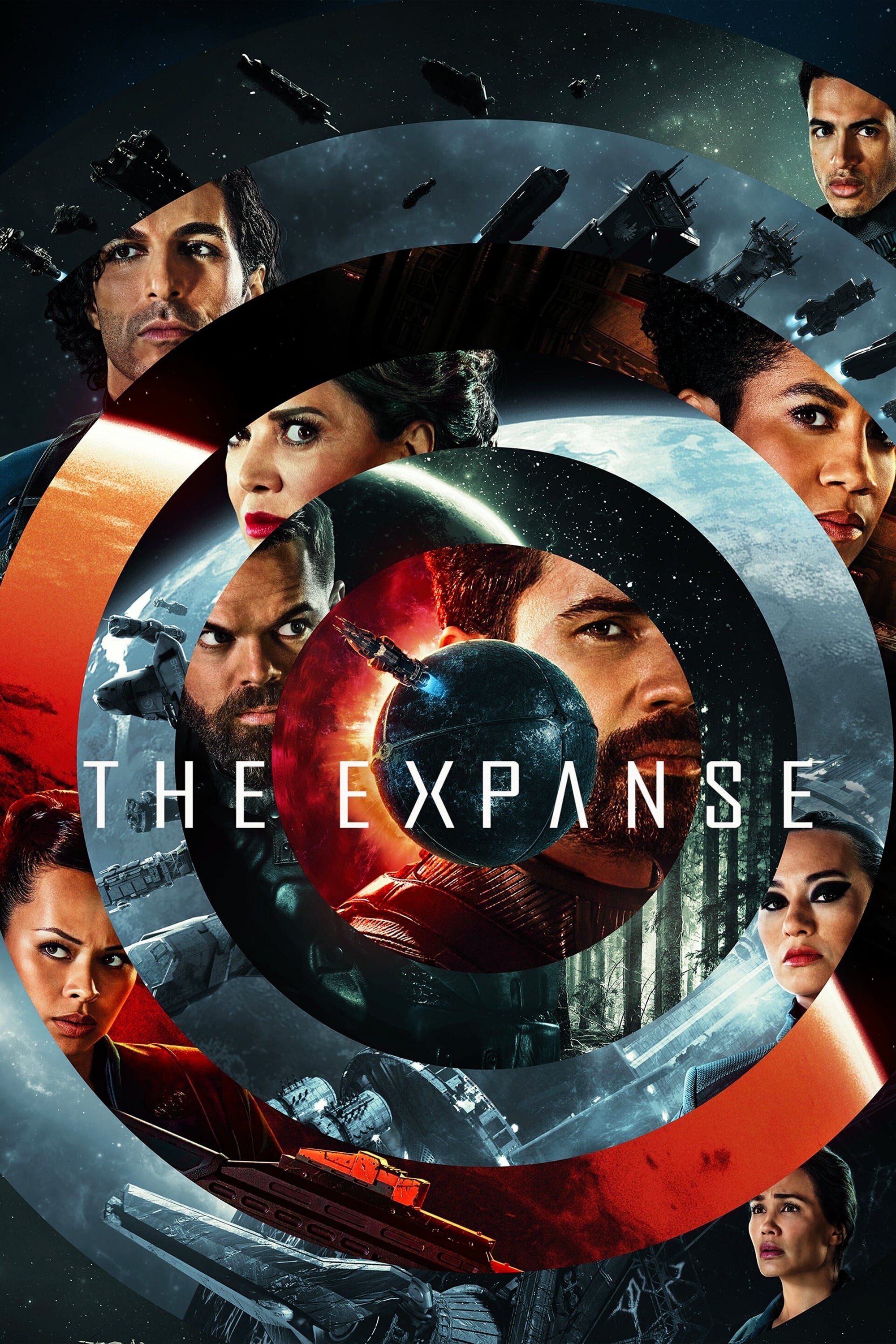
The Expanse2015
Hard sci-fi worldbuilding where competing ideologies (Earth, Mars, the Belters) create friction as compelling as any plot. Character-driven across years, with real consequences and moral complexity that deepens rather than simplifies.
But The first season's pacing stumbles; it takes until episode five to find its rhythm. Requires patience with procedural mystery beats before the larger engine kicks in.
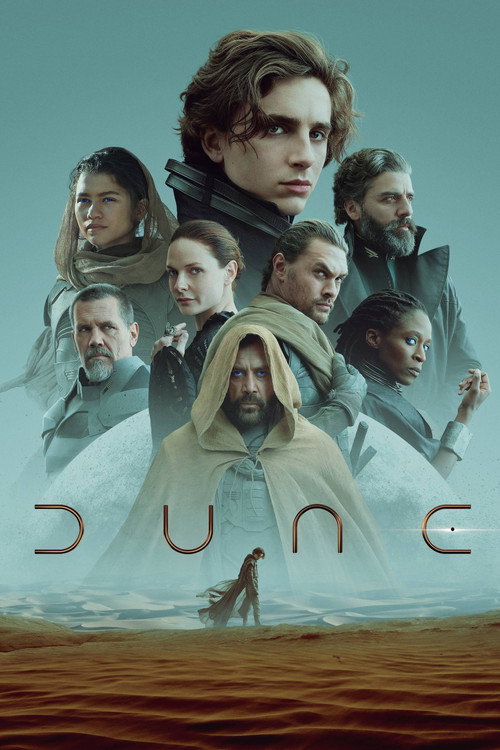
Dune2021
Denis Villeneuve's adaptation shares Raised by Wolves' obsession with how belief systems shape civilization. Visually overwhelming, thematically about the danger of religious certainty and chosen ones. A masterclass in making ideology feel dangerous.
But Three hours, deliberately slow, more visual and musical than plot-driven. The middle section is deliberately static—some find it meditative, others find it tedious.
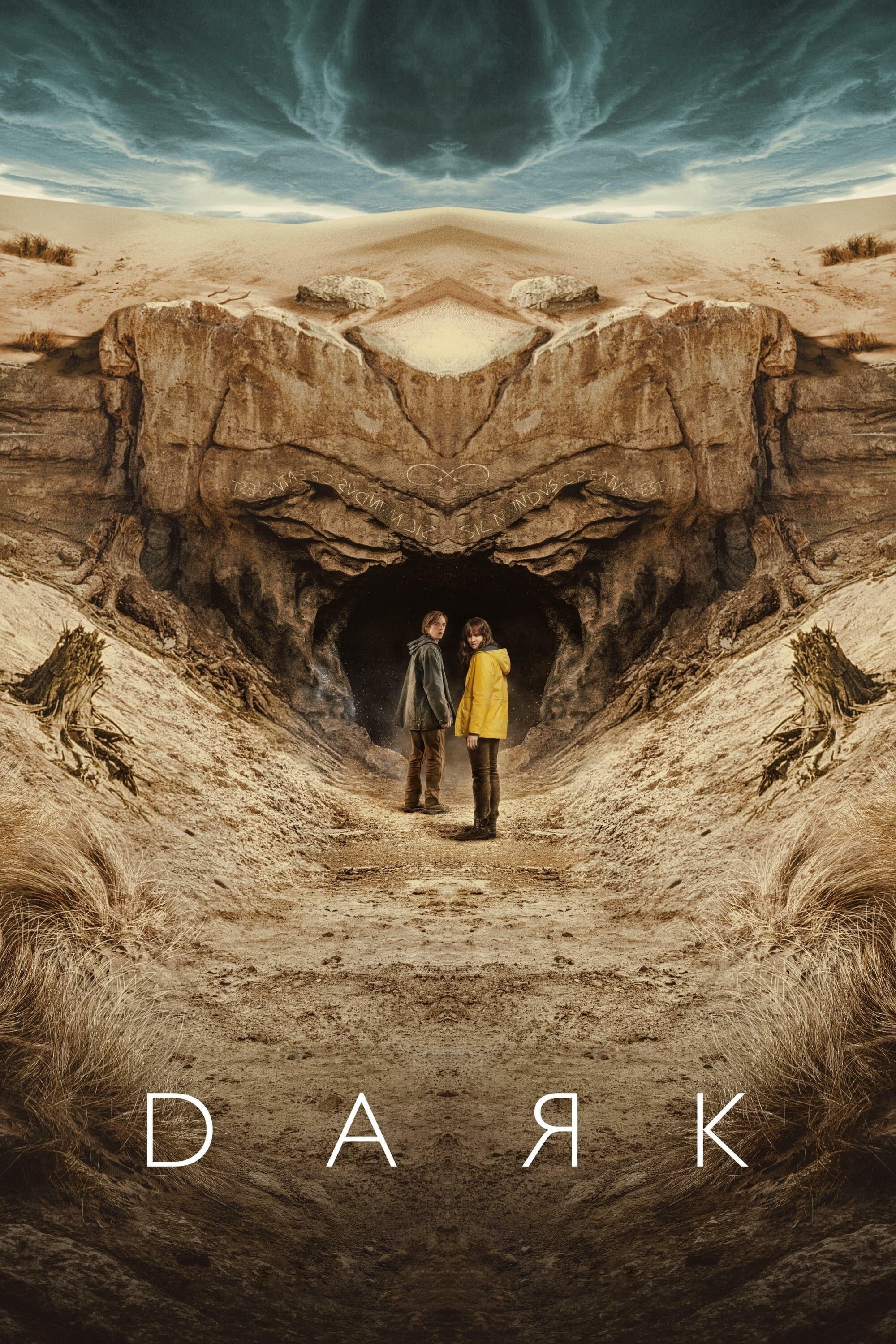
Dark2017
German sci-fi that trusts its audience completely. Multiple timelines and philosophical frameworks layer into something genuinely profound about fate, belief, and causality. Every episode matters and rewards attention across three perfect seasons.
But The narrative is deliberately labyrinthine; you need to track dozens of characters across decades. If you need to feel in control of the plot, you'll find it frustrating.
Not sure tonight? Get a pick in a minute, starting from Raised by Wolves
The wildcard
Something you would not have found on your own.
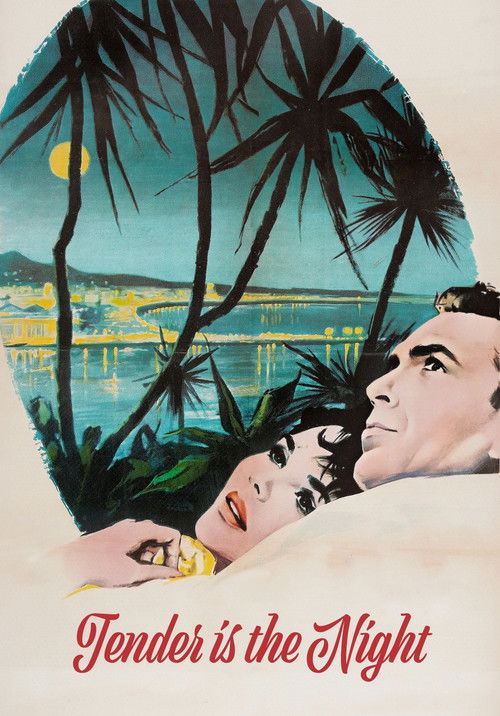
Tender Is the Night1962
Both examine authority figures raising or controlling others (therapist/patient, parent/child) and how that relationship warps under pressure. Both are about the horror of loving something you're destroying.
A British miniseries adaptation of Fitzgerald's novel about a psychiatrist and his wife's slow psychological unraveling on the French Riviera. Claustrophobic, gorgeous, and deeply about how two people can lose each other while remaining married. Tragedy without spectacle.
But Extremely slow; nothing explodes except slowly from within. If you need external plot momentum, this meditative dissection of a relationship will feel like watching grass die.
More like this (7)
Battlestar Galactica2003
Explores religion, technology, and survival with seriousness Raised by Wolves clearly learned from. Spans four seasons of escalating moral complexity where no faction is simply right. The show asks what humanity is when everything else is stripped away.
But Uneven after season two; later seasons chase mythology instead of character. Some arcs drag, and the ending divides viewers sharply on whether it earned its metaphysical turn.
Arrival2016
A film about communication with aliens that becomes about language, time, and sacrifice. Operates on pure emotional and intellectual resonance rather than spectacle. Haunting in the way Raised by Wolves haunts.
But Slower than its marketing suggests. If you need action or resolution spelled out, the ending's abstraction may feel evasive rather than profound.
The Leftovers2014
Examines belief and faith in a world where certainty collapses. Uses surrealism and genre-bending to explore grief as a theological crisis. Wildly ambitious and deeply felt across three seasons.
But Relentlessly bleak for long stretches. The show demands emotional investment before payoff, and some episodes feel deliberately punishing rather than rewarding.
Prometheus2012
Ridley Scott's film about humans seeking their creators carries similar themes of belief versus evidence. Visually baroque, philosophically ambitious, and willing to let answers remain ambiguous. Divisive precisely because it respects the questions too much.
But Clunky dialogue and logic gaps frustrate many viewers. The plot bends to thematic concerns rather than narrative coherence, which can feel more pretentious than profound.
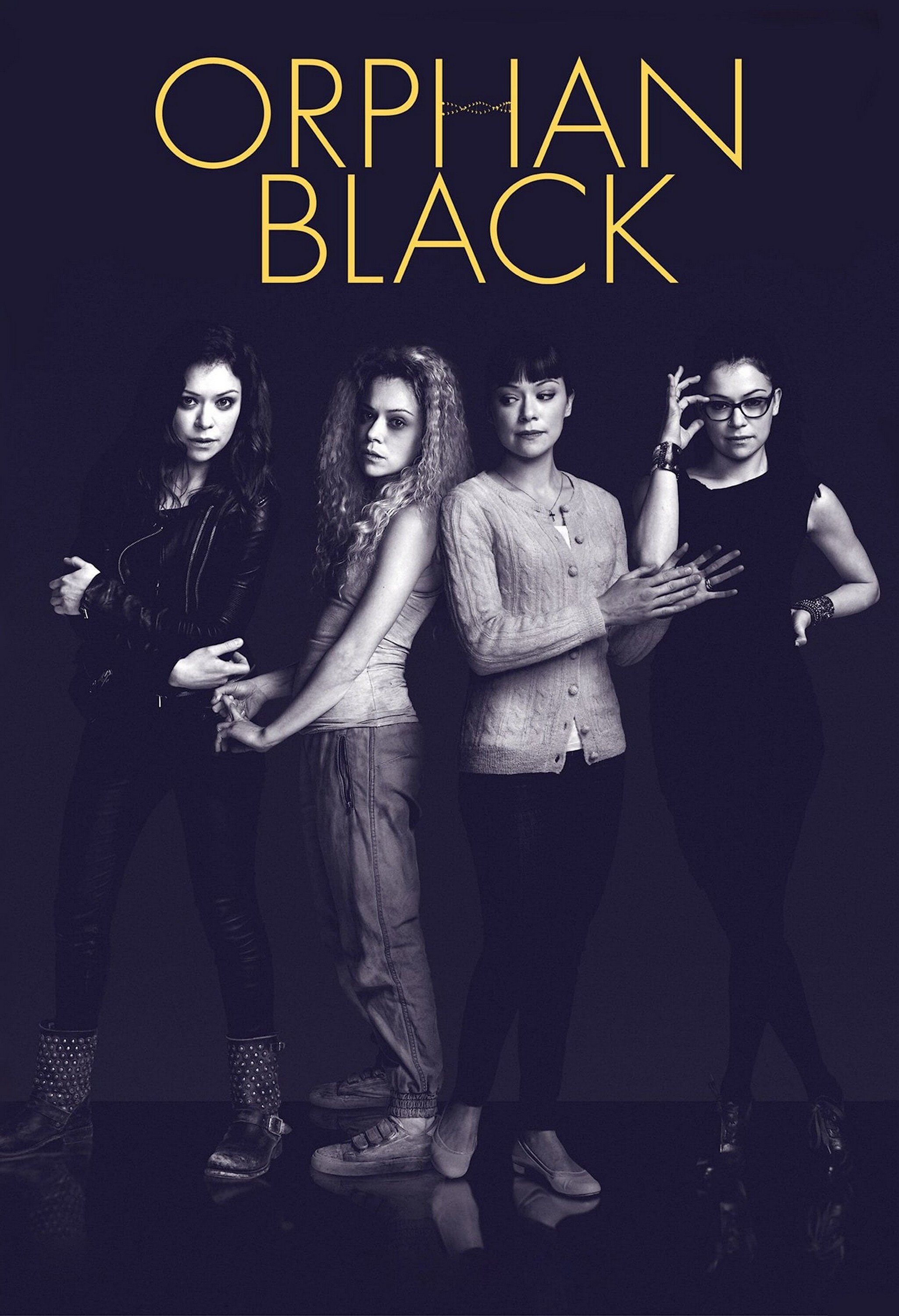
Orphan Black2013
Uses clones and identity as a lens for bodily autonomy, faith, and control. Tatiana Maslany's performance across multiple characters is virtuosic. Explores creation and purpose with genuine emotional weight alongside propulsive storytelling.
But Veers toward soap-opera plotting in the final seasons. The mythology expands past what the narrative structure can hold; some threads feel abandoned rather than resolved.
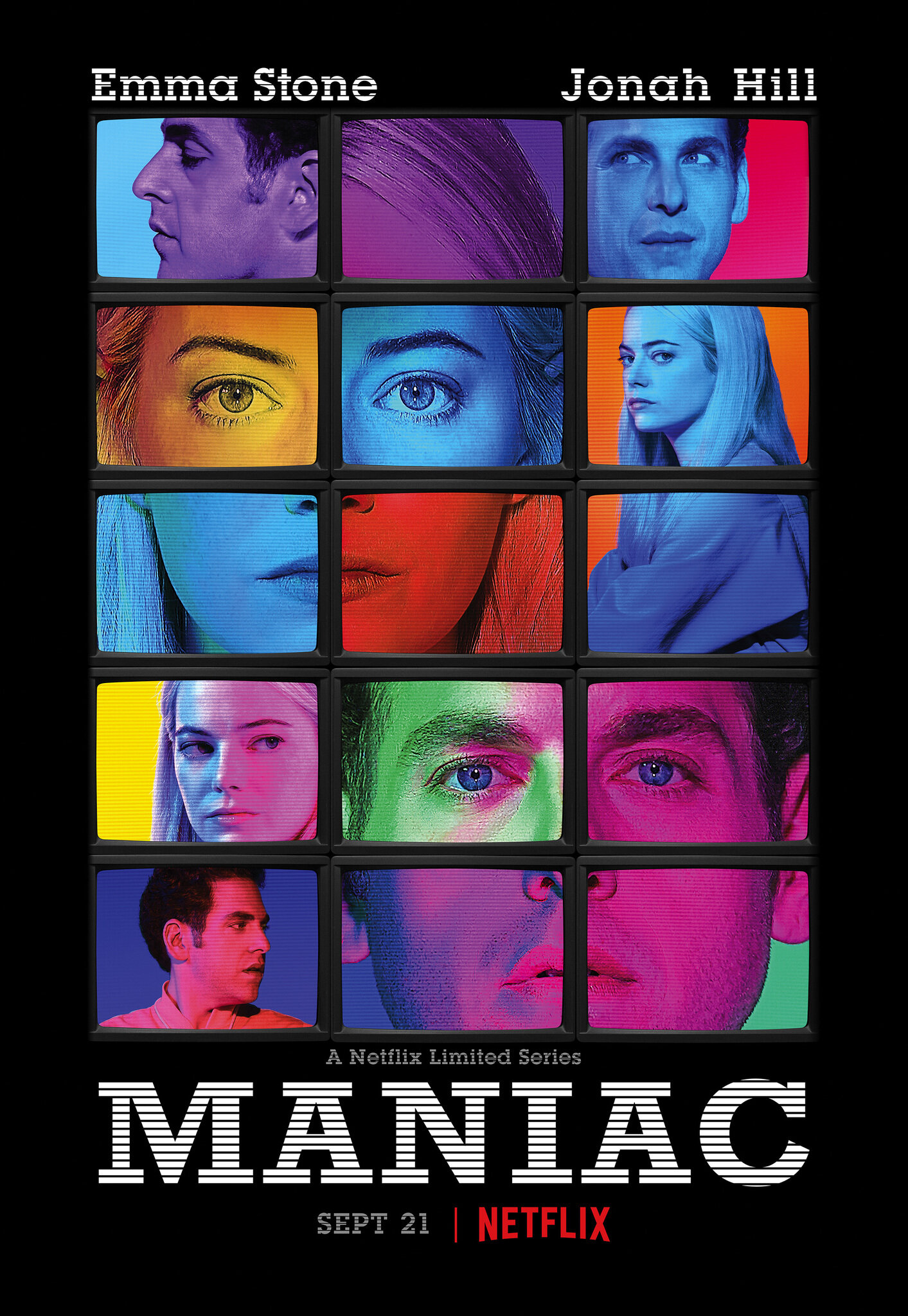
Maniac2018
A miniseries about two strangers in an experimental drug trial, unraveling reality, identity, and what it means to believe in another person. Visually playful but emotionally sincere. A complete thought in ten episodes.
But Genre-hopping and tonal shifts mean it never settles; some find it refreshing, others find it scattered and frustratingly incomplete in its ambitions.
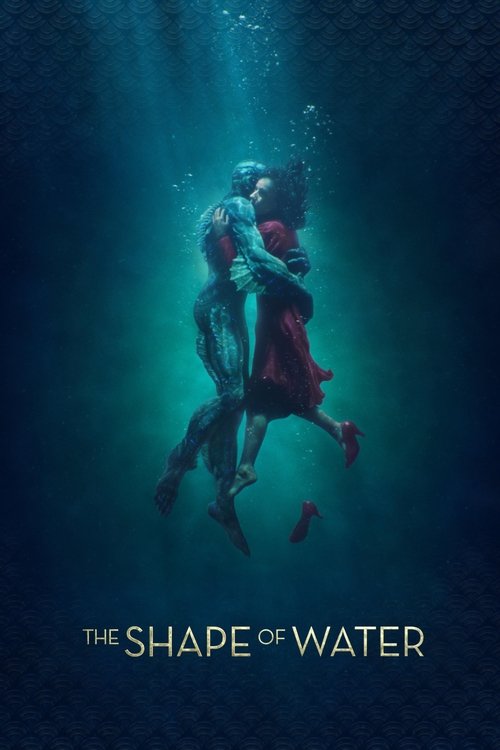
The Shape of Water2017
Both feature non-human entities as the moral center, teaching humans what compassion means. Both ask: what if the thing that should terrify us is actually the thing that saves us?
Guillermo del Toro's Cold War fairy tale about a mute woman and an amphibian creature: a gentle, strange meditation on connection across species barriers. Uses fantasy to say what realism can't—about isolation, otherness, and radical acceptance.
But Built entirely on whimsy and mood; if you need logic in your creature-feature, the film's dreamlike insistence on feeling over function will frustrate you.
People
Cast


Writing
- Aaron GuzikowskiCreator
Production
- Heather BellsonCo-Executive Producer
- Karen CampbellCo-Executive Producer
- Chris CheramieCo-Producer
- Teresa KellyCo-Producer
- Abby ExConsulting Producer
- Aaron GuzikowskiExecutive Producer
- Adam KolbrennerExecutive Producer
- David W. ZuckerExecutive Producer
- Jordan SheehanExecutive Producer
- Mark HuffamExecutive Producer
- Ridley ScottExecutive Producer
- Robyn MeisingerExecutive Producer
- Jon KuyperProducer
Recommended by
Lanterns, Fallout, Snowpiercer, Prometheus, Avenue 5, The Power, Titans, Him & Her, Pantheon, Peacemaker, Scavengers Reign, Caprica, Humans, Damnation, The Unlisted, The Overstory, Extant, Painted Skin: The Resurrection, The Ark, 28 Years Later: The Bone Temple