
Film
Damnation
Other titles called Damnation: the 2014 film, the 2017 series (USA Network).
- Drama
- Very dark
- Slow-burning
A Hungarian noir about a man trapped in grey despair, nursing an impossible love in the smoky haze of a provincial bar. Béla Tarr's breakthrough film moves like a fever dream—slow, hypnotic, visually stunning in its ugliness. For anyone who finds beauty in hopelessness and doesn't need a plot to justify watching a master at work.
If you liked this
The Third Man1949
Carol Reed's Vienna is as fatalistic and corrupted as Tarr's Hungary. A man searches for a friend in a city of shadows and betrayal, where love and morality are luxuries nobody can afford. The same doomed romanticism, the same moral quicksand.
But It's a British postwar thriller made 40 years before Damnation, so the style feels historical now. If you want contemporary cinema, this will feel like watching through glass.

In the Mood for Love2000
Wong Kar-wai photographs longing the way Tarr photographs despair. Two neighbours fall in love in 1960s Hong Kong, but the film is less about passion than the ache of never being able to touch what you want most. It's cinema as a sigh held for two hours.
But Gorgeously slow and repetitive by design. If you need plot momentum or dialogue to keep you engaged, this will feel like drowning in velvet.

Stalker1979
Tarkovsky's metaphysical journey into a mysterious zone mirrors Damnation's exploration of yearning and spiritual emptiness. Both films trust silence and landscape to do the emotional work. Long, meditative, about the cost of desire and the impossibility of change.
But 163 minutes of philosophical science fiction. It moves at the speed of thought, not plot. Requires patience that most viewers haven't trained for.

Not sure tonight? Get a pick in a minute, starting from Damnation
The wildcard
Something you would not have found on your own.
The Ascent1977
Both use landscape and silence to explore moral collapse and the impossibility of redemption. Both are about men stripped of everything, including hope. Both understand that despair can be beautiful when filmed honestly.
Andrei Konchalovsky's Soviet film follows two resistance fighters through a frozen landscape during WWII, hunted, starving, and slowly losing their grip on faith and morality. Like Damnation, it's a spiritual descent filmed as physical journey. Black and white, hypnotic, about the cost of principle in a world that punishes it.
But Soviet cinema from the 70s, which means it's slow, philosophically dense, and offers no comfort. The pacing and the historical distance may feel impenetrable on first viewing.

More like this (8)
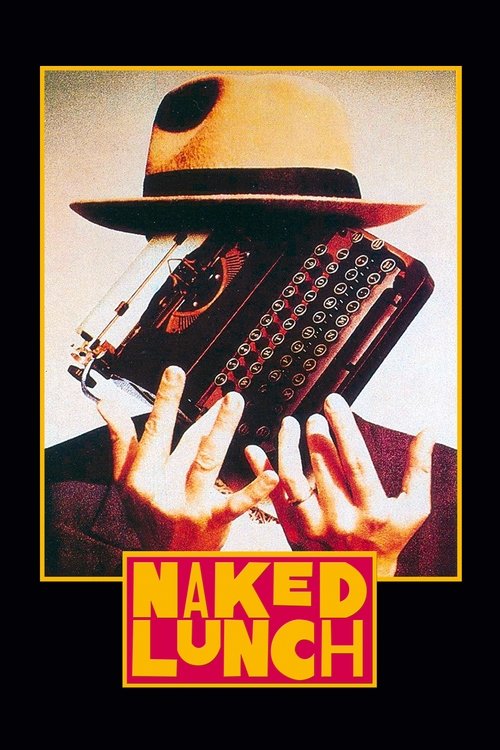
Naked Lunch1991
Cronenberg's adaptation of the unadaptable is also about a man in free fall through a nightmarish landscape, seeking meaning in addiction and desire. Both films refuse to separate dream from reality. Hallucinatory, transgressive, deeply unsettling in ways that feel true.
But It's deliberately incoherent and grotesque. If you need narrative logic or conventional beauty, it will feel like being inside someone else's fever without anaesthetic.
Raised by Wolves2020
Ridley Scott's HBO series has Tarr's visual density and his sense that civilization is one bad decision away from collapse. Two androids raise human children on a hostile planet. It's bleak, gorgeous, operatic, and obsessed with what people will destroy in the name of faith.
But Cancelled after two seasons. The ending won't satisfy anyone. If you hate unresolved stories, don't start.

Come and See1985
Elem Klimov's Soviet masterpiece is about a boy conscripted into the horrors of war. Like Damnation, it's a descent into a hell that's both literal and psychological. Brutal, unflinching, one of the greatest war films ever made—but it's not entertainment.
But It's a trauma document. Some viewers find it genuinely harmful to watch. The violence is historical but devastating. Not a night out; a reckoning.

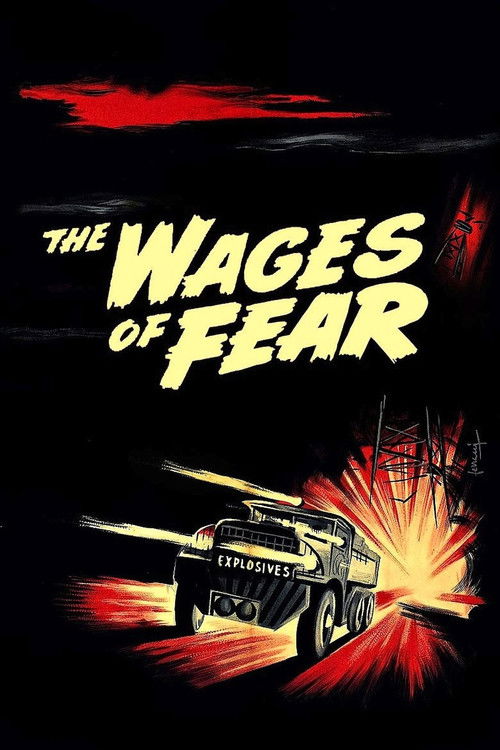
The Wages of Fear1953
Clouzot's thriller about four men driving nitroglycerin across South America captures the same suffocating dread and moral compromise as Damnation. Desperation pushes men into impossible situations. The atmosphere thickens with every mile.
But The pacing is deliberate and the stakes are internal as much as external. If you want action, the long stretches of tension with no payoff will frustrate you.
The Turin Horse2011
Also Tarr, and a natural next step after Damnation—his final film, shot in black and white, about the last days before the end of the world. A man and a woman, a horse, endless repetition, cosmic indifference. It's Damnation refined to its essence: futility as philosophy.
But At 146 minutes of relentless bleakness with almost no relief, it's punishing. Even Tarr fans find it exhausting. Watching it feels like an endurance test.

A Prophet2009
Jacques Audiard's prison drama about a young man ground down by the system, learning to survive through violence and compromise. Like Damnation, it's about how circumstances trap you and slowly corrupt your soul. Propulsive, intelligent, morally complex.
But It's a French-language prison film that's nearly two and a half hours. Some viewers find the pace slow for what is ostensibly a crime drama. Subtitles required.

The Wrestler2008
Both films center on a man incapable of change, pursuing something that will harm him, in an environment that profits from his desperation. Both are love stories about the things we wreck ourselves for. Both are filmed with dignity for people society has discarded.
Darren Aronofsky's film of Mickey Rourke as an aging wrestler is about a man clinging to the only thing that makes him feel alive, even as it destroys him. Like Damnation, it's unglamorous, compassionate toward its broken protagonist, and refuses to look away from degradation. Rowan Atkinson in a devastating dramatic role.
But It's relentlessly depressing and offers no redemption. If you need characters to learn and grow, this will feel like watching someone fall without hitting bottom, because they never do.

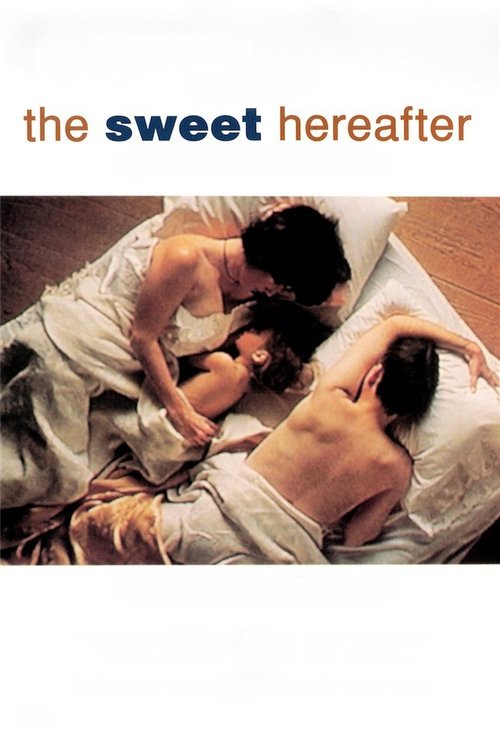
The Sweet Hereafter1997
Both use a crime or transgression to explore the gap between what people say they want and what they're actually willing to do. Both are about how desperation corrupts language itself. Both find their deepest power in restraint and what's left unsaid.
Atom Egoyan's film about a small Canadian town destroyed by a school bus accident is narrated by a lawyer chasing a lawsuit. Like Damnation, it's structured as a mystery about desire and blame, where the real story is about how people rationalize their own complicity. Grief and rage masked as legal procedure. Absolutely devastating.
But The narrative is fragmented and non-linear. You're watching the same events refracted through multiple perspectives, which can feel obscure. It requires active attention and doesn't telegraph its emotional beats.
People
Cast
 Székely B. MiklósKarrer
 György CserhalmiSebestyén
- Vali KerekesThe Singer
 Gyula PauerWillarsky
 Hédi TemessyCloakroom Attendant

Directing
- Ágnes HranitzkyAssistant Director
- János HollósAssistant Director
- József MezöAssistant Director
- Béla TarrDirector
Writing
- Béla TarrWriter
- László KrasznahorkaiWriter
Production
- József MarxProducer