
Television series
Star Trek
The original 1966 series that invented the shape science fiction television would take for decades: a five-year mission, a tight command triangle, and a fresh moral puzzle every week dressed up in aliens, rubber masks, and startling sincerity. It's cheap-looking by modern standards and gloriously earnest — a show that believed reason and decency could actually save the day, and mostly convinced you too.
If you liked this
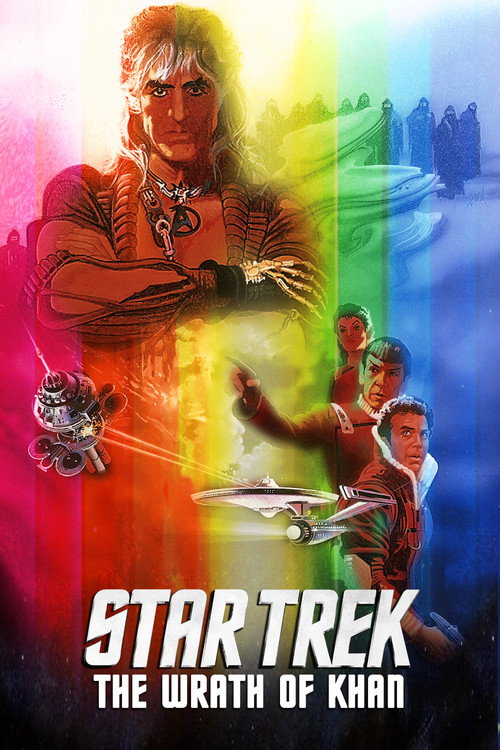
Star Trek II: The Wrath of Khan1982
The direct sequel that finally gives Kirk a villain worthy of him and turns the show's optimism into genuine tragedy. Everything TOS did well, sharpened into two tight hours.
But It leans on decades of accumulated history for its emotional gut-punch, so newcomers miss a good chunk of the weight.
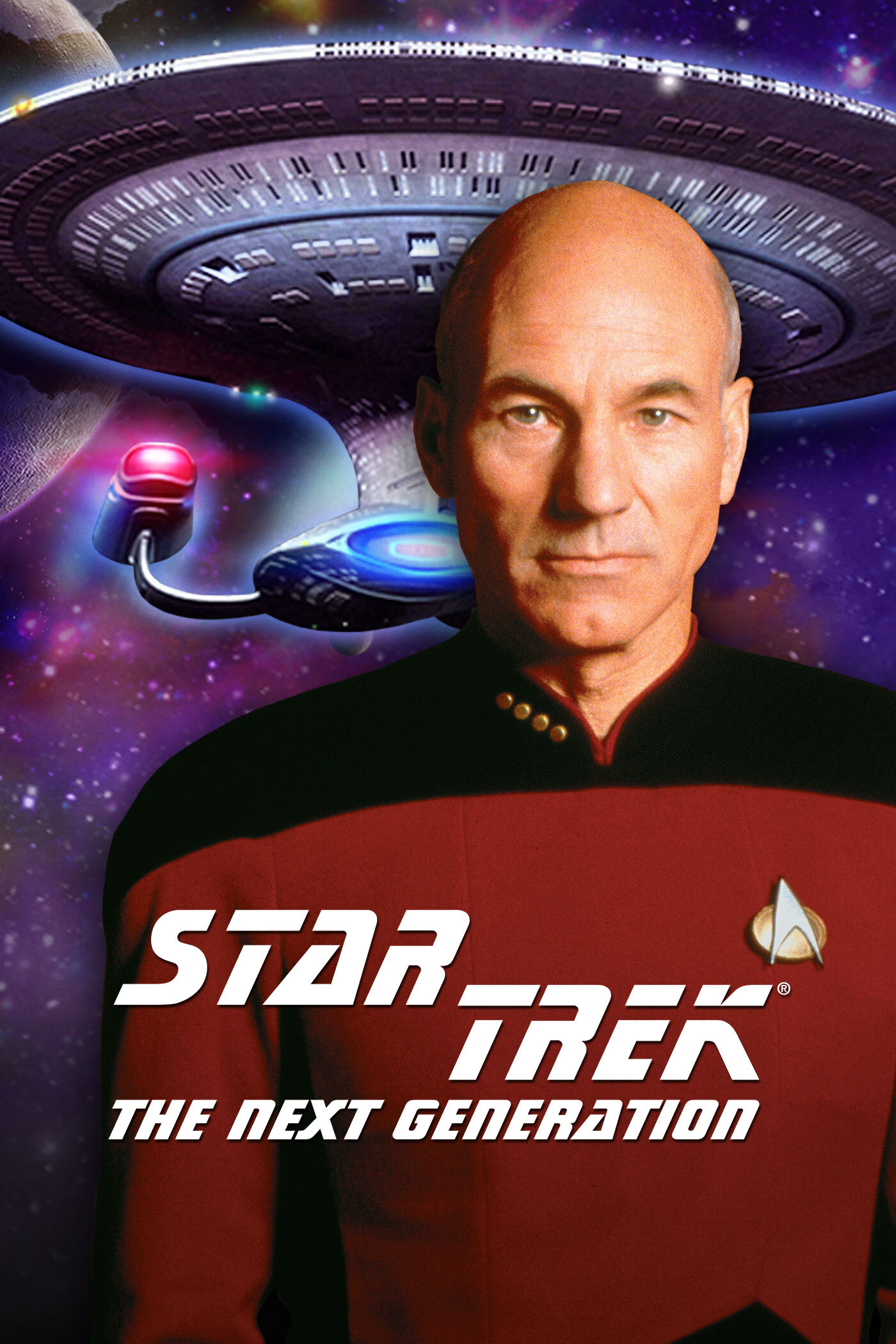
Star Trek: The Next Generation1987
Picks up the same hopeful vision decades later with a bigger budget and a crew that argues philosophy as often as they fire phasers. The natural next stop if you want more exploration.
But Slower pacing and a stiffer captain take a season or two to click; the first year is rough going.
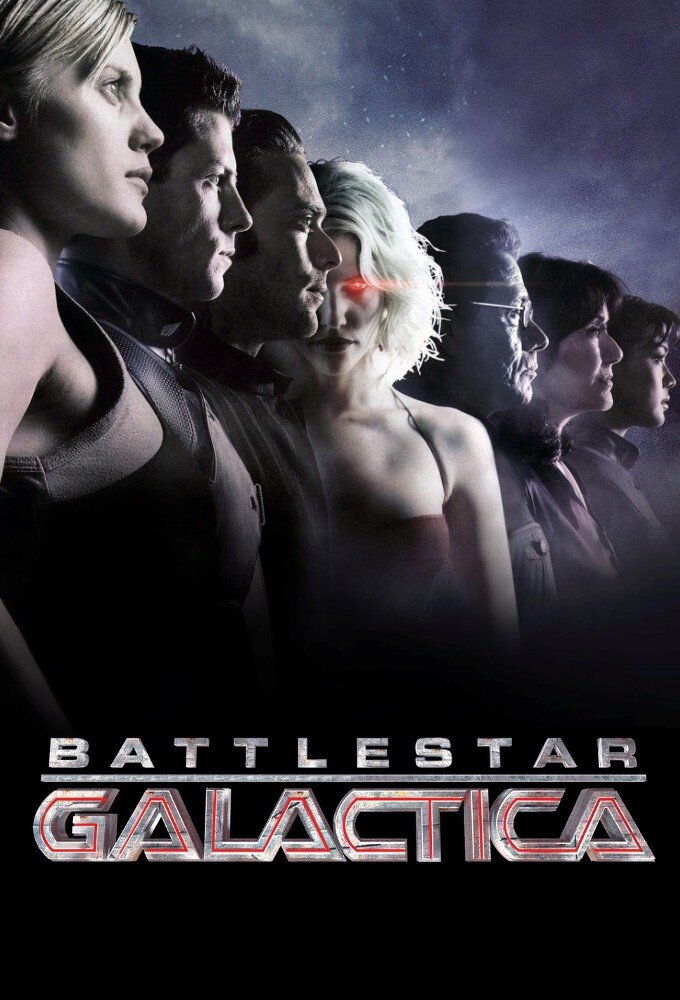
Battlestar Galactica2003
The same command-deck ensemble and big ethical questions, but pushed into grim wartime survival instead of hopeful exploration — a fascinating dark mirror.
But Relentlessly bleak where Trek is hopeful; if you watched Trek for comfort, this offers none.
The wildcard
Something you would not have found on your own.
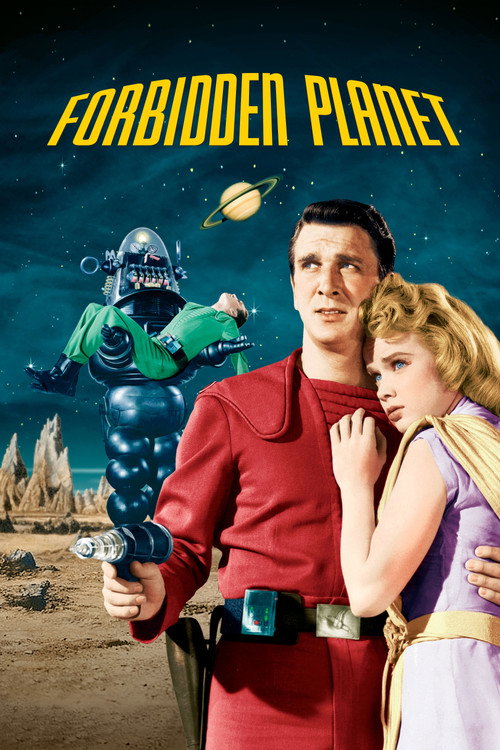
Forbidden Planet1956
Roddenberry openly borrowed its ship design, its command-crew shape, and its central idea — that the real monster is what civilisation represses — for the show he'd pitch a decade later.
The MGM film that handed Star Trek half its DNA — matte-painted alien worlds, a rational captain, a monster born of repressed psychology, all wrapped around a Shakespeare plot.
But 1950s pacing and acting are stiff by any modern measure, and the effects, however clever, look their age.
More like this (8)
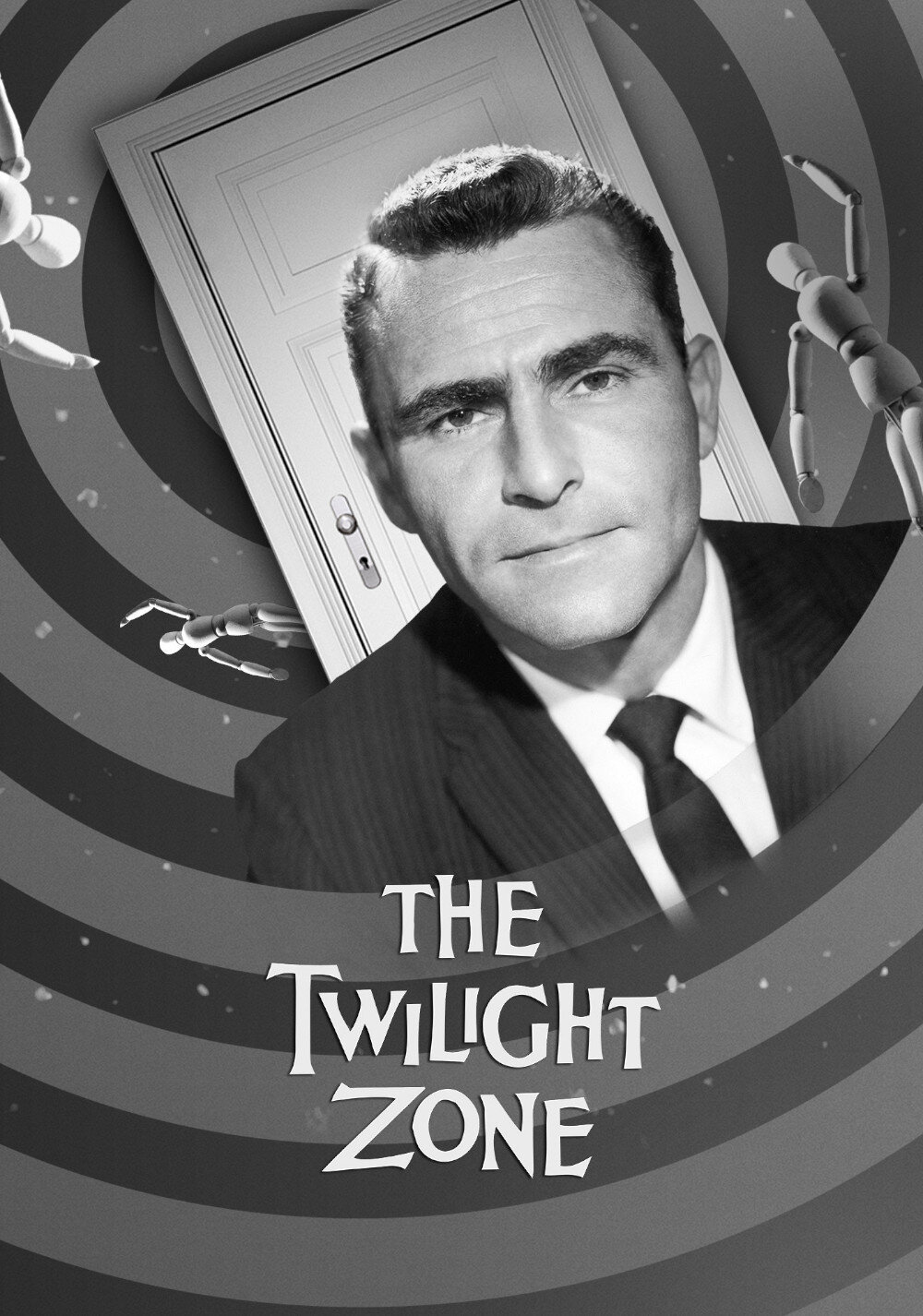
The Twilight Zone1959
Same era, same appetite for using science fiction as a moral parable machine — half-hour doses of the imagination and conscience that fed Trek's best episodes.
But No continuing characters or arcs; if you came for Kirk and Spock's chemistry, it isn't here.
Babylon 51993
Trades the episodic morality play for a genuinely serialized space opera, with long-game politics and alien cultures built with real patience and care.
But Early-90s effects and acting are shakier than the ambitious writing deserves; it asks for patience.
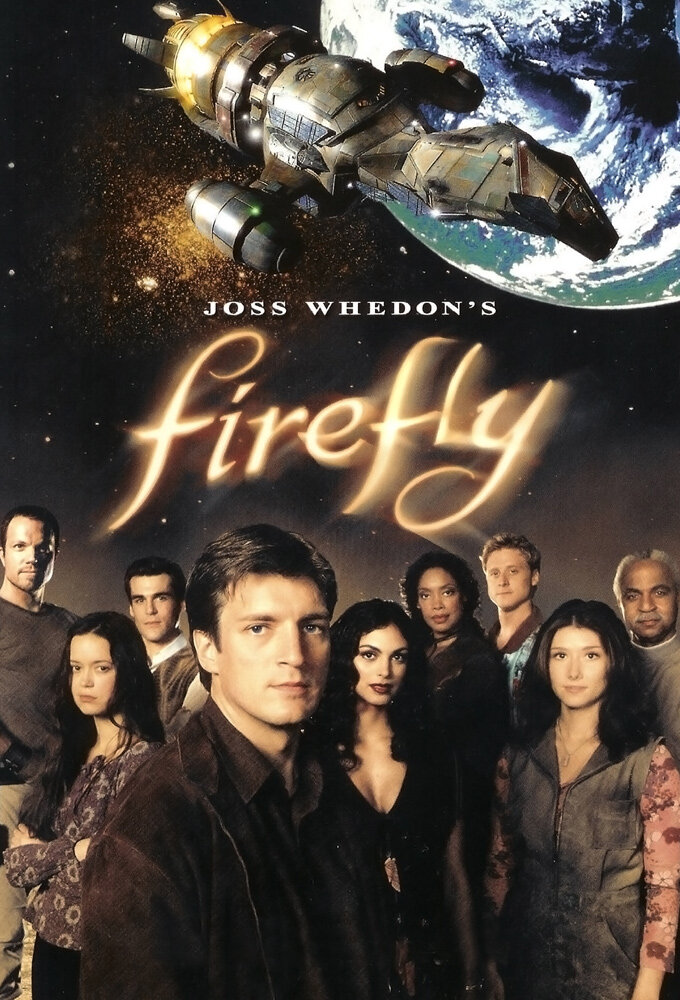
Firefly2002
A scruffier, funnier ship's crew adventure with the same appetite for banter, moral grey areas, and a captain who talks his way out of anything.
But Cancelled after one season, so the ride ends abruptly with threads left dangling.
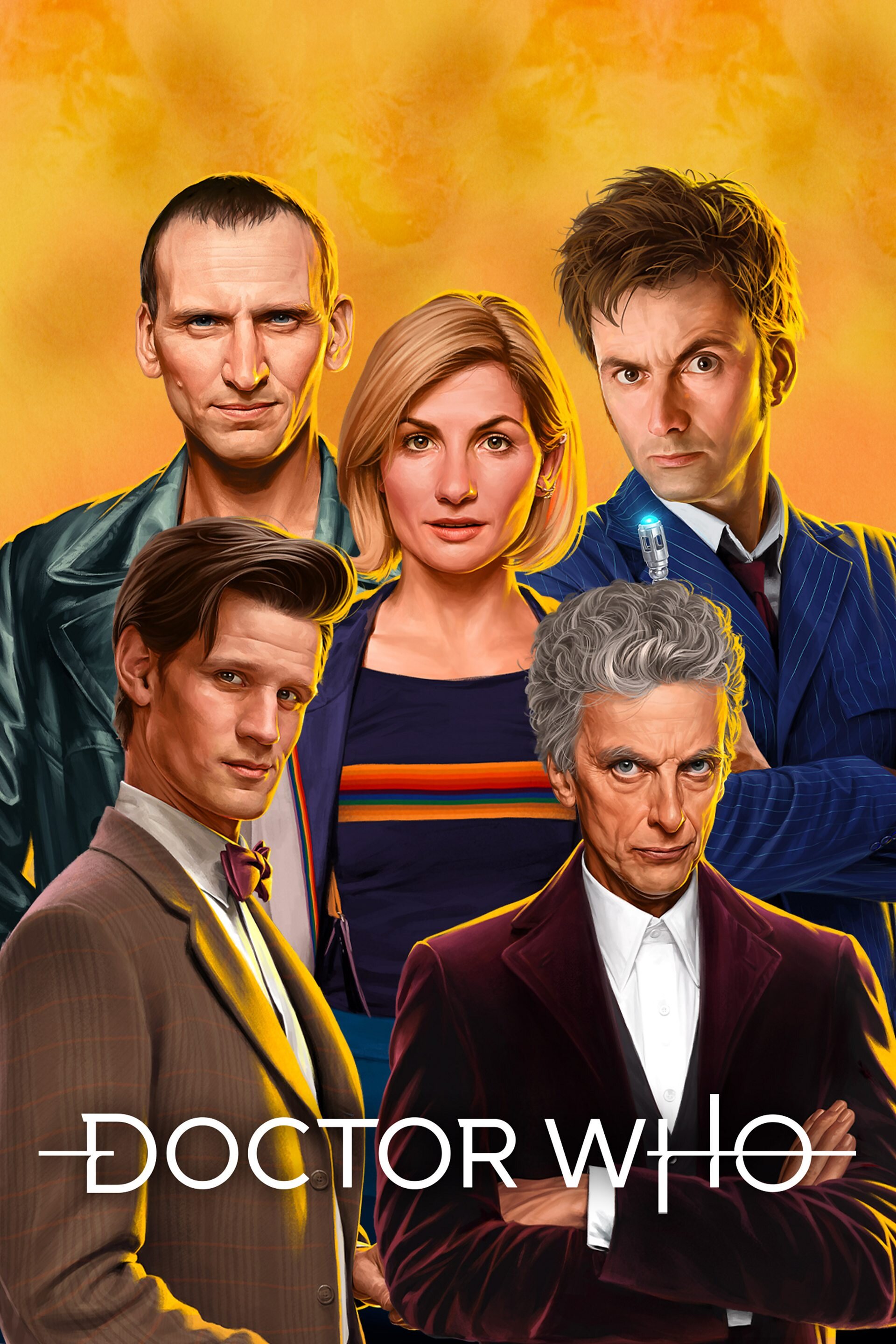
Doctor Who2005
Britain's own episodic exploration show, running even longer, with the same restless curiosity and willingness to be silly and profound in the same episode.
But Decades of continuity and regenerating leads can be daunting; tone and quality swing wildly across eras.
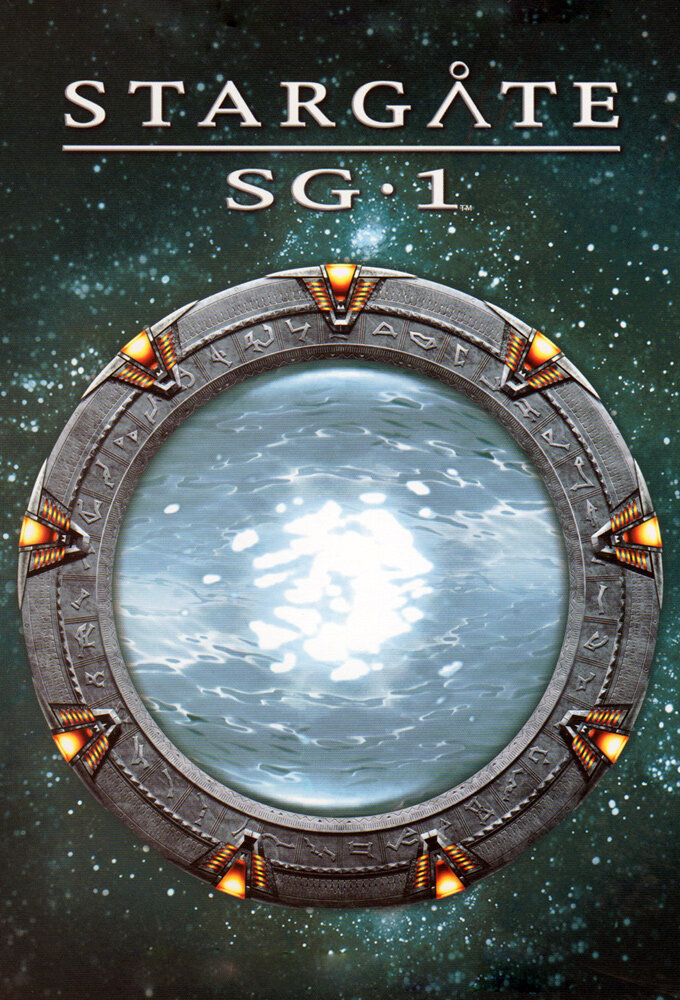
Stargate SG·11997
A team exploring new worlds every week with a similar mix of pulpy adventure, banter, and the occasional genuinely moving idea.
But Leans pulpier and less philosophically ambitious; comfort food rather than a statement.
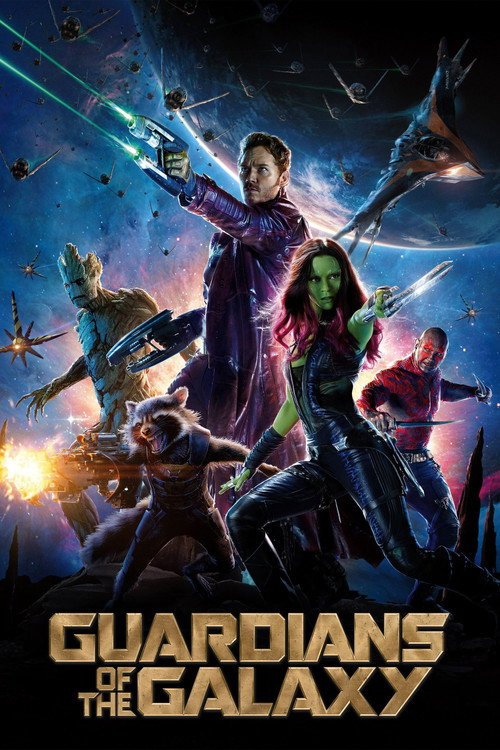
Guardians of the Galaxy2014
If you want the fun, colourful, quippy end of space adventure with a found-family crew bickering their way across the galaxy, this scratches that itch.
But Pure blockbuster spectacle with none of Trek's philosophical ambition or utopian politics.
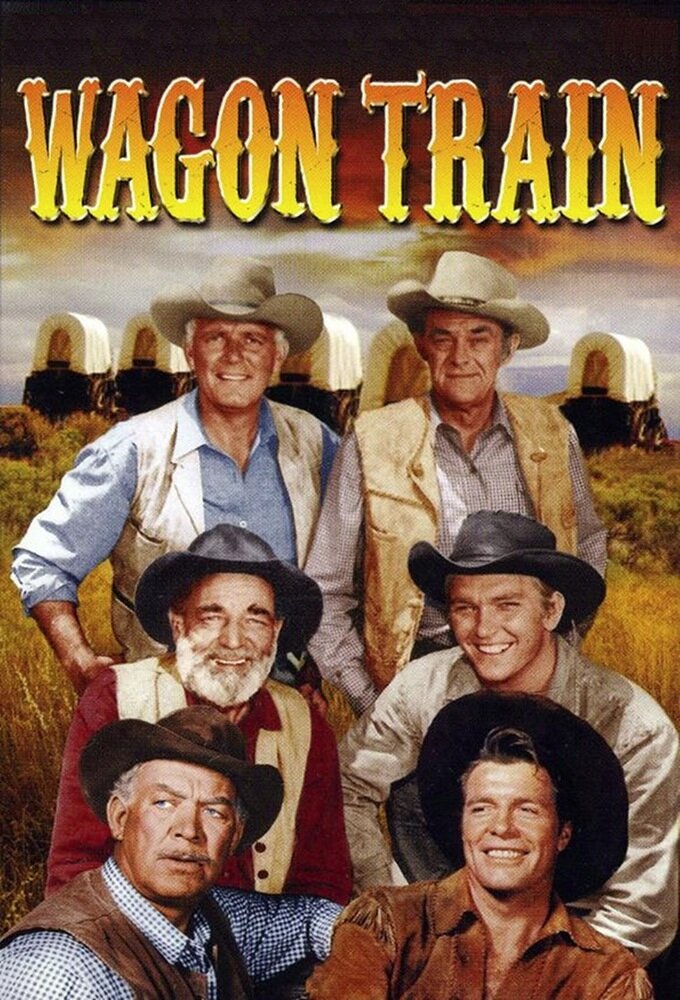
Wagon Train1957
Roddenberry literally sold the show to network executives as this Western relocated to space — same episodic frontier structure, same weekly encounter with strangers who force the leads to choose what kind of people they are.
The exact show Roddenberry pitched Star Trek as — 'Wagon Train to the stars' — a wagon train of settlers meeting a new moral dilemma and a new set of strangers every single week.
But It's a straight Western with no science fiction at all; you have to squint to see the structural echo.
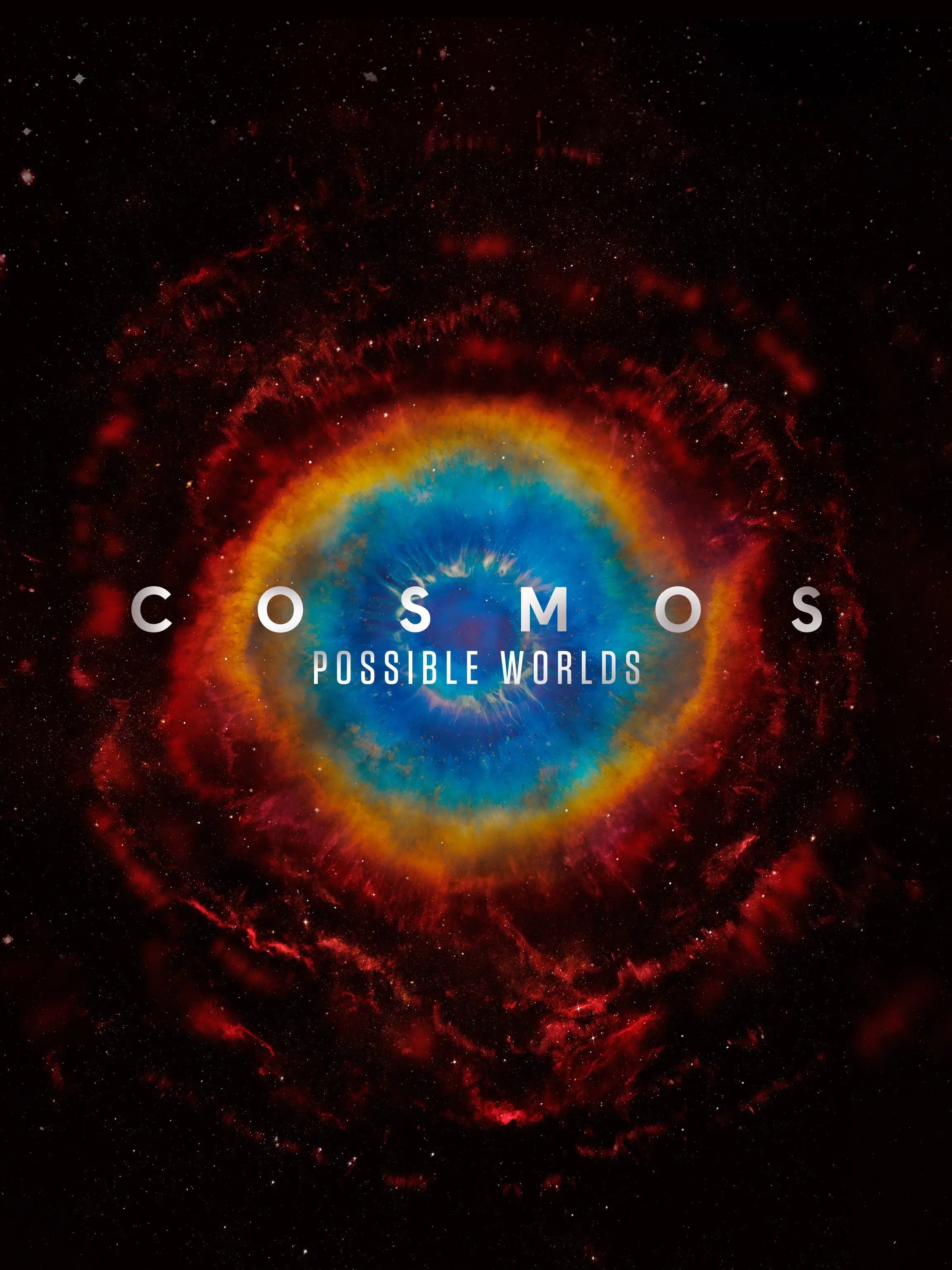
Cosmos1980
Sagan and Roddenberry were kindred spirits, both selling the idea that curiosity and reason, not conquest, are how humanity should meet the unknown — Sagan just did it with real telescopes instead of a soundstage.
Carl Sagan turns the actual universe into the kind of wonder-filled, morally serious journey Star Trek only pretended to take — real science delivered with the same hopeful humanism.
But It's a documentary with no plot and no characters, just long stretches of quiet narration over telescope footage.
People
Cast

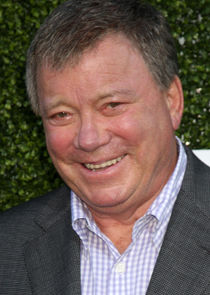
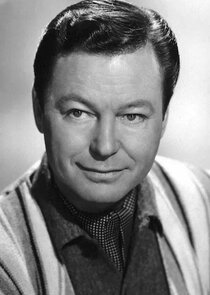
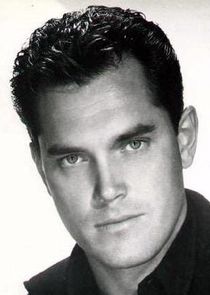
Directing
- Gene DeRuelleAssistant Director
- Gil KisselAssistant Director
Writing
- Gene RoddenberryCreator
Production
- Byron HaskinAssociate Producer
- Edward K. MilkisAssociate Producer
- Gregg PetersAssociate Producer
- John D.F. BlackAssociate Producer
- Robert H. JustmanAssociate Producer
- Robert H. JustmanCo-Producer
- Gene RoddenberryExecutive Producer
- Fred FreibergerProducer
- Gene L. CoonProducer
- Gene RoddenberryProducer