
Television series
Wagon Train
Wagon Train ran eight seasons and told a mostly new story every week, using a westbound caravan as a frame to drop a fresh guest star and a fresh crisis onto the trail while Major Adams and scout Flint McCullough kept the wheels turning. It's unhurried, episodic, communal television, built for people who want a western about strangers passing through rather than one hero's arc.
If you liked this
Rawhide1959
Same anthology engine as Wagon Train but on a cattle drive instead of a wagon trail, with a young Clint Eastwood as the trail boss learning his trade. If you loved the format, this is its purest sibling.
But Even more repetitive premise across hundreds of episodes, and surviving prints can look rough by modern standards.
Gunsmoke1955
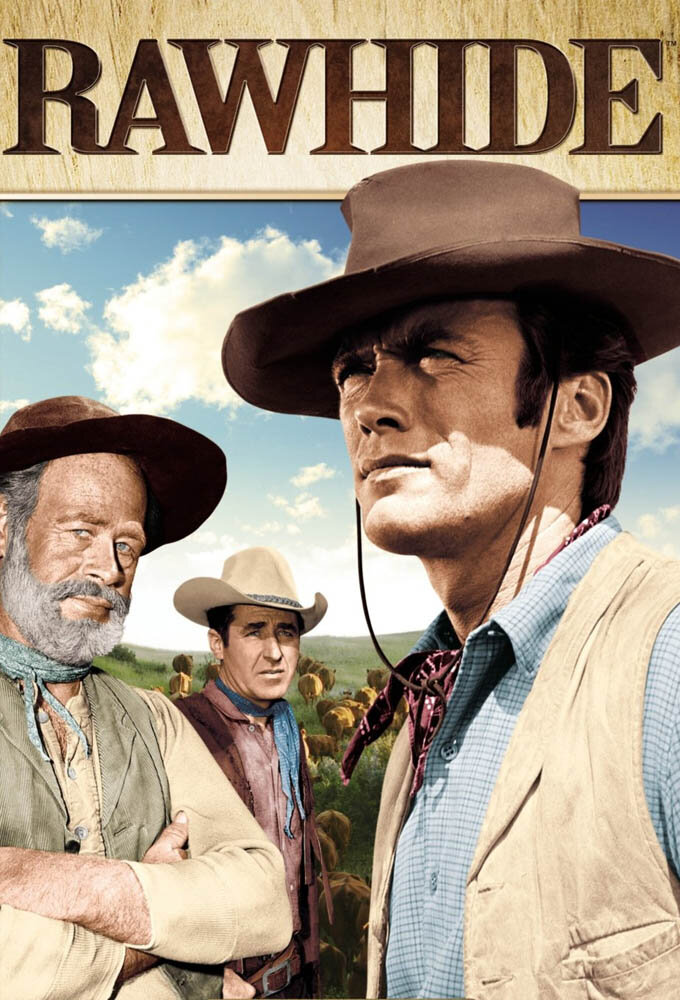
The other titan of the era, running twenty seasons in Dodge City with the same moral seriousness and patient pace Wagon Train had, just anchored to one town instead of a moving line of wagons.
But It's a marshal show, not a journey show, so you lose the variety of scenery and circumstance that made Wagon Train restless.
The Virginian1962
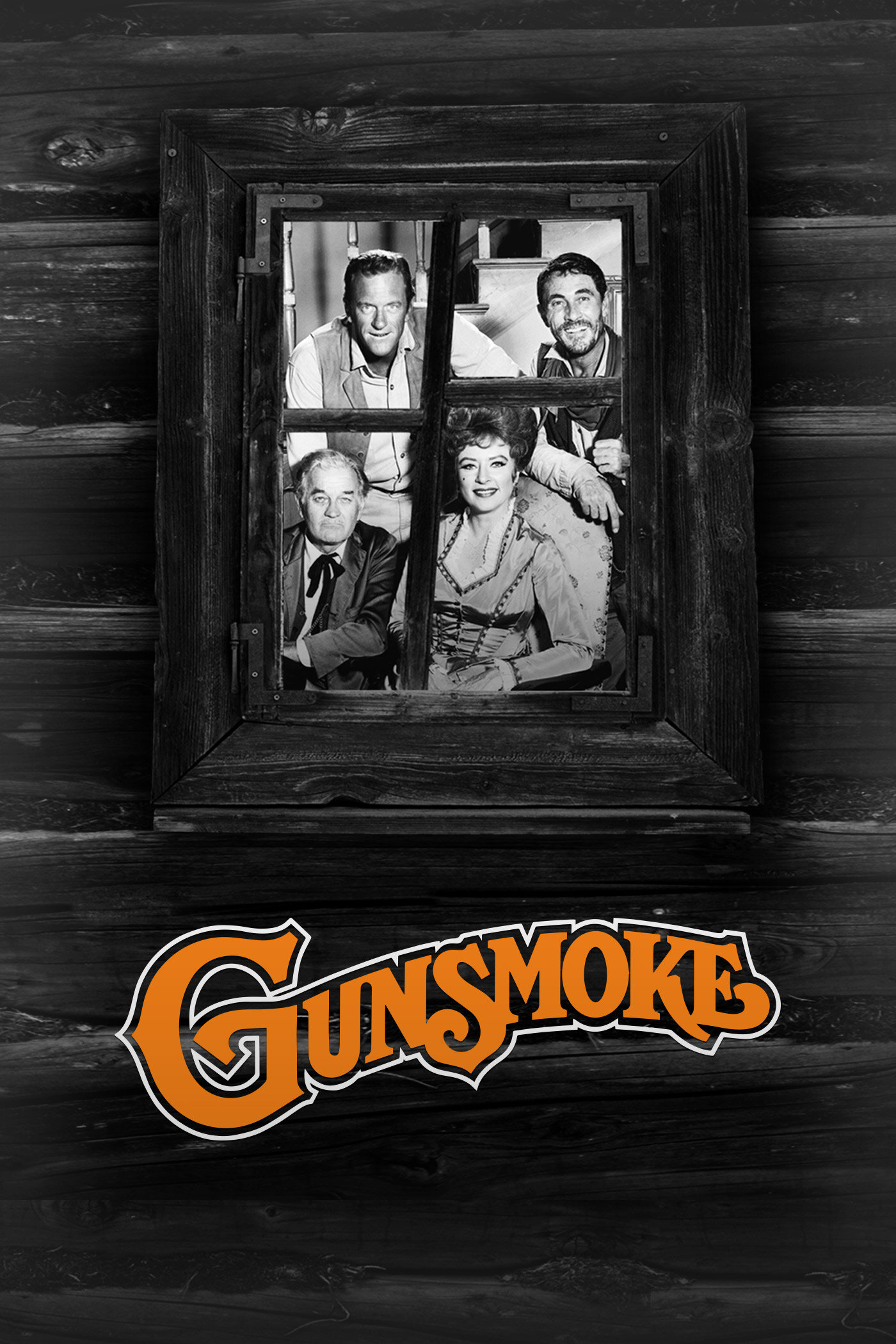
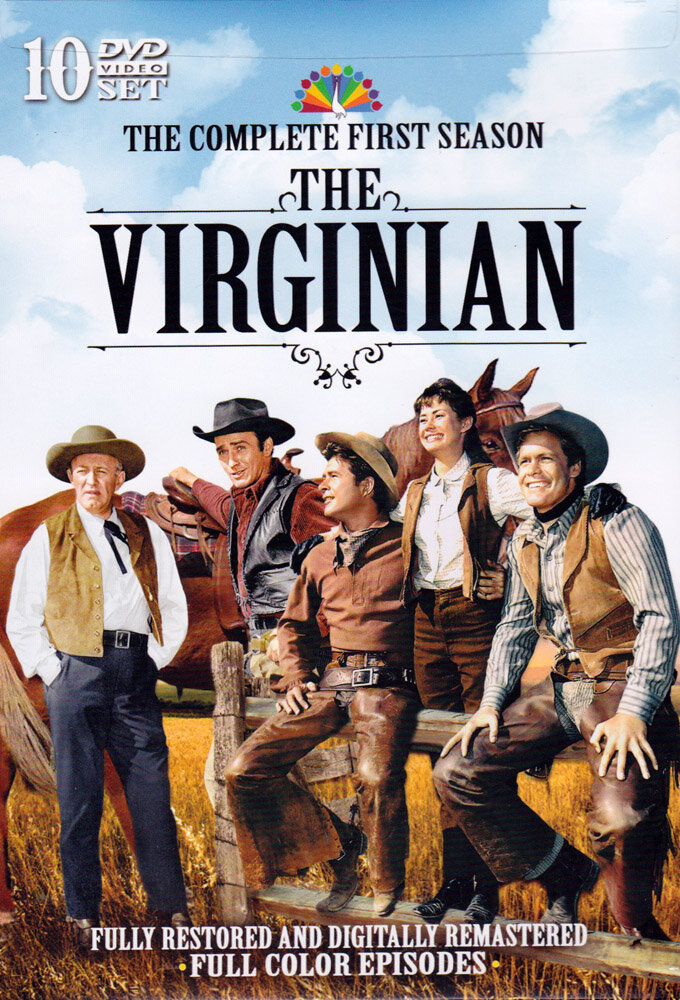
Continued the guest-star anthology trick Wagon Train pioneered and was television's first 90-minute western, giving each week's visiting story real room to breathe and develop.
But Even slower than Wagon Train, and the stretched runtime can feel padded compared to tighter modern storytelling.
The wildcard
Something you would not have found on your own.
Wagon Master1950no page yet
Wagon Train exists because ABC wanted a weekly television version of this exact film, and Ford's own Ward Bond carried his performance straight into the series as its lead.
John Ford's lean, lyrical film about Mormon settlers heading west, starring Ward Bond in the role that got him cast as Wagon Train's Major Adams. It's the actual blueprint ABC bought the rights to.
But No stars beyond Bond, a thin plot, and more mood than momentum — closer to a tone poem than a drama.
More like this (7)
Bonanza1959
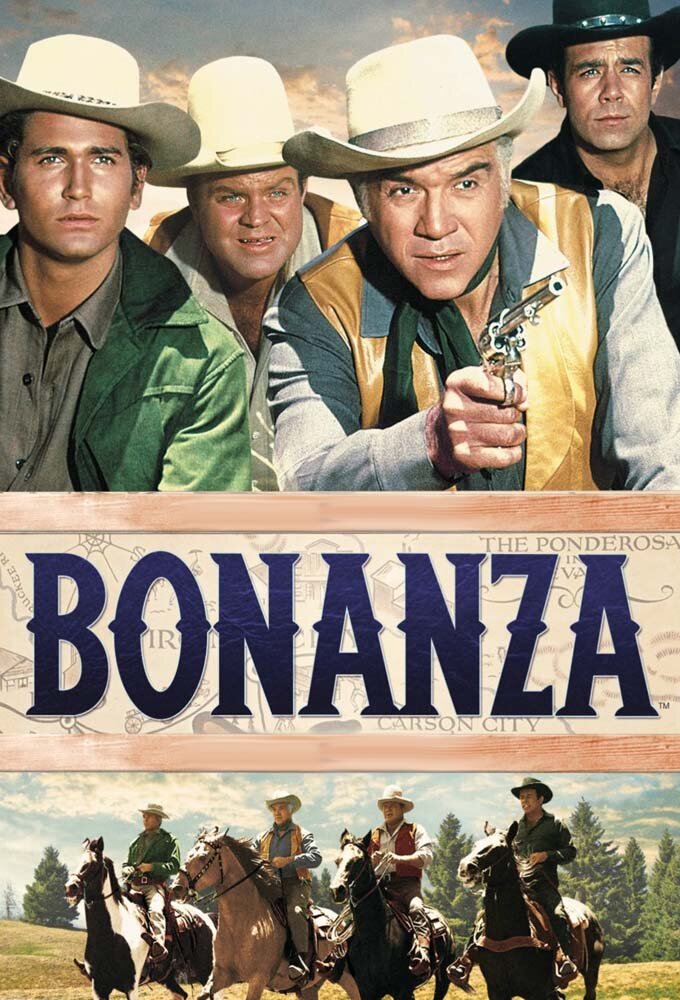
Swaps the open trail for a fixed ranch and a found family of brothers, trading Wagon Train's transience for permanence, colour photography, and a warmer, more domestic western world.
But Family-friendly tone with tidy resolutions, missing the moral ambiguity and occasional tragedy of life on the trail.
Have Gun - Will Travel1957no page yet
Richard Boone's mercenary gunslinger for hire brings the same wandering structure as Wagon Train, but wry and morally slippery instead of earnest and communal.
But Half-hour episodes move fast and skip the ensemble warmth that makes Wagon Train's regular crew feel like a family.
The Rifleman1958no page yet
A tighter, more intimate western about a single father and son, with real emotional weight under the gunplay in economical half-hour episodes.
But A static New Mexico town setting loses the sense of forward motion and discovery that defines Wagon Train.
Lonesome Dove
A sweeping cattle-drive miniseries with the same scale of the American West, but with the novelistic depth and grief a weekly series could never afford to sustain.
But Bleaker and more violent than Wagon Train ever got, and it demands a multi-night commitment rather than episodic dipping.
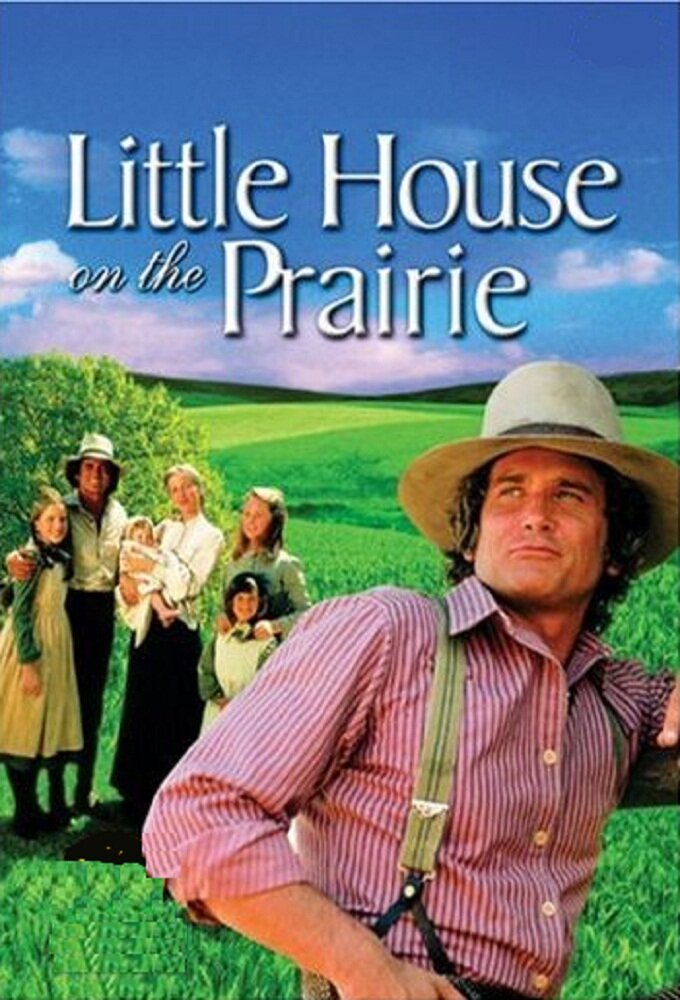
Little House on the Prairie1974
Takes the pioneer-family angle from the other side, staying with one household after they've settled rather than following the caravan onward toward the next stop.
But Sentimental family drama with none of Wagon Train's structure of strangers arriving and departing each week.
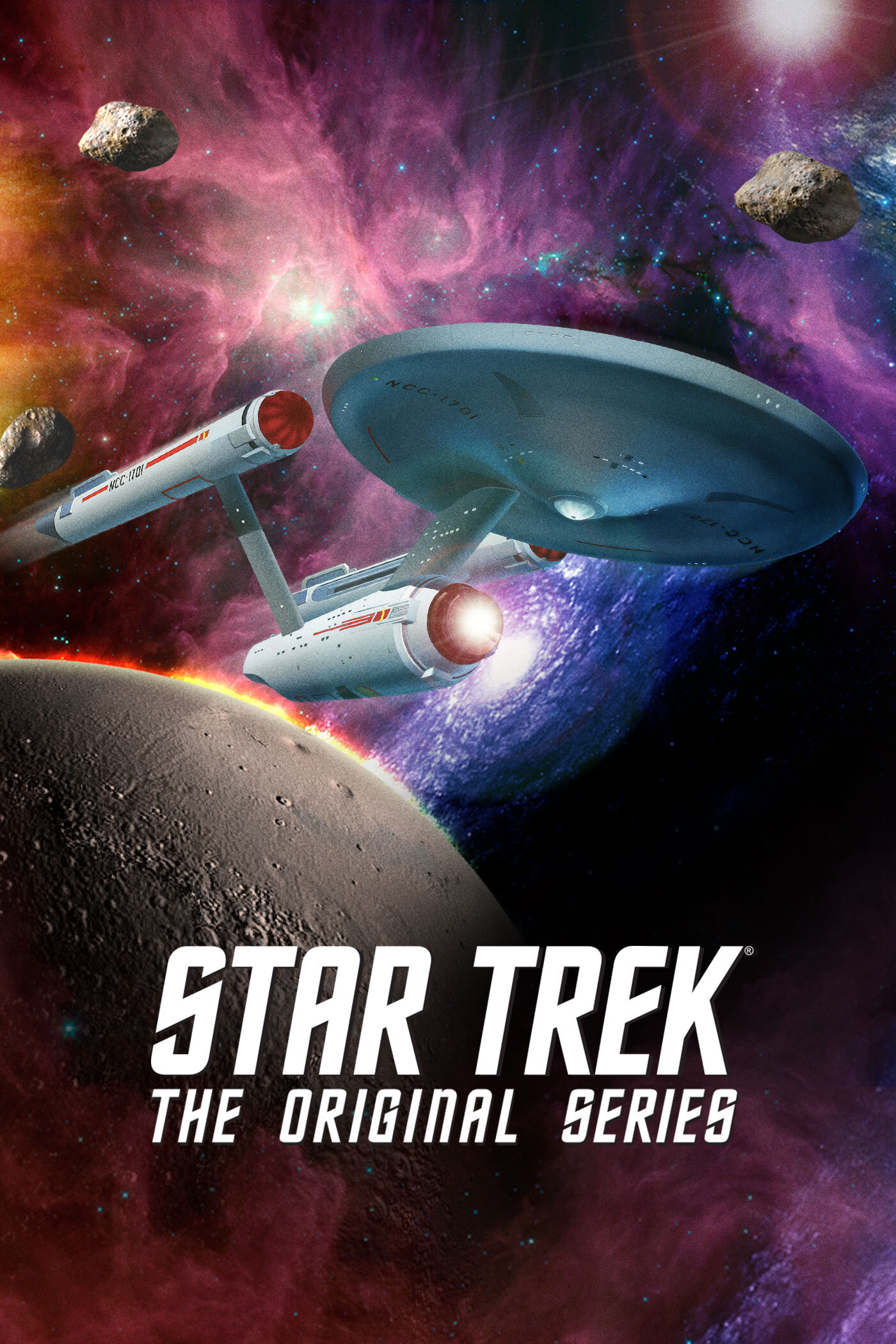
Star Trek1966
Roddenberry's actual sales pitch borrowed Wagon Train's format wholesale — a communal vessel, rotating guest strangers, and a self-contained crisis every episode — and swapped the frontier for orbit.
Gene Roddenberry pitched this to networks as literally "Wagon Train to the stars" — same episodic company of travelers stopping somewhere new each week, one moral dilemma per stop, just with phasers instead of Winchesters.
But Sixties production values and Cold War allegory dressed as science fiction will read as campy if you want sleek modern space opera.
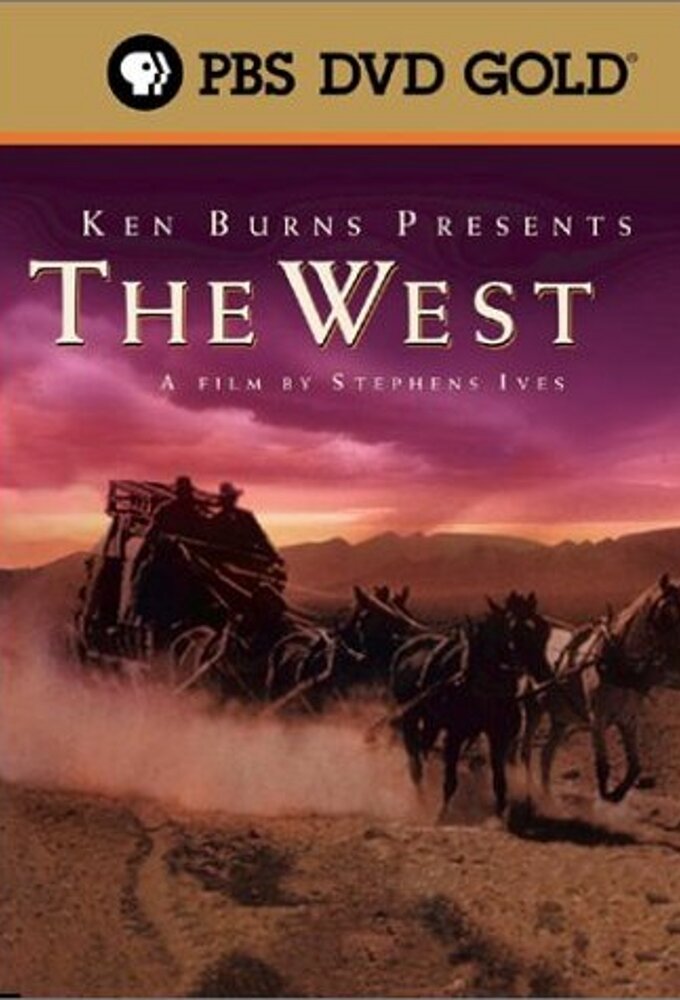
The West1996
It covers the actual westward migrations Wagon Train fictionalised, filling in everything the weekly drama smoothed over or left offscreen.
Ken Burns's eight-part documentary tells the real story behind the myth Wagon Train sold weekly: the violence, the dispossession of Native nations, and the greed that rode alongside the grit.
But Long, sober, and unhurried — this is a corrective history lesson, not entertainment, and it doesn't flinch from what the genre left out.
People
Cast
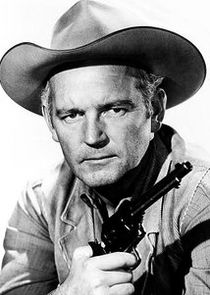
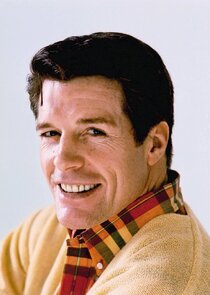
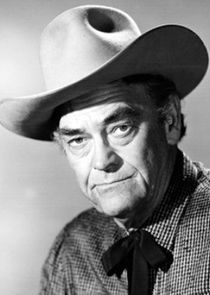
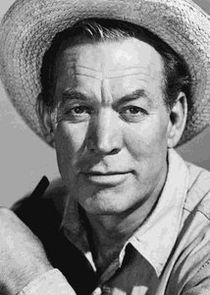
Directing
- Ben BishopAssistant Director
- Frank LoseeAssistant Director
- George BiskAssistant Director
- George LollierAssistant Director
- Hilton A. GreenAssistant Director
- James H. BrownAssistant Director
- Milton CarterAssistant Director
- Richard BirnieAssistant Director
- Wallace WorsleyAssistant Director
- Willard H. SheldonAssistant Director
Production
- Boris IngsterAssociate Producer
- Frederick ShorrAssociate Producer
- Ralph DietrichAssociate Producer
- Howard ChristieExecutive Producer
- Frederick ShorrProducer
- Harry TatelmanProducer
- Howard ChristieProducer
- Richard LewisProducer
- Virgil W. VogelProducer
Recommended by
Star Trek, Gunsmoke, Stories of the Century, Star Trek: Strange New Worlds, The Virginian, Rawhide