Television series
Northwest Passage
Other titles called Northwest Passage: the 1940 film.
A 1950s action series following Rogers' Rangers, colonial American scouts fighting through wilderness and conflict during the French and Indian War. Brisk, episodic adventures with genuine period action and landscape spectacle. Made for viewers who wanted to see hardened men navigate impossible terrain and impossible odds, week after week.
If you liked this
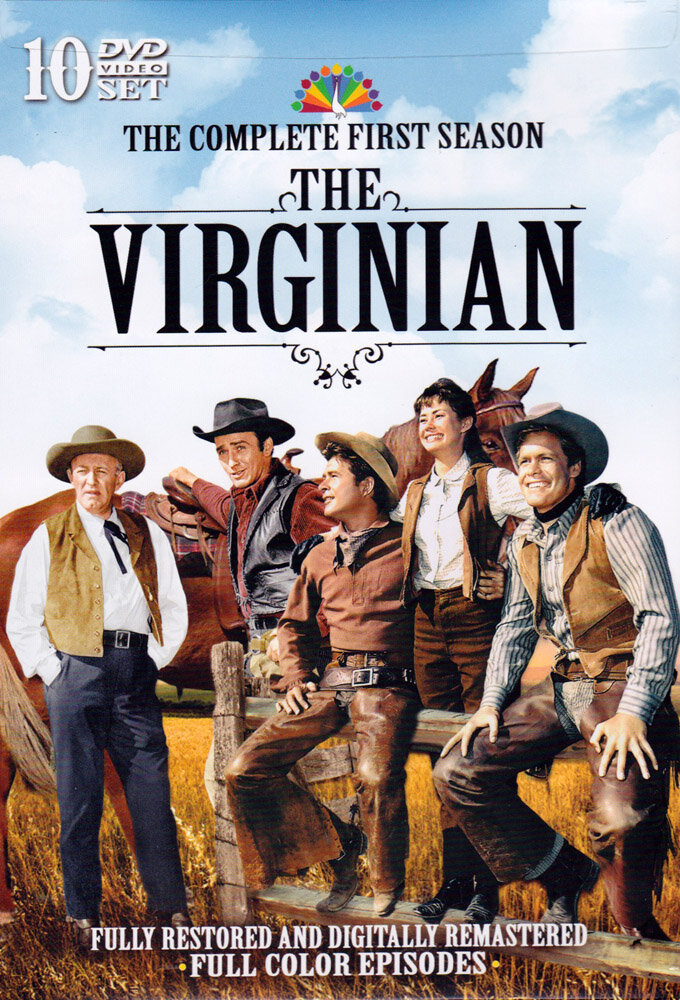
The Virginian1962
The template for the prestige Western on television. Dignified, violent when it needs to be, built on character and moral consequence rather than just gunplay. James Drury is magnetic.
But Runs seven seasons and can feel repetitive. The later years especially stretch thin on fresh ideas, and the pacing can drag for modern viewers used to tighter storytelling.
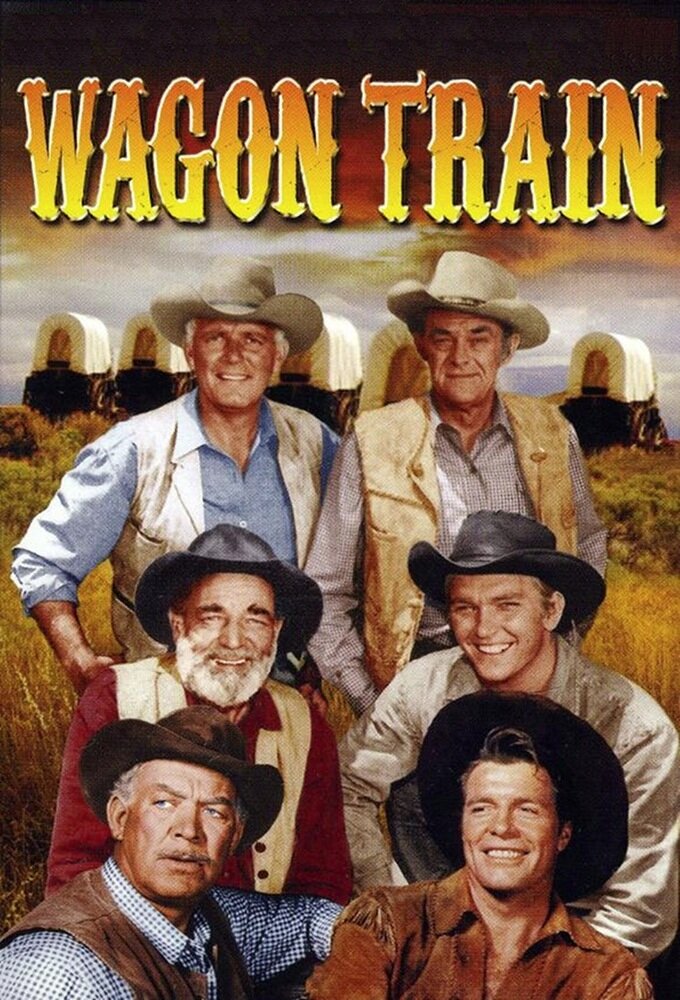
Wagon Train1957
Episodic anthology of travellers heading west, each week bringing new characters and conflicts. Genuinely varied in tone and incident. John McIntire and Ward Bond are reliable anchors through constant change.
But The formula means real stakes are rare—characters arrive, conflict resolves, they move on. Some episodes are stronger than others, and you'll feel the filler.
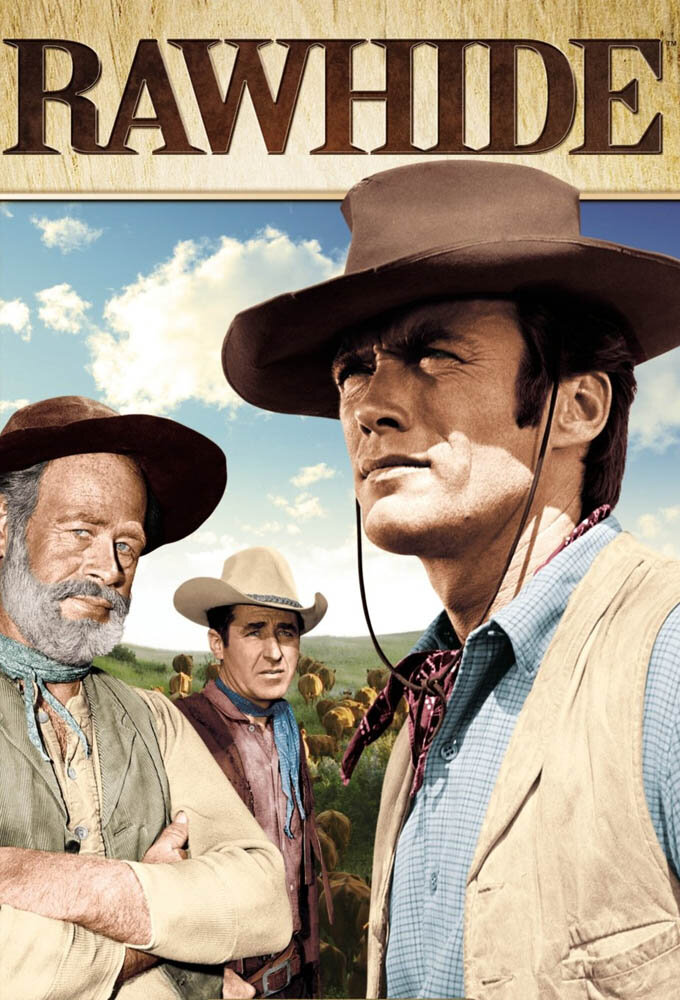
Rawhide1959
A cattle drive as ongoing narrative. Clint Eastwood in his TV breakthrough, learning the craft he'd master later. Action is genuine and the relationships matter. Lean and well-made week to week.
But Eight seasons is a long commitment. The early episodes have more energy than the later stretch, and you will see the budget limitations.
Not sure tonight? Get a pick in a minute, starting from Northwest Passage
The wildcard
Something you would not have found on your own.
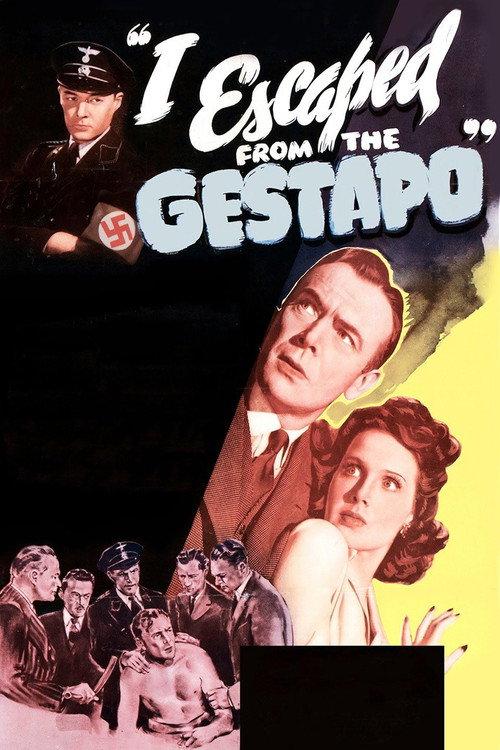
I Escaped from the Gestapo1943
Both use episodic small-unit combat across hostile territory as the engine for narrative. Both are about men making maps and making do with what they have. Both trust action over explanation.
A low-budget WWII espionage thriller that moves with propulsive energy despite its shoestring production. Genuine tension, real stakes, and the kind of scrappy resourcefulness you see in Rogers' Rangers. Pure, economical efficiency.
But Made in 1943 on a poverty budget. Prints are rough, the acting is sometimes rough, and there's no sentimentality to cushion the rough edges. It's a relic that asks you to meet it halfway.
More like this (8)
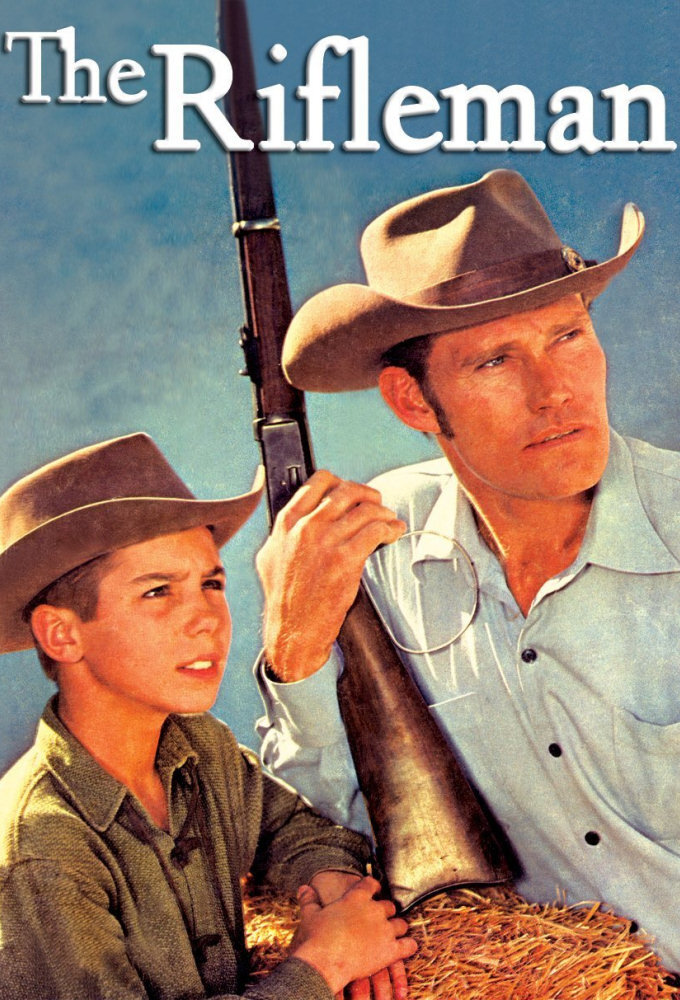
The Rifleman1958
Lucas McCain (Chuck Connors) and his son Mark against frontier adversity, week after week. Genuinely moving in its portrait of single parenthood and principle. Action is energetic and the moral framework holds.
But Sentimental at times in ways that can feel dated. The formulaic victories and the repetition of setup-conflict-resolution wear on you over five seasons.
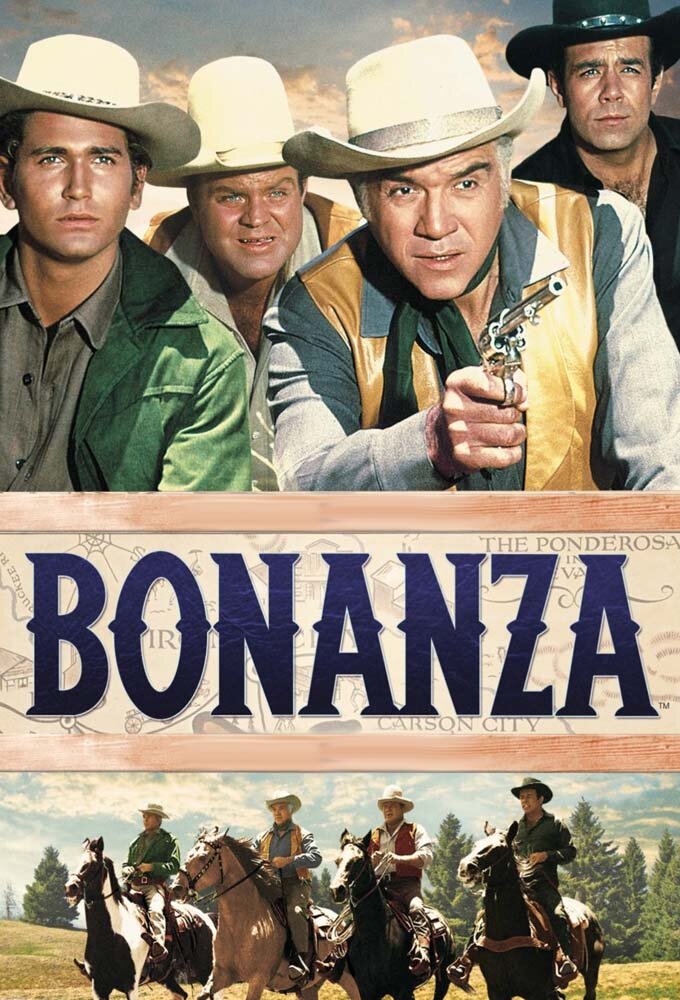
Bonanza1959
The Cartwright family on the Ponderosa, mixing adventure with real family dynamics. Beautiful Technicolor cinematifaction, genuine warmth between the leads, and stories that matter beyond the week's plot.
But Fourteen seasons is exhausting. Quality varies significantly, and the later years recycle ideas. Sentimental streak that deepens as the show ages.
Tales of the Texas Rangers1955
Tight half-hour episodes of frontier law enforcement, based on actual historical cases. Brisk, efficient storytelling with real period detail and surprising violence. Jace Pearson (Joel Grey) is sardonic and capable.
But Low budget shows. Black and white, no-frills production that feels cheap even for its era. Doesn't build beyond the episodic puzzle-box format.
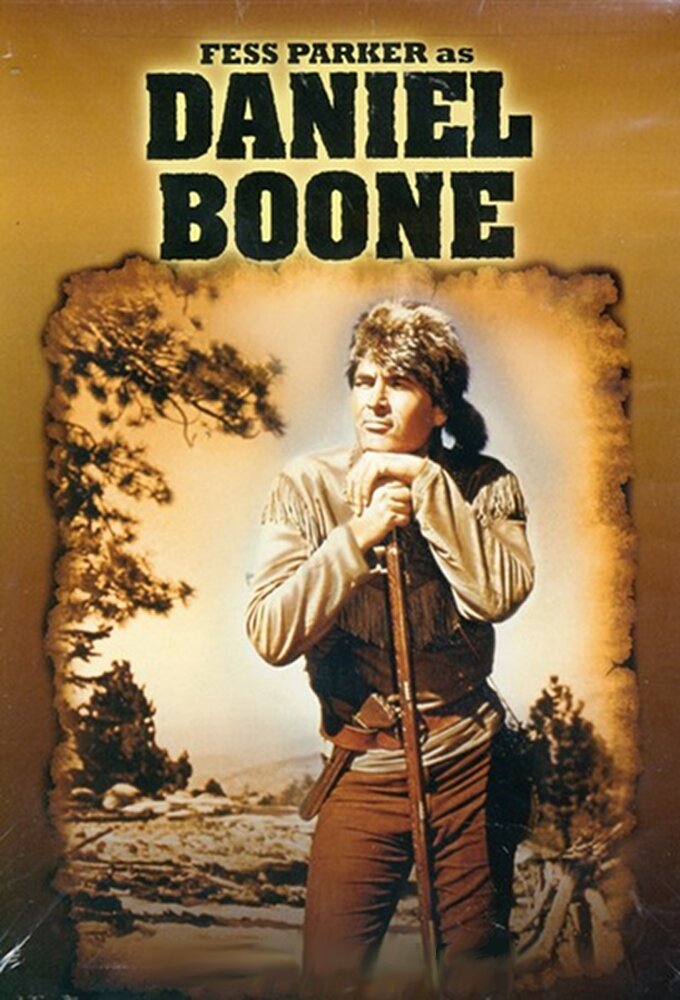
Daniel Boone1964
Fess Parker as the legendary frontiersman, exploring wilderness and settling conflicts before they explode. More grounded than you'd expect, with genuine period texture and a slower, more thoughtful pace than most action series.
But Slower pacing means some episodes drag. The reverence for the lead character can feel airless, and the plotting is often simple.
Beware the Batman2013
Lawman John Russell (John Russell) in Tombstone, Arizona. Solid action series with genuine gunplay and a commitment to procedural realism. Well-cast and briskly told.
But Hits the same notes repeatedly. The conflicts blur together after a while, and there's little character development beneath the weekly plot.

Frontier Justice1958
Half-hour anthology of frontier conflict and resolution. Each week a new story, new characters. Quick and efficient storytelling with the freedom to experiment.
But Anthology means no investment in people or place. Most episodes are forgettable, and the budget constraints show badly. Not much stays with you.
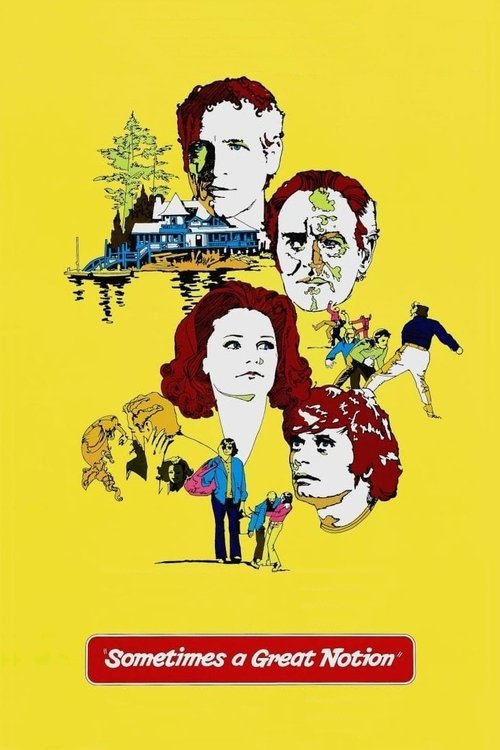
Sometimes a Great Notion1971
Both grapple with the real cost of frontier settlement and the gap between the adventure story we tell and the human reality underneath. Northwest Passage sells the myth; this film quietly unmakes it.
Logging on the Oregon frontier—not exploration, but the same spirit of men against wilderness, season by season, generation by generation. Gorgeously shot, powerfully acted, an elegy for the frontier mythology that made Northwest Passage possible.
But Nearly three hours and deliberately paced. The emotional weight accumulates slowly and requires patience. It's about endurance and legacy, not action.
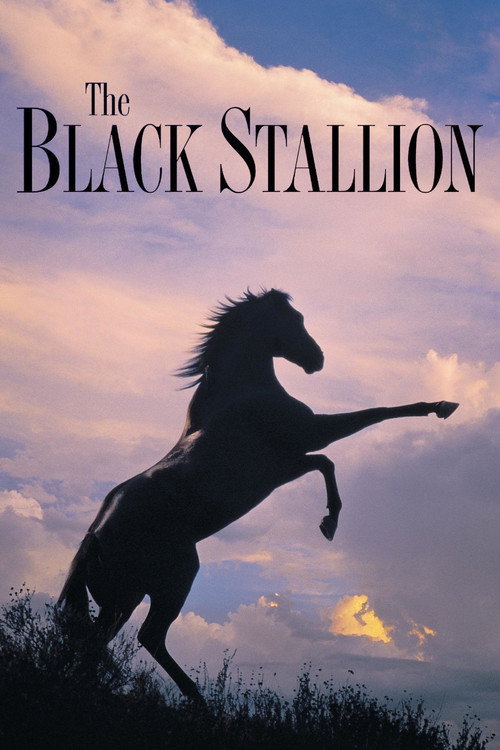
The Black Stallion1979
Both are fundamentally about how men learn to read wild territory—landscape, animals, other people—and make it coherent through skill and repetition. Both trust the audience to find drama in competence.
A man and a wild horse learn to work together through patient observation and trust. Gorgeously photographed, deeply quiet, built on process and relationship rather than plot. Pure cinema about mastery and communication without language.
But Almost plotless. A slow, meditative film where nothing explodes and no one shouts. It moves by rhythm and image, not incident. Will feel glacially paced if you want story momentum.