
Film
I Escaped from the Gestapo
A 1943 wartime thriller where a forger caught in a Nazi spy ring finds his conscience and becomes a secret FBI informant. It's a tight, economical piece of studio craftmanship—the kind of modest patriotic drama that Hollywood churned out during the war, more interested in moral clarity than complex psychology. For viewers drawn to period espionage without the gloss.
Should you watch it?
Watch it if you get a kick out of tight, old-fashioned espionage where a cornered craftsman's quiet maneuvering against a shadowy ring keeps you guessing, and you don't mind the period's earnest wartime tone.
Skip it if you want fast pacing or modern polish, because the mood is deliberate, the speeches are earnest, and the acting carries the stiff, stagey manner of its era.
What it asks of you: Expect a lean hour and a quarter of brisk, plot-driven scenes that ask you to track who is lying to whom rather than settle into atmosphere.
Not sure? Find tonight's pick in a minute.
If you liked this
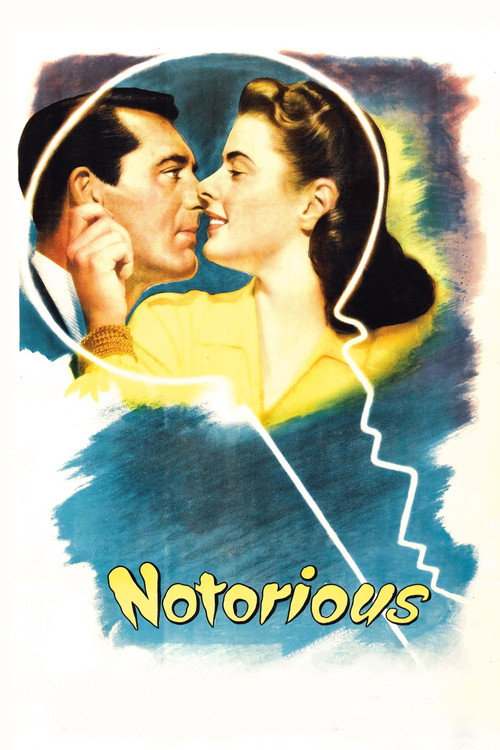
Notorious1946
Hitchcock's wartime spy romance, built on the same tension between duty and desire. Cary Grant and Ingrid Bergman navigate impossible loyalty, with every scene loaded with dread and consequence. Incomparably stylish.
But It's a Hitchcock romance first and a spy thriller second. If you're here for tradecraft and plot mechanics rather than emotional torment, you'll be frustrated.
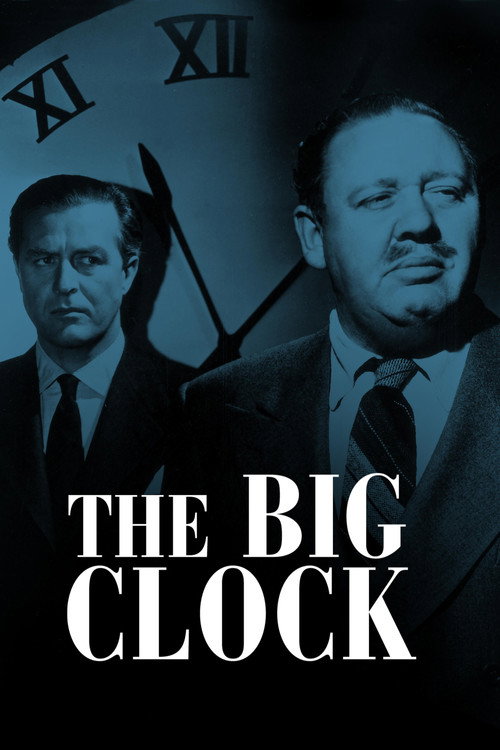
The Big Clock1948
Ray Milland hunted through Manhattan by the very men he's trying to catch. Taut, clever, and genuinely suspenseful—a locked-room mystery with the whole city as walls. Every scene clicks.
But It's older and leaner than modern thrillers expect. Patience with pacing and black-and-white film stock required.
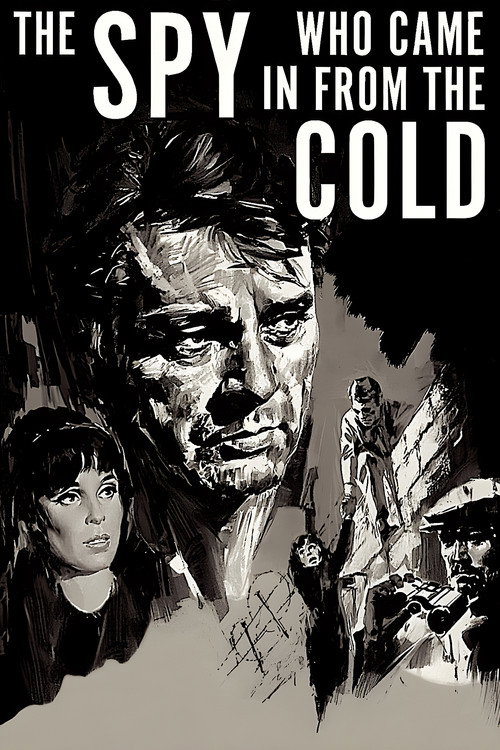
The Spy Who Came In from the Cold1965
le Carré's Cold War nightmare, grounded and unglamorous. Richard Burton as a burned-out spy made to do one last job. It understands that espionage is usually grey, shabby, and morally corrosive.
But It's deliberately bleak and slow. If you want action or heroism, this film will disappoint you on purpose.
Not sure tonight? Get a pick in a minute, starting from I Escaped from the Gestapo
The wildcard
Something you would not have found on your own.
The Third Man1949
Both examine the moment a compromised person realizes his complicity and tries to salvage his conscience. Both understand that wartime morality is fungible.
Orson Welles and Joseph Cotten in occupied Vienna, where ideology dissolves and everyone is selling something. Visually baroque, morally corrosive, built on the idea that trust is a luxury wartime destroys. Graham Greene's script understands the spy-ring mentality better than any documentary.
But It's deliberate and melancholic, with a zither score that either mesmerizes or frustrates. If you expect your spy stories to resolve into clarity, this one refuses.

More like this (8)
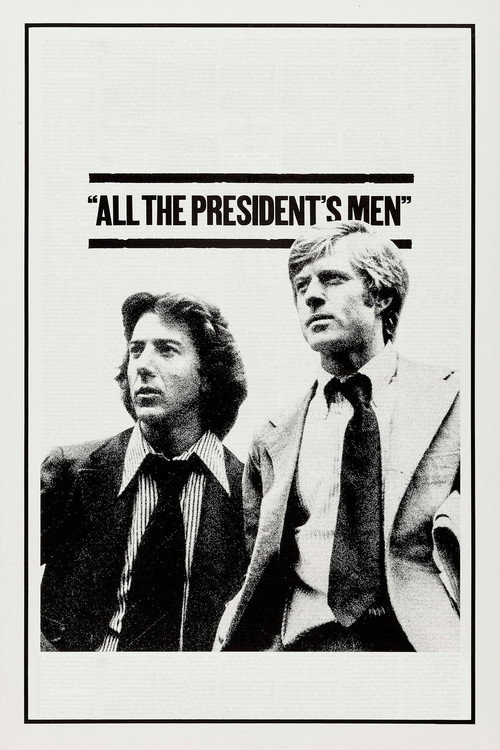
All the President's Men1976
Watergate as conspiracy unraveled by dogged reporting. Redford and Hoffman pursuing truth through layers of institutional deception. Gripping in its modesty: watching smart people work is enough.
But It's about journalism and bureaucracy, not gunfights. Long stretches are just conversation and telephone calls.
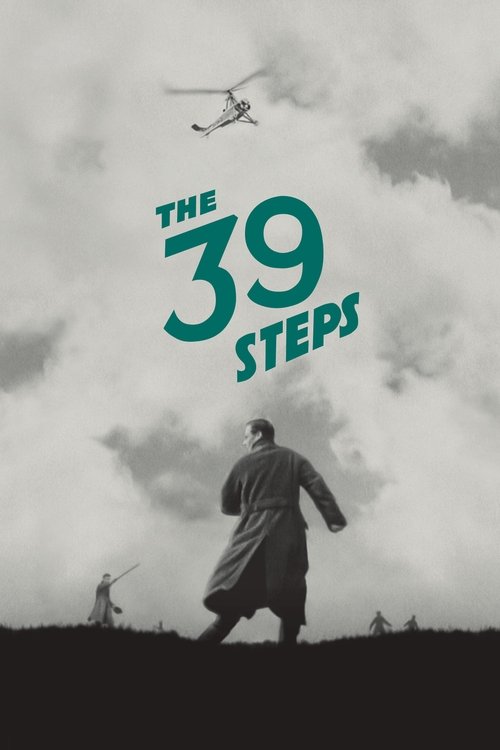
The 39 Steps1935
Hitchcock's invention of the wronged-man-on-the-run template that shaped espionage cinema for decades. Lean, playful, exhilarating. Robert Donat carries the entire film with charm and conviction.
But Its lightness can feel dated. The plot is more puzzle box than psychological depth.
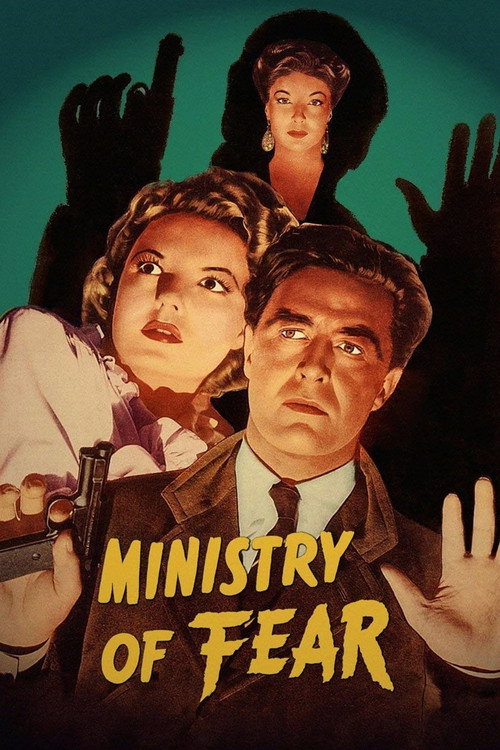
Ministry of Fear1944
Fritz Lang's wartime paranoia thriller: an innocent man navigates a London of shadows and secrets, with every stranger a potential threat. Visually haunted and morally murky in ways Hollywood usually avoided.
But The plot becomes genuinely confusing in the third act. The sense of atmosphere matters more than narrative coherence.
Rope1948
Two men commit a murder and invite the victim's friends to dinner while the body sits in a chest. Hitchcock's real-time moral inquisition. Claustrophobic, audacious, psychologically probing.
But It's almost a play with a camera pointed at it. If you need a broader canvas or external action, it may feel static.

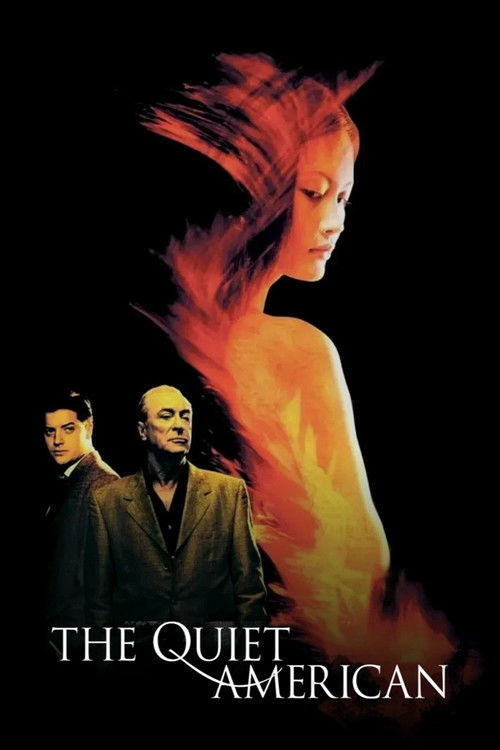
The Quiet American2002
Graham Greene's moral ambiguity made flesh: an American idealist in Vietnam, his motives unknowable, his conscience negotiable. Michael Caine is magnificent. Understands that good intentions can be the most dangerous thing.
But It's deliberately constructed to unsettle you about the protagonist. You may find it frustrating rather than satisfying.
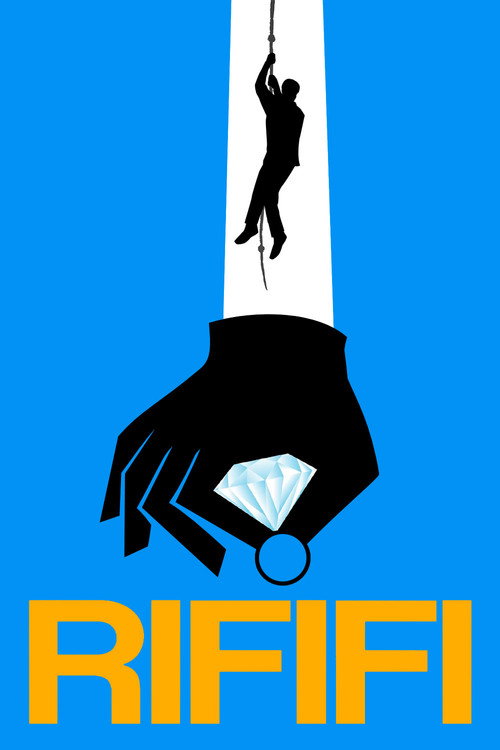
Rififi1955
A precise heist thriller about honour among thieves, made in France with documentary-like clarity. The famous twenty-minute silent robbery is hypnotic. A masterclass in showing rather than telling.
But The emotional core is thin; it's built on technique and procedural detail rather than character depth.
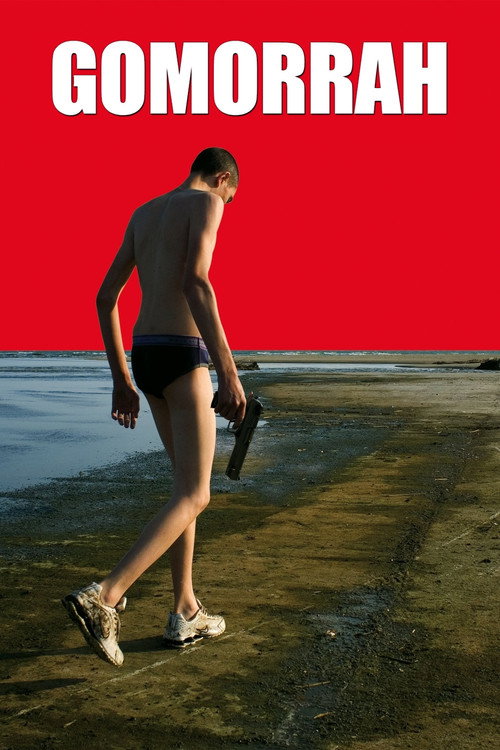
Gomorrah2008
Both understand that criminal networks trap ordinary people through incremental compromise. Both ask what a conscience costs when you're already entangled.
A Neapolitan organized crime epic structured like a forger's ring—networks of corruption, obligation, and survival, where legitimate and criminal worlds are indistinguishable. Matteo Garrone's documentary realism makes it feel like a briefing on how power actually moves.
But It's Italian with subtitles, deliberately unglamorous, and offers no heroes. The violence is sudden and consequence-free, which some viewers find despairing.
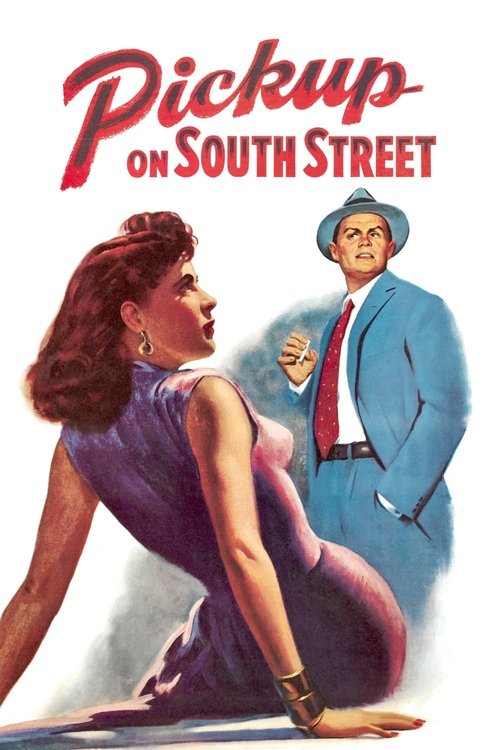
Pickup on South Street1953
Both reduce espionage to the level of street crime—just another transaction, just another way to survive. Both see the forger or thief as a small player in a larger machinery.
A pickpocket steals atomic secrets from a communist agent. Samuel Fuller's film is a terse, acidic Cold War drama told in the language of street crime and hustling. Thelma Ritter is a revelation. It sees espionage as just another form of petty larceny.
But It's aggressively pro-America in ways that feel dated and propagandistic. The patriotic moralizing may read as simplistic or offensive now.
People
Cast
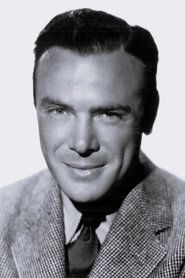 Dean JaggerTorgut Lane
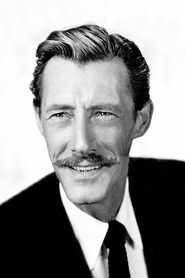 John CarradineMartin
 Mary BrianHelen
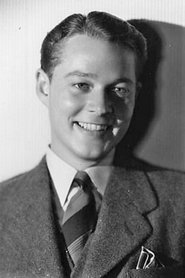 William HenryGordon
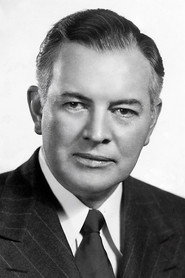 Sidney BlackmerBergen
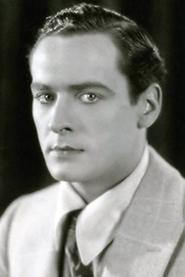 Ian KeithGerard
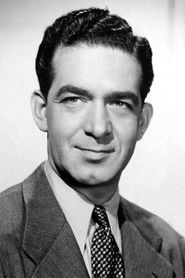 Anthony WardeLokin
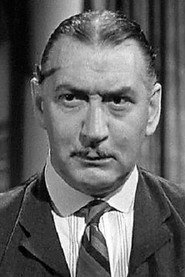 Edward KeaneDomack
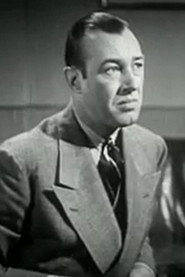 Norman WillisFBI Chief Rodt
- Peter DunneOlin
 George McFarlandNewsboy
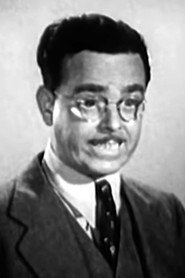 Charles WilliamsSecretary
Directing
- Harold YoungDirector
Writing
- Henry BlankfortScreenplay
- Wallace SullivanScreenplay
- Henry BlankfortStory