
Television series
The Rifleman
The Rifleman is the western that traded posses and card games for something quieter: a widowed father teaching his son right from wrong between gunfights. Chuck Connors' rapid-fire Winchester made it famous, but the real hook is the domestic tenderness underneath — half the episodes end with a lesson at the kitchen table, not a shootout. Brisk, earnest half-hours; comfort viewing for anyone who likes their westerns with a conscience.
Should you watch it?
Watch it if you like old-fashioned Western morality plays where a quiet, decent man is pushed into violence and the lessons between father and son land more often than the gunfights do.
Skip it if you want serialized storylines or a fast, shifting plot, since each half-hour mostly settles its own trouble and the 1950s pacing feels deliberate, sometimes slack, to modern eyes.
What it asks of you: A half-hour a week, unhurried and gently earnest, with a steady, sometimes preachy warmth; you give it patience and a willingness to accept simple moral arithmetic.
Not sure? Find tonight's pick in a minute.
If you liked this
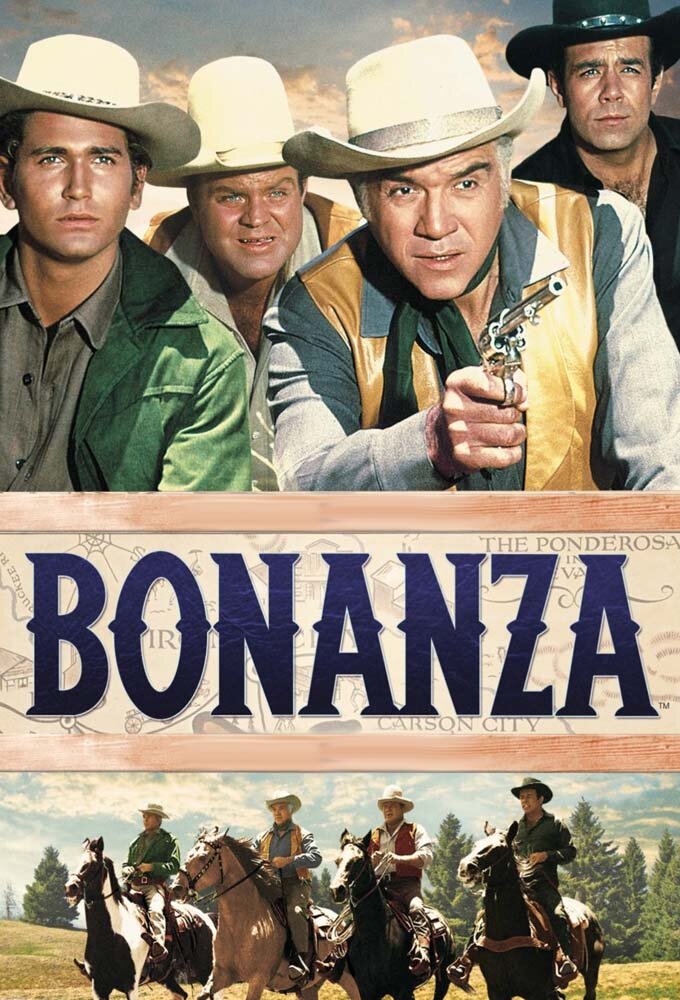
Bonanza1959
Another widowed father raising sons on a frontier ranch, but stretched to an hour and given a bigger canvas — the Cartwrights argue, forgive, and rebuild every week with real warmth. The natural next stop if the family core of Lucas and Mark was the draw.
But Slower pace, more talk than gunplay, and fourteen seasons is a serious commitment.
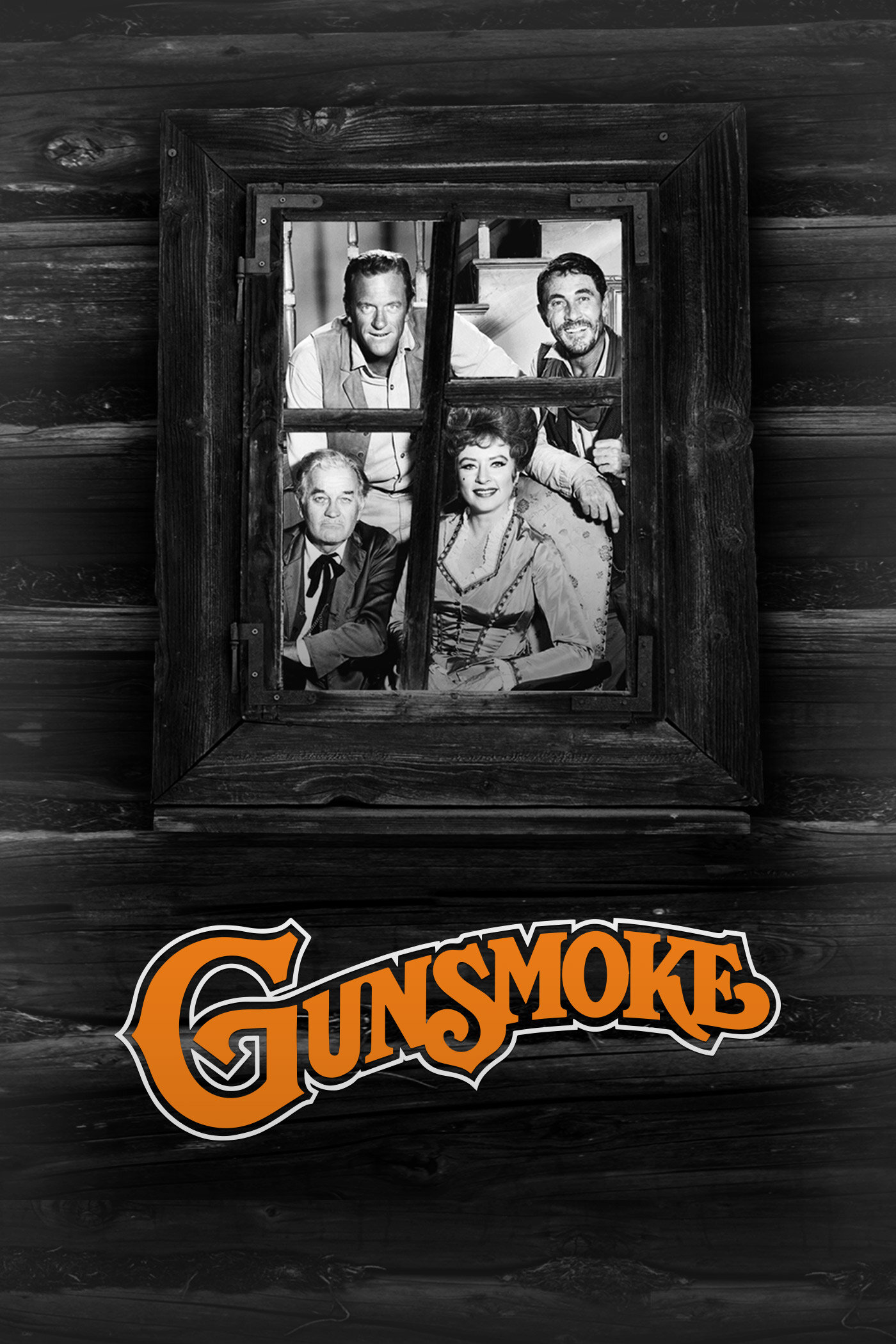
Gunsmoke1955
Same era, same tidy small-town frontier, but Dodge City is meaner and Marshal Dillon's justice is harder-won. The grown-up version of North Fork, with more moral shading and less tidy resolution.
But Twenty seasons of varying quality; the early ones are stiffer than the show's reputation suggests.
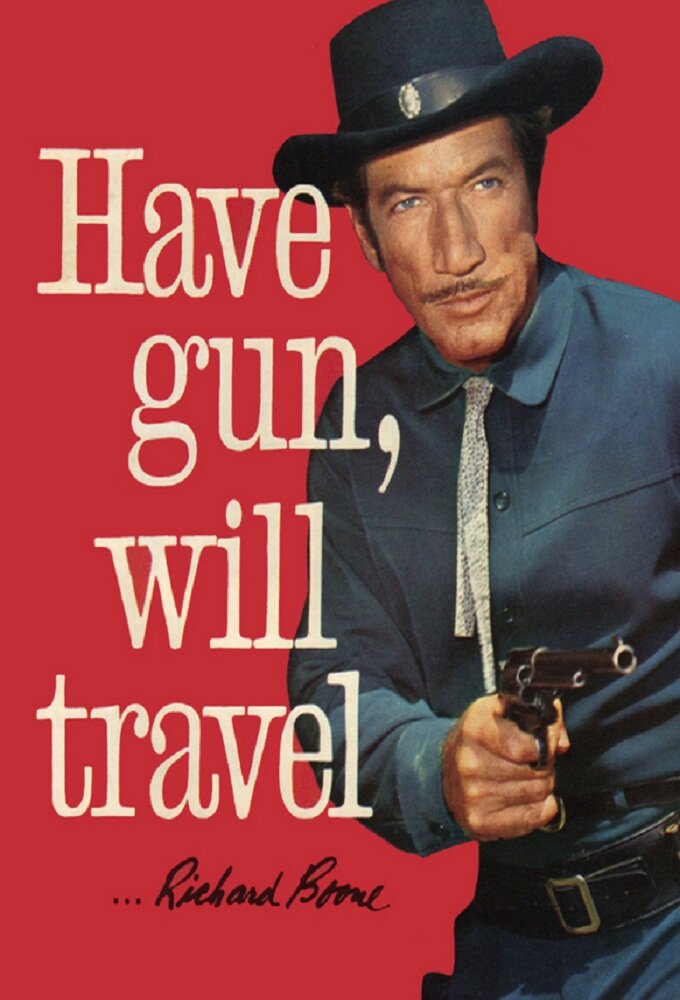
Have Gun - Will Travel1957
A wandering gunfighter-for-hire with a code as strict as Lucas McCain's, minus the farm and the son. Richard Boone's Paladin is cultured, careful, and reluctant to shoot — the loner counterpart to Lucas's settled family man.
But Episodic and formulaic by design; there's no ongoing family story to hook into.
Not sure tonight? Get a pick in a minute, starting from The Rifleman
The wildcard
Something you would not have found on your own.
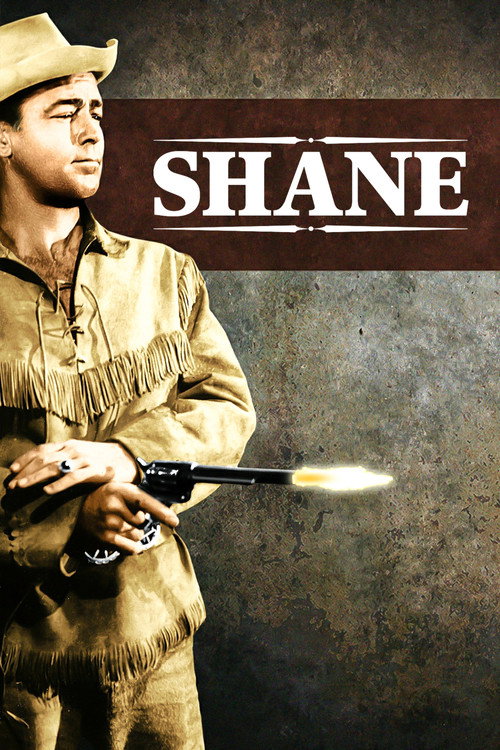
Shane1953
Same core image — a gun kept out of a farmhouse until it can't be — but Shane treats it as tragedy rather than a lesson learned by dinnertime, and it predates the show by five years.
This is the film that did it first and did it best: a rifle used reluctantly, a farm family protected by a stranger with a violent past, all shot with an elegiac sadness Rifleman never allows itself. Alan Ladd is quietly devastating.
But It's slow, mournful, and ends nothing like a comfort watch — this is myth-making, not weekly entertainment.
More like this (8)
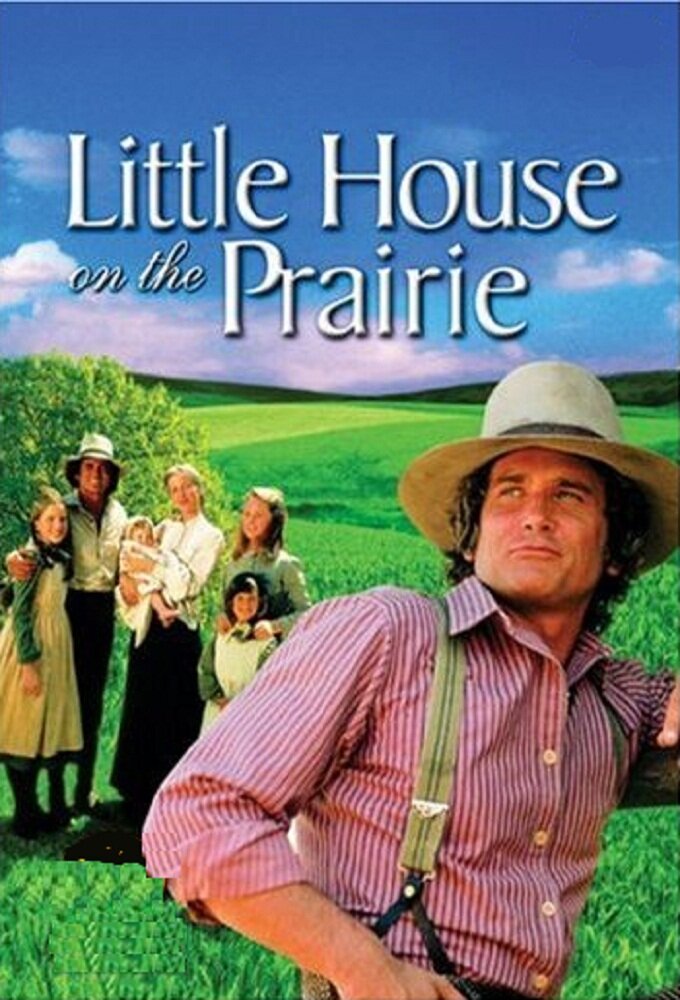
Little House on the Prairie1974
Trade the rifle for the plough and you get the same DNA — a parent, a child, a frontier, and a lesson learned by the end of the hour. Warmer and weepier, but built from the same stuff.
But Sentimental to the point of manipulation; you will cry whether you want to or not.
Lonesome Dove
The epic, unhurried cousin to all these half-hour westerns — same frontier, same moral seriousness, but given room to breathe across nearly six hours. Robert Duvall and Tommy Lee Jones are extraordinary.
But A big time commitment and a very different pace — novelistic, not episodic comfort food.
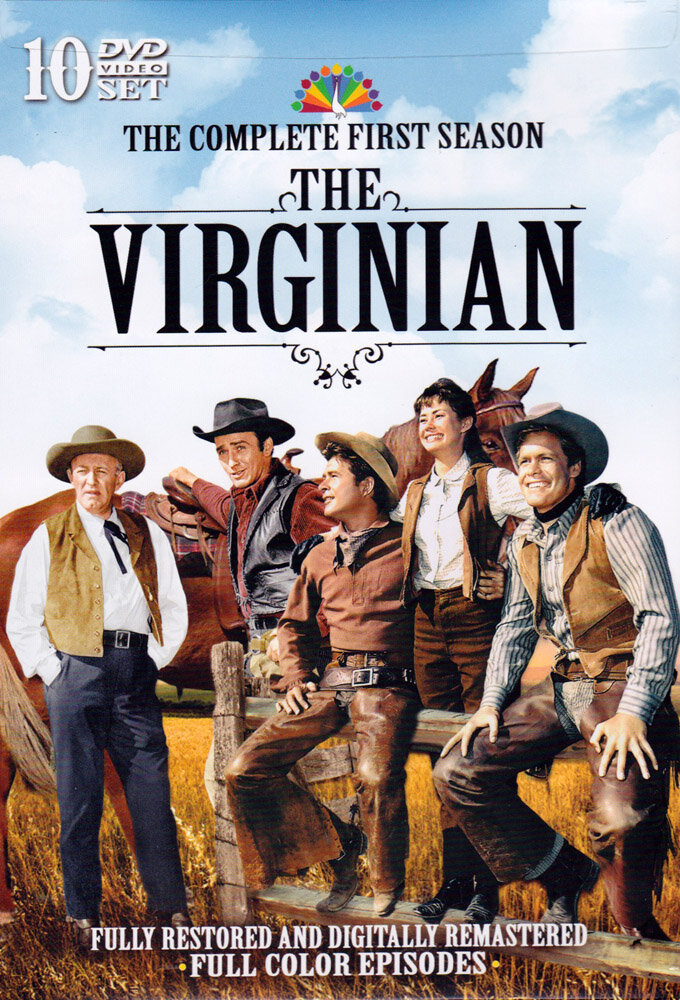
The Virginian1962
One of the first hour-long westerns, built around a foreman's quiet authority rather than a gun. If Lucas McCain's calm decency was the appeal, this scratches the same itch at a slower simmer.
But Nine seasons and a rotating cast make it uneven; some stretches feel like filler.
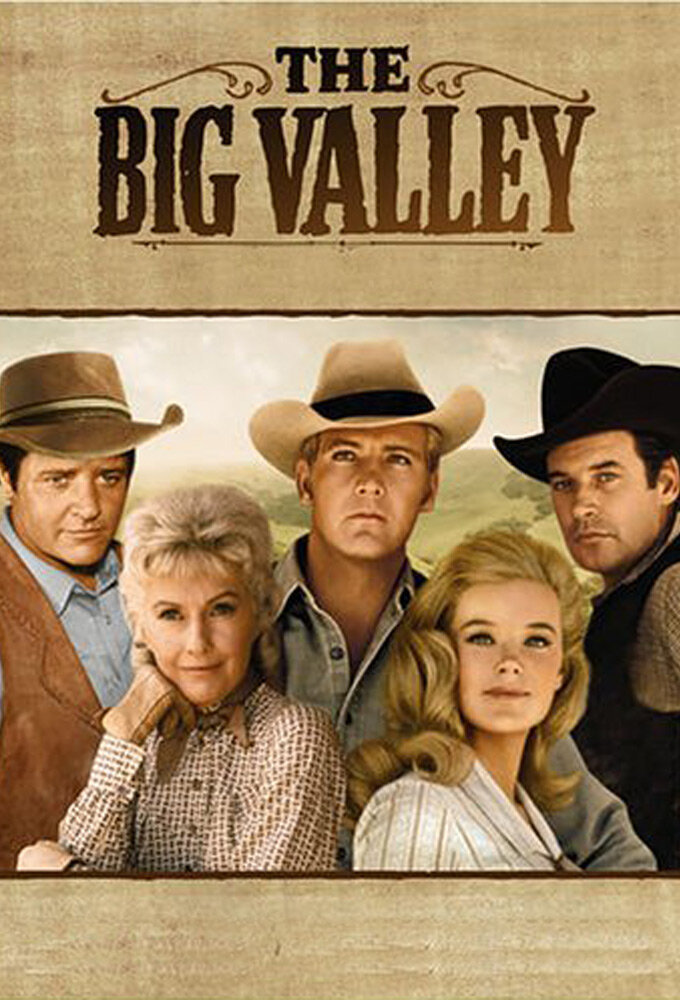
The Big Valley1965
Swap the widowed father for a widowed mother running a ranch full of grown children — same frontier justice, same family stakes, with Barbara Stanwyck holding it all together like she owns the place.
But Glossier and soapier than Rifleman; the moral lessons come with more melodrama.
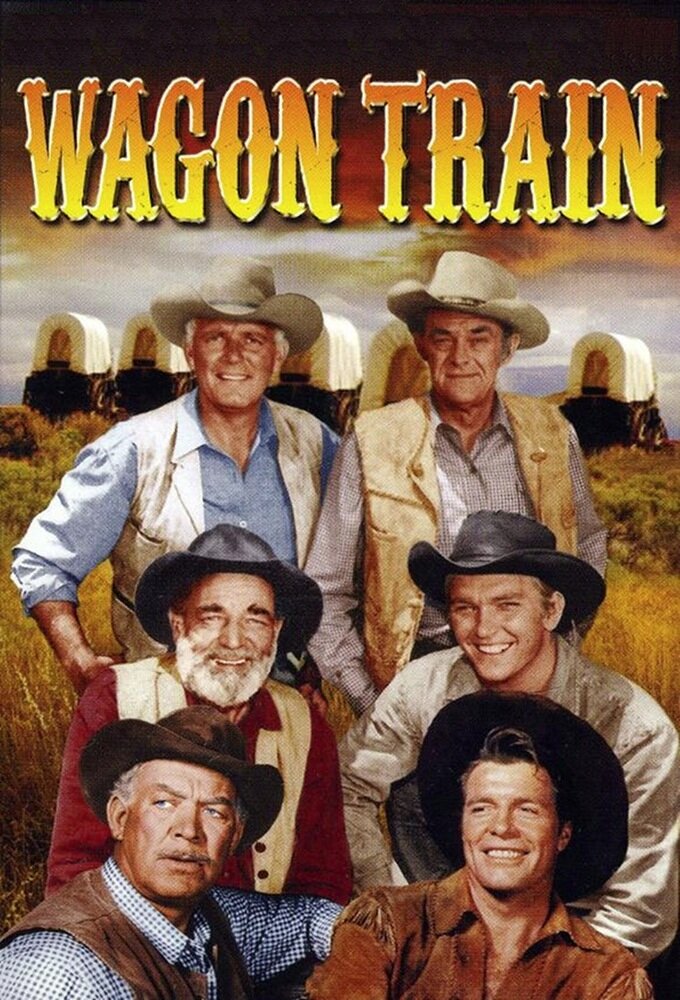
Wagon Train1957
An anthology structure that lets you drop in anywhere — each episode is really about one traveler's story, guest stars and all, with the wagon train itself as the connective thread west.
But The rotating focus means less of the sustained father-son bond that makes Rifleman work.
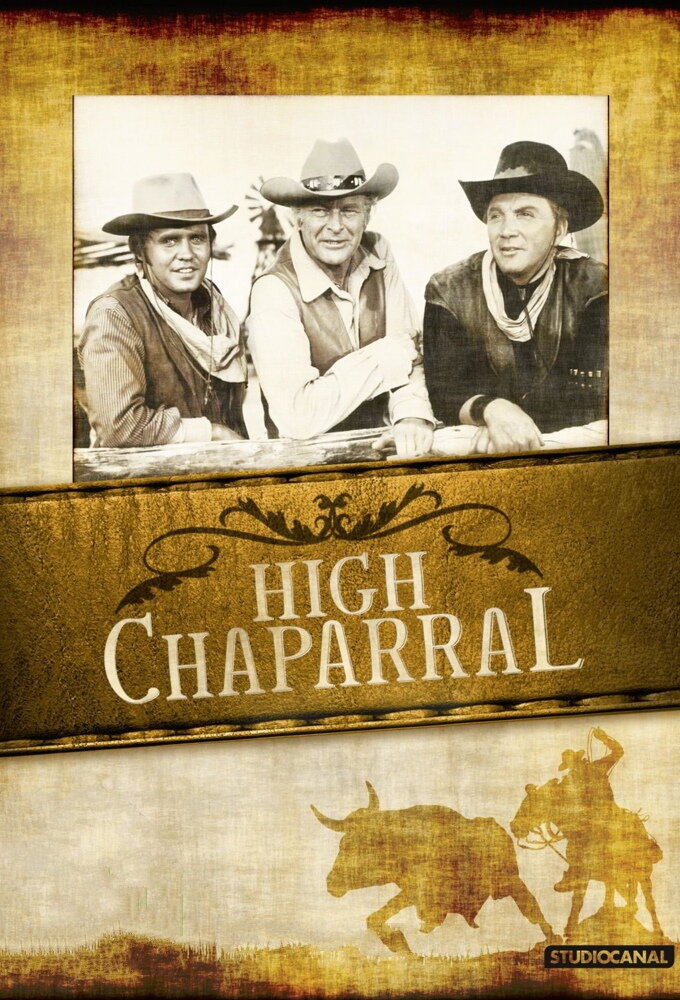
The High Chaparral1967
A tougher, dustier family western with more attention to the Mexican and Apache neighbours the genre usually ignores. Good if you want Rifleman's family stakes with a wider, less comfortable view of the frontier.
But Rougher production values and a less iconic legacy; it's a footnote where Rifleman is a landmark.
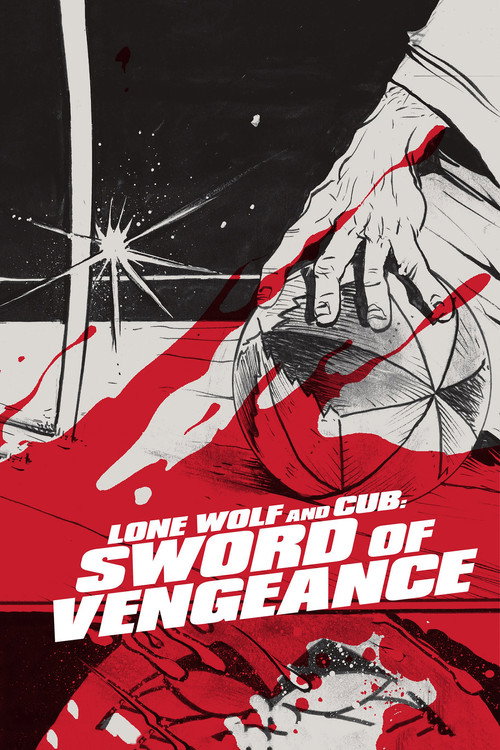
Lone Wolf and Cub: Sword of Vengeance1972
Strip away the Stetsons and it's the identical shape: one skilled, dangerous parent, one small child, both alone against a hostile world — just told through Japanese chanbara instead of American frontier myth.
A disgraced samurai wheels his toddler son across feudal Japan in a baby cart armed with hidden blades, dispensing violent justice to anyone who threatens them. Same father-and-child-against-the-world engine, dialled up to operatic extremes.
But Considerably more graphic and stylised than anything Rifleman would show; subtitled and steeped in samurai film convention.
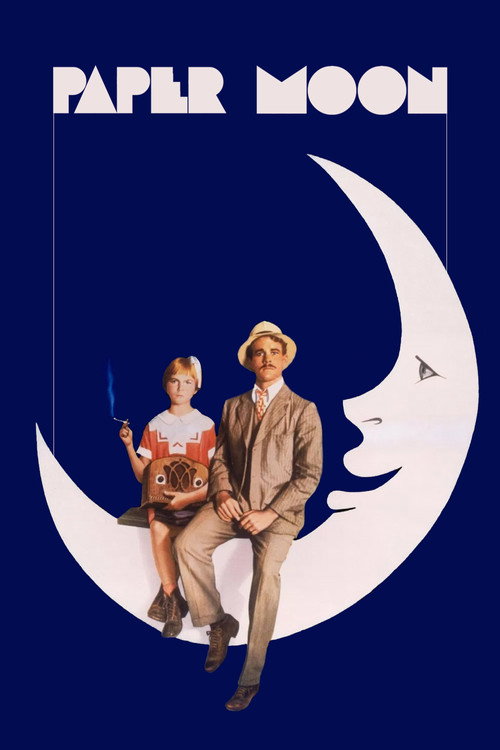
Paper Moon1973
It's the same story with the gun taken away: an unlikely parent figure and a sharp kid, forced together, teaching each other what family actually costs — just filtered through comedy and con artistry instead of frontier justice.
A con man and a possibly-his-daughter grift their way across Depression-era Kansas in gorgeous black and white — no guns, no ranch, just two people slowly, reluctantly becoming a family. Tatum O'Neal is remarkable.
But No western trappings at all, and the humour is drier and more melancholy than Rifleman's straightforward warmth.
People
Cast
Directing
- Jack SonntagAssistant Director
Writing
- Arnold LavenCreator
Production
- Arnold LavenCo-Producer
- Arthur GardnerProducer
- Jules V. LevyProducer
Recommended by
Wagon Train, Gunsmoke, Stories of the Century, Have Gun - Will Travel, Cheyenne, Rawhide, The Life and Legend of Wyatt Earp, Tales of the Texas Rangers, Bat Masterson, Wanted: Dead or Alive, The Littlest Hobo, Johnny Ringo, Laramie, Lawman, Northwest Passage, Tales of Wells Fargo, Trackdown, Hopalong Cassidy, Tombstone Territory, Tarzan, Daniel Boone, Frontier Justice, Dick Powell's Zane Grey Theatre, The Westerner, Yancy Derringer