Television series
The Westerner
Other titles called The Westerner: the 1940 film.
- Classic western
- Action
- Dip in and out
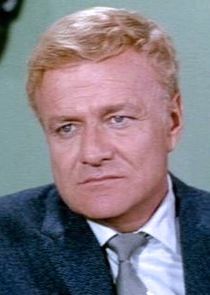
A lean 1960 western about a drifting cowboy and his dog, wandering from town to town with minimal dialogue and maximum mood. Brian Keith carries the show with his weathered presence, letting long silences and landscape do the work. It's for anyone who loves character over plot and prefers a slow burn to gunfight-packed action.
If you liked this
Rawhide1959
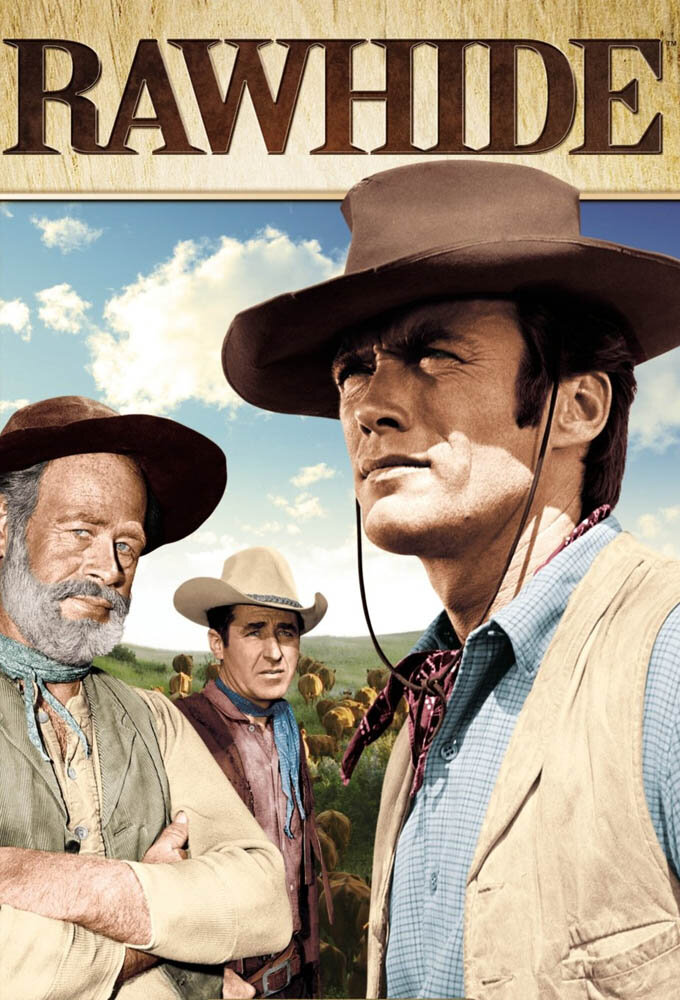
Clint Eastwood drives cattle across harsh terrain in this sprawling western series. Like *The Westerner*, it's episodic, atmospheric, and builds tension through repetition and landscape rather than pyrotechnics. Eastwood's taciturn presence echoes Keith's approach.
But Nearly 200 episodes across eight seasons is a commitment. The pacing can feel glacial, and many episodes follow a formulaic structure that tests patience.
Gunsmoke1955
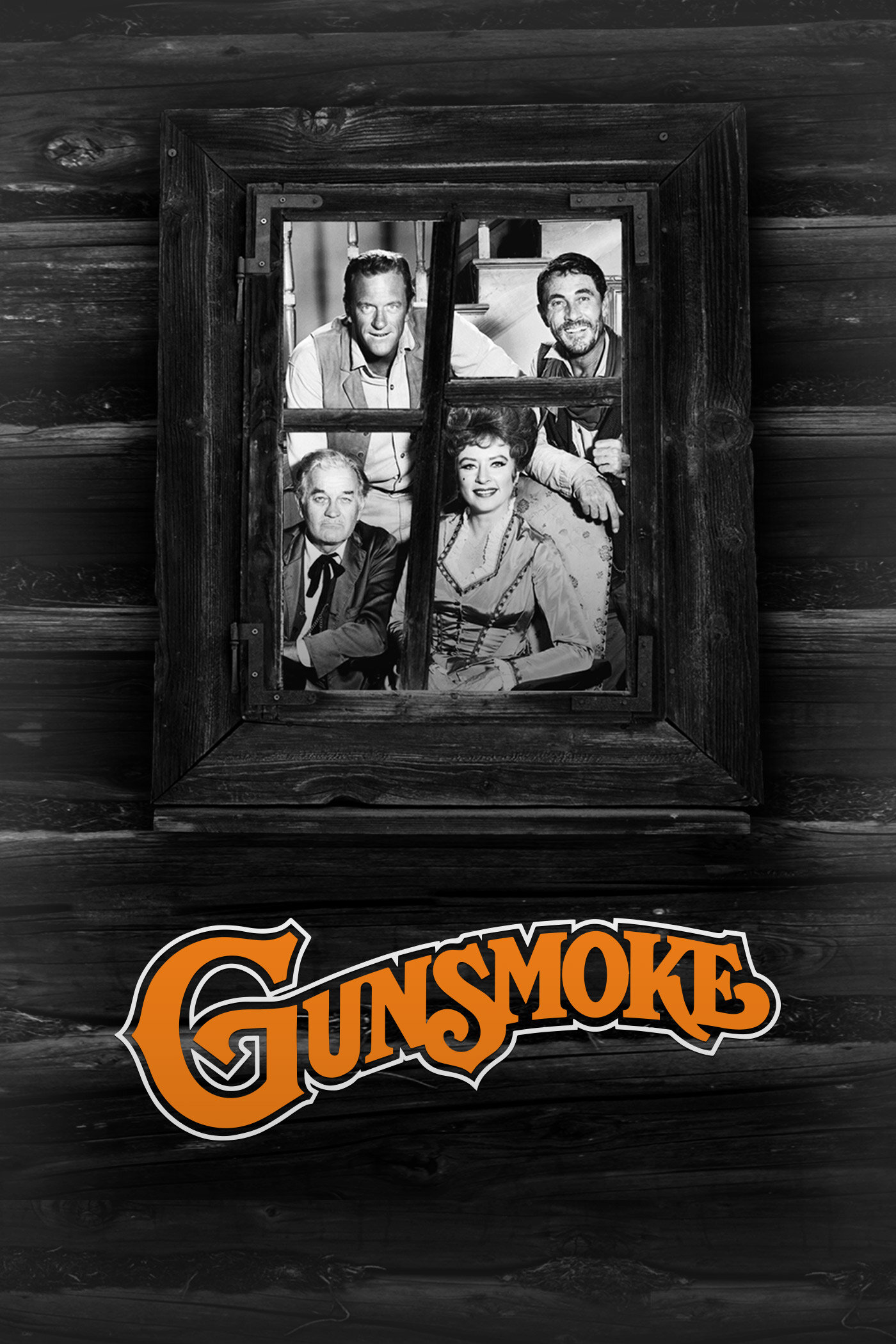
The template for prestige television westerns. James Arness anchors Dodge City with the same weathered authority Keith brings to his drifter, and the show gradually shifted from action toward character-driven stories that linger in the mind.
But It runs to 20 seasons and can feel repetitive. The early episodes are grittier than later ones, which soften into something more domestic and sentimental.
The Rifleman1958
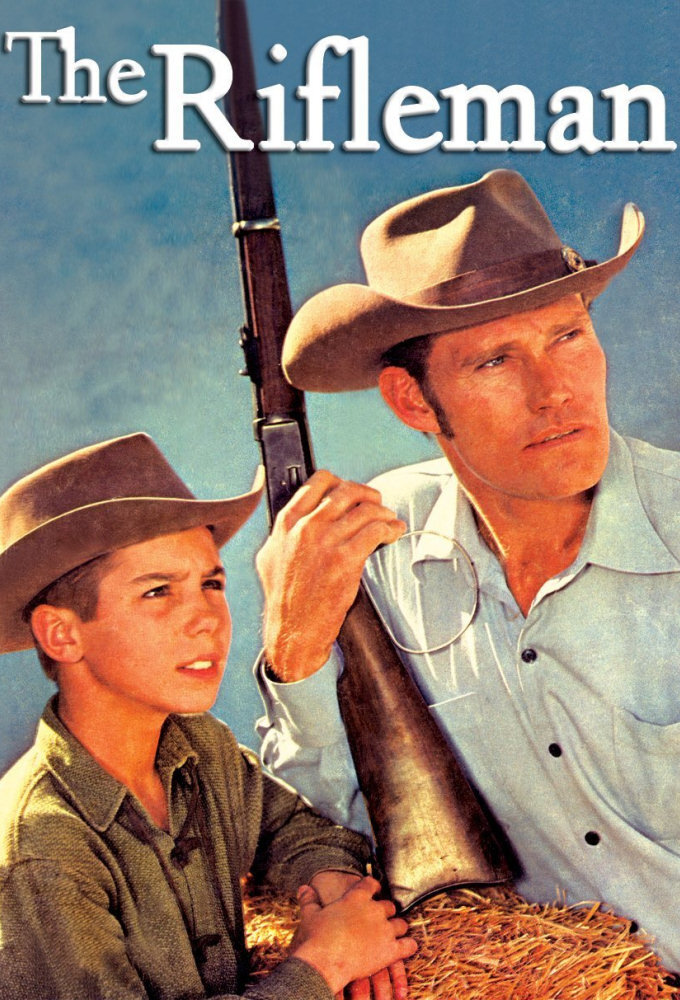
Chuck Connors plays a widower raising a son on a New Mexico ranch, balancing paternal duty with frontier violence. Quieter than its contemporaries, focused on restraint and consequence rather than spectacle. The relationship between father and son mirrors the loneliness threading through *The Westerner*.
But The moralizing can feel heavy-handed by modern standards. Some episodes drift toward melodrama, and the pacing rarely matches Keith's minimalist approach.
Not sure tonight? Get a pick in a minute, starting from The Westerner
The wildcard
Something you would not have found on your own.
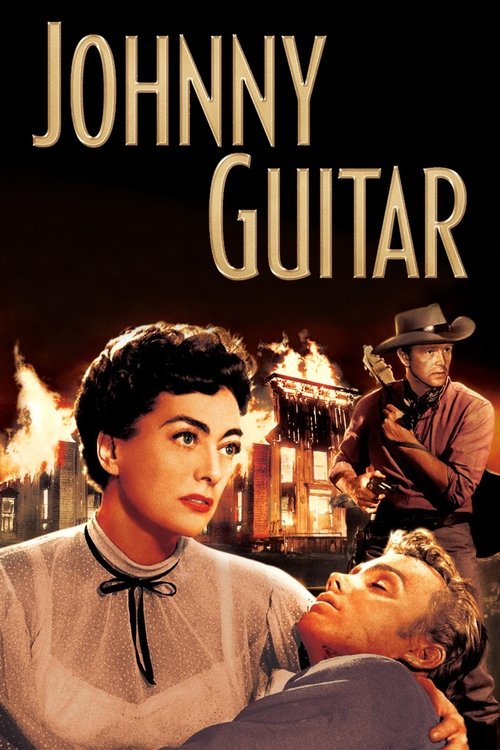
Johnny Guitar1954
Both use the drifter/outsider figure and western setting as a frame for character study rather than plot machinery. Ray and Keith's *Westerner* share a faith that silence and landscape can carry emotional weight.
Nicholas Ray's fever-dream western, a gender-flipped outlier where Joan Crawford plays a tough saloon owner and a woman pulls the trigger. It's not action-driven—it's painterly and strange and morally murky. The landscape feels as much a character as any person.
But It's visually stylized in ways that read as campy to modern eyes. The plot is thin, the dialogue occasionally overwrought, and it plays by none of the rules viewers expect from the genre.
More like this (8)
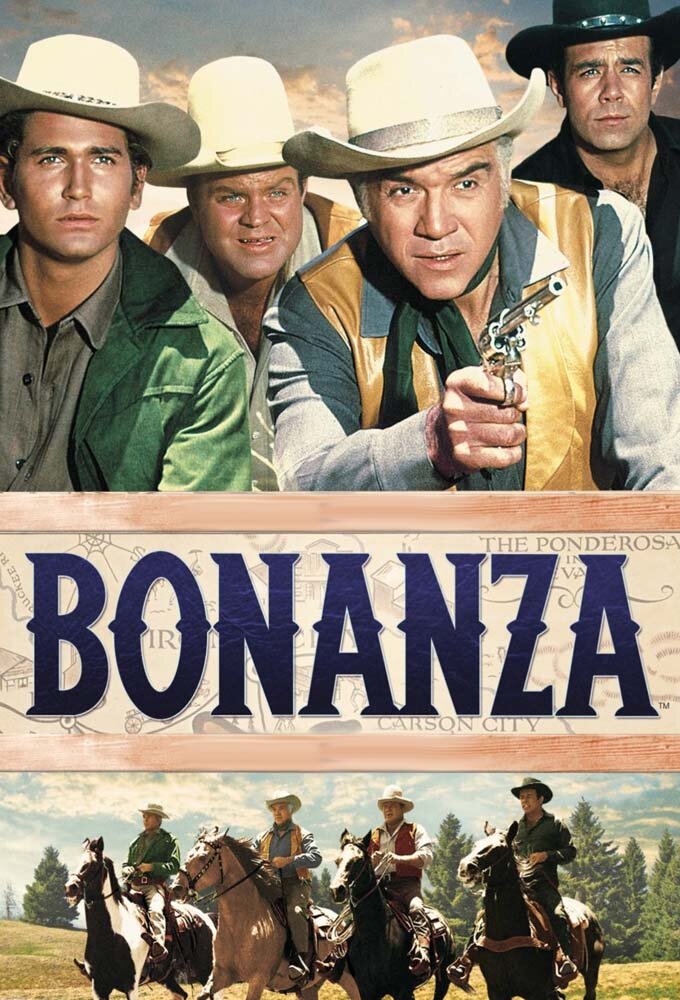
Bonanza1959
Three brothers and their father run a massive ranch, giving the show room for ensemble chemistry and thoughtful scripts. It's warmer than *The Westerner* but shares the same interest in character moments and moral complexity over gunplay.
But It's family-oriented television, which can feel saccharine. Some storylines veer into sentimentality, and the production values look dated even by 1960s standards.
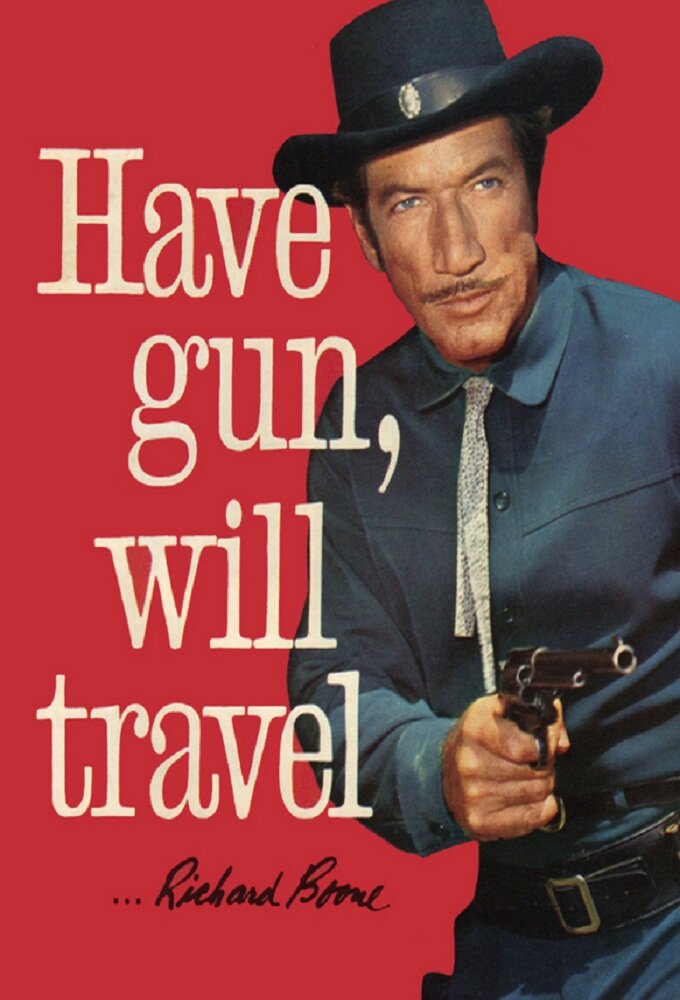
Have Gun - Will Travel1957
Richard Boone plays a gun-for-hire drifting from job to job, a professional loner not unlike Blassingame. The show prizes wit and moral ambiguity, allowing its protagonist genuine doubt about the work he undertakes.
But It's more talky and cerebral than action-packed, which can slow things down. Boone's sophistication—he quotes Shakespeare and plays chess—distances the show from grittier westerns.
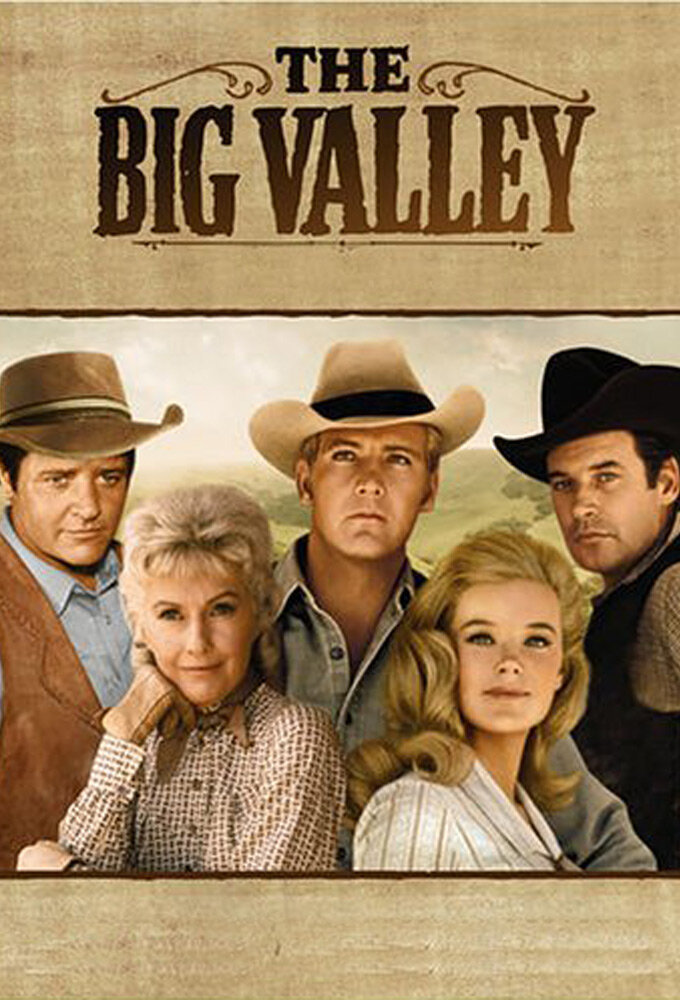
The Big Valley1965
Barbara Stanwyck commands a ranching dynasty in this glossy but genuinely character-driven series. It proves that 1960s television westerns could balance entertainment with thoughtfulness, and Stanwyck's presence recalls Keith's quiet authority.
But It's more melodrama than western, full of romantic entanglements and family intrigue. The production design is polished rather than dusty, softening the frontier edge.
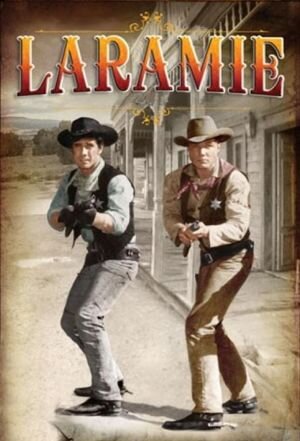
Laramie1959
Two ranch hands navigate Wyoming frontier life with a focus on relationships and moral dilemmas rather than gunfights. It shares *The Westerner's* episodic structure and willingness to let episodes breathe without rushed plotting.
But The cast chemistry takes time to develop, and early episodes feel thin. The show rarely reaches the emotional depth of its best contemporaries.
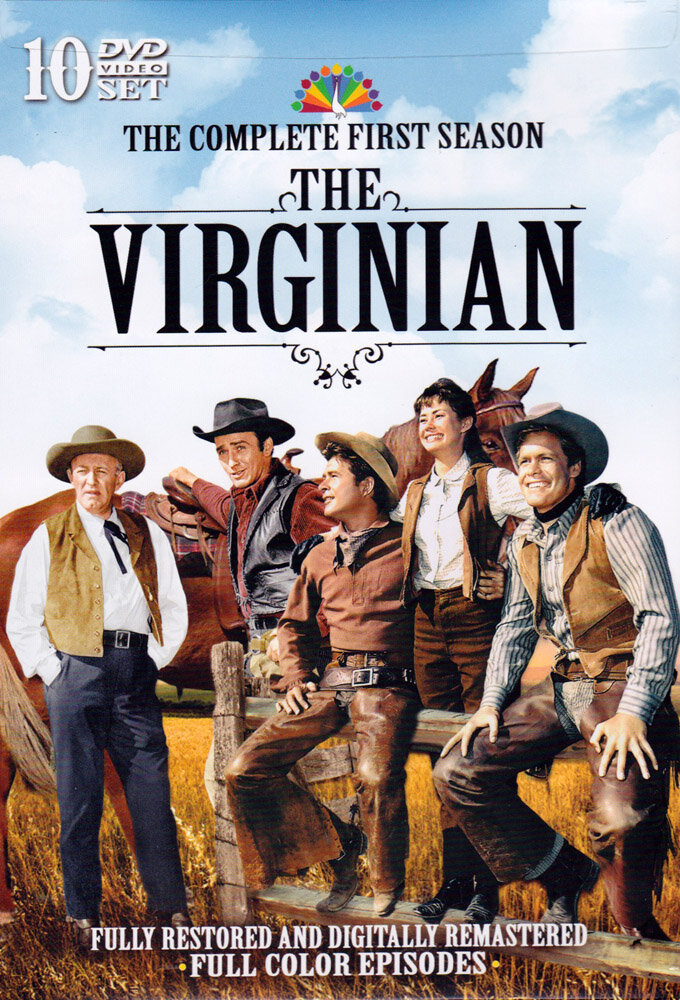
The Virginian1962
James Drury's foreman commands a sprawling ranch with quiet authority and dry humor. The 90-minute format allows stories to develop with real texture, and Drury's performance—understated, watchful—captures something of the Keith approach.
But The expanded runtime makes it feel bloated at times. It leans heavily on romantic subplots and supporting characters who can feel like filler.
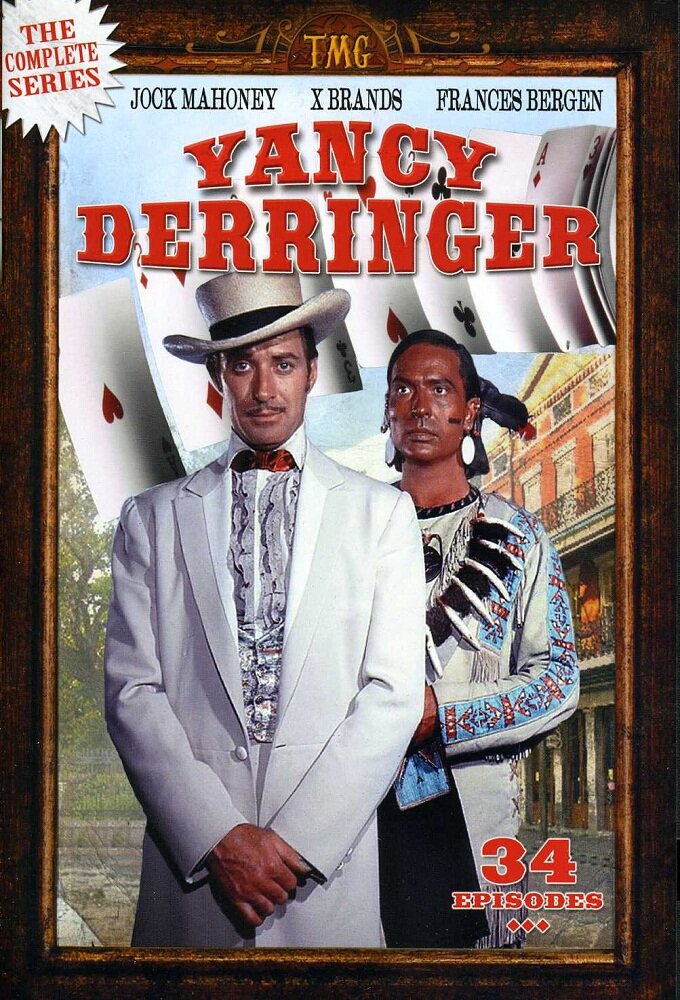
Yancy Derringer1958
Jack Palance plays a New Orleans gambler and adventurer with a sharper edge than most 1950s TV westerns. It's lighter and more comedic than *The Westerner*, but shares the same focus on a lone, capable protagonist moving through each episode fresh.
But The humor can be broad and dated. It prioritizes entertainment over authenticity, which undercuts the grounded feeling that makes *The Westerner* compelling.
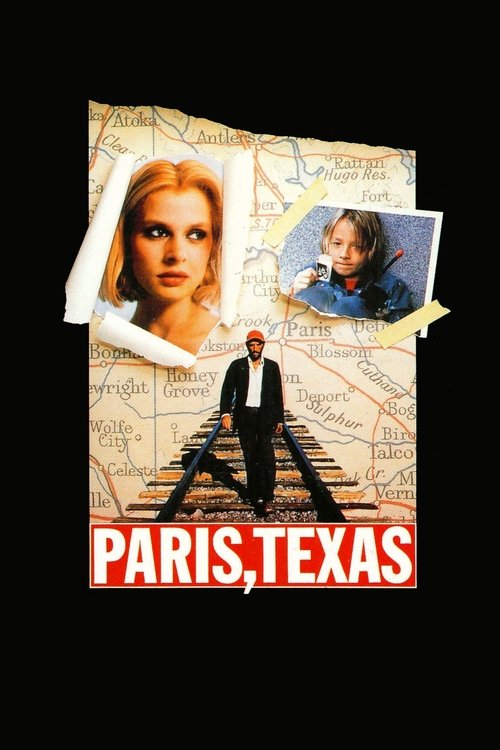
Paris, Texas1984
Both pit a solitary, inarticulate man against vast space. Both trust that a character's internal world can be expressed through what they *don't* say. Both use landscape as a stand-in for emotion.
Wim Wenders' masterpiece follows a man emerging from isolation back into a world he doesn't fit. Harry Dean Stanton walks through American emptiness with the same laconic grace as Blassingame. It's meditative, devastatingly quiet, and about displacement and memory.
But It moves at its own pace—no plot momentum, no climax in the conventional sense. Long takes of empty highways and faces. Wenders requires patience, and modern viewers often find it glacial.
The Ballad of Little Jo1993
Both understand the western as a vehicle for exploring outsiderdom and survival. Both use physical isolation and refusal to romanticize frontier life. Both are genuinely lonely films about people who don't belong anywhere.
Maggie Greenwald's true-story western about a woman passing as a man to survive in 1880s Montana. Shot in washed-out colors that feel documentary-like, it has the episodic loneliness of *The Westerner* but adds gender and identity as the central tension. Deliberately anti-glamorous.
But It's slow and undramatic. Nothing builds to a conventional climax; the film simply ends. The historical minutiae and gender theory will feel heavy-handed to viewers looking for entertainment.