Television series
Hopalong Cassidy
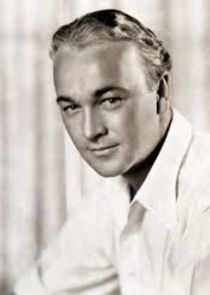
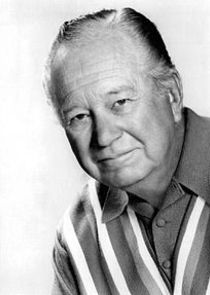
A 1950s TV western starring William Boyd as the virtuous, quick-draw Hopalong Cassidy. Brisk, efficient episodes blend genuine action with comic relief courtesy of Edgar Buchanan's Red Connors. It's frontier entertainment that takes its heroism seriously but doesn't take itself too seriously—the kind of thing that sustained American television before everything got complicated.
Should you watch it?
Watch it if you love old-fashioned horse opera where the hero is a steady, courteous gentleman, the chases are simple and clean, and a sidekick's wisecracks land between the gunfights.
Skip it if you want modern Westerns with moral grey areas, slow-burn character work, or anything gritty, since this is brisk, wholesome and built for a more innocent era of television.
What it asks of you: Each episode runs about fifty minutes and moves at a trot, so it asks little more than a willingness to settle in with a familiar formula and enjoy its easy rhythm.
Not sure? Find tonight's pick in a minute.
If you liked this
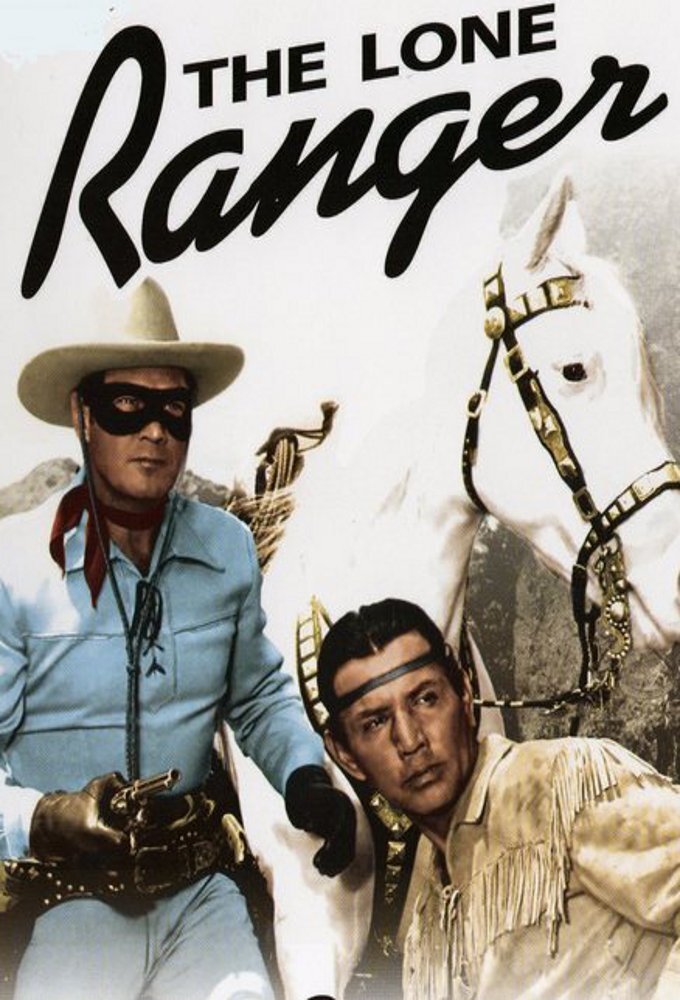
The Lone Ranger1949
The spiritual cousin to Hopalong: a masked hero, a loyal sidekick, a horse of almost mythical importance, and stories that move with real momentum. Clayton Moore's Ranger has similar moral clarity and genuine stunt work.
But The format feels dated now—crisp and clean to the point of sterility. There's no moral ambiguity, no edge, which some find boring rather than restful.
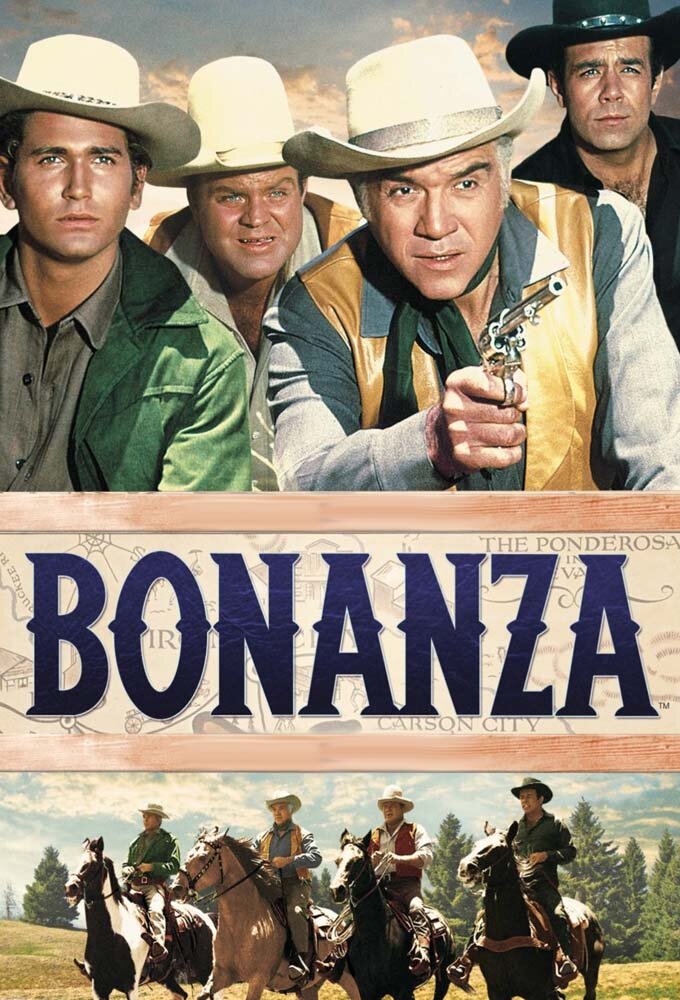
Bonanza1959
A western that proved the form could sustain longer, more complex stories while keeping the basic DNA: honorable men, family bonds, regular encounters with the lawless. Lorne Greene anchors it with quiet authority.
But Runs 14 seasons and 430 episodes. The early seasons are tighter; later ones feel padded. Commitment required.
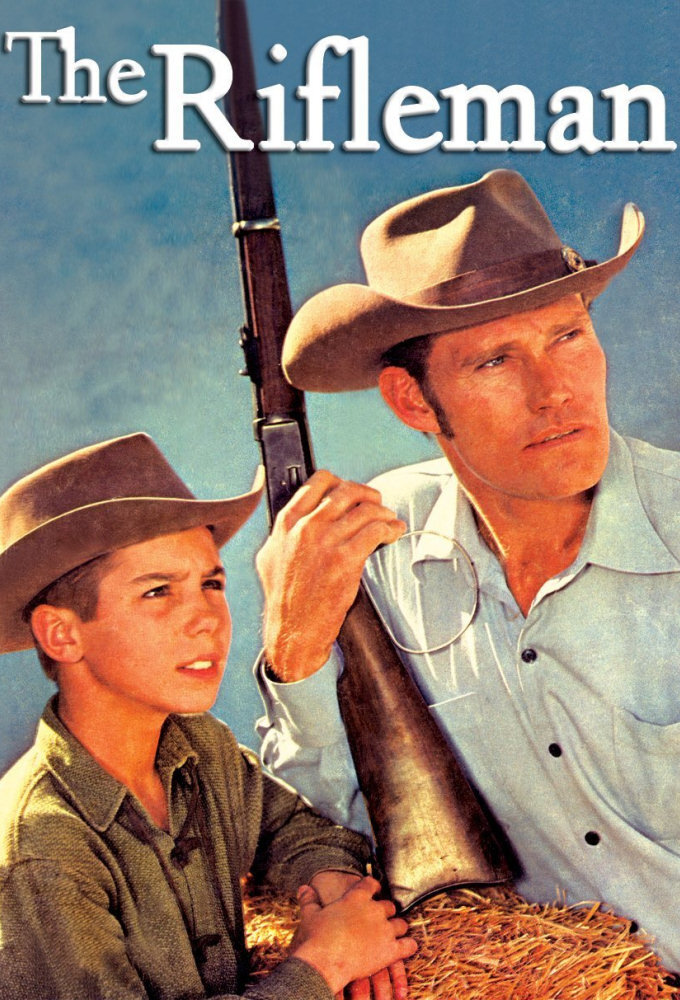
The Rifleman1958
Chuck Connors as Lucas McCain: a widowed rancher raising his son, solving problems with skill and conscience. Tighter scripts than many contemporaries, with genuine heart alongside the gunplay.
But Some episodes lean heavily into sentimentality. The pacing assumes modern audiences have more patience for setup than they do.
Not sure tonight? Get a pick in a minute, starting from Hopalong Cassidy
The wildcard
Something you would not have found on your own.
Johnny Guitar1954
Both build westerns on the bedrock of a heroic stranger arriving to set things right—but Ray uses that structure to question heroism itself, making it a dark mirror of everything Cassidy stands for.
Nicholas Ray's fever dream: Joan Crawford as a tough saloon owner, Sterling Hayden as the drifter, and a western so strange and visually baroque it barely resembles the genre. It's what Hopalong would look like filtered through Technicolor obsession and repressed desire.
But The plot makes limited sense. It's abstract and stylized where Hopalong is functional. If you want a story you can follow cleanly, this will frustrate you.

More like this (8)
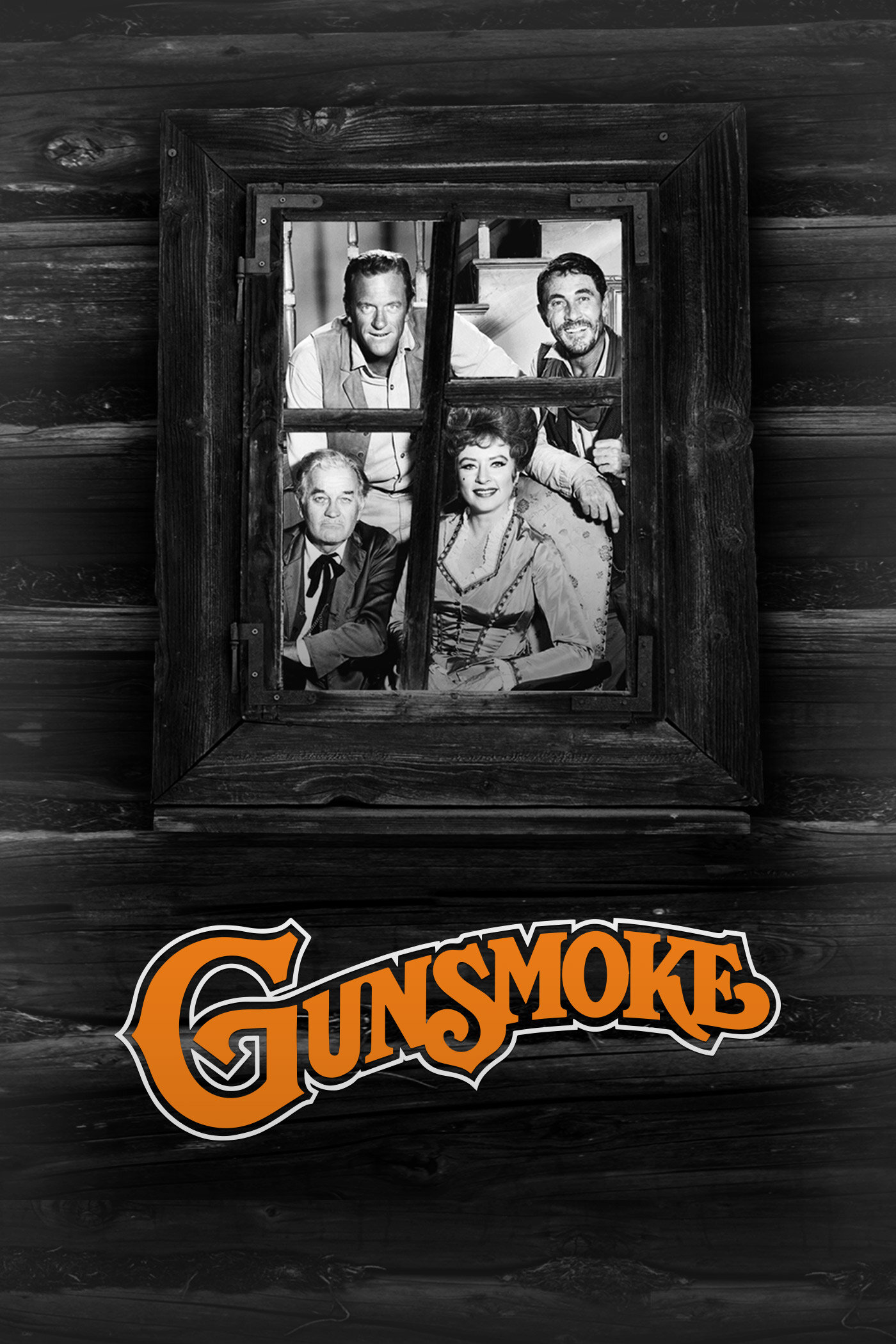
Gunsmoke1955
The western that made the form respectable—James Arness as Matt Dillon, steady and principled, navigating a frontier town with complexity. It proved TV westerns could be genuinely good.
But It ran 20 seasons. Only the first five or six are essential; after that it's variable. The early episodes are much better.
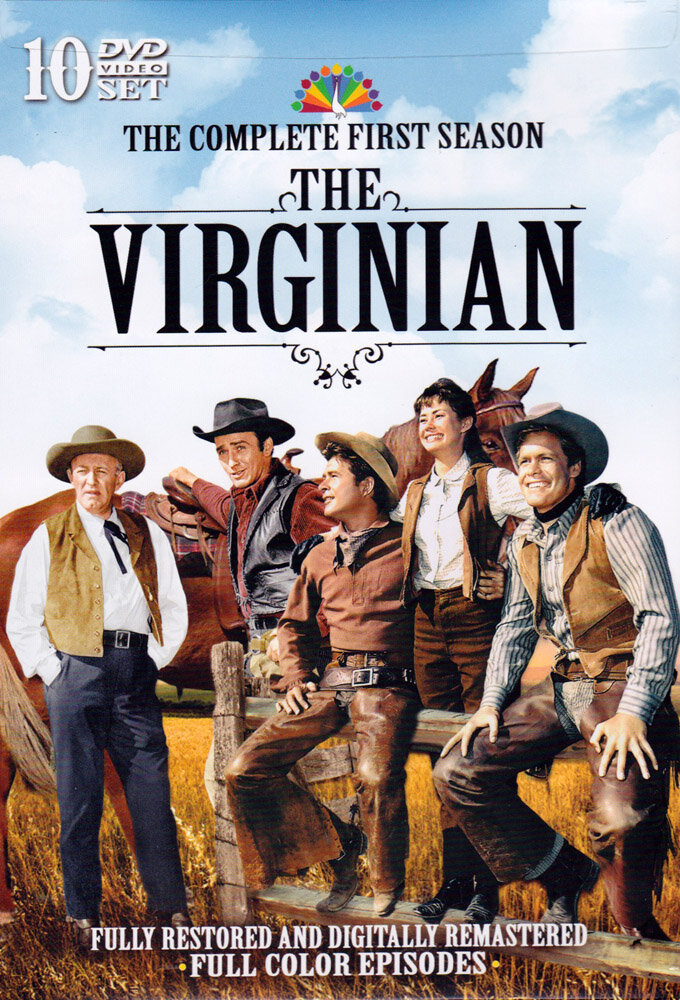
The Virginian1962
A more sophisticated western, 90 minutes per episode, with actual character development and moral dilemmas. James Drury's calm authority feels like a natural heir to the Cassidy tradition.
But The extra length sometimes works against it—episodes can feel padded. Less efficient storytelling than the 53-minute format forces.
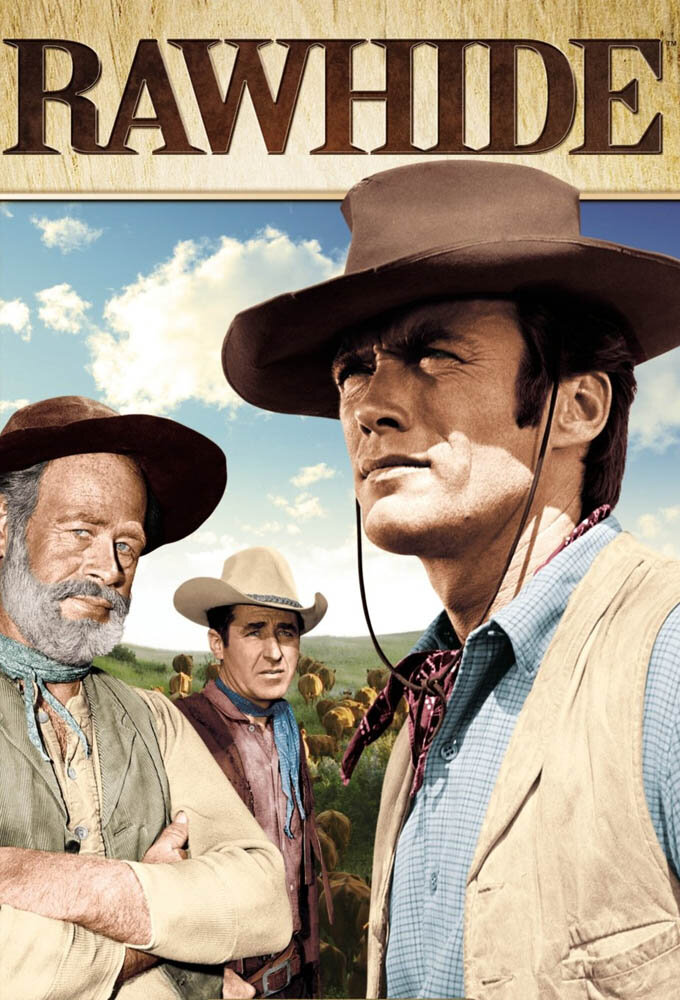
Rawhide1959
A cattle drive as ongoing premise: Eric Fleming and Clint Eastwood (pre-fame) leading drovers across dangerous country. Real location work, genuine tension, and a format that justifies episode-to-episode stakes.
But Episodic to a fault; most installments are self-contained and forgettable. You're watching for the atmosphere more than individual stories.
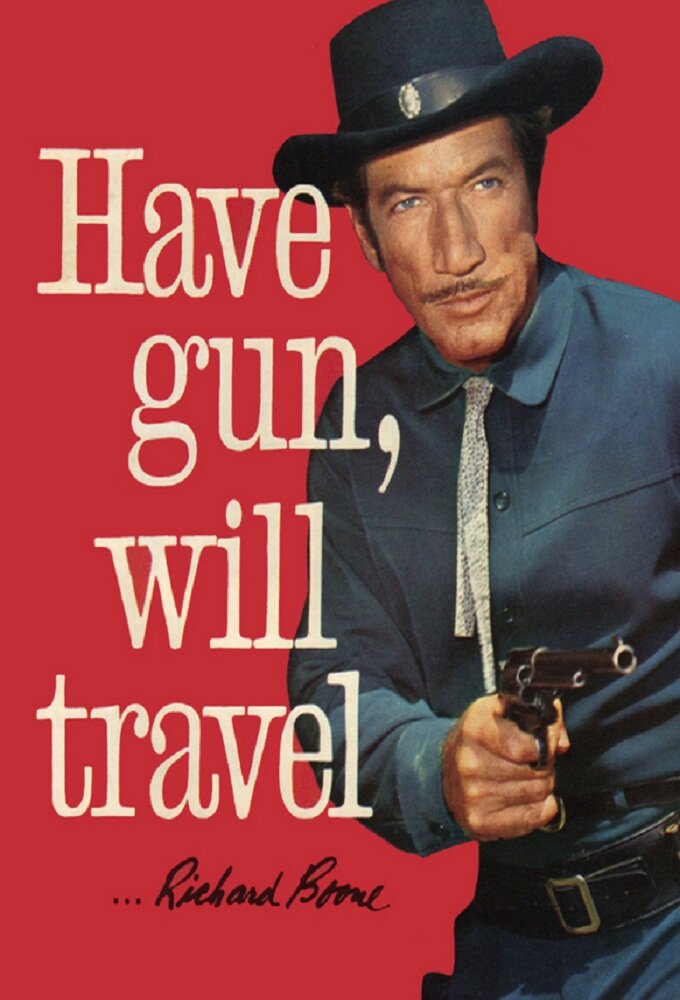
Have Gun - Will Travel1957
Richard Boone as Paladin: a gunslinger with principles and culture. Smart scripts, moral sophistication beneath the action. It's a western that respects the audience's intelligence.
But Deliberately cerebral; if you want straightforward action and adventure, this overthinks things. Some episodes are talky rather than active.
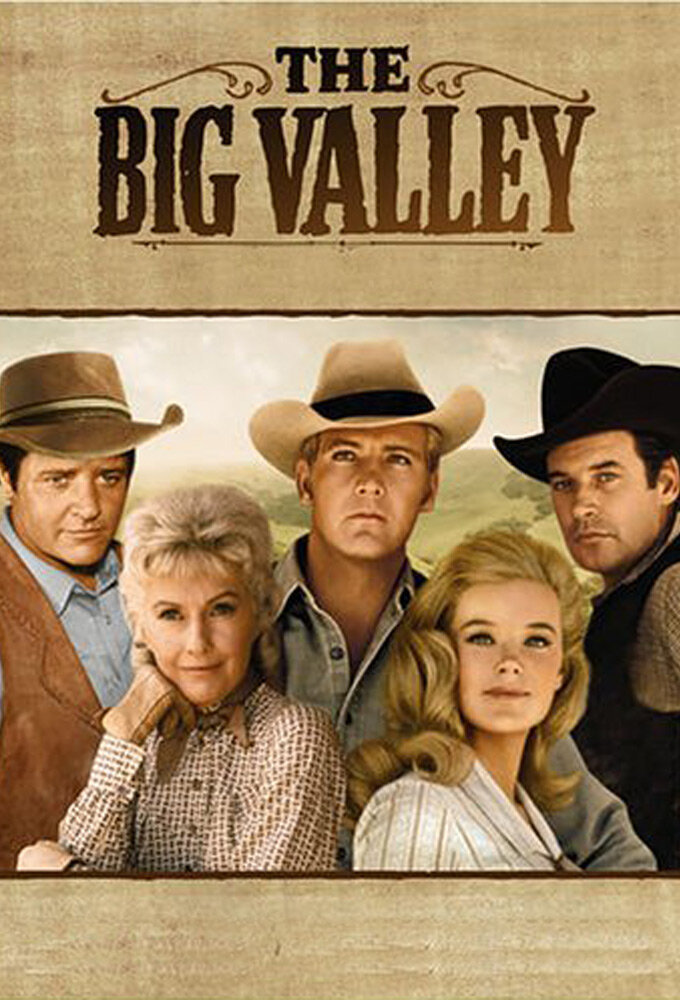
The Big Valley1965
Barbara Stanwyck leading a ranching family through western challenges with steel and warmth. Beautifully shot, well-written, and genuinely gripping. Stanwyck is worth the price of admission alone.
But Strictly speaking, this is a family drama that happens to be a western. If you want gunfights and outlaws, you'll find character talk instead.
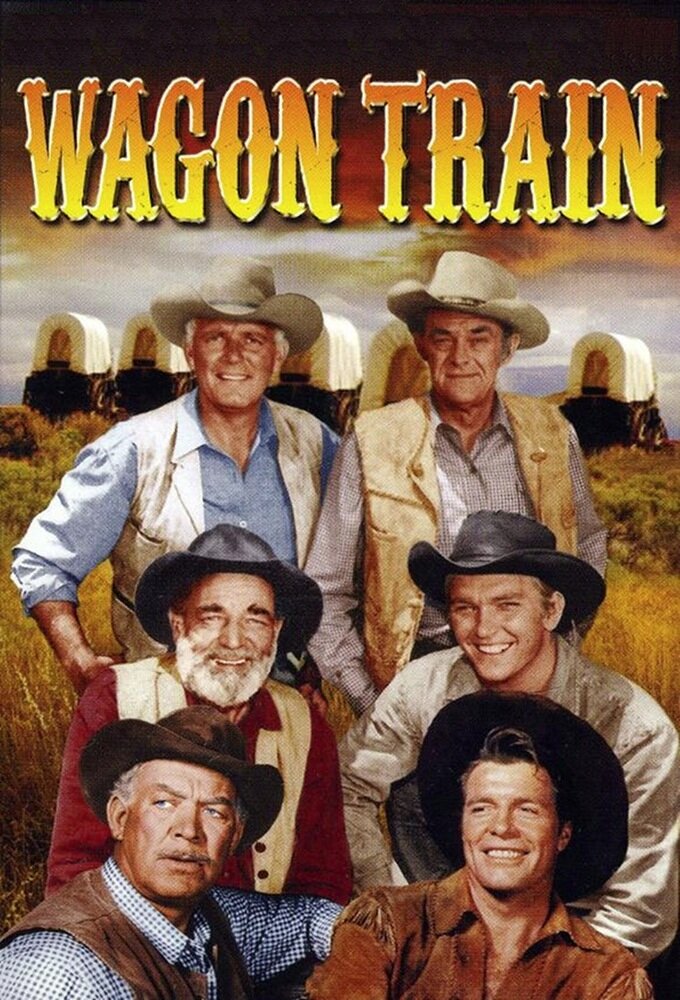
Wagon Train1957
A wagon expedition as anthology: each episode a new group, a new problem, a new moral test. Ward Bond's calm leadership recalls the Cassidy formula, and the variety keeps it fresh.
But Anthology format means most stories are predictable. The best episodes are scattered through eight seasons; most are adequate filler.
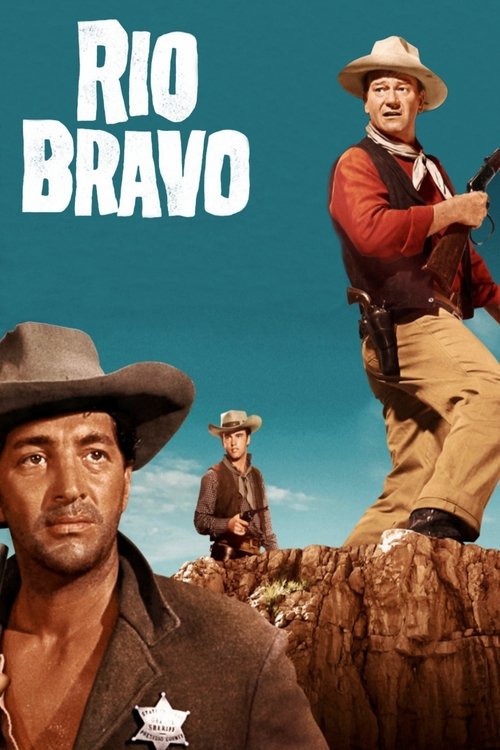
Rio Bravo1959
Both films center on men of principle enforcing order through skill and character. Rio Bravo asks what that costs, whereas Hopalong assumes the cost is worth paying.
Howard Hawks' masterpiece: John Wayne, Dean Martin, and Walter Brennan holding a desert town against overwhelming odds through competence, loyalty, and grace under pressure. It's Hopalong for adults—the same virtues, the same code, but earned through real sacrifice.
But At 2 hours 21 minutes, it's deliberately paced. Modern audiences find Hawks' rhythm glacial. Nothing rushes; tension builds through stillness rather than action.
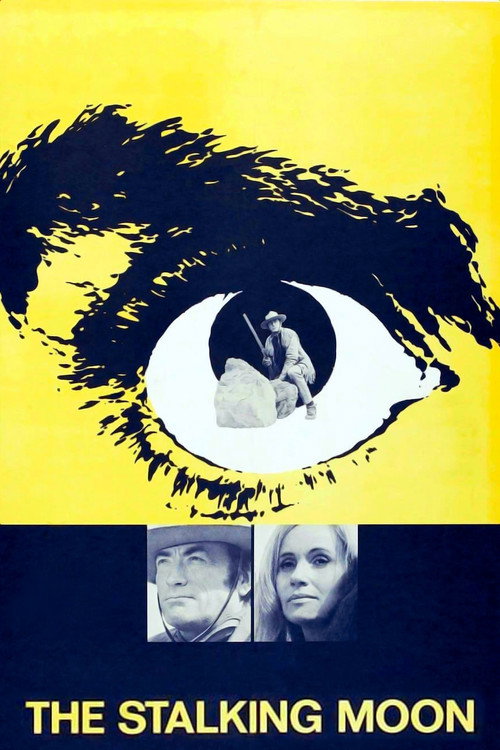
The Stalking Moon1968
Same era, same landscape, same archetype—but Stalking Moon suggests the white-hat hero model was always a myth, and what happens when that myth meets the frontier's actual moral chaos.
Gregory Peck as an aging Apache scout protecting a white woman and her half-Indian son from vengeful pursuers. It's a western about moral complexity and the impossibility of clean heroism—a reckoning with everything the Cassidy formula assumes.
But Slow, meditative, sometimes ponderous. The final act fractures under its own philosophical weight. Not a story that resolves neatly or satisfies easily.