Television series
Cheyenne
- Classic western
- Action
- Dip in and out
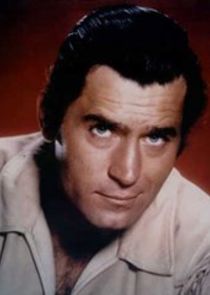
Cheyenne is a classic 1950s Western built entirely on Clint Walker's imposing presence and easy charisma. Each episode sends the drifting hero into a new town, a new trouble, a new moral test—straightforward storytelling with genuine stakes and Walker's considerable charm doing the heavy lifting. It's the template for the TV Western that worked for decades.
Should you watch it?
Watch it if you grew up on sunny, straight-shooting Westerns where the hero is a steady gentle giant solving one problem per hour, and you enjoy the comfortable rhythm of a show that trusts its audience to be decent.
Skip it if you want the grit, moral ambiguity or slow-burn character work that later Westerns made standard; this is brisk, wholesome and often predictable, and its seven seasons of episodic plots can feel repetitive.
What it asks of you: Each episode runs about an hour and asks little more than your attention for a single story, with a light touch and a clear sense of right and wrong that never gets very dark.
Not sure? Find tonight's pick in a minute.
If you liked this
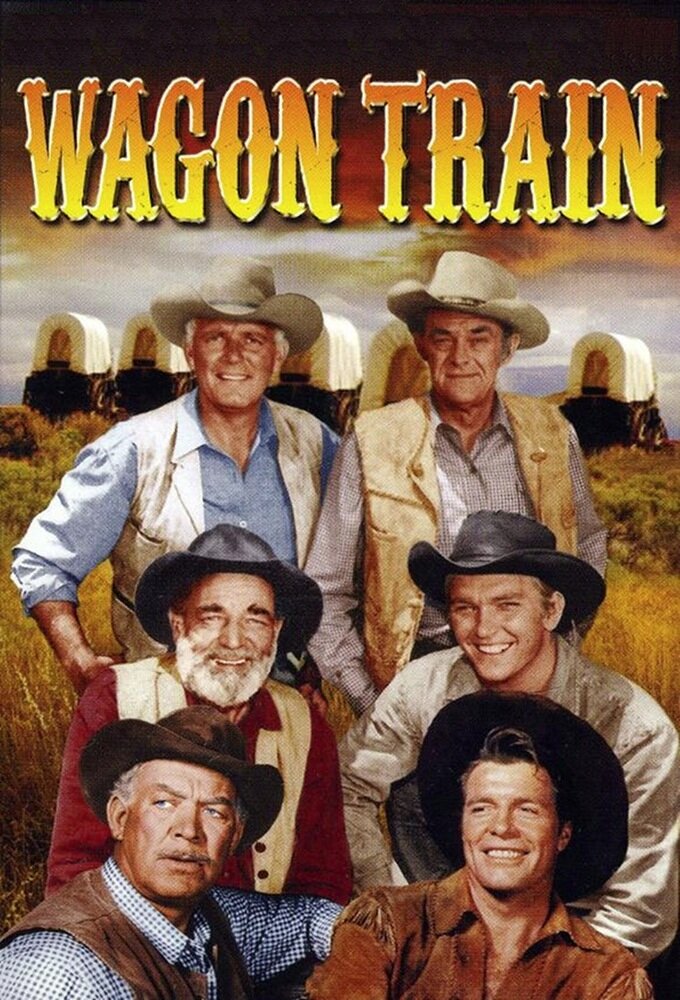
Wagon Train1957
Same DNA as Cheyenne—episodic, character-driven, a mobile setting that lets each week tell a complete story with real emotional weight. Ward Bond's authority anchors the ensemble the way Walker anchors his show.
But The pacing feels sedate by modern standards, and the ensemble format means less focus on any single character than you might want.
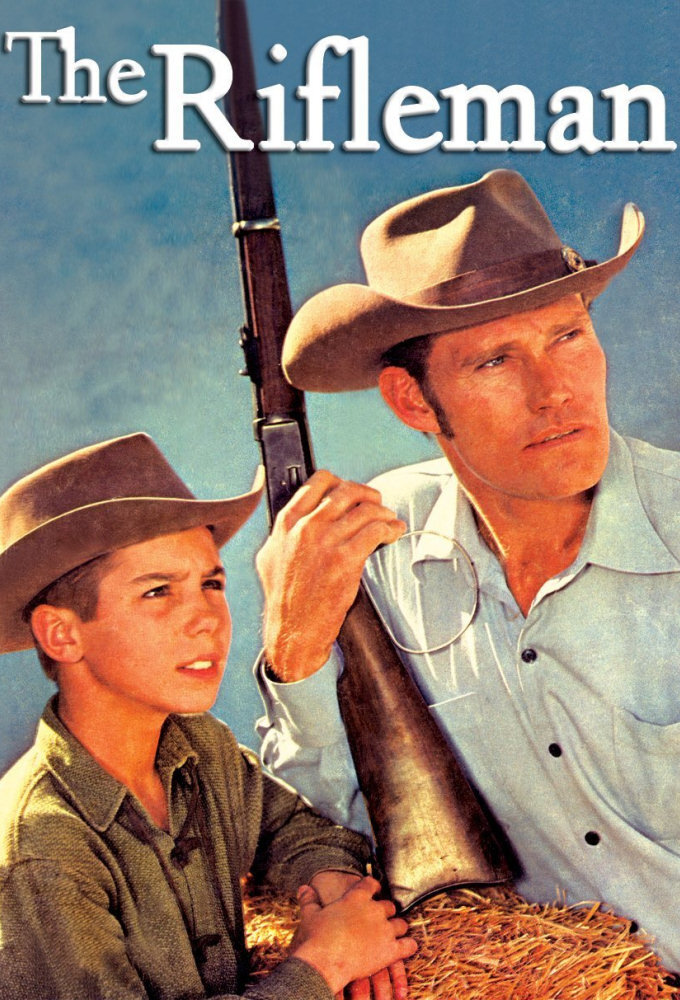
The Rifleman1958
Chuck Connors commands the screen with similar physicality and warmth. The show uses its rural New Mexico setting for genuine dramatic variety—not just shootouts, but family, community, moral complexity beneath the action.
But Heavy focus on the father-son relationship may feel sentimental if you're after pure adventure.
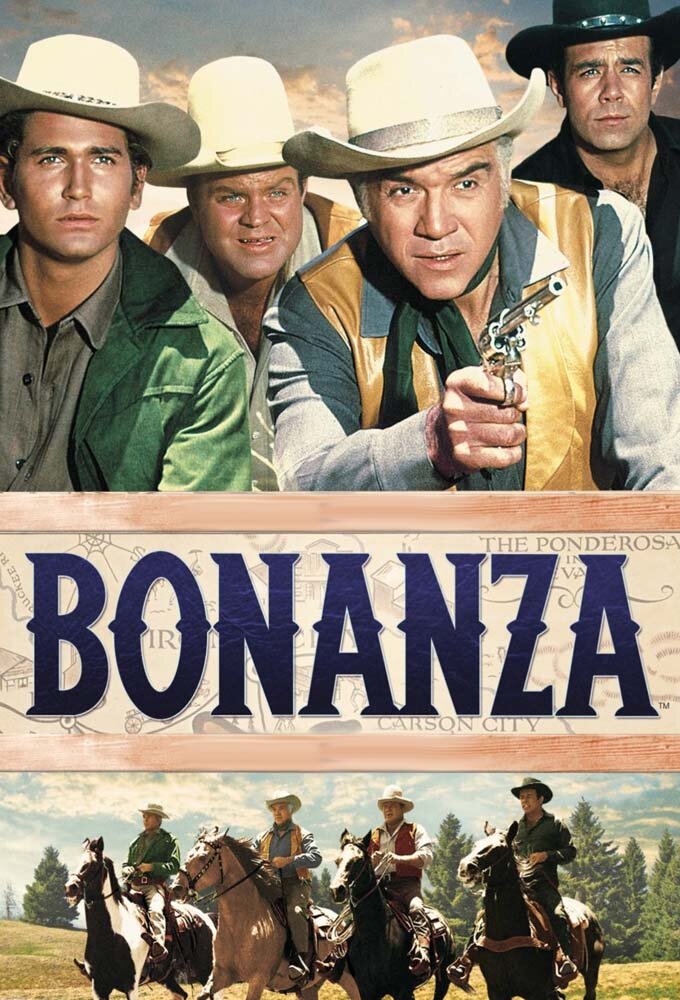
Bonanza1959
The Ponderosa becomes as much a character as any of the Cartwrights. Each week mixes action, humor, and real consequences in a way that elevated the TV Western. Lorne Greene's authority and the supporting cast's warmth make it endlessly rewatchable.
But Runs for fourteen seasons, which is a serious time commitment, and later seasons lose the edge the early ones had.
Not sure tonight? Get a pick in a minute, starting from Cheyenne
The wildcard
Something you would not have found on your own.
Johnny Guitar1954
Both pit a lone, capable protagonist against a town's corruption, but Johnny Guitar subverts every assumption Cheyenne makes about heroism and justice, turning the Western's moral clarity into something closer to nightmare.
Nicholas Ray directed this Technicolor Western fever dream where Joan Crawford's ruthless saloon owner faces off against Mercedes McCambridge's rival with a violence and perversity entirely removed from the Cheyenne-style righteousness. Pure cinema, absolutely strange, unforgettable.
But It's violently against the grain of what the TV Western was selling—camp, sexual, almost surreal. Looks nothing like what you expect from 1954.

More like this (8)
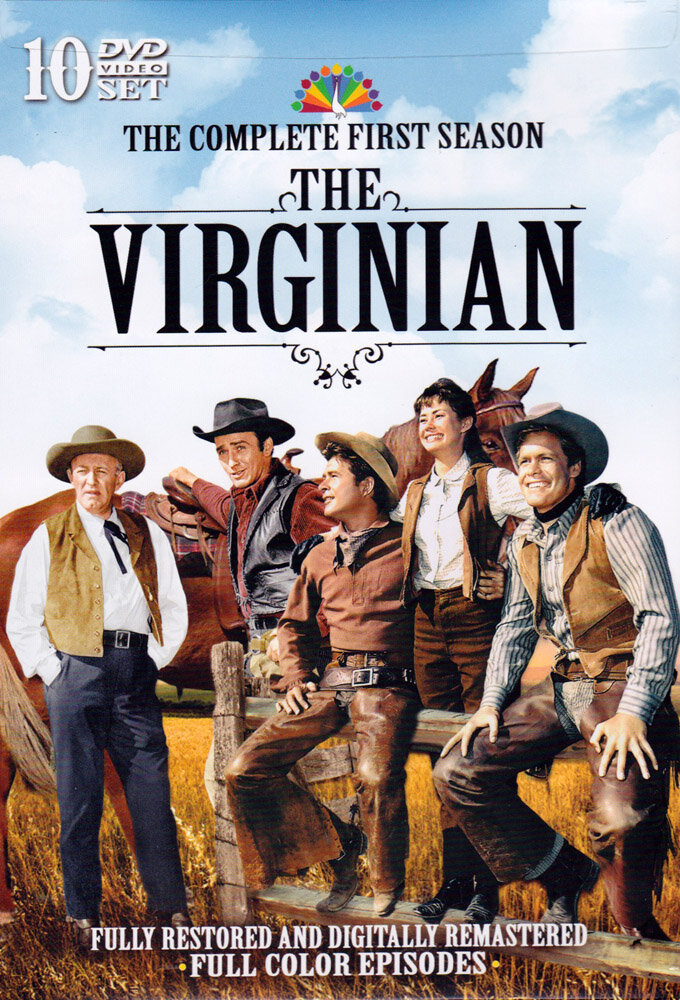
The Virginian1962
James Drury's quiet authority and the show's willingness to build episodes around character and dialogue rather than just gunplay proved the TV Western could be genuinely dramatic. Ninety minutes per episode lets stories breathe.
But The Virginian's inscrutability can feel cold compared to the warmth of Cheyenne, and some episodes lean hard on melodrama.
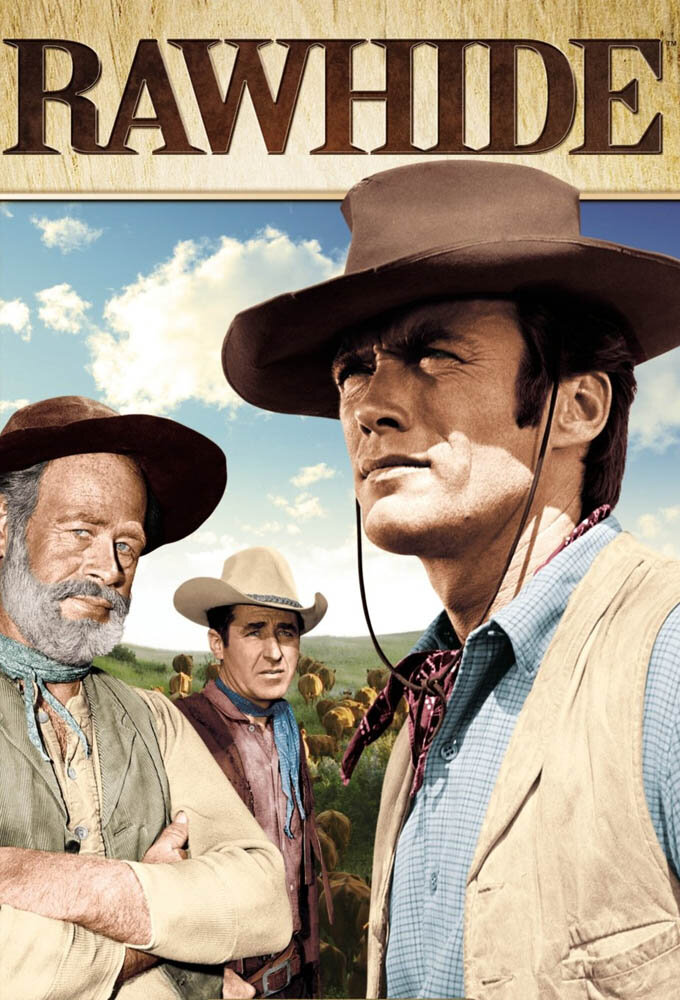
Rawhide1959
Clint Eastwood and Eric Fleming lead a cattle drive that never quite arrives, letting the show tell a new story every week with the same group of characters. The restlessness matches Cheyenne's wandering hero perfectly.
But The repetition of the format can wear thin—another cattle problem, another town, another delay—and Eastwood's character is often sidelined.
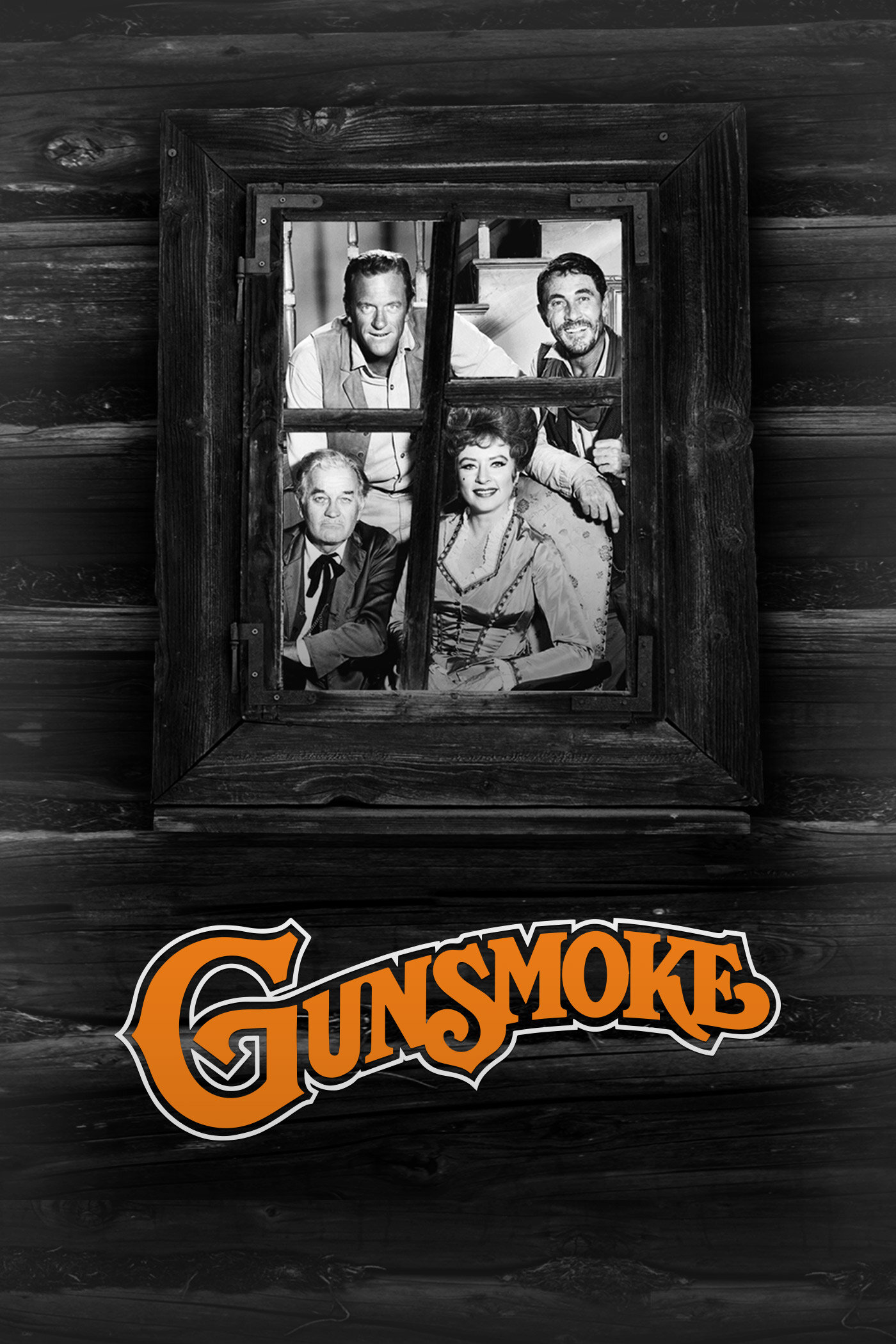
Gunsmoke1955
James Arness rooted an entire universe in Dodge City. The show proved the TV Western could sustain genuine character development and moral complexity across hundreds of episodes while staying entertaining.
But Twenty seasons is overwhelming, and the early episodes are rougher than later ones—there's a learning curve before the formula clicks.
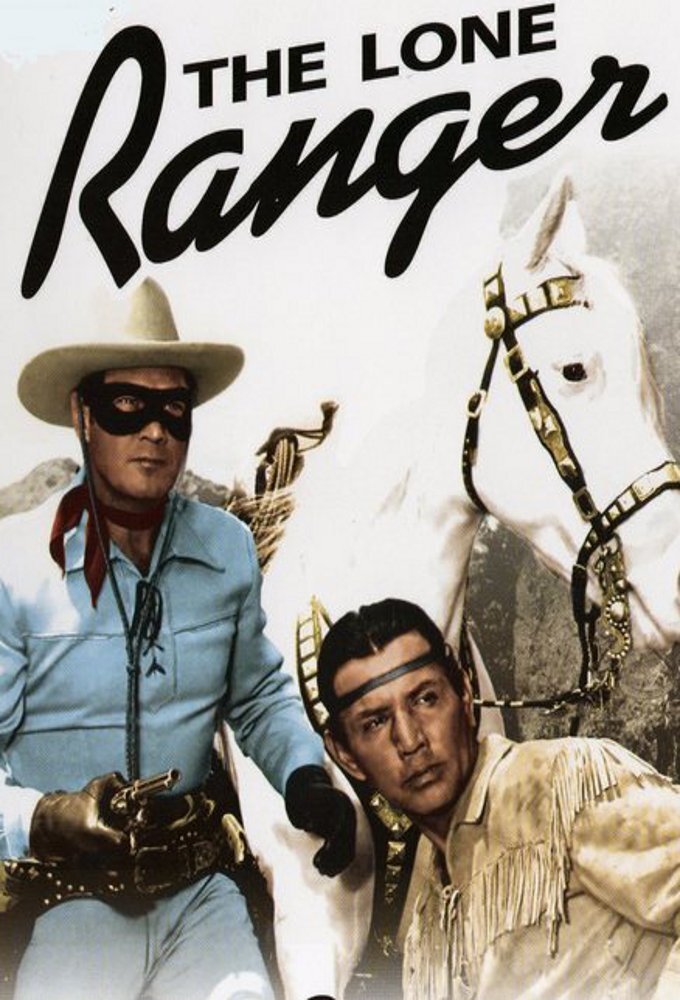
The Lone Ranger1949
Clayton Moore's masked hero and Jay Silverheels's Tonto created the template for the righteous drifter that Cheyenne Bodie inherits. Cleanly told, efficiently plotted, genuinely fun—this is the DNA made visible.
But The moral clarity feels quaint now, and at half an hour per episode, stories can feel thin compared to Cheyenne's hour-long format.
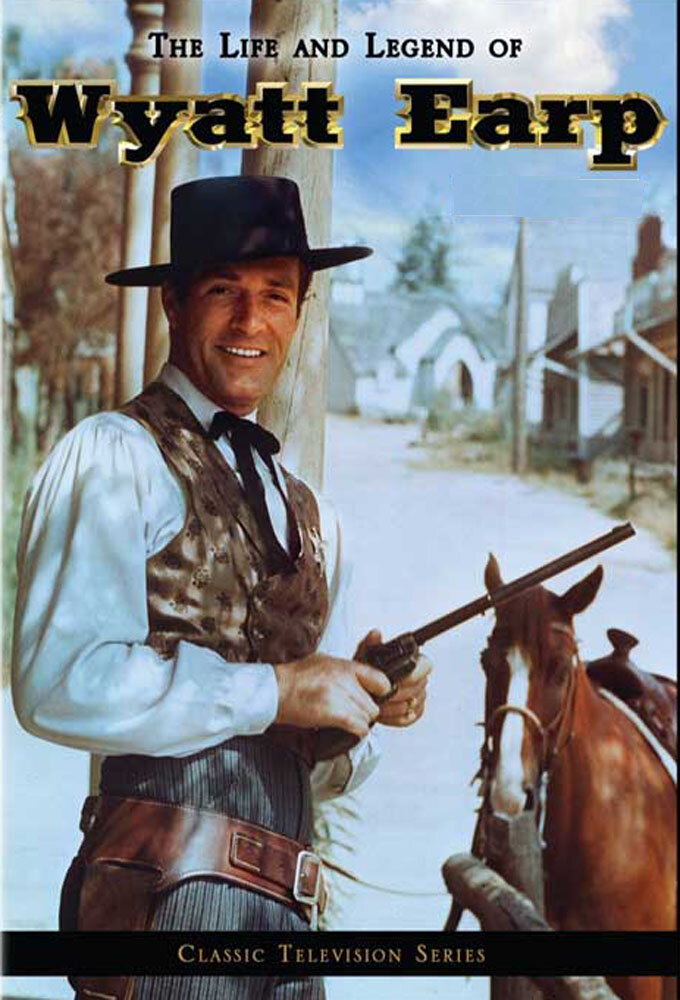
The Life and Legend of Wyatt Earp1955
Hugh O'Brian's Wyatt is grounded and human in ways the mythology usually doesn't allow. The show balances legend with character, letting you see the man behind the reputation.
But Runs only two seasons and was overshadowed by competitors, which means less depth of story than you get with Cheyenne's longer run.
The New Batman Adventures1997
John Russell's Tate brings a weathered weariness to the marshal's role. The show finds genuine humor in the job and its absurdities while keeping real consequences intact.
But Less prestigious than its contemporaries and sometimes the stories feel thin, stretched across an hour without quite earning the time.
The Ballad of Little Jo1993
Same structure of a drifter making their way through the West with practical skills and moral ambiguity, but told from the underside of history that Cheyenne never could have acknowledged.
Suzy Amis plays a woman who survives by becoming a man in the Old West, and director Maggie Greenwald tells it with the same episodic, matter-of-fact storytelling as Cheyenne but from a perspective entirely erased from 1950s television. Quiet, powerful, genuinely subversive.
But It's a 1993 film, so the pacing and style are completely different from the TV series. The tone is melancholic rather than adventurous, and the payoff is ambiguous.

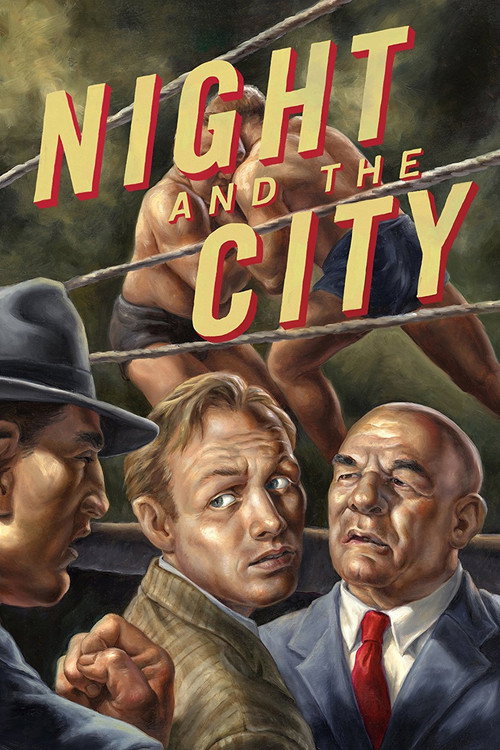
Night and the City1950
Both follow a capable, likable man moving through a landscape solving problems with wits and charm, but where Cheyenne suggests redemption through virtue, Dassin shows a world where that just gets you destroyed faster.
Jules Dassin's noir masterpiece transplants the drifter-in-trouble archetype to post-war London's underworld, and it has Cheyenne's episodic structure of encounters and betrayals but shot through with moral corruption and desperation. Criterion restoration makes it stunning.
But It's 1950s film noir shot in black-and-white on London streets—nothing resembles the Western landscape, the tone is oppressive rather than heroic, and it's genuinely bleak.