
Television series
The Life and Legend of Wyatt Earp
The first adult western on television, this 1955 series follows frontier marshal Wyatt Earp through six seasons of frontier justice and gunfights. It's a straightforward, episodic adventure show—clean action, quick resolutions, genuinely thrilling for its era. Perfect if you want classic TV western fundamentals without baroque plotting or moral complexity.
Should you watch it?
Watch it if you enjoy old-fashioned, episodic frontier yarns where a steady, decent lawman handles the day's trouble with a tip of the hat and a firm sense of right.
Skip it if you want modern pacing or morally tangled heroes, since this is a black-and-white, tidy-minded half-hour built on clean-cut certainties and plenty of stock dialogue.
What it asks of you: Settle in for half-hour chunks, one self-contained story at a time, with an unhurried rhythm and a plainspoken attention span rather than sustained suspense.
Not sure? Find tonight's pick in a minute.
If you liked this
Gunsmoke1955
Premiered the same week and became the gold standard for TV westerns. It has the same DNA as Wyatt Earp but deepens into character and consequence, showing what the form could become.
But Sixteen seasons is daunting, and the early episodes share that half-hour pace you might want to leave behind.
Maverick1957
A western that knows how to have fun. Self-aware humour and clever scripts elevate it beyond the standard shoot-and-settle format while keeping the adventure intact.
But The tone is lighter and more comedic than Wyatt Earp, which might feel like a tonal whiplash if you're after straight action.
The Rifleman1958
Chuck Connors and a modified rifle in 168 tight, satisfying episodes. Strong central performance and clean storytelling that respects the audience's time without sacrificing tension.
But It's very much a product of its era—some plots feel slight by modern standards, and the morality can be blunt.
Not sure tonight? Get a pick in a minute, starting from The Life and Legend of Wyatt Earp
The wildcard
Something you would not have found on your own.
Rio Bravo1959
Both are about a single lawman in a contained situation holding a line, but Rio Bravo trusts silence, waiting, and the weight of moral choice in ways the series barely approaches. It's the grown-up version of what Wyatt Earp was building toward.
Hawks' masterpiece shows what a western could be when you trust your audience to sit with character and conversation. It's a siege film more than an action film, but the tension is immaculate and the performances are definitive.
But 141 minutes of people talking in a jail, waiting for a showdown. If you need constant movement and incident, it will test your patience even though it absolutely rewards it.
More like this (7)
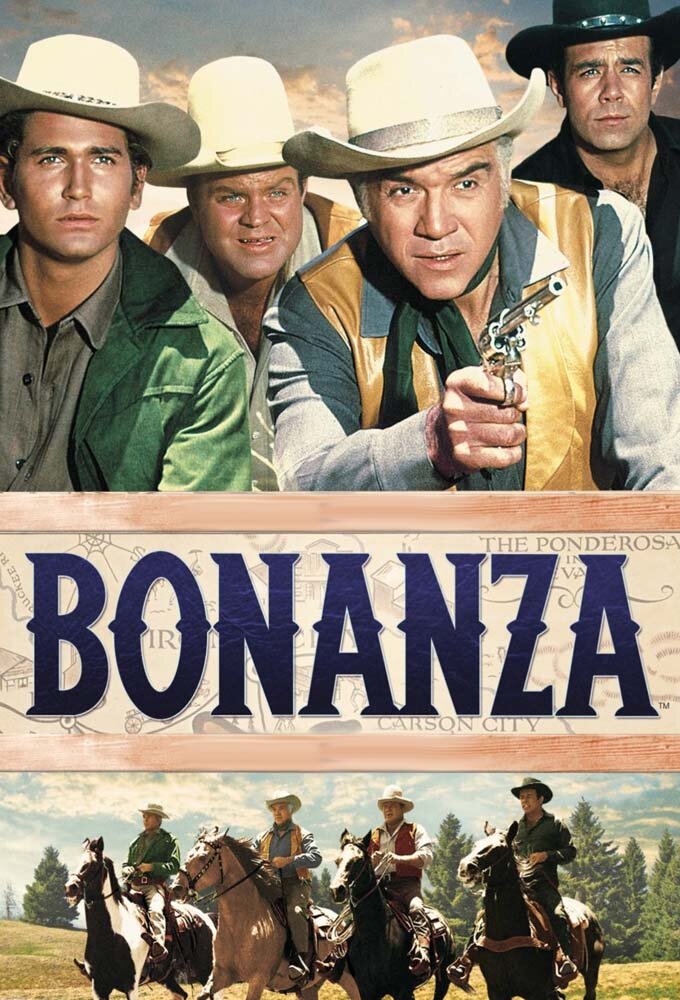
Bonanza1959
Bigger budget, lush location shooting, and Lorne Greene's authoritative presence. It shows how the western evolved into something more cinematic and family-oriented while keeping adventure central.
But Fourteen seasons means uneven quality, and some episodes get tangled in sentimentality that undercuts the action.
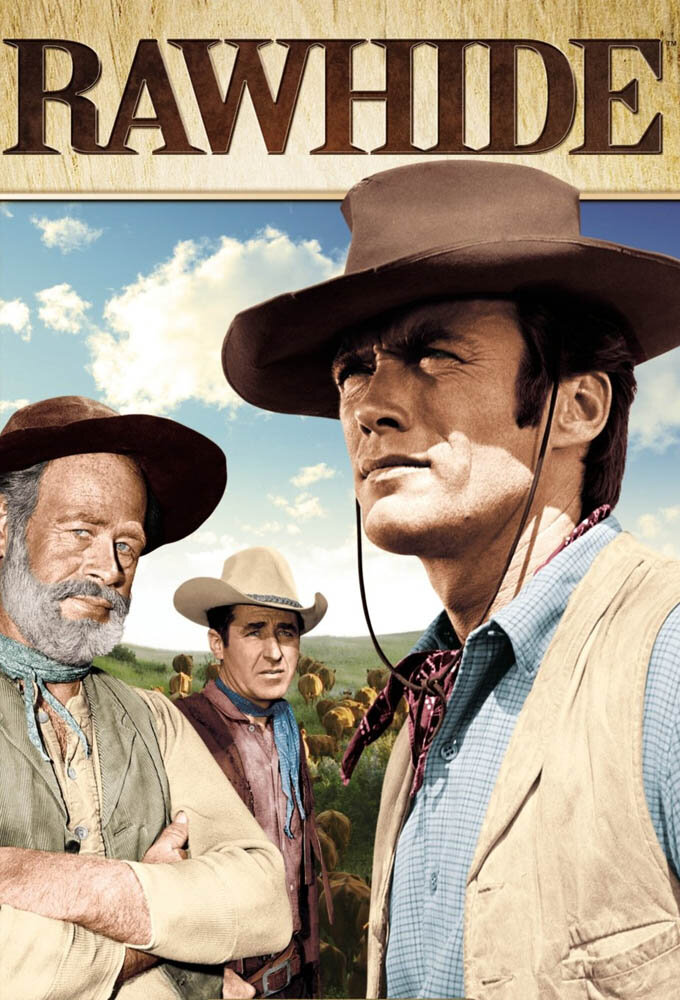
Rawhide1959
Cattle drives, working cowboys, and Clint Eastwood before he became a legend. The premise gives it natural variety—each episode is genuinely different in ways town-based shows struggle to achieve.
But Less gunfighting than typical westerns; if you're watching for quick draws and showdowns, you'll find less of both.
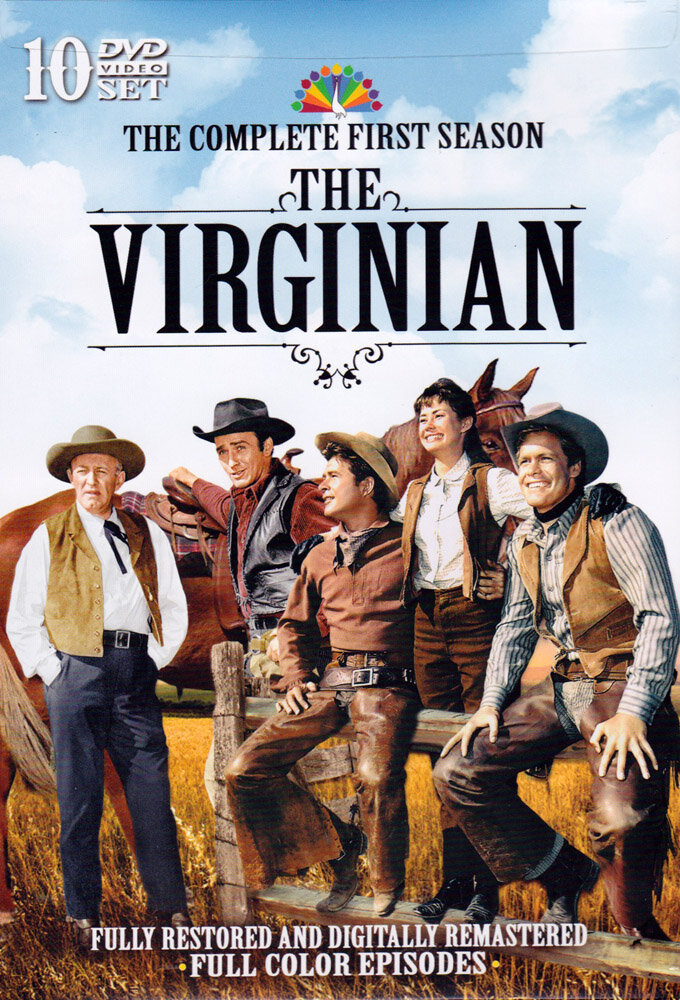
The Virginian1962
The first 90-minute western on television, it brought psychological depth and genuine tension to the form. James Drury's quiet authority and morally complex scripts make it feel modern in ways 1950s TV rarely does.
But The longer format means slower pacing and more time spent on character deliberation than action, which might feel indulgent if you like snappy resolutions.
Laramie1959
Two ranch hands in Wyoming, working through cattle drives and mysteries. Tight writing, good chemistry between the leads, and surprisingly effective at balancing action with genuine character moments.
But It's earnest to the point of being plain—no humour, no stylization, just straightforward frontier storytelling that demands patience.
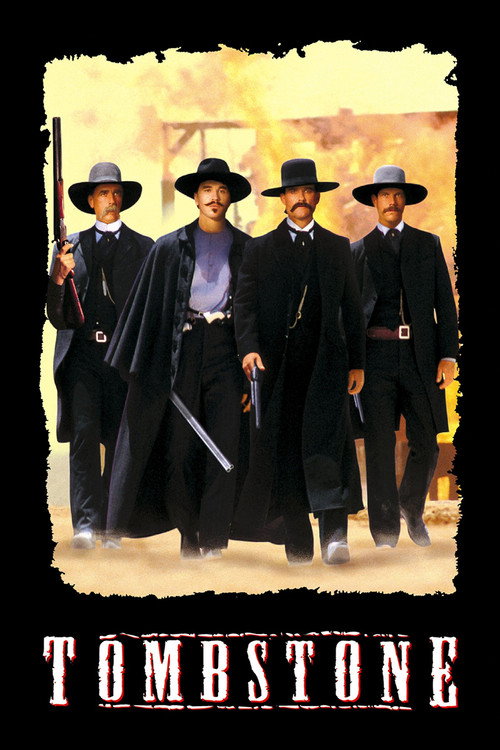
Tombstone1993
Kurt Russell and Val Kilmer in a roaring, gleeful western about the OK Corral. It's the mythologized Wyatt Earp rendered at full volume—spectacular gunfights, impossible charisma, pure entertainment.
But It trades historical accuracy and psychological realism for spectacle. If you want Earp the actual person rather than Earp the legend, this will irritate you.
Johnny Guitar1954
Nicholas Ray directing Joan Crawford in a western that cares nothing for tradition. Strange, stylized, genuinely unsettling in ways most westerns of the era weren't willing to be.
But It's avant-garde and confrontational. If you want a comfortable western, this is hostile to that instinct, and the gender-swap casting still provokes in ways that might feel alien.

The Ballad of Little Jo1993
Both use the historical west as their setting, but while Wyatt Earp celebrates the marshal and the myth, Little Jo reveals what the actual frontier required of people the myth erased—the cost of survival when the law doesn't see you as human.
Based on true story of a woman who lived as a man on the frontier to survive. Maggie Greenwald's quiet, unsentimental direction treats the west not as mythology but as arithmetic—what do you need to stay alive?
But It's deliberately unglamorous and slow. There are no gunfights, no heroics, just the daily difficulty of passing and surviving. It will feel like the opposite of a western in the way you know them.

People
Cast
Recommended by
Stories of the Century, Cheyenne, Tales of the Texas Rangers, Bat Masterson, Johnny Ringo, Lawman, The Range Rider, Trackdown